


A dog food storage container can make daily feeding neater, but the right choice is about more than appearance. Match the container to your dog's food, your available space, and how quickly your household uses a bag. Then use a consistent routine to keep food dry, clean, and easy to measure.
Browse dog supplies and feeding essentials
What Should a Dog Food Storage Container Do?
Key Takeaway
Choose a container that closes securely, stays dry, is easy to clean, and fits the amount of food you buy. A good setup should make everyday portions simple without forcing food into an oversized bin.
Start with the job you need the container to do. It should protect food from spills and household mess, keep the feeding area orderly, and let you reach the food without struggling with a heavy or awkward lid. It should also be simple to wash and dry when it is time to refresh the supply.
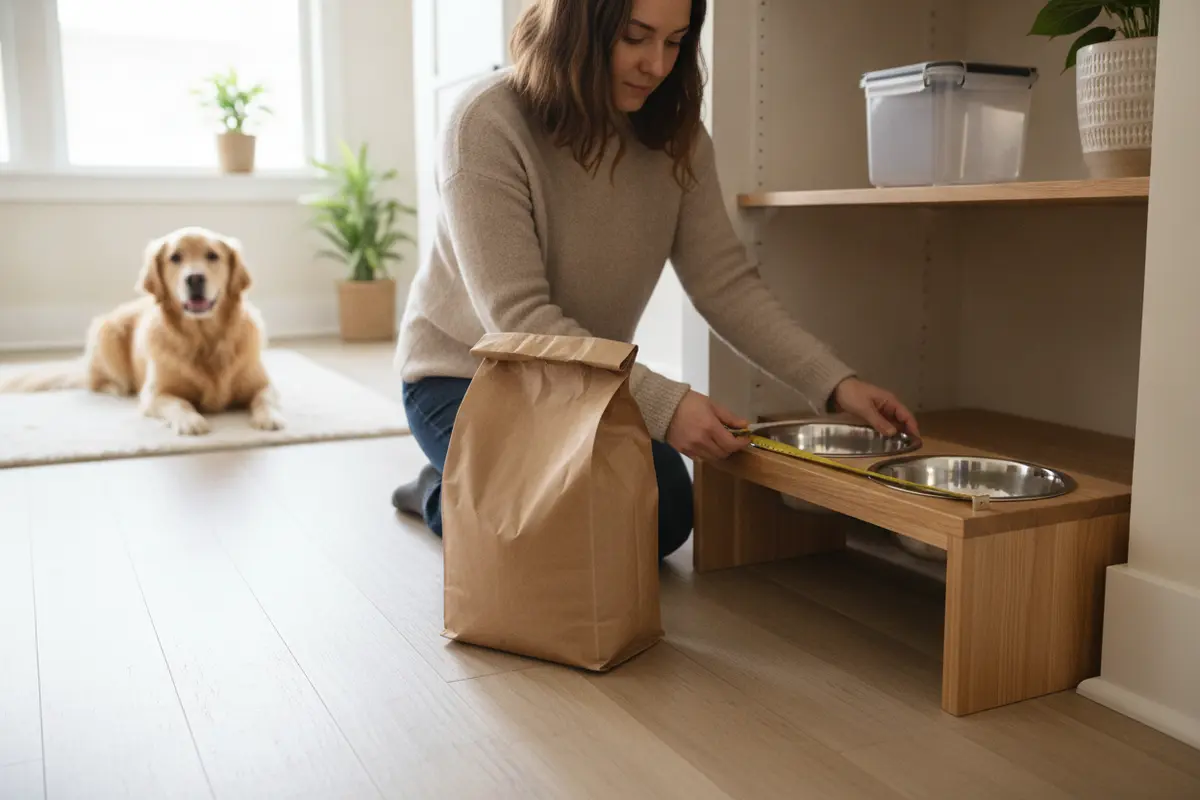
Think about where the food is stored. A container kept in a pantry has different space limits from one placed beside a feeding station. Measure the available width, height, and depth, including room to open the lid. If you keep the bag inside the bin, account for the extra space the folded bag takes up.
Food type matters, too. Dry kibble can be poured or kept in its bag inside a bin. Canned food and refrigerated food need storage that follows the package directions after opening, rather than a dry-food bin. Treats may have different sizes and textures, so a separate smaller container can be more convenient than mixing them with the daily food.
Consider the people who will use it. A lid that is easy for one adult may be difficult for a child or an older family member to open. If several people serve meals, agree on where the scoop goes and how much food belongs in each bowl. A simple, repeatable setup can reduce accidental double servings and make it easier to notice when the supply is low.
Which Container Style Fits Your Routine?
There is no single best shape for every home. Compare the opening, lid, capacity, and cleaning access before deciding. The table below covers common options, not specific product claims.
| Container style | Useful when | Check before choosing |
|---|---|---|
| Rigid bin with a lid | You want a dedicated spot for a full or partial bag | Measure the footprint and confirm the lid is easy to open and close |
| Rolling bin | You need to move a larger supply across a smooth floor | Check wheel stability, doorway clearance, and access to the scoop |
| Small countertop container | You keep a modest amount near the feeding area | Make sure it is easy to clean and does not crowd the counter |
| Original bag inside a bin | You want an outer barrier while retaining the food's packaging | Fold or close the bag between uses and keep the bin clean and dry |
| Separate treat jar | You want treats accessible without mixing them into kibble | Use a secure lid and keep treats in their labeled packaging when practical |
A rigid bin is a simple choice for many feeding areas, but capacity can be deceptive. Two containers with similar outside dimensions may have different usable space because of their shape or internal features. If you are unsure, measure the food bag or check its stated volume rather than relying on a photo.
A rolling style can help when a large supply must move between a storage area and a feeding spot. It can be inconvenient on uneven flooring or in a narrow pantry. A small container is easy to lift and clean, but may require frequent refills. Consider the task you repeat every day, not just the container's appearance.
Also compare how food enters and leaves the container. A wide opening may make it easier to add kibble and reach the bottom, but it needs enough clearance to lift the lid. A narrow pour spout can make serving more controlled, yet may be awkward to refill or clean. Picture a normal meal: open the lid, find the scoop, serve a portion, and close the container. If one of those steps feels awkward, the design may not suit your routine.
How Do You Choose the Right Size?
Quick Summary
Pick capacity around your normal purchase and feeding rhythm. A container should hold the amount you can use in a practical period, with room to close it properly. Do not buy a very large bin just because the listed capacity sounds convenient.
Before shopping, note the size of the food package you normally buy and how long it lasts in your home. If your dog eats a small amount or you rotate among several foods, a compact container may be easier to keep clean and current. A multi-dog household may need a larger bin or clearly separate containers, especially when dogs eat different diets.
Do not estimate capacity from the bag's weight alone. Kibble pieces vary in shape and density, so the same weight may occupy different amounts of space. When product details provide both dimensions and capacity, compare those figures with your measured storage space. Also leave enough room to lift the lid and reach the last portion.
Think through the refill routine. Will you carry a full bag to the bin, or bring the bin to the food? Can you pour without spilling? Is the scoop easy to find and return? A container that is technically large enough but awkward to refill often creates more mess than it prevents.
One practical method is to measure your current setup before replacing it. Record the package size, the container's outside dimensions, and how much room remains when the bag is in place. If you are buying a bin for a particular shelf, measure the shelf opening rather than only its interior width. Include any trim, nearby door, or cabinet hinge that could block the container when you pull it out.
If you buy food in bulk, consider whether you can keep the reserve supply in its original packaging in a separate cool, dry location and refill a smaller working container as needed. This avoids repeatedly handling a large bin. Follow the food maker's storage directions and use the food in the order you opened it.
For two dogs eating the same food, a single container might suit the household if it is convenient to lift and clean. If they eat different recipes, keep those foods separate and label the containers with the dog's name or recipe. This small step is particularly useful when kibble looks similar or more than one person prepares meals.
Shop This Post

Featured in this article
Zymox Otic Pet Ear Care with 0.5% Hydrocortisone - Enzymatic Ear Solution for Dogs & Cats - 1.25 oz
$22.49
Shop Now →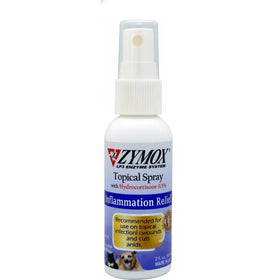
How Can You Keep Dry Dog Food Fresh?
Keep the storage area clean, dry, and away from direct light and heat. University of Maine Cooperative Extension gives similar general advice for dry foods: use airtight, moisture-proof containers and keep them in a cool place away from direct light. That resource is general food-storage guidance, not a dog-food-specific rule, so follow the directions on your pet food packaging as well: Keeping Your Food Safe to Eat.
For dry food, the original bag can be useful. It carries product information and can help keep food together in its packaging. One practical arrangement is to place the closed bag inside a clean outer container. If you transfer kibble directly, retain the bag information or other identifying details and follow the manufacturer's storage instructions. Do not assume that every plastic or decorative bin is intended for food contact.
Make sure the container and scoop are fully clean and dry before adding food. Moisture left after washing can create an undesirable storage environment. Avoid topping off an old batch with a new one. Empty the container, clean it when needed, let it dry fully, and then refill. This also gives you a chance to check for crumbs, residue, or damage.
Close the lid after each serving. Store the scoop in a clean, dry place rather than burying it in kibble if it may have touched a bowl, counter, or hand. Keep the food away from household cleaning products and places where it could be exposed to spills. If the food looks or smells unusual, packaging is damaged, or your dog refuses a food they normally eat, pause and check the package guidance; contact your veterinarian if you have a health concern.
Build a quick check into the refill routine. Before pouring, look inside the empty container for old crumbs, sticky residue, moisture, or any sign that the lid or body is damaged. Wash it if it needs cleaning, then allow every surface and corner to dry completely. Do not hurry the refill by leaving dampness at the bottom or around a seam. If you use a removable scoop, wash and dry it separately when needed.
Pay attention to the storage location as seasons change. A pantry that stays cool and dry may work well, while a spot beside an oven, sunny window, radiator, or damp utility area may not. Move the container if the room becomes warm or humid, and avoid placing it directly beneath a sink where leaks or cleaning supplies could cause trouble. A stable, low-traffic location is easier to keep tidy.
Should You Keep Food in the Original Bag?
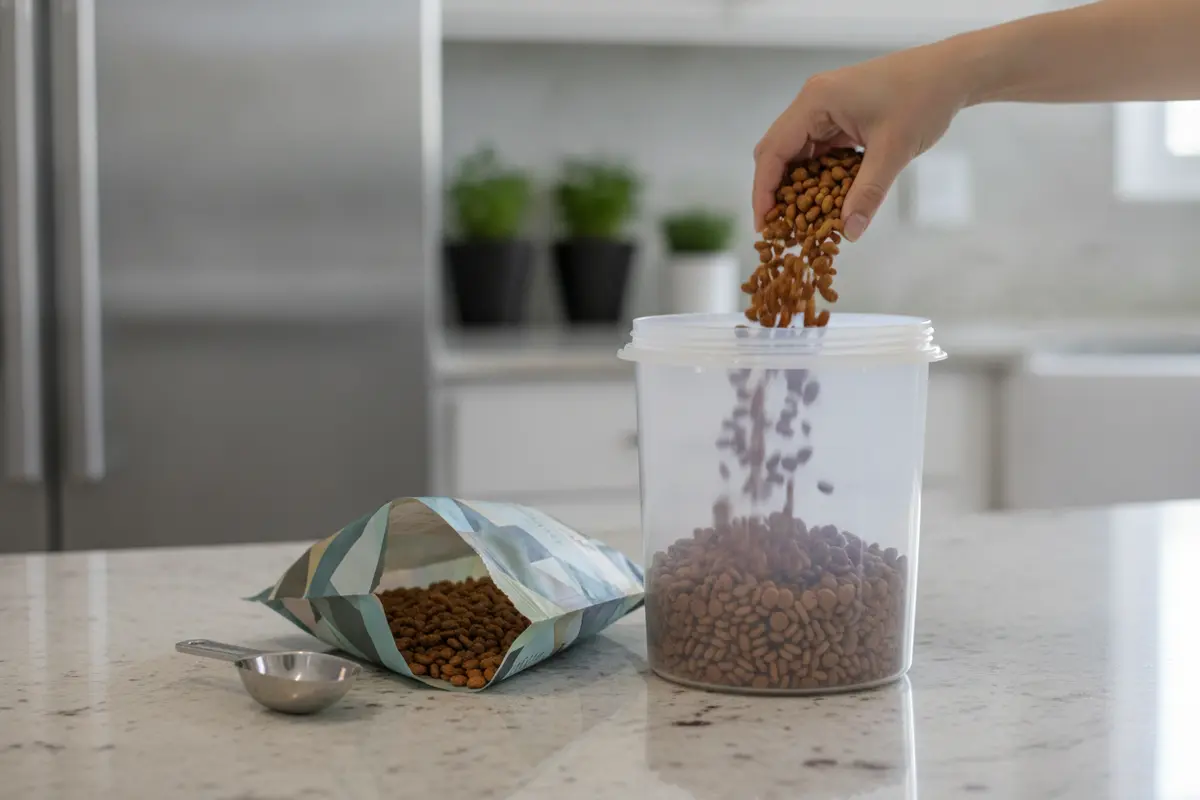
Keeping the bag inside a bin can combine the advantages of the package and an outer container. The bag remains with the food, while the bin helps contain the package and keeps the feeding area tidier. Fold or close the bag between servings, then close the bin lid.
Transferring food can be convenient when the bag is difficult to handle or the container is designed for pouring. If you choose that setup, make sure the container is suitable for food storage, easy to clean, and completely dry before filling. Keep the food's product and lot information available, and do not mix food from different bags without a clear plan for using the older supply first.
Whichever method you use, label separate containers clearly if your household serves more than one recipe or has dogs with different dietary needs. A familiar-looking kibble can be hard to identify once it leaves its package. Ask your veterinarian before changing food or storage routines that are part of a specific medical feeding plan.
There is no need to change a system that works well simply because another style looks more polished. If you keep kibble in its bag inside a clean bin and can close both reliably, that may be a practical arrangement. If pouring directly into a container saves effort, make the package information easy to find and clean the bin between batches. Choose the approach you can maintain consistently.
How Should You Organize Food, Treats, and Feeding Gear?
Make the feeding area easy to maintain by giving each item a home. Keep daily food, treats, scoops, bowls, and enrichment items separate. This reduces mix-ups and makes it easier to notice when a supply is running low. If you keep treats on hand, a dedicated treat container can be more practical than opening the main food bin throughout the day. Browse the dog treats and chews collection when planning a separate treat spot.
Food-dispensing toys are not substitutes for a storage container. Keep them clean and store them apart from the main food supply; use only food that suits your dog's routine. For play ideas, see the durable dog flying disc or a soft squeaky plush toy, and keep play gear out of the food bin.
If you take food on walks or trips, portion it into a clean, closed travel pouch or container rather than carrying loose kibble. Keep food separate from damp gear. A dog bandana belongs with walking accessories, not in the food container. For broader shopping, use the full store directory to browse available dog supplies. These links are related to organizing a dog's daily supplies; they are not recommendations for a particular food-storage bin.
A small shelf or basket can keep the scoop, measuring cup, and refill clips together without placing them inside the food. Keep bowls away from the bin while filling them, so splashes or leftover food do not end up in the stored supply. If you have limited space, prioritize the items used at every meal and store occasional travel gear elsewhere. The goal is a clean, simple path from container to bowl.
What Should You Check Before Buying?
Use this short checklist to compare options:
- Dimensions: Measure the intended spot and allow room for the lid and your hand.
- Capacity: Match the container to your typical package and feeding routine, not just a large capacity claim.
- Closure: Look for a lid that closes consistently and is manageable for the people who feed your dog.
- Material and use: Confirm the item is intended for food storage and follow its care instructions.
- Cleaning: Check whether the interior and lid can be reached and dried thoroughly.
- Mobility: If choosing wheels, consider floor type, stability, and whether you need to move it often.
- Multiple diets: Plan for separate, clearly identified storage if dogs eat different foods.
- Daily access: Decide where the scoop lives and how you will prevent it from becoming dirty between meals.
Product photos can make storage bins look larger or smaller than they are. Compare listed measurements with a space you know, such as a shelf or cabinet. If the container will sit near a dog, choose a stable location where it is not likely to be knocked over, and keep lids closed after serving.
It can help to make a short comparison list before ordering. Write down the available footprint, the usual food package size, and whether you prefer to keep the food in its original bag. Then eliminate any option that will not fit the space or cannot be cleaned easily. Among the remaining choices, consider which lid and opening feel easiest for the people who will serve meals. This process keeps the decision tied to your daily needs instead of a feature list alone.
Check the care information before purchase, especially if the container has wheels, seals, hinges, or a removable inner piece. Ask whether those parts are easy to access for cleaning and whether the lid can be left open safely while refilling. A simple design may be preferable if it is easier to inspect and dry. Avoid assuming that a particular feature makes food safe by itself; the fit, cleaning routine, and package instructions still matter.
Common Dog Food Storage Mistakes to Avoid
- Buying by appearance alone. A stylish container may not fit the bag or the available space. Check its dimensions and opening.
- Using a damp container. Wash and dry it completely before adding food.
- Mixing old and new food automatically. Empty and clean the bin as needed, then refill with the new supply rather than continually topping it off.
- Leaving the lid open. Close the container after each use and return the scoop to a clean place.
- Combining different recipes. Keep foods clearly separated when more than one dog or diet is involved.
- Ignoring package directions. Follow the manufacturer's storage and handling guidance, particularly for foods that are not dry kibble.
- Using one bin for everything. Keep treats, supplements, bowls, and toys organized separately so food remains easy to identify.
Another common problem is letting the container become difficult to use as the bag empties. Kibble at the bottom can be hard to reach in a tall, narrow bin, and a heavy container can be awkward to tip. Check whether you can access the final portions without lifting or reaching in an uncomfortable way. If not, adjust the location, use a smaller working container, or choose a shape that better matches how you serve food.
Also resist the temptation to leave a large container open while you prepare the rest of the meal. It is easy to get distracted, and an open lid can invite spills or contact with nearby items. Close it as soon as you finish measuring. Put the scoop back in its clean, designated place so it is ready for the next meal.
Frequently Asked Questions
Is it better to leave dry dog food in its original bag?
Keeping the bag inside a clean, dry outer bin is a practical option because the food stays with its packaging while the bin helps contain the bag. If you transfer food, use a container intended for food storage and keep the product information available. Follow the package's directions either way.
Should a dog food storage container be airtight?
A lid that closes securely can help keep the contents protected from everyday moisture and mess. Check the container's design and care directions, and remember that closing the lid does not replace proper cleaning, drying, or the food manufacturer's instructions.
How often should I wash the container?
There is no one interval that fits every home. Clean it when it is dirty, before changing to a different food, or when you are ready to refill after emptying it. Let every part dry fully before adding food.
Can I use the same container for two types of dog food?
Separate containers are usually easier to identify and keep organized when recipes or feeding needs differ. Do not mix foods if a dog has a specific diet or feeding plan unless your veterinarian or the food maker has advised you to do so.
Where should I place the food container?
Choose a clean, dry location away from direct light, heat, spills, and household cleaning products. Make sure it is stable and convenient for the person serving meals, with enough space to open the lid fully.
What should I do if the food seems unusual?
Do not serve food that appears spoiled, has damaged packaging, or seems different from what you expect. Check the package guidance and contact the food maker or your veterinarian if you are unsure, especially if your dog shows signs of illness.
How can I tell whether a container is large enough?
Compare its stated capacity and dimensions with the package you usually buy, while remembering kibble volume varies by shape and density. If possible, check the measurements against your current bag and leave enough room to close the lid and reach the food comfortably.
A well-chosen dog food storage container should fit your space, suit your feeding routine, and be simple to keep clean and dry. Measure first, compare the details, and follow the directions for your dog's food so daily meals stay organized.


