


Flea and tick prevention for dogs works best as a routine, not a reaction after you find a pest. Fleas can live in the home as well as outdoors, while ticks may be active during more of the year than many owners expect. A dependable plan combines the preventive format recommended for your dog, regular coat checks, sensible household care, and instructions from your veterinarian.
Shop Dog Health Essentials Today
Why Do Dogs Need Flea and Tick Prevention Year-Round?
Seasonal weather does not create a reliable off-season for parasites. Fleas can persist indoors, and ticks can be active during mild winter weather, so ask your veterinarian whether continuous prevention is appropriate for your dog.
Fleas and ticks are more than an occasional nuisance. Fleas can trigger intense itching and flea allergy dermatitis, and dogs may swallow fleas while grooming. Fleas can also be involved in tapeworm infections. Ticks can transmit illnesses, including Lyme disease, anaplasmosis, ehrlichiosis, and Rocky Mountain spotted fever. The risks vary by region, habitat, and the individual dog.
Year-round protection also closes the gaps that are easy to create when a calendar-based approach does not match local conditions. Fleas may survive in protected areas such as carpeting, pet bedding, furniture, and cracks around floors. A warm home can provide shelter when outdoor conditions are cold. Ticks may remain active on mild days, and dogs can bring crawling ticks into the house after a short walk.
The Cornell University College of Veterinary Medicine explains that year-round prevention is generally recommended because fleas can thrive indoors and ticks can be active at temperatures that occur during winter in many parts of the United States. Your veterinarian can account for your local parasite patterns, your dog's lifestyle, age, health, and other medications.
How Does the Flea Life Cycle Affect Prevention?
Understanding the flea life cycle explains why one bath or one day of cleaning may not solve an infestation. Adult fleas live on an animal, but the other stages develop in the surrounding environment:
- Eggs: Adult fleas lay eggs in the coat, and many fall onto bedding, carpet, upholstery, and outdoor areas where a dog rests.
- Larvae: Larvae hide from light in carpet fibers, cracks, shaded soil, and organic debris. They feed on material in the environment, including adult flea feces.
- Pupae: The pupa is protected inside a cocoon. Movement, warmth, and vibrations can prompt an adult flea to emerge, which is one reason new adults may appear after cleaning begins.
- Adults: Adult fleas jump onto a host, feed, and reproduce. Without a plan that addresses the dog and the environment, the cycle can continue.
Flea development is influenced by temperature, humidity, and shelter. The Merck Veterinary Manual describes how eggs, larvae, and pupae develop off the host in places such as bedding, carpet, soil, and shaded areas. This is why consistent prevention and household steps work better than waiting until adult fleas are easy to see.
Do not assume that seeing a flea immediately proves a product has failed. A dog may encounter a flea before it is killed, or newly emerging adults may still be present in the environment. Contact your veterinarian if you continue to find live fleas, if your dog is very itchy, or if skin changes, weakness, pale gums, or other concerning signs appear.
Which Flea and Tick Prevention Format Is Right for Your Dog?
The best format is the one that is appropriate for your dog's age, weight, health, exposure, and household, and that you can give correctly on schedule. A veterinarian should help you compare active ingredients, coverage, timing, and safety.
Preventives come in several formats. They are not interchangeable, and a product that is convenient for one dog may be a poor fit for another. Compare the following categories with your veterinarian rather than choosing from a label name alone.
Oral preventives
Oral products are given by mouth on a schedule set by the label and veterinarian. Many owners like them because there is no residue on the coat and bathing or swimming does not wash a topical application away. Some dogs may not take them easily, and some products have health-related precautions or require careful timing. Ask your veterinarian whether an oral option fits your dog's medical history and other treatments.
Topical or spot-on preventives
Topical products are applied to the skin, often in a location the dog cannot easily lick. The application site, dose, minimum age, weight range, bathing instructions, and frequency all matter. Apply only the amount for your dog's current weight, and follow directions about when the coat may get wet. Do not divide one tube between dogs or combine products unless your veterinarian directs you to do so.
Collars
Some collars provide extended flea or tick protection, but performance depends on using the correct size and maintaining contact with the skin as directed. Follow the product instructions for fitting, replacement, bathing, and household contact. Check the neck for irritation, particularly during the first days after putting on a new collar.
Shampoos, sprays, and short-term control
Shampoos and sprays may help with a current pest burden, but they do not automatically replace a veterinarian-approved preventive plan. Their coverage, residual activity, age restrictions, and use instructions differ. Household sprays are also not the same as products intended for a dog's coat. Never apply a home or yard pesticide to your dog unless the label specifically says it is for dogs and gives directions for that use.
Ask these questions before choosing a format:
- Which flea and tick species are common where we live and travel?
- Does my dog need flea coverage, tick coverage, or both?
- What schedule will be easiest for our household to follow without missed doses?
- Is the product approved for my dog's age, weight, breed, health status, and current medications?
- What should I do if my dog swims, is bathed, refuses a dose, or spits it out?
Explore Pet Wellness Essentials
Shop This Post

Featured in this article
Zymox Otic Dog Ear Treatment with 0.5% Hydrocortisone for Yeast & Bacterial Infections - 1.25 oz
$22.49
Shop Now →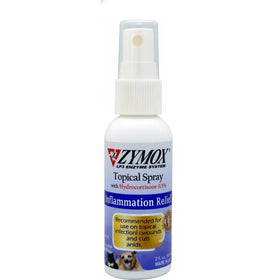
How Should You Build a Year-Round Prevention Schedule?
A simple schedule is easier to follow than a plan that relies on memory. Start by writing down your veterinarian's recommended product, the dose or size range, the application date, and the next due date. Use the label as the authority for timing. If you miss a dose, read the product instructions or call your veterinarian instead of automatically doubling the next dose.
Review the plan when your dog's circumstances change. A move to a new region, a camping trip, a new pet, more time in tall grass, a change in weight, or a new medication can change the right approach. Keep a record of the product package or lot information, especially if your dog has a reaction. This makes it easier for your veterinarian or the manufacturer to identify the exact product.
Do not rotate, layer, or switch flea and tick products casually. Using multiple products can increase exposure without improving protection, and different ingredients may not be appropriate together. Ask your veterinarian before adding a second product, using a leftover dose, or changing products after seeing a tick.
What Household Steps Help Prevent Fleas?
Household control supports, but does not replace, an appropriate preventive for every pet. Focus cleaning where pets sleep and rest, wash bedding regularly, vacuum consistently, and follow professional treatment advice for a significant infestation.
When fleas are present, focus on the places your dog spends time. Wash washable bedding according to its care instructions, vacuum carpets and upholstery regularly, and pay attention to cracks, under furniture, and edges where debris accumulates. Empty the vacuum according to the manufacturer's directions so it does not become a source of reinfestation.
Clean all pet sleeping areas, not just the one bed you notice first. If you have multiple dogs, cats, or other pets, ask a veterinarian how each species should be protected. A dog product may be unsafe for a cat, and pets may need different products based on their species, age, weight, and health. The U.S. Environmental Protection Agency advises using flea and tick products only on the species and size or weight listed on the label.
For a persistent or heavy infestation, ask your veterinarian whether a licensed pest-control professional should evaluate the home. Avoid using foggers, yard treatments, or concentrated pesticides without understanding the label, the required ventilation, and the safety steps for pets and people. Remove pets, food, water bowls, and toys as directed, and keep everyone away from treated areas until the label says they are safe to re-enter.
How Can You Reduce Tick Exposure Around the Home?
Ticks wait in places where animals pass, including tall grass, brush, leaf litter, and wooded edges. You can lower exposure by keeping grass trimmed, clearing leaf piles near frequently used paths, and creating a maintained transition between lawn and brush. These steps do not eliminate ticks, and they are not a substitute for prevention, but they can reduce the number of high-contact areas.
When hiking or traveling, keep your dog on maintained paths where practical and avoid letting the dog push through dense vegetation. Check the dog after outdoor time, even if the walk was short. Ticks can be very small, and a quick check is easier before a tick remains attached for an extended period.
Dogs can carry ticks into the home, where a tick may later bite a person or another animal. The Centers for Disease Control and Prevention recommends daily tick checks, prompt removal of attached ticks, and veterinary guidance about prevention and diseases found in your area.
What Is the Best Way to Check a Dog for Fleas and Ticks?
Make checking part of an existing routine, such as coming home from a walk or brushing your dog. Use bright light and move the coat in small sections. Pay special attention to the ears and around the collar, under the front legs, between the toes, around the groin, under the tail, and along the neck and face. Feel for small bumps as well as looking for dark specks or moving insects.
A flea comb can help you find adult fleas or flea dirt, especially around the back and hindquarters. If you find dark specks, place a few on a damp white paper towel. Reddish-brown smearing can be consistent with digested blood in flea dirt, but a home check cannot diagnose the cause of itching or skin inflammation.
If you find an attached tick, use fine-tipped tweezers or a tick-removal tool, grasp the tick close to the skin, and pull steadily without twisting or crushing it. Wash your hands and clean the area afterward. Do not cover the tick with petroleum jelly, nail polish, or heat. If you cannot remove it safely, or if your dog develops concerning symptoms after a bite, contact your veterinarian.
What Safety Rules Matter Most?
- Read the entire label. Confirm the species, minimum age, weight range, dose, frequency, application site, and warnings before use.
- Use dog products only on dogs. Never apply a dog flea or tick product to a cat unless a veterinarian has confirmed that exact product is safe for that cat. Some ingredients can be dangerous to cats.
- Measure the current weight. Do not guess, use a larger dog's dose, split a tube, or use a product intended for a different size range.
- Ask before treating vulnerable dogs. Consult your veterinarian before use on puppies, senior dogs, pregnant or nursing dogs, sick dogs, underweight dogs, or dogs taking other medicines.
- Watch after a first use or product change. Monitor for vomiting, diarrhea, weakness, tremors, unusual behavior, skin irritation, or other changes. Contact your veterinarian promptly if you are concerned.
- Keep packaging. Save the box, label, lot number, and remaining applicator or container in case a veterinarian needs exact product information.
The EPA notes that misuse can unnecessarily expose pets to pesticides. If your dog has a suspected adverse reaction, follow the product label and contact your veterinarian or the appropriate animal poison resource. If the product is a collar and the label or veterinarian advises removal, remove it promptly. Do not apply another flea or tick product to counteract a reaction unless a professional tells you to.
When Should You Call a Veterinarian?
Call your veterinarian when you are choosing a first preventive, changing products, treating a puppy or medically complicated dog, or finding repeated fleas or ticks despite following the label. Veterinary advice is especially important if your dog has seizures, neurologic disease, significant skin disease, a history of product sensitivity, or takes several medications.
Seek prompt veterinary guidance for severe itching, open sores, lethargy, weakness, pale gums, fever, loss of appetite, vomiting, breathing changes, tremors, seizures, or unusual behavior. Fleas, ticks, skin infections, allergies, and other conditions can look similar at home. Prevention helps reduce risk, but it cannot replace examination and treatment when a dog is ill.
Flea and Tick Prevention Checklist
- Ask your veterinarian which flea and tick risks matter in your area.
- Choose a format approved for your dog's species, age, weight, health, and lifestyle.
- Record every application or dose and set the next reminder before you forget.
- Check your dog's coat after outdoor time, with daily tick checks when exposure is possible.
- Wash pet bedding and vacuum resting areas regularly.
- Keep grass, leaf litter, and brush managed around the areas your dog uses.
- Do not combine or change products without professional guidance.
- Keep labels and packaging, and know what signs require a call to your veterinarian.
Consistency is the most useful part of the plan. A product that is safe for your dog and given correctly on schedule, combined with routine checks and household care, is more dependable than switching between products whenever the season changes.
Shop Dog Health Essentials Today
Frequently Asked Questions
Do dogs need flea and tick prevention in winter?
Many dogs benefit from year-round prevention because fleas can survive indoors and ticks may be active during mild winter weather. Ask your veterinarian about local conditions, travel, your dog's lifestyle, and the right schedule rather than stopping automatically when temperatures fall.
Can indoor dogs get fleas or ticks?
Yes. Fleas can enter on people, other animals, or items and can develop in protected areas of a home. Ticks can be carried inside after outdoor exposure. Indoor living may reduce exposure, but it does not make prevention or routine checks unnecessary.
What is the safest flea and tick prevention for a dog?
Safety depends on the individual dog, the exact product, the dose, local parasite risks, and how the product is used. A veterinarian can help you choose an option approved for your dog's age, weight, health, and medications. Follow the label exactly.
Can I use a flea product made for dogs on my cat?
No. Do not use a dog product on a cat unless a veterinarian has confirmed that exact product is safe. Products for different species may contain ingredients that are unsafe when used incorrectly. Keep treated pets apart as directed on the label.
How often should I check my dog for ticks?
Check your dog after outdoor time, and perform daily checks when your dog has been in tall grass, brush, wooded areas, or other tick habitat. Inspect the ears, collar area, legs, toes, groin, neck, face, and under the tail.
What should I do if I still find a flea or tick after prevention?
Remove an attached tick promptly and contact your veterinarian if you are unsure how to do it. Do not automatically repeat a dose or add another product. Your veterinarian can determine whether the exposure, timing, product fit, household environment, or another health issue needs attention.
Does bathing get rid of fleas and ticks?
A bath may remove or kill some pests depending on the product and directions, but it does not necessarily stop the life cycle in the home or replace ongoing prevention. Use only a product labeled for dogs and ask your veterinarian how bathing affects the preventive you use.
This guide is for general education and is not a substitute for veterinary diagnosis or treatment. Always read the product label and consult your veterinarian about flea and tick prevention for your dog.


