


Fresh dog food can look appealing when you want a more transparent feeding routine, a different texture, or a convenient alternative to traditional kibble. The best choice is not simply the food that looks most wholesome. It is a complete and balanced formula that fits your dog's life stage, storage space, budget, appetite, and veterinarian's guidance.
This guide explains what fresh food means, how refrigerated and frozen options differ, what to check on the label, how to portion and store meals, and how to change diets without making mealtimes harder for your dog.
What Is Fresh Dog Food?
Fresh dog food generally means a moist, perishable food that is refrigerated or frozen rather than shelf-stable after opening. It can include gently cooked meals, chilled rolls, or frozen portions. The word fresh does not by itself confirm nutritional adequacy, ingredient quality, or suitability for every dog.
Fresh dog food is a broad category, not one standardized recipe or processing method. Most products are moist meals made with animal protein, grains or other carbohydrate sources, vegetables, fats, vitamins, and minerals. Some are cooked and refrigerated. Others are frozen soon after preparation and thawed before serving. A few products are sold as fresh toppers rather than as a complete meal.
That distinction matters. A food can have a short ingredient list and still need to be paired with another food. Before treating a fresh product as your dog's main diet, look for a nutritional adequacy statement showing that it is complete and balanced for the relevant life stage. The AAFCO label guide explains why the adequacy statement, feeding directions, calorie information, and manufacturer details all deserve attention.
Fresh food may be attractive because the ingredients are easy to see and the moisture content changes the eating experience. Some dogs prefer its aroma or texture. Those are practical benefits, but they are not guarantees of better health. Your dog's body condition, stool quality, energy, appetite, and veterinary history are more useful measures than the word fresh on the package.
What Are the Main Fresh Dog Food Formats?
Start by deciding which storage and serving routine fits your household. Refrigerated meals are ready to serve but require reliable cold storage. Frozen meals can offer more flexibility if you have freezer space, but they require advance planning. Fresh toppers can add moisture or variety, but they should not displace a complete diet unless the label says they are intended for that use.
| Format | What to expect | Best planning question |
|---|---|---|
| Refrigerated cooked meals | Moist, ready-to-serve food kept cold before and after opening. | Can you use the package within its stated refrigerated window? |
| Frozen cooked meals | Portions stored frozen and thawed according to package directions. | Do you have enough freezer room and time to thaw safely? |
| Fresh rolls or loaves | A sliceable or scoopable moist format that must be resealed and chilled. | Can you measure consistent portions without leaving the roll exposed? |
| Fresh toppers | A supplemental portion designed to be served with a complete food. | Does the label give clear serving limits for supplemental feeding? |
Do not assume that refrigerated means nutritionally superior, or that frozen means less processed. Read the preparation and storage directions for the exact product. A food's texture, moisture, calorie density, and feeding instructions can vary substantially even when two products are both marketed as fresh.
It is also useful to separate fresh cooked food from raw food. Raw diets bring additional food-safety considerations for people and pets. If you are comparing fresh cooked and raw options, discuss the decision with your veterinarian and review the FDA's safe pet-food handling guidance before making a change.
How Do You Read a Fresh Dog Food Label?
Evaluate fresh dog food in this order: nutritional adequacy statement, life-stage fit, calorie information, feeding directions, ingredient list, storage instructions, and manufacturer contact details. Ingredient names matter, but a complete and balanced statement is the stronger starting point for choosing a main diet.
A label gives you a more reliable basis for comparison than front-of-package language. Use this checklist:
- Check the nutritional adequacy statement. Confirm whether the food is complete and balanced for growth, adult maintenance, all life stages, or another stated use.
- Match the life stage. Puppies, adults, seniors, pregnant dogs, and dogs with diagnosed conditions may have different needs. A general adult food is not automatically right for every dog.
- Find calories and feeding directions. Compare calories per gram, portion, or other unit when available. Feeding directions are a starting point, not a promise that every dog needs the same amount.
- Read the full ingredient list. Look for the primary protein sources and any ingredients your dog has previously struggled to tolerate. Do not treat a familiar-sounding ingredient as proof that a food will suit your dog.
- Review the storage and handling instructions. Note whether the product must stay frozen, refrigerated, tightly covered, or used within a stated period after opening.
- Record the manufacturer and lot information. Keep the original package or take a photo of it so you can identify the food if you have a question or need to check a recall.
Terms such as natural, human-grade, limited ingredient, or gently cooked can be useful descriptions, but they do not replace the adequacy statement. If a product is labeled for intermittent or supplemental feeding only, use it as directed instead of assuming it can replace your dog's regular food.
Looking for food-support products alongside your feeding routine? Browse Hooves and Paws dog health essentials for curated options from a retailer that has served pet families since 1994.
Shop This Post

Featured in this article
Zymox Otic Pet Ear Care with 0.5% Hydrocortisone - Enzymatic Ear Solution for Dogs & Cats - 1.25 oz
$22.49
Shop Now →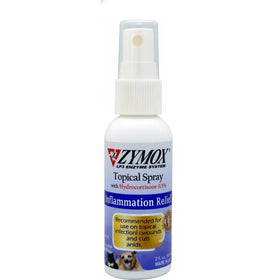
How Should You Store Fresh Dog Food Safely?
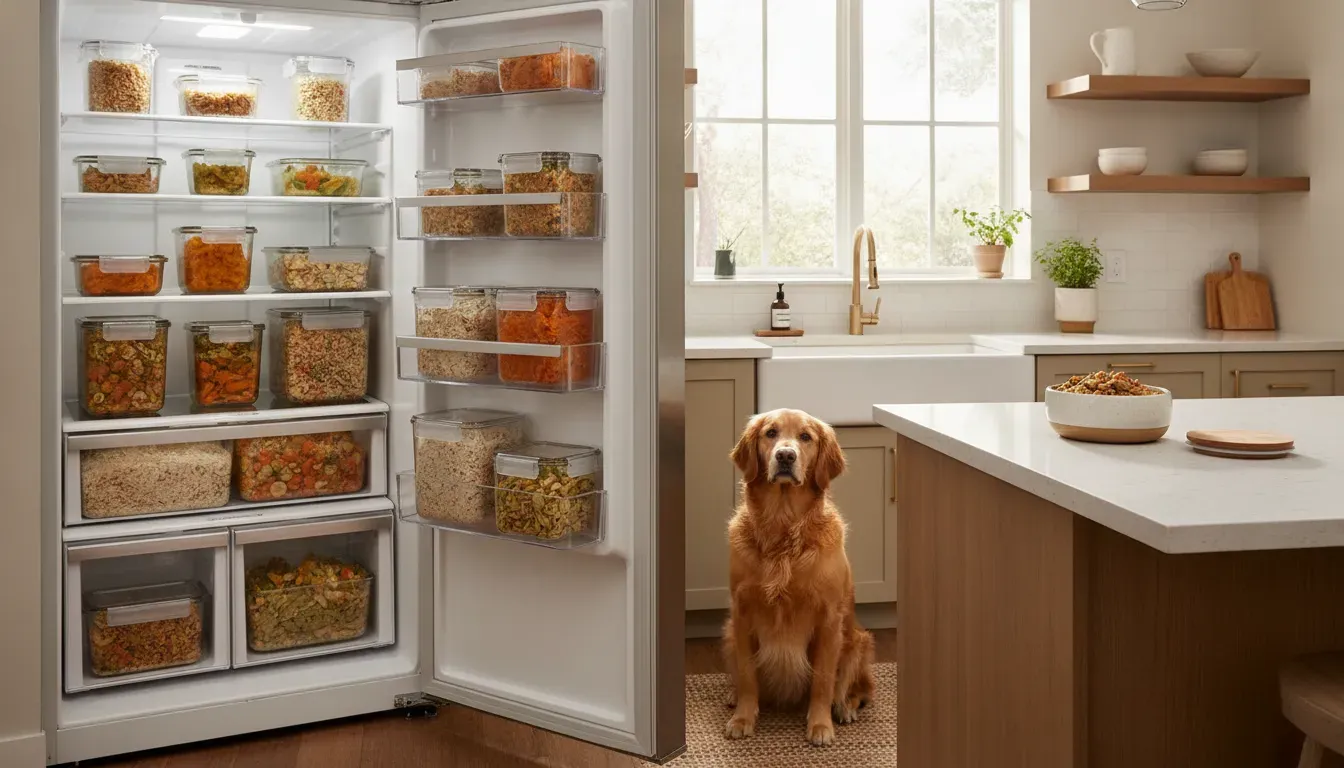
Keep fresh dog food at the temperature and for the time stated on its package. Refrigerate opened food promptly, keep it covered, use clean utensils, and discard food that is spoiled or past its safe window. The FDA also recommends washing hands, bowls, and preparation tools after handling pet food.
Storage is one of the biggest practical differences between fresh dog food and shelf-stable food. A feeding plan can fail if food is forgotten on the counter, crowded into an unreliable refrigerator, or opened faster than your dog can eat it.
- Read the product directions before opening. Note the required refrigerator or freezer temperature, thawing method, and use-by window.
- Keep refrigerated food cold. The FDA advises refrigerating unused canned or pouched food promptly at 40 F or below. For other fresh products, follow the package directions because the safe window can differ.
- Thaw frozen food in the refrigerator. Do not use a countertop as a long-term thawing surface. Move only the amount you expect to use into the refrigerator.
- Close and cover opened food. Use the original resealable package or a clean, food-safe container with a tight lid. Labeling the container with the product and open date can make the routine easier to manage.
- Use clean tools. Wash hands before and after handling food, and clean bowls, scoops, and preparation surfaces regularly.
- Inspect before serving. Discard food with an unusual odor, damaged packaging, mold, or other signs of spoilage. When in doubt, do not serve it.
The FDA's pet-food storage recommendations also advise keeping package information such as the product name, lot number, and best-by date. That information helps you respond quickly if a manufacturer issues a notice or your veterinarian asks what your dog has eaten.
How Do You Transition Your Dog to Fresh Food?
A gradual transition gives you time to notice how your dog responds and makes it easier to identify which change caused a problem. It also avoids turning one meal into a sudden, unfamiliar replacement.
A practical gradual transition
- Days 1 and 2: Mix a small amount of the new food with the current diet while keeping the overall meal size consistent.
- Days 3 and 4: Increase the new food if your dog is comfortable and eating normally.
- Days 5 and 6: Shift the balance further toward the fresh food while checking portions and stool quality.
- Day 7 and beyond: Complete the change only if your dog is tolerating it. A slower transition may be more appropriate for a sensitive dog or a dog that has had trouble with diet changes.
Use the new food's calorie information and feeding directions rather than swapping equal cups automatically. Moist foods often contain more water than kibble, so the volume can look different even when the meal provides a similar amount of energy.
Keep a simple note of the date you started, the foods and amounts served, appetite, stool changes, and any symptoms. If vomiting, persistent diarrhea, marked lethargy, refusal to eat, or another concerning change appears, stop improvising and contact your veterinarian. A diet transition should not delay care for an unwell dog.
Find trusted dog health essentials
How Much Fresh Dog Food Should You Feed?
Start with the package feeding guide, then adjust with your veterinarian based on calories, life stage, activity, body condition, and health status. Measure each meal consistently. A cup of one fresh food can provide a very different amount of energy from a cup of another.
Portioning fresh dog food is not a matter of filling the bowl to a familiar level. Different recipes can vary in moisture and calorie density, and a dog's needs change with age, size, activity, reproductive status, and body condition.
Use the following routine:
- Find the product's calorie information and feeding chart.
- Choose the row that most closely matches your dog's current weight and life stage.
- Divide the daily amount across the meals your household can serve consistently.
- Measure portions with a kitchen scale or the product's recommended measuring method.
- Reassess body condition and appetite over time instead of increasing food solely because your dog asks for more.
Treats, toppers, chews, and supplements also contribute to the daily feeding picture. If you are combining a complete fresh meal with a topper, make sure you understand whether the topper is intended for supplemental feeding and reduce the main meal only with clear guidance.
For more general label and feeding-selection context, compare this guide with the Hooves and Paws guide to choosing the best dog food. For dogs with recurring digestive concerns, the sensitive-stomach food guide can provide additional questions to discuss with your veterinarian.
Is Fresh Dog Food More Expensive?
Fresh dog food can cost more per day than some shelf-stable options, but the useful comparison is the full feeding cost rather than the package price alone. Compare cost per day using the product's feeding directions and calorie information, then account for delivery, storage, waste, and any food your dog will not finish.
| Cost factor | Question to ask |
|---|---|
| Daily portion | How much does the label recommend for your dog's weight and life stage? |
| Calorie density | Are you comparing foods using similar calories rather than similar cup volume? |
| Waste | Will packages be used within their refrigerated window in your household? |
| Storage | Do you need freezer space, containers, or a routine for thawing portions? |
| Convenience | Does ready-to-serve preparation save time that matters to your family? |
A higher price is not automatically a sign of better nutrition, just as a lower price is not automatically a poor choice. Choose the formula that is nutritionally appropriate, tolerated by your dog, practical for your schedule, and sustainable for your budget.
When Should You Ask Your Veterinarian?
Ask your veterinarian before changing food for a puppy, pregnant or nursing dog, senior dog, dog with a diagnosed condition, dog taking medication, or dog with persistent digestive symptoms. Veterinary guidance is especially important when a diet is being used to manage a health concern.
A veterinarian can help you decide whether the food's life-stage statement, calorie profile, and ingredients fit your dog's circumstances. Bring a photo of the label, feeding directions, current portion, and a short record of your dog's appetite and stool quality.
Ask for help before switching if your dog has kidney, liver, pancreatic, urinary, endocrine, gastrointestinal, or other diagnosed disease. Also ask before making a major change for a growing puppy, a pregnant or nursing dog, an underweight dog, or a dog with a history of food reactions. A fresh format is not a substitute for a therapeutic diet or an individualized nutrition plan.
If your dog has persistent vomiting or diarrhea, refuses food, seems unusually weak, or shows another urgent change, contact a veterinary professional promptly. Do not keep changing foods in an attempt to diagnose the problem at home.
Hooves and Paws has served horse, dog, and cat owners since 1994 with curated products and personal service. You can also review the dog digestive support guide for general questions to take to your veterinarian, or browse the dog health essentials collection for related supplies.
Shop Dog Health Essentials Today
Frequently Asked Questions About Fresh Dog Food
Is fresh dog food better than kibble?
Not automatically. Fresh food and kibble use different formats, moisture levels, processing methods, and storage routines. Choose a complete and balanced food that fits your dog's life stage and needs, then judge it by practical outcomes and veterinary guidance rather than marketing language.
Can fresh dog food be frozen?
Some fresh foods are sold frozen or may be frozen according to the manufacturer's directions. Check the exact package for freezing, thawing, and use-by instructions. Do not freeze a product if the label says not to, and thaw food safely in the refrigerator when directed.
How long does fresh dog food last after opening?
There is no single safe window for every product. Follow the package's refrigerated use-by direction, keep the food covered, and discard anything that shows spoilage. When the package and your memory disagree, use the shorter window or contact the manufacturer.
How do I switch my dog to fresh food?
Mix the new food with the current food gradually over about a week, keeping portions measured and watching appetite and stool quality. Slow down if your dog is not tolerating the change. Contact a veterinarian for persistent symptoms or for dogs with special health needs.
Can fresh dog food be the only food my dog eats?
It can be a main diet only when the label identifies it as complete and balanced for your dog's life stage and your veterinarian agrees it is appropriate. Foods labeled for supplemental or intermittent feeding should not replace the main diet.
How do I know how much fresh food to feed?
Begin with the product's feeding chart and calorie information, measure each meal, and adjust with veterinary guidance based on body condition, activity, age, and health. Do not compare portions by cups alone when switching between different recipes.
Is fresh dog food safe for every dog?
No single food format is right for every dog. Puppies, pregnant dogs, seniors, dogs with medical conditions, and dogs taking medication may need individualized advice. Ask your veterinarian before changing food for one of these dogs or using diet to address a health concern.


