


Knowing how to take care of a dog starts with meeting the same basic needs every day: fresh water, suitable food, a safe place to rest, movement, companionship, and preventive care. The right routine depends on the individual dog, including age, size, coat, health, and temperament. Start with a few reliable habits, then adjust them with your veterinarian as your dog changes.
Build a daily care routine around your dog
Keep the essentials consistent: meals suited to your dog, clean water, bathroom breaks, activity, attention, and a comfortable place to rest. A predictable routine makes it easier to notice changes in appetite, energy, movement, or behavior.
Dogs thrive when their people make time for care throughout the day. That does not mean every day has to follow a rigid schedule. It means remembering the basics and giving your dog opportunities to eat, drink, move, eliminate, explore, and settle. A puppy, an older dog, and a healthy adult may need very different timing and levels of activity.
Before choosing a routine, write down what your dog currently eats, when they go outside, what exercise they enjoy, and any care instructions from a veterinarian. Note the dog's age, known health concerns, coat type, and daily environment. This short profile can help you identify where the routine is working and where it needs attention.
Make care manageable by attaching it to habits you already have. Refresh the water bowl when you make breakfast. Check the leash and waste bags before a walk. Take a moment to look over your dog's coat and feet after outdoor activity. Keep food, grooming tools, and walking supplies in predictable places so another household member can help.
A shared routine works best when everyone follows the same basic plan. Write down feeding amounts, approved treats, medication instructions from the veterinarian, and any limits on exercise. If one person feeds in the morning and another in the evening, use a checklist or measured portions so a meal is not accidentally skipped or doubled. For a dog that stays with a sitter, include familiar cues, bathroom habits, and the best way to approach handling. Clear notes can prevent confusion without requiring every caregiver to know the dog's full history from memory.
Food and water basics
Choose a complete food appropriate for your dog's life stage and individual needs. Feeding directions on packaging are a starting point, not a substitute for observing your dog and asking a veterinarian when you are unsure about portions or a diet change. Keep meals reasonably consistent, measure portions rather than estimating by eye, and make changes gradually unless a veterinarian gives different instructions.
Keep clean, fresh water available and wash the bowl regularly. Check it more often in warm weather, after exercise, or when your dog has been outside. When traveling, bring water and a familiar bowl. If your dog suddenly drinks much more or less than usual, or has a persistent change in appetite, contact a veterinarian rather than trying to diagnose the cause at home.
Store food according to its label and keep it protected from moisture, pests, and curious pets. Avoid feeding table scraps as a routine. Some everyday human foods can be unsafe for dogs, and rich or unfamiliar foods may upset an animal's stomach. Ask your veterinary team which treats are suitable and how to include them in the dog's overall feeding plan.
For a dog that eats too quickly or needs more ways to engage with meals, consider whether an appropriate feeding activity suits that dog. Use a product as directed, supervise initial use, and stop if it becomes damaged or frustrating. An interactive dog toy collection can offer play options, but toys should not replace a suitable diet or veterinary guidance about feeding.
Keep a simple record when you are adjusting portions or changing foods under veterinary guidance. Note what is offered, how much is eaten, and whether your dog seems comfortable afterward. Make one planned change at a time when practical, so you can describe the result clearly if you speak with the veterinary team. Do not add supplements or special diets based only on a label or a friend's experience. Dogs with medical conditions, allergies, or a history of digestive trouble may need individual advice. Keep treats modest and count them as part of the overall feeding routine rather than offering them automatically throughout the day.
How much exercise and attention does a dog need?
Match activity to the individual dog, not a one-size-fits-all target. Age, health, fitness, breed tendencies, weather, and the dog's response all matter. If a dog shows discomfort, unusual fatigue, or reluctance, pause and seek veterinary advice when needed.
Daily movement supports a dog's physical and mental well-being, but the right kind and amount vary. Some dogs enjoy longer walks and games; others do better with shorter outings and gentle activity. Puppies and senior dogs may need different pacing from a fit adult. If you are starting a new exercise routine, increase activity gradually and ask your veterinarian about restrictions for a dog with a health issue or recent injury.
Walks can provide more than exercise. Letting a dog sniff safely, explore new surroundings, and practice calm leash manners makes the outing more engaging. Choose a route and pace that suit the dog's ability. Use a secure leash and well-fitting walking equipment, and take breaks when the dog needs them. In hot, cold, or stormy weather, adjust the outing and avoid conditions that could put the dog at risk.
Play and companionship matter, too. Short play sessions, simple training, and time together can fit into a busy day. Rotate safe toys so the dog has different options, and supervise play with unfamiliar items. A durable dog flying disc may suit a dog that enjoys fetch, provided the dog can use it safely and the play area is clear. Keep games suitable for the dog's size, ability, and interest.
Dogs also need time to rest. Provide a comfortable, quiet spot where the dog can settle without being disturbed. Some dogs prefer to be close to family activity; others seek a calmer corner. Make sure children know not to disturb a resting or eating dog, and give the dog a way to retreat from noise or visitors.
Think of activity as a mix of movement, exploration, and calm interaction rather than a single long workout. A brief sniff walk, a few minutes of simple training, and relaxed time with family can provide variety across the day. Watch your dog's response during and after each activity. If the dog lags, pants heavily, repeatedly tries to stop, or seems unusually unsettled afterward, end the session and allow rest. On days when weather limits outdoor time, scatter a few pieces of the dog's regular food for supervised sniffing, practice a familiar cue, or offer an appropriate toy. Keep indoor activities clear of slippery floors, stairs, and fragile objects.
Shop This Post

Featured in this article
Zymox Otic Pet Ear Care with 0.5% Hydrocortisone - Enzymatic Ear Solution for Dogs & Cats - 1.25 oz
$22.49
Shop Now →

Grooming and everyday health checks
Regular grooming helps you keep your dog comfortable and gives you a chance to notice changes. The right routine depends on coat length and texture, activity, and the dog's tolerance. Brush as often as the coat needs, use tools suited to that coat, and keep sessions calm and short if your dog is new to grooming. Ask a professional groomer or veterinarian for guidance when you are unsure how to handle mats or sensitive areas.
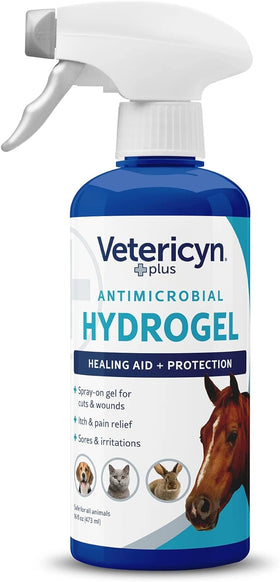
During grooming, look for changes such as a new lump, sore area, persistent scratching, unusual odor, or a change in the skin or coat. These signs can have many causes, so avoid assuming that a product will solve them. If a skin or ear concern persists, worsens, or bothers your dog, ask a veterinarian for an assessment. You can review available Zymox pet care products, but follow product directions and seek veterinary advice for health concerns instead of using a product to delay care.
Check paws after walks, especially if your dog has been on rough ground, through mud, or around debris. Look between the toes and pads without forcing the dog to tolerate handling. Keep nails at a comfortable length with a safe method, or ask a groomer or veterinary professional to help. Nail care should not cause pain or bleeding. If a paw appears injured or the dog is limping, contact a veterinarian.
Dental care is another routine to discuss with your veterinary team. Ask how to introduce tooth brushing and what products are appropriate for your dog. Never use human toothpaste unless a veterinarian specifically directs you to do so. A gradual introduction can make handling less stressful: let the dog investigate the brush, reward calm behavior, and build up in brief sessions.
Keep grooming supplies clean and stored safely. A basic set might include a brush matched to the coat, dog-safe shampoo if bathing is needed, a towel, and nail-care tools if you know how to use them. Avoid using human skin or hair products on your dog without veterinary direction. If grooming causes persistent fear or defensive behavior, stop and ask a professional about a gentler approach.
Build handling comfort in small, predictable steps. Start when the dog is relaxed, let them sniff a brush or towel, and reward calm observation. Touch one area briefly, then pause. If the dog pulls away, stiffens, growls, or tries to leave, stop rather than holding them in place. You can try again later with a shorter step, or ask a groomer or veterinary professional for a plan. This approach is useful for routine checks of ears, paws, and coat because it makes handling a cooperative activity instead of a struggle. Keep sessions short enough to end calmly, and praise the dog for small progress.
Preventive veterinary care and safety
Plan routine veterinary visits, keep a record of care, and ask what prevention is appropriate for your dog and local conditions. For an urgent concern, contact a veterinary clinic promptly. General information cannot replace an examination or advice tailored to your dog.
A veterinarian can help you plan routine examinations and discuss vaccination, parasite prevention, dental care, nutrition, and age-related needs. Recommendations differ based on the dog's health, lifestyle, and location, so do not rely on a generic schedule for every animal. Keep records of visits, medications, and instructions in one place, and know how to reach your regular clinic and an emergency veterinary service.
The American Veterinary Medical Association offers veterinary resources for animal owners. For care decisions about your own dog, talk with a veterinarian who can consider the dog's history and examine them. Seek prompt veterinary guidance for sudden or severe changes, possible poisoning, breathing difficulty, collapse, significant bleeding, or other urgent symptoms.
Make your home and outings safer by keeping harmful substances, medications, cleaning supplies, and small objects beyond reach. Use secure gates or doors where needed, supervise around unfamiliar animals, and introduce new people and situations at a pace the dog can handle. Keep identification current and use a properly fitted collar or harness. Have a plan for who will care for the dog if you are away or an emergency interrupts your routine.
Travel and outdoor conditions deserve their own checks. Do not leave a dog unattended in a vehicle where heat or cold may become dangerous. Carry water on outings, use a secure restraint when traveling, and check local rules for leash use. The ASPCA provides animal-care and safety information that can help owners identify questions to raise with their veterinary team.
Prepare a small set of practical details before you need them. Save your regular clinic's phone number and address, identify an emergency veterinary service, and keep your dog's current medications and relevant care notes together. When you travel, share those details with the person responsible for the dog. For a new symptom, note when it started, how it has changed, and whether the dog is eating, drinking, and moving normally. These observations can help a veterinary professional understand the situation. If symptoms appear severe or progress quickly, do not wait to finish a written log before seeking help.
Training, social needs, and a comfortable home
Training is part of everyday care because it helps people and dogs communicate. Start with simple, useful skills such as responding to a name, coming when called in a safe setting, settling, and walking calmly on a leash. Keep practice brief and rewarding. Use a consistent cue and reward the behavior you want to see. If a behavior worries you or creates a safety risk, consult a qualified trainer or veterinarian rather than relying on punishment.
Social experiences should be safe and suited to the dog. Not every dog enjoys meeting every person or animal, and forcing close contact can make a situation more stressful. Give the dog space, watch body language, and allow calm observation from a comfortable distance. The interactive fetch and play options can add variety for dogs that enjoy play, while quiet time and sniffing games may suit others better.
Set up a home environment that supports good habits. Keep the dog's bed in a place that is calm but not isolated from the household, and make food and water easy to reach. Use barriers to limit access to unsafe rooms or objects. If the dog spends time outdoors, provide supervision and appropriate shelter, and bring the dog inside when weather or conditions are unsuitable.
Consider the dog's route through the home. Keep food and water away from busy doorways where they may be spilled, and place the resting area where the dog can lie down without blocking foot traffic. Store small toys, children's items, and household products out of reach. Check gates and fences for openings before allowing outdoor access, and supervise a dog that is still learning the boundaries. These simple environmental choices can reduce avoidable stress and make the routine easier to follow for people and pets.
A practical daily and weekly dog-care schedule
A schedule is a planning aid, not a fixed prescription. Adapt it to your dog's age, health, household routine, and veterinarian's advice. The point is to make recurring care visible, so important needs do not depend on memory alone.
| When | Care task | What to check |
|---|---|---|
| Morning | Offer a meal if it fits the dog's feeding plan, refresh water, and provide a bathroom break and suitable activity. | Appetite, energy, comfort, and whether the dog is moving normally. |
| During the day | Provide bathroom breaks, water, rest, companionship, and safe enrichment suited to the dog. | Water supply, weather, stress, and any change in usual behavior. |
| Evening | Follow the feeding plan, provide another bathroom break and activity, and settle the dog in a comfortable place. | Paws and coat after outings, comfort, and willingness to eat and rest. |
| Weekly or as needed | Wash bowls, clean bedding as appropriate, groom according to coat needs, and review supplies. | Coat, nails, ears, toys for wear, food storage, and any appointment or medication instructions. |
| On the veterinarian's schedule | Attend preventive visits and follow individualized guidance for exams and prevention. | Care records, questions, changes since the last visit, and next steps. |
A short written checklist can help a household share responsibility. Include meal instructions, medication directions provided by the veterinarian, the usual walk routine, emergency contacts, and any handling preferences. If a sitter will care for your dog, explain the dog's routine clearly and leave supplies easy to find.
Use the schedule as a reminder, then tailor it to the actual day. A dog that has a quiet morning may need another bathroom opportunity sooner than a dog that has just been outside. If a family member is away, adjust who handles walks and meals rather than assuming the usual person will be available. Keep a small supply area with the leash, waste bags, towel, and any grooming items you use often. Review food and medication supplies before they run low, and ask the veterinary team about refills in good time. If your dog has a prescribed routine, follow those instructions over a general sample schedule.
Adjust care for life stage and changing needs
Care needs can change over a dog's life. Puppies need a safe introduction to routines and close supervision. Adult dogs may benefit from a consistent schedule built around their activity level. Senior dogs may need adjustments to exercise, rest, grooming, or home access. Do not assume that reduced activity or a new behavior is simply part of aging. Discuss changes with a veterinarian.
Dogs also differ from one another. Coat, body size, confidence, prior experience, and health can affect the best approach to exercise, grooming, and handling. If your dog resists a new task, break it into smaller steps and reward calm participation. For example, practice briefly touching a paw before trying to inspect it, or let the dog explore a brush before beginning a grooming session.
Keep an eye on patterns rather than judging one isolated moment. Note when a change began, how often it happens, and what was happening around it. These details can help a veterinary professional understand your concern. Avoid trying several new foods, supplements, or care products at once, since it can make it harder to tell what is helping or causing a problem.
For a puppy, focus on consistency, supervision, and short opportunities to practice everyday routines. Make meals, outdoor breaks, rest, and gentle handling predictable, while keeping the home safe for exploration. Adult dogs still benefit from structure, but their routine can usually be built around settled habits and their individual preferences. For an older dog, check whether the route to food, water, bed, or the outdoors remains comfortable. A non-slip surface, easier access, or a shorter outing may help, but ask a veterinarian about changes in mobility or stamina. These are examples, not rules for every dog: let the animal's health and veterinary advice guide adjustments.
Shop interactive dog toys today
Frequently Asked Questions
How often should I feed my dog?
Follow a feeding plan suited to your dog's age, health, and food, and ask your veterinarian if you are unsure about meal timing or portion size. Keep meals consistent when practical and monitor your dog's condition rather than relying on a generic amount for every dog.
How much exercise does a dog need each day?
There is no single amount that fits every dog. Age, health, fitness, temperament, weather, and the type of activity all matter. Start with manageable activity, watch how your dog responds, and ask a veterinarian about limits or changes if your dog has a health concern.
What basic supplies should a new dog owner have?
Prepare suitable food, clean bowls, a leash and properly fitted walking equipment, identification, a comfortable resting place, waste bags, and grooming items suited to the coat. Ask your veterinarian what preventive-care supplies or products are appropriate. Choose toys that fit the dog's size and play style, and inspect them regularly.
How often should I bathe or groom my dog?
It depends on coat type, activity, and individual needs. Brush as often as needed to keep the coat comfortable, and bathe when appropriate using products intended for dogs. Ask a groomer or veterinarian for help with coat-specific care, persistent skin concerns, or grooming that is difficult to manage safely.
When should I call a veterinarian?
Contact a veterinarian when you notice a persistent or concerning change in appetite, drinking, energy, movement, skin, or behavior. Seek urgent veterinary help for severe symptoms, possible poisoning, collapse, breathing difficulty, or significant bleeding. If you are unsure whether something is urgent, call a veterinary clinic for guidance.
How can I make dog care easier to maintain?
Use a short written schedule, keep supplies in consistent places, and share clear instructions with other caregivers. Attach routine tasks to habits you already have, such as refreshing water at mealtimes and checking paws after walks. Review the routine as your dog's needs change.
Good dog care is a collection of steady, considerate choices rather than one perfect schedule. Pay attention to your dog's normal habits, make adjustments when needs change, and partner with a veterinarian for care decisions tailored to the dog in front of you.


