


Pet nutrition can feel complicated when bags and cans promise different benefits. A reliable starting point is simpler: choose a complete food suited to your dog or cat’s life stage and health, follow the label as a starting guide, and adjust with your veterinarian’s help when needed. This practical guide covers how to compare choices and build a feeding routine you can maintain.
Shop dog enrichment essentials
What should pet nutrition provide?
For everyday feeding, look for a food labeled as complete and balanced for the pet and life stage it is meant to serve. Dogs and cats have different nutritional needs, so do not assume a food made for one species is suitable for the other. A puppy, kitten, adult, and senior animal may also have different needs. The exact choice depends on the individual animal, not only its age or breed.
Pet food labels can be dense, but begin with the intended species and life stage. Check the feeding directions and whether the product is intended as a main diet or as a treat, topper, or supplement. A treat may be enjoyable, but it should not replace a complete main diet unless a veterinarian has specifically advised otherwise.
For a useful starting point on feeding dogs and cats, Tufts University’s Cummings School of Veterinary Medicine provides nutrition tools and resources for pet owners. Use educational resources to prepare questions, not to diagnose a health problem or replace advice from your pet’s veterinarian.
Key Takeaway
Start with a complete food intended for your pet’s species and life stage. If your pet has a health concern, ask a veterinarian before choosing a special diet or adding supplements.
How do you compare pet food options?
Compare foods using a short checklist instead of relying on a single front-of-package claim. First, confirm that the food is intended for your species and life stage. Next, read the feeding directions and storage instructions. Then consider the animal in front of you: appetite, body condition, activity, routine, and any medical guidance all matter.
Price per bag can be misleading because package sizes, feeding amounts, and product formats differ. Compare the cost of the amount your pet is directed to eat, and consider how long a package stays fresh after opening. Do not reduce the serving below the label or change a prescribed plan just to make a bag last longer. If the cost or availability is difficult, tell your veterinary team so you can discuss suitable alternatives.
| What to compare | What to check | Useful next step |
|---|---|---|
| Species and life stage | Dog or cat, and the age or life stage named on the package | Confirm the food is intended for your pet’s current stage |
| Diet purpose | Main diet, treat, topper, or product intended for a specific need | Ask a veterinarian before using a special-purpose diet to manage a health issue |
| Feeding directions | Serving guidance and any directions for adjusting portions | Use the package as a starting point and monitor your pet |
| Format and routine | Dry, canned, or another format your pet will eat and your household can store | Choose a manageable routine and follow storage instructions |
| Cost over time | Price for the amount fed, package size, and freshness after opening | Compare realistic daily use rather than bag price alone |
Ingredients can be useful to review, especially if your pet has a known sensitivity or a veterinarian has advised avoiding something. But a short ingredient list, a particular protein name, or a marketing phrase alone does not tell you whether a food fits your pet. When a label or claim is unclear, save a photo of the package and ask your veterinary team what matters for your animal.
Shop This Post

Featured in this article
Diggin Your Dog Firm Up! Pumpkin & Apple Fiber Dog Digestive Supplement - Supports Stool Consistency, 100% USA Grown
$7.59
Shop Now →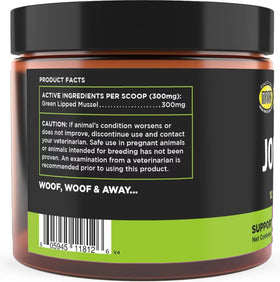


Build a feeding routine that works
A steady routine makes it easier to notice changes in appetite and helps household members feed consistently. Follow the label’s directions as a starting point, and measure portions with the same tool each time. If several people care for the pet, write down the serving and feeding times so a second meal is not accidentally added.
Keep clean water available and wash food and water bowls regularly. Store food as the package directs, close the container between servings, and keep the original label or a clear photo. The label can help you check ingredients, directions, lot details, and contact information if a question comes up. Follow any opening or refrigeration instructions for canned or fresh products.
When changing foods, ask your veterinarian whether a transition is appropriate and how to carry it out for your pet. A gradual transition is often easier to manage than an abrupt switch, but the right plan depends on the animal and the reason for the change. If your pet refuses food, seems unwell, or develops concerning signs during a change, contact your veterinarian rather than continuing to experiment.

How can you tell whether the plan is working?
Look at patterns over time rather than judging the diet by one meal. Notice whether your pet eats willingly, whether the usual routine is manageable, and whether body condition and energy seem stable for that individual. Keep a simple note of food type, portion, treats, appetite, and any changes you have observed. This record can make a veterinary conversation more concrete.
Body weight is only one part of the picture. Ask your veterinarian how to assess your pet’s body condition and what a healthy range means for that animal. A scale reading by itself cannot account for frame, muscle, age, or medical needs. If your pet’s weight changes unexpectedly, or if you notice a marked change in appetite or thirst, contact the veterinary team for guidance.
Treats and table scraps can affect the overall feeding plan. Keep track of extras, and ask your veterinarian how to fit them into your pet’s day. Ensure everyone in the household knows which foods are allowed, and keep unsafe human foods out of reach. If your pet eats something potentially harmful, contact a veterinarian or an animal poison helpline promptly instead of waiting for symptoms.
Quick Summary
Consistency helps you see what is normal for your pet. Track the food, measured servings, extras, and meaningful changes, then share that information with your veterinarian when you have questions.
Food is one part of a pet’s daily care
A feeding plan works alongside fresh water, activity, rest, and enrichment. Play is not a substitute for appropriate food, but a routine that includes interaction can support a more engaging day. For example, dog owners can consider a supervised game with a durable flying disc or an appropriate plush dog toy. Choose play suited to your dog, supervise use, and remove a toy if it becomes damaged. These are enrichment options, not nutrition products or a treatment for a health concern.
For households caring for several kinds of animals, keep food and supplies clearly separated. Feed dogs and cats their own species-appropriate diets, and prevent one pet from regularly eating another’s meal. Separate feeding areas can help, especially when one animal eats quickly or needs a different routine. If a pet repeatedly steals food or will not eat its own, discuss practical options with your veterinarian.
Hooves and Paws is a family-owned online retailer serving horse, dog, and cat owners. When you are also planning play and enrichment, you can compare a dog flying disc with soft squeaky toys for your dog’s preferences and play style. Check each product’s directions and supervise your pet. For food, use the package information and your veterinary team’s guidance to choose what suits the individual animal.
How can you manage food changes and storage?
Before buying a different food, identify what is prompting the change. You may be trying to match a new life stage, address a veterinarian’s recommendation, find a format your pet accepts, or respond to a product that is difficult to obtain. Those are different situations, so the best next step may differ too. If a medical issue or suspected food reaction is involved, ask your veterinarian before testing foods on your own.
When a change is appropriate, make a simple plan for the transition and keep other parts of the routine as steady as you can. Use the directions on the new food and any instructions from your veterinary team. Avoid switching several foods, treats, and supplements at once, because that can make it harder to tell what your pet is responding to. Keep a note of dates, amounts, and any changes in appetite or stool, and contact your veterinarian if you are concerned.
Check package condition and expiration information when you bring food home. Store dry food in a cool, dry place, with the bag closed or placed inside a clean, sealed container. Keeping the original packaging helps preserve product details and lot information. For canned or refrigerated food, follow the label’s instructions after opening, and discard food that has been stored improperly or appears spoiled. Clean bowls and food scoops regularly, and do not leave moist food out longer than the package or your veterinary team recommends.
If your pet eats less than expected, do not assume the food itself is the only cause. Changes in the home, feeding location, bowl, schedule, or access to another animal’s food can affect a meal. Check the basics, but do not delay veterinary advice for a sudden appetite change or other signs of illness. A brief record of the food, serving, and timing can help you explain the situation clearly.
When should you ask a veterinarian?
Ask your veterinarian before making a major diet change when your pet has a diagnosed condition, takes medication, is pregnant or nursing, is very young or old, or has a history of digestive problems or food reactions. Also check in if you are considering a diet marketed for a specific medical purpose. A diet label cannot establish a diagnosis, and a product is not automatically right for every animal with a similar concern.
Contact your veterinary team if your pet stops eating, has a sudden or lasting change in appetite, loses or gains weight unexpectedly, or shows other concerning changes. The urgency depends on the animal and what you observe. If you think your pet may have eaten a toxic food or substance, seek prompt professional advice rather than trying a home remedy.
Bring the food package or its label, your pet’s usual serving, a list of treats and supplements, and notes about symptoms or changes. Mention when the issue started and whether anything else changed in the household. This information can help the veterinary team decide what questions to ask and what next steps are appropriate.
Shop dog enrichment essentials today
Frequently Asked Questions
Can dogs and cats eat the same food?
No. Choose food labeled for the correct species. Dogs and cats have different nutritional needs, so do not use one pet’s food as the other’s main diet unless a veterinarian has given specific instructions.
How much should I feed my pet?
Use the package directions as a starting point, then ask your veterinarian how to adjust for your pet’s age, body condition, activity, and health. Measure portions consistently and avoid making large changes without guidance.
Should I change my pet’s food if it seems picky?
First consider whether the change is new, whether the food is fresh and stored as directed, and whether anything else in the routine has changed. A persistent appetite change or refusal to eat deserves a conversation with your veterinarian, particularly if other signs are present.
Are treats part of pet nutrition?
Treats contribute to what a pet eats, but they should not replace a complete main diet. Keep track of treats and extras, and ask your veterinarian how they fit into your pet’s individual feeding plan.
Do I need to give my pet a supplement?
Not every pet needs a supplement. Ask a veterinarian before adding one, especially if your pet has a health condition, takes medication, or already eats a diet selected for a particular need. Share the exact product label so the veterinary team can review it.
What should I do if my pet eats something unsafe?
Contact a veterinarian or an animal poison helpline promptly and provide the item, amount if known, and time it was eaten. Do not wait for symptoms or try to induce vomiting unless a professional directs you to do so.
Make feeding decisions with a clear plan
Choose food for the right species and life stage, follow the label as a starting point, and keep a steady record of portions and changes. When your pet’s needs are uncertain or health concerns arise, your veterinarian is the best partner for an individualized plan.


