


Puppy pads are absorbent indoor surfaces that can give a puppy a designated place to potty when outdoor trips are not practical. The right setup depends on your home, schedule, puppy, and long-term training plan. Choose a pad that fits the space, place it consistently, reward the behavior you want, and clean accidents promptly.
What are puppy pads, and when do they help?
A puppy pad is a disposable or reusable absorbent layer placed on a floor to mark an approved indoor potty spot. Many disposable versions combine a soft top sheet with absorbent material and a moisture-resistant backing. Reusable versions are usually fabric-like and need washing. Designs and materials vary, so check the product details instead of assuming every pad works the same way.
Pads can be useful when a young dog cannot yet reliably wait for the next outdoor trip, when someone lives in an apartment, or when weather or access makes frequent outings difficult. They may also provide a temporary option while a puppy learns a household routine. They are not a substitute for attention, supervised breaks, outdoor exercise, or cleaning.
Before buying, decide whether the pad is a temporary step or a continuing indoor toilet option. If the goal is outdoor toileting, the pad's location and use should support that transition. If the goal is an indoor spot, make the designated area easy to reach and maintain.
Puppy pads work best as one part of a consistent routine. Choose a defined location and decide from the start whether you are building toward outdoor toileting or maintaining an indoor potty area.
Which puppy pads should you compare?
Start with the area where the pad will sit and the way it will be used. A small pad may be easy to store but leave little margin for a puppy still learning where to stand. A larger surface can provide more coverage, but it needs a stable place where it will not block a doorway or create a tripping hazard.
| Option or feature | What to check | May suit | Trade-off to consider |
|---|---|---|---|
| Disposable pad | Dimensions, absorbent layers, backing, and disposal directions | Households that want a fresh pad without laundering | Creates recurring waste and requires replacement stock |
| Reusable pad | Wash instructions, drying needs, and whether the size fits your washer and space | Households comfortable with regular laundering | Needs cleaning and drying before it is ready to use again |
| Small footprint | Whether the puppy can stand and turn comfortably on the surface | A compact potty station or a small available area | Less room for error while a puppy is learning |
| Larger footprint | Available floor space and how securely the pad stays in place | More coverage around a designated spot | Can take up more room and may be harder to position discreetly |
| Adhesive or framed setup | Whether the pad can be secured without damaging the floor | Puppies that paw at loose edges | Not every floor or pad is compatible; check instructions |
Absorbency and leak resistance matter, but they are not the only measures of a useful pad. Look for clear dimensions, materials, care or disposal directions, and any warnings. Consider whether the top surface feels stable underfoot and whether the backing protects the floor where you plan to use it. A pad that slides or bunches can make the station confusing and messy.
When comparing product testing, read what was actually evaluated. Consumer Reports describes testing puppy pads for absorbency and tear resistance. Those are useful comparison points, but a test result does not tell you which size or setup fits your home. Use the Consumer Reports puppy pad test overview alongside the product's own specifications and your practical needs.
Shop This Post

Featured in this article
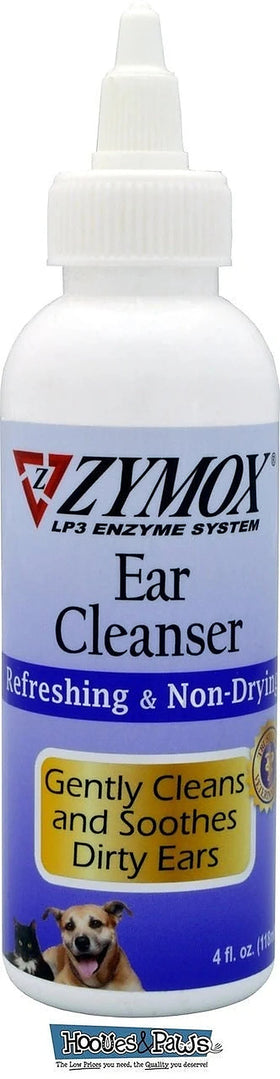
Zymox Otic Pet Ear Care with 0.5% Hydrocortisone - Enzymatic Ear Solution for Dogs & Cats - 1.25 oz
$22.49
Shop Now →
How do you set up a pad station?
Pick one quiet, reachable location with a washable or otherwise easy-to-clean floor. Keep it away from food and water bowls, bedding, and busy traffic paths. Avoid moving the pad from room to room while the puppy is learning. If you need to relocate it, shift the station gradually and supervise the puppy during the change.
Lay the pad flat and check that its edges do not curl. If the product includes a holder or gives placement instructions, follow them. Do not assume an adhesive strip is safe for every floor. Keep the potty spot away from electrical cords, cleaning products, and objects a puppy might chew.
Choose a size that leaves enough surface for the puppy to approach, turn, and settle. Observe what happens rather than relying on the printed dimensions alone. If the puppy regularly misses the edge, check whether the pad is too small, poorly placed, or difficult to reach. Adjust one thing at a time so you can tell whether the change helps.
Some puppies are attracted to the feel of a pad and may chew, dig, or carry it. Supervise early sessions and use a secure setup if needed. Remove a damaged pad promptly. If a puppy swallows part of a pad or shows concerning signs, contact a veterinarian for guidance.
Build a predictable potty routine
Take the puppy to the designated area at predictable moments, such as after waking, eating, drinking, active play, or a period of rest. Young puppies vary, and there is no single interval that fits every dog. Watch for individual signals such as sniffing, circling, or moving away from play, and offer a timely opportunity rather than waiting for an accident.
Give the puppy a little time to use the pad without turning the visit into a long play session. When the puppy goes in the right place, offer calm praise or a small reward promptly. A consistent cue can help, but use the same short phrase and pair it with the routine. Avoid scolding for an accident. Punishment can make a puppy anxious around toileting without teaching the desired location.
Keep a simple note of meals, water, sleep, successful pad visits, and accidents for several days. Patterns can help you anticipate when to offer a break and whether the station is accessible. If accidents cluster after a long gap, shorten the gap. If the puppy repeatedly avoids the pad, consider whether the location, surface, or approach is uncomfortable or distracting.
Rewards do not need to be elaborate. If treats are part of your training plan, choose an appropriate option and keep portions in mind. Hooves and Paws has a treats and chews collection to browse, but any reward should suit your puppy and should not replace a consistent schedule. Follow product directions and ask your veterinarian about food concerns.
The American Kennel Club explains pad and paper training as one option within a house-training routine. Its puppy potty pad training guidance can provide another perspective as you choose a method. Keep your plan steady enough for the puppy to recognize the designated spot.
Disposable or reusable pads: what is the difference?
Neither format is automatically right for every home. Disposable pads are convenient to replace, while reusable pads avoid throwing away a new pad each time but add laundry. Compare the full routine, not just the purchase itself. You will need a place to store clean pads, a plan for soiled ones, and a reliable way to keep the potty area sanitary.
- Choose disposable if easy replacement and no pad laundry are priorities. Confirm how often to change it and how to dispose of it.
- Choose reusable if you can wash and dry pads as directed and keep a clean spare available.
- Compare size and coverage before comparing packs. The number of pads in a package is less useful if each one is too small for the station.
- Review materials and care notes for sensitivities, floor compatibility, and cleaning requirements.
Do not leave a heavily soiled surface in place simply to reduce pad use. Prompt replacement or cleaning keeps the area more pleasant and helps you notice whether your puppy is using the intended location. Keep spare supplies somewhere the puppy cannot reach.
Clean accidents and maintain the area
Pick up a used disposable pad carefully and follow its disposal directions. For reusable pads, follow the care label and separate soiled items as appropriate for your household. Clean the floor beneath and around the station with a product suitable for that surface, following its label. Keep cleaning products out of reach and allow the area to dry before the puppy returns.
If an accident happens elsewhere, address it promptly. Blot or remove material first, then use a cleaner intended for the affected surface. Test a product in an inconspicuous spot if needed and follow the label. Avoid mixing cleaning products. Lingering odors can make it harder to keep a location distinct, so thorough cleanup matters.
Check the station daily for folded edges, leaks, chewing, or a pad that has shifted. Wash holders or surrounding surfaces as directed. Replace a damaged holder or pad rather than trying to patch it with materials the puppy could pull loose. A tidy, consistent station is easier to supervise and easier for a puppy to recognize.
How can you transition from pads to outdoor toileting?
If outdoor toileting is the goal, treat the pad as a temporary bridge rather than moving it unpredictably. Start by taking the puppy outside at the same routine moments when you would normally offer the pad. Praise and reward outdoor success. Keep supervision close indoors so the puppy still has a clear chance to succeed.
As outdoor success becomes more consistent, gradually reduce reliance on the indoor pad. Depending on the household, that may mean making the pad area smaller or moving it a short distance toward an exit before removing it. Make changes slowly enough to observe the puppy's response. If accidents increase, return to a manageable step and offer more timely outdoor breaks.
Some households need an indoor option for the long term. In that case, keep the pad station defined, clean, and consistently available. Avoid placing loose pads on rugs or near surfaces that feel similar, since that can make the permitted area less clear. Whichever plan you choose, consistency among household members matters.
Common mistakes that make pad training harder
- Moving the station frequently: A changing target can confuse a puppy. Keep it in one accessible place while the routine develops.
- Waiting for the puppy to ask: Early signals can be subtle. Offer scheduled opportunities and supervise between them.
- Choosing a pad that shifts: A loose or bunched surface may be less inviting and can lead to misses. Check the setup and use a compatible holder if appropriate.
- Leaving a soiled pad too long: Keep the potty area clean and replace or wash the pad according to its directions.
- Scolding accidents: Clean up calmly and adjust the routine, timing, or location. Reward the behavior you want to repeat.
- Changing the goal without a plan: Switching between indoor and outdoor expectations can make the target unclear. Decide what works for your household and make transitions gradual.
Useful additions for a puppy's daily routine
Puppy pads are only one part of a home setup. A calm rest area, supervision, safe play, and a consistent schedule also matter. While the puppy is not using the pad, a suitable toy or supervised activity can help structure quiet time. Hooves and Paws offers options such as Petlou squeaky plush dog toys and a Weaver Leather flying disc. These are separate play products, not potty-training tools, and any toy should be selected and used with the puppy's size and chewing habits in mind.
For a broader look at available dog and household animal supplies, browse the full store. Check each item's description for its intended use, materials, and care directions. No accessory can replace supervision or a training routine.
When should you ask for help?
Contact a veterinarian if toileting changes are sudden, the puppy seems unwell, or you have concerns about discomfort, unusual frequency, or accidents that persist despite a steady routine. A veterinarian can assess health questions that a pad guide cannot answer. If the puppy is healthy but the household is struggling to establish a routine, a qualified, reward-based trainer may help you adjust the setup and schedule.
Before asking for help, note when accidents occur, where the puppy goes, how often outdoor or pad opportunities are offered, and any recent changes at home. Share what you have already tried. A clear record can make it easier to identify whether the main challenge is timing, access, location, or consistency.
Choose a pad based on fit, absorbency, stability, and care needs. Keep it in one accessible spot, supervise the puppy, reward success, clean accidents promptly, and seek veterinary advice for health concerns or sudden changes.
Frequently Asked Questions
How many puppy pads should I put out?
Start with one clearly defined station in a location the puppy can reach. If the puppy repeatedly misses the surface, first review its size, placement, and stability. Adding pads throughout the home can make the intended potty area less clear.
How often should I change a puppy pad?
Replace a disposable pad when it is soiled, damaged, or no longer providing a clean surface, and follow the manufacturer's directions. Wash reusable pads as directed. Check the area regularly rather than relying on a fixed interval for every puppy and household.
Can puppy pads be used overnight?
They can provide an indoor option if that fits your plan, but they do not guarantee that a puppy can go all night without a break. Set up a safe, reachable station and consider the puppy's age, routine, and individual needs. Ask a veterinarian if you have concerns about overnight toileting.
Will puppy pads prevent accidents?
No pad can prevent every accident. Success depends on supervision, timely opportunities, a suitable location, and a routine the puppy can learn. If accidents continue, review those factors and consider professional guidance rather than blaming the puppy.
Should I use puppy pads if I want my dog to go outside?
You can use them temporarily if needed, but plan how you will shift the routine outdoors. Offer regular outdoor trips, reward outdoor success, and reduce the indoor option gradually as the puppy adjusts. Keep expectations consistent across everyone caring for the puppy.
What if my puppy chews or tears up the pad?
Supervise pad use, remove damaged material, and consider whether a compatible holder or a different setup can keep edges secure. Keep spare pads out of reach. If you think the puppy swallowed material or appears unwell, contact a veterinarian.
With a well-chosen pad, a stable location, and patient repetition, you can create a clearer potty routine that fits your home and your puppy's needs.


