


Training treats for dogs can make learning clearer, more engaging, and easier to repeat. The best choice is not necessarily the largest or most exciting snack. It is a treat your dog enjoys, can eat quickly, and can handle comfortably while you stay focused on the behavior you are teaching.
Contact us for help choosing dog supplies
What makes training treats for dogs a good choice?
A useful training treat supports the rhythm of a lesson. You ask for a behavior, your dog responds, and you reward the response within a moment or two. A treat that is easy to portion and swallow helps you repeat that pattern without long pauses.
Choose a small, appealing treat that your dog can eat quickly, that you can carry without mess, and that fits the total daily feeding plan.
Training rewards can be used for simple manners, handling practice, leash skills, recall exercises, and more advanced cues. They are one part of a broader positive-reinforcement routine. Your timing, consistency, and the difficulty of the exercise matter as much as the snack.
A review in Frontiers in Animal Science examines dog treats as a category and discusses their role in feeding and rewarding companion animals. That context is useful because a training reward is still part of your dog's overall food intake, even when each piece is small.
How should you choose a treat for training?
Start with the training situation, then compare the treat's size, texture, smell, ingredients, and portability. A treat that works at home may be too slow to use during a busy walk. Another that is ideal for a high-distraction setting may be too rich or exciting for quiet practice.
Size and portion control
For most lessons, a small reward is enough. You can use naturally small pieces or break larger treats into smaller portions before training begins. The right size depends on your dog's body size, the treat's texture, and how many repetitions you expect to complete.
Small portions let you reward often without turning every short lesson into a full snack. For a large dog, a tiny piece may be meaningful when delivered at the right time. For a small dog, even a small commercial treat may need to be divided. Watch the total amount rather than judging a treat by its label alone.
Texture and eating speed
Soft treats are often convenient for repeated practice because many dogs can chew them quickly. Crunchy treats can also work, especially when you want a more noticeable reward or are practicing a calm behavior between repetitions. The key question is whether your dog can finish the piece comfortably and return attention to you.
A hard or oversized piece may interrupt the lesson. A crumbly treat may leave pieces on the floor or in a pocket. If your dog tends to gulp, choose an appropriate size and supervise every session. Treats should never replace basic feeding and supervision habits.
Smell and motivation
Some dogs work happily for ordinary food rewards. Others need a more appealing option when the environment is distracting. You can keep a lower-value treat for easy behaviors and reserve a favorite option for difficult steps, new places, or especially calm responses.
Motivation is individual. A strong-smelling treat may be helpful outdoors, but it can also create frantic behavior in a dog who becomes overly excited. If your dog stops listening, jumps, or grabs, reduce the difficulty and consider using a smaller or less intense reward.
Ingredients and dietary fit
Read the ingredient panel and choose a product that fits your dog's established diet. Avoid introducing several new foods at once. When you try a new treat, offer a small amount and observe your dog for changes in digestion, skin, or behavior.
Dogs with known food sensitivities, allergies, medical conditions, or prescribed diets need an individualized plan. Ask your veterinarian before adding new treats or changing the usual food routine. This guide is general buying information, not a diagnosis or treatment plan.
Shop This Post

Featured in this article
Zymox Otic Pet Ear Care with 0.5% Hydrocortisone - Enzymatic Ear Solution for Dogs & Cats - 1.25 oz
$22.49
Shop Now →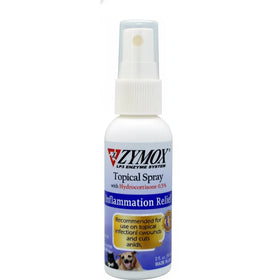
What types of training treats can you compare?
There is no single best format for every dog or every lesson. Compare the options below according to the behavior you are teaching, the setting, and how quickly your dog needs to return to the exercise.
Soft, small pieces
Useful qualities: Quick to portion and eat
Potential challenge: May be messy or less durable in heat
Good starting use: Repeated cues and indoor practice
Crunchy pieces
Useful qualities: Clear texture and easy storage
Potential challenge: May take longer to chew
Good starting use: Calm manners and simple cues
Breakable treats
Useful qualities: Flexible portion size
Potential challenge: Can crumble in a pocket or pouch
Good starting use: Long sessions with many rewards
High-value treats
Useful qualities: Can increase interest in distractions
Potential challenge: May cause overexcitement or add calories quickly
Good starting use: Recall, new environments, and difficult steps
Regular food portions
Useful qualities: Can fit within the daily meal plan
Potential challenge: May not be motivating in every setting
Good starting use: Routine practice and familiar behaviors
The table is a starting point, not a ranking. Your dog's response provides the most useful feedback. If a treat is ignored, try a different value or reduce the challenge. If your dog becomes frantic, make the exercise easier and lower the reward intensity.
How many treats should a dog get during training?
The answer depends on the dog's size, age, activity, health, regular food, and the number of rewards used. Treats should be included in the day's overall feeding plan rather than added without adjustment. Your veterinarian can help you determine an appropriate approach for a dog that needs weight management or has a health concern.
Before a session, estimate how many rewards you may use. Break them into small pieces, and stop when the planned practice is complete. If you need many repetitions, use smaller portions or part of the dog's usual meal when that is appropriate for your dog.
Keep a simple note for a few days. Record the type of treat, approximate amount, training time, and how your dog responded. This can reveal whether a treat is too filling, too distracting, or not motivating enough. It also helps you avoid adding extra food without noticing.
Use the smallest effective portion, count rewards as part of daily intake, and adjust the regular food plan only with guidance that fits your dog's needs.
How can you use treats without creating confusion?
Good reward habits make the lesson easier to understand. Decide what behavior earns the treat before you begin. Give the reward promptly after the desired action, then pause before asking for the next repetition.
- Prepare first. Place a measured amount in a pouch or container. Keep the rest out of reach.
- Start with an achievable step. Reward the behavior your dog can perform now, not the finished version you hope to see later.
- Mark the moment. Use a consistent word or signal, then deliver the treat.
- Change one factor at a time. Increase distance, duration, distraction, or difficulty gradually.
- Fade constant food rewards. As a behavior becomes reliable, vary the rewards while continuing to praise and reinforce the response.
Fading does not mean stopping all reinforcement suddenly. If a behavior weakens, return to more frequent rewards and make the exercise easier. The goal is a dog that understands the cue and remains willing to respond, not a dog that feels uncertain about when success will be recognized.
For everyday dog care, you can also review the dog health essentials collection and select supplies that fit your household's routine. Keep food rewards separate from toys, medications, and other products so every item has a clear purpose.
Where should you store and carry dog treats?
Storage affects freshness, cleanliness, and convenience. Keep treats in their original packaging when practical, follow the package directions, and use a clean, closable container for a training session. Do not leave food in direct sun or in a hot vehicle.
A washable training pouch can keep rewards close during a lesson. If you use a pocket, check it afterward for crumbs and wash clothing as needed. Carry only the amount you expect to use, especially outdoors, so the rest stays protected. After practice, a comfortable rest area such as a dog camp bed can help keep the routine organized.
At home, store treats where dogs cannot open the container themselves. A dog that finds a large supply may eat too much at once or damage the packaging. Keep children involved in training only with age-appropriate supervision and clear instructions.

How do safety and hygiene fit into treat training?
Supervise your dog while eating any treat. Choose a size and texture that make sense for the individual dog, and do not give a treat that is damaged, spoiled, or difficult for the dog to handle. If your dog coughs, struggles, or shows an unusual response, stop the session and seek appropriate professional guidance.
Wash your hands before and after handling food. Clean treat pouches regularly, especially if soft treats leave residue. Give rewards in a calm area when possible, and separate dogs that compete over food. Even friendly dogs may guard especially valuable treats.
Use separate containers for different animals. Dogs should not be given products intended for another species unless a qualified professional has confirmed that they are suitable. Keep all food products away from children and animals that might open cabinets or bags.
Training rewards should complement, not replace, exercise, rest, play, and a balanced feeding routine. For enrichment after a lesson, browse interactive pet toys and enrichment options, choosing products designed for your animal and supervising use as appropriate.
What common mistakes should you avoid?
- Using pieces that are too large. Large rewards slow the lesson and may add more food than intended.
- Changing the reward and the lesson together. If the dog struggles, change one variable so you know what helped.
- Rewarding after a delay. A late treat can reinforce the wrong action. Improve timing by keeping the reward ready.
- Using high-value food for every cue. Save especially exciting rewards for challenges so ordinary practice remains manageable.
- Ignoring the environment. A dog may need a different reward or shorter session outdoors than at home.
- Forgetting the daily total. Count training food along with meals and other snacks.
- Leaving food within reach. Secure storage prevents unsupervised eating and protects freshness.
When a session is not going well, do not assume your dog is being stubborn. The cue may be unclear, the environment may be too difficult, or the reward may not fit the situation. Lower the challenge, improve your timing, and end on a successful repetition.
How can you build a practical training treat routine?
A simple routine is easier to maintain than a complicated one. Choose one or two behaviors, prepare a measured portion, and practice for a short period. Reward the response you want, then give your dog a break.
For puppies and young dogs, short sessions with simple steps can help keep attention. For older dogs, allow comfortable movement and avoid making food the only form of engagement. For dogs that are nervous, give extra space and use rewards to support calm choices rather than forcing interaction.
Families can use the same cue words and reward rules. Decide who will deliver treats, how much can be used, and when a session ends. Consistency helps the dog understand what earns reinforcement, while a shared plan helps the household track food.
Hooves and Paws is a family-owned online retailer serving horse, dog, and cat owners with handpicked supplies and practical guidance. When you compare products, prioritize fit, intended use, clear care instructions, and a seller that can help you make an informed choice. The store offers free continental U.S. shipping with no minimums and a 365-day satisfaction guarantee, according to the customer information provided for this guide.
For more ways to support an active dog, you can compare durable options such as the Weaver Leather Terrain D.O.G. flying disc. A toy is not a substitute for training food, but alternating rewards can help keep sessions varied and purposeful.
Shop dog care essentials today
Frequently Asked Questions
What are the best training treats for dogs?
The best option is a small, appealing treat that your dog can eat comfortably and quickly. Choose a format that fits the setting, read the ingredients, and select a portion that works within the dog's daily feeding plan.
Can I use my dog's regular food as a training reward?
Sometimes. Regular food can work for familiar behaviors and low-distraction practice, especially when portions are measured as part of the daily meal. If your dog needs a special diet, ask your veterinarian before changing the routine.
Should training treats be soft or crunchy?
Either can work. Soft pieces are often convenient for repeated cues, while crunchy pieces may suit slower, calmer practice. Choose the texture your dog handles safely and can finish without losing focus.
How small should a training treat be?
Use the smallest portion that still matters to your dog. The correct size depends on the dog's body size, the treat, and the number of repetitions. Break larger pieces before training and count the total amount used.
Can treats cause a dog to gain too much weight?
They can add to daily food intake when portions are not considered. Measure rewards, use smaller pieces, and discuss an appropriate plan with your veterinarian if your dog has weight, dietary, or health concerns.
How should I introduce a new training treat?
Offer a small amount during a low-pressure session and observe your dog. Avoid introducing several new foods at once. Stop using the treat and seek professional advice if you notice a concerning reaction.
With thoughtful portions, clear timing, and a treat that suits your dog's needs, training can become a positive daily routine that supports communication and shared trust.


