

Slow Feed Hay Nets & Bags
Filter and sort
9 products
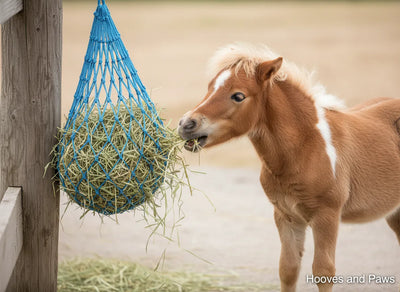
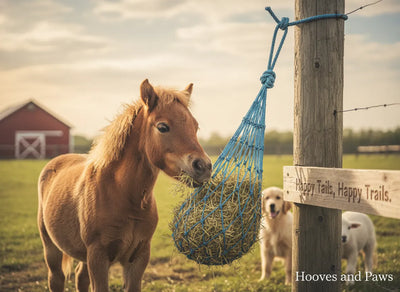
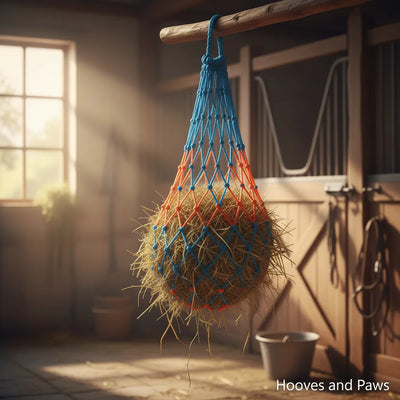
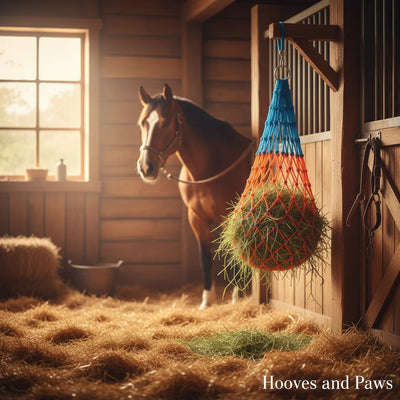

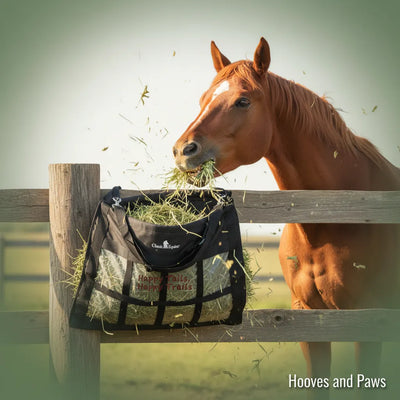

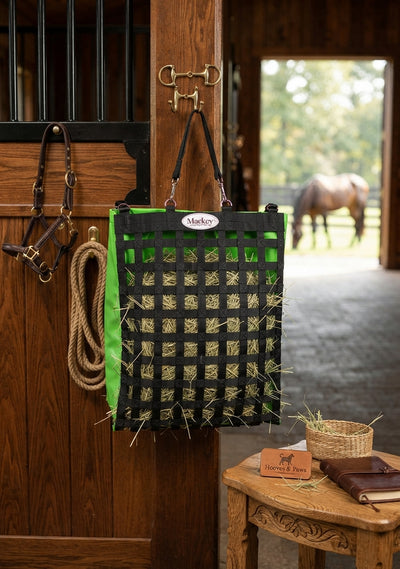

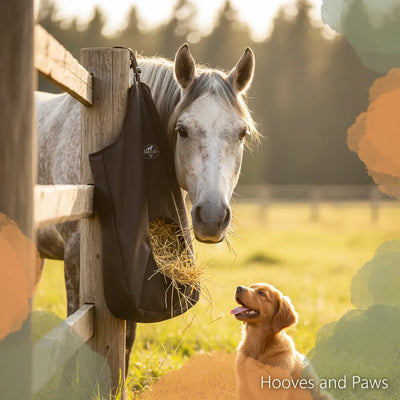

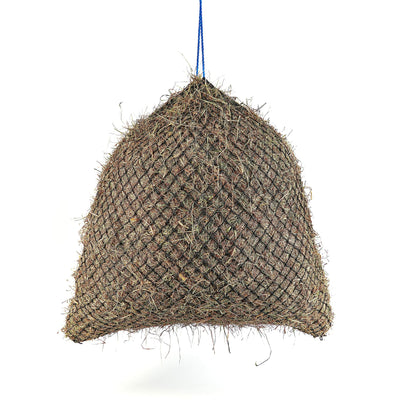

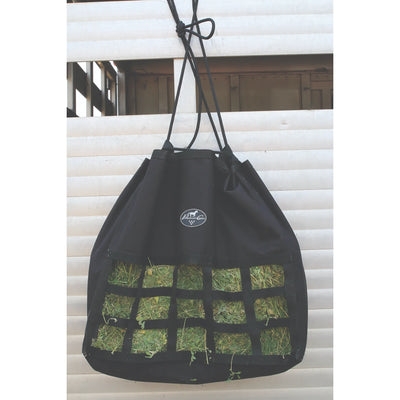

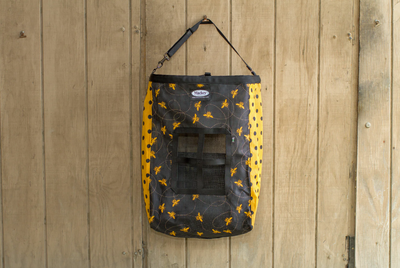

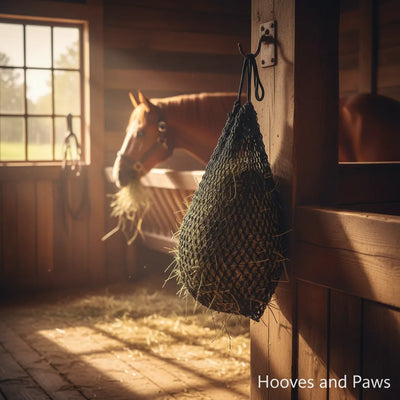
A slow feeder buys you time, and time is the whole point: a horse that empties a net in forty minutes spends the other twenty-three hours standing on an empty stomach. The catch is that the smaller you make the holes, the closer you get to a horse who quits trying, and there is a real safety question underneath all of it if your horse wears shoes.
What Riders Are Actually Asking
What hole size should I start with?
Two inches is the sensible starting point for most horses, and it is the size you will find on the standard heavy-duty nets. Move down to 1.5 or 1.25 inches only after you have watched a horse eat calmly from a two-inch net for a couple of weeks. One-inch mesh exists and works well for a laminitic pony or a hard-keeping easy keeper, but it is a big jump. The one hard rule worth memorizing: never use a mesh opening bigger than the horse's hoof, because that is exactly the gap a foot fits through.
Is a hay net safe for a shod horse?
This is the real argument, and the cautious answer is the right one. The back edge of a shoe, especially a worn shoe with a gap at the heel or one with caulks, can hook a net cord, and owners on the forums describe cutting shoes free of nets. Never lay a net on the ground for a shod horse, and never hang one low enough that a pawing foot reaches it. Hang it tight to its attachment point with no slack rope, above strike height, and check it empty as well as full, since an empty net drops several inches lower than a stuffed one.
How high should I hang it?
This is a genuine tradeoff with no perfect answer. Low feeding matches the natural grazing posture, helps the airway drain and keeps chaff out of the eyes, but it puts the net in reach of feet. High feeding is safer for shod horses and keeps hay off a muddy floor, while raining seed and dust into the face. The usual compromise is chest height, measured with the net empty, and a bag with a solid back panel rather than an open net if you must hang it high in a trailer.
Will small holes frustrate my horse or wear his teeth?
Frustration is common and easy to see. A horse who paws, flips the net, or walks away and stands with his ears flat is telling you the hole size is wrong for his patience, not that he needs to try harder. Tooth wear is the more debated part. Reports of scraped or flattened incisor edges come from horses using their teeth rather than their lips to pull hay, and the evidence is largely observational. The practical check costs nothing: lift the lip once a month and look at the front teeth for a flattened, polished edge.
Net or bag: which one for the trailer?
A bag with a solid back and a top-load opening is the better trailer tool. It does not swing into the horse on corners, it keeps hay off the floor, and the closed back stops chaff blowing back at the following car. Nets hold more hay for the space they take and are cheaper to replace, which is why they win in the stall and on the fence line. Capacity is worth checking honestly: most hanging bags take two or three flakes, while a full-size heavy net will swallow fourteen pounds or more.
How to Choose the Right Hay Net
- Start at two inches: It slows most horses down without teaching them to give up. Step down to 1.5 or 1.25 only after you have watched them eat.
- Never go wider than a hoof: A mesh opening larger than the foot is the one failure mode that hurts. This rule matters far more than brand.
- Hang it tight, not on a loop: Slack rope and a low net are what catch shoes and halters. Fix the top of the net directly to its point with no drop.
- Match capacity to the gap you are filling: Two or three flakes gets a horse through an evening. Overnight or all-day turnout needs a full-size net, not a trailer bag.
- Own two and rotate: Wet hay bags mildew and cord nets stiffen. One hanging and one drying keeps both usable for years.
What This Page Is Not For
This page is hanging nets and bags. It does not cover barrel-style ground feeders, round bale nets, mangers, hay racks or wall feeders, and it is not a nutrition page. If your horse needs less hay rather than slower hay, a smaller mesh is not the fix and your vet or a nutritionist is the right call.
Brands Riders Trust
Shires carries the widest spread of hole sizes here, from the two-inch Premium haynet down to the 1.25-inch Greedy Feeder for ponies that need it. Professional's Choice does the trailer end well, with scratchless and top-load bags plus a one-inch mesh net. Classic Equine makes the heavy topload western bag. Mackey builds high-denier hanging bags in 1.5-inch mesh, and the Shires Heavy Duty 40-inch net tops the range at 2.25-inch openings for horses that only need gentle slowing.
Everything on this page sits in an American warehouse and ships in two days, backed by the 365-day guarantee. Happy Tails, Happy Trails.
