


More riders are discovering a simple truth: a softer approach often leads to a more willing partner. If you're searching for a more responsive and harmonious connection, you're not alone. This growing desire for gentle, effective communication is why so many are exploring the bitless bridle. It completely changes the conversation with your horse. By removing pressure from the mouth, it allows for clearer cues and a more relaxed ride, strengthening trust and improving equine welfare. It's a powerful tool for building a better partnership.
In this comprehensive guide, you will discover the essentials of bitless bridles. We will explore their fascinating evolution, the different types and how they work, and the many benefits they offer both horse and rider.
You will also learn how to choose and fit the right bridle, transition smoothly, and apply the latest best practices for gentle riding. Ready to make a positive change for you and your horse? Let’s begin.
The Rise of the Bitless Bridle: A Modern Evolution
Throughout equestrian history, the bitless bridle has played a significant role in how humans connect with horses. Its journey from ancient traditions to modern-day innovation reveals a story of empathy, ingenuity, and progress. Let us explore how the bitless bridle has evolved to become a symbol of gentle, effective horsemanship in 2025.
Where Did Bitless Riding Begin?
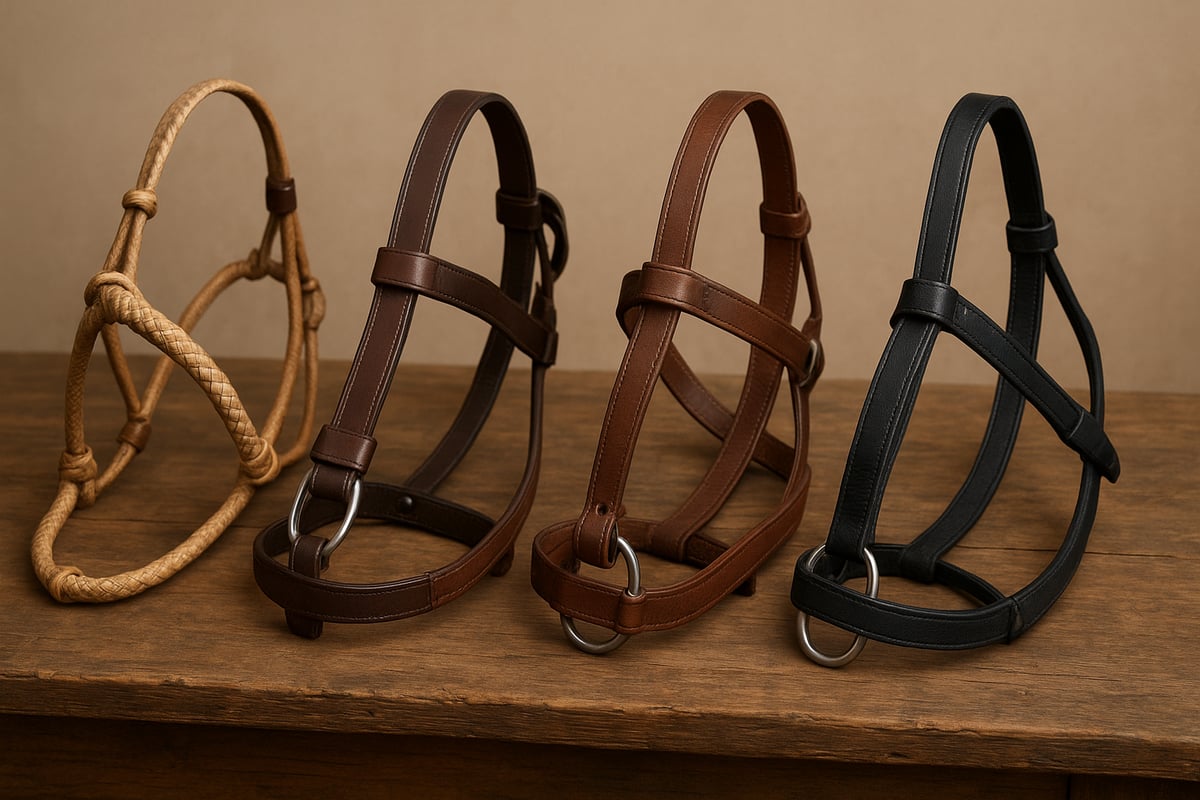
Long before the widespread use of metal bits, horsemen in diverse cultures relied on bitless bridle designs. Native American riders, for example, favored simple rawhide bosals and rope halters to communicate with their mounts. Spanish vaqueros developed the hackamore, using a braided noseband and mecate reins, to refine their horses’ responses.
Early forms like the sidepull and bosal hackamore set the foundation for today’s bitless bridle. These tools worked by applying gentle pressure to the horse’s nose and jaw, encouraging cooperation rather than force. For a deeper look at one of these origins, see Bosal hackamore basics.
Shifts in equestrian philosophy, especially in the 20th century, brought renewed attention to horse welfare. Riders began to recognize that a bitless bridle could offer a more humane alternative for sensitive horses or those with oral injuries.
Why More Riders Are Going Bitless Today
By the early 2000s, the bitless bridle gained momentum as riders sought kinder ways to communicate. Trainers and advocates, such as Justin Dunn, championed the use of bitless bridles across disciplines. Their efforts helped dispel myths that control or refinement was only possible with a bit.
Today, the bitless bridle is not limited to Western riding. English riders, eventers, and trail enthusiasts have embraced it for its ability to foster trust and clear communication. Increased awareness of equine comfort has fueled this movement, with many riders reporting happier, more responsive horses after making the switch.
The modern bitless bridle movement also emphasizes education. Clinics, articles, and online communities provide support for those interested in transitioning, ensuring that both horse and rider benefit from this gentler approach.
How New Materials Are Changing Bridle Design
Innovation has transformed the bitless bridle from basic rawhide to a piece of precision tack. High-quality leathers, such as Hermann Oak harness leather, offer durability and a refined feel. Synthetic materials provide lightweight, weather-resistant alternatives for riders in all climates.
Advancements in noseband design focus on even pressure distribution, reducing the risk of discomfort or injury. Modern bitless bridle models feature strategically placed knots, padding, and ergonomic shapes to suit a variety of horse head shapes.
Hardware has also improved, with non rust stainless steel buckles and rings ensuring longevity and safety. These developments have made the bitless bridle more reliable and accessible, supporting its growing popularity.
Changing Attitudes and Competition Rules
In recent years, the bitless bridle has gained acceptance in both competitive and recreational spheres. Equestrian associations have updated rules to allow bitless options in certain events, reflecting a broader shift toward horse welfare.
Consumer trends highlight this change. Sales of bitless bridles have surged, and models like the Justin Dunn Bitless Bridle consistently earn high ratings, with users praising comfort and effectiveness.
Societal attitudes now favor gentle, horse-centered training methods. This shift is evident in the growing number of clinics, educational resources, and social media groups dedicated to bitless riding. Regulatory updates continue to pave the way for broader adoption.
What's Next for Bitless Riding?
By 2025, the bitless bridle is a mainstream choice, available from leading tack retailers in a diverse range of styles and materials. Ongoing research into equine biomechanics informs new designs, ensuring that each bitless bridle supports gentle, effective communication.
Riders across disciplines share success stories, from dressage rings to rugged trails. Notable examples include competitive horses thriving with bitless bridles and recreational riders achieving deeper bonds with their partners.
The bitless bridle’s evolution reflects a growing commitment to horse welfare, innovation, and a more empathetic approach to riding. As its popularity continues to rise, it stands as a testament to progress in the equestrian world.
How Do Bitless Bridles Work? A Guide to Types & Mechanics
Choosing the right bitless bridle style is essential for both horse comfort and rider control. With the growing popularity of bitless bridles, understanding the variety of designs and their mechanics is the first step toward a gentle, effective partnership.
Your Guide to the Different Bitless Bridle Styles
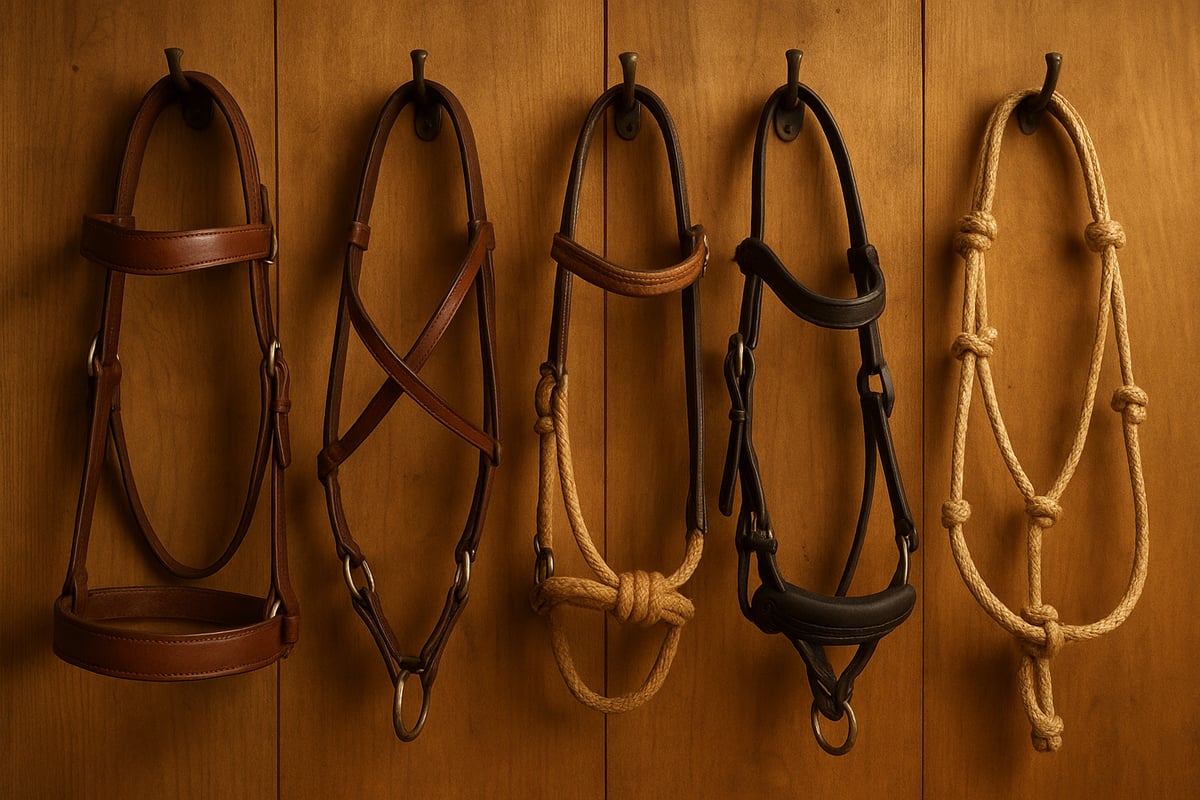
There are several major bitless bridle styles, each suited to different needs. The sidepull is valued for its direct, gentle control, making it popular for trail riding and groundwork. Crossunder designs, such as the Dr. Cook style, distribute pressure under the jaw and poll, offering clear communication without a mouthpiece.
Bosal hackamores are rooted in Western tradition. They use a rawhide noseband and are favored in training young horses. Mechanical hackamores apply leverage action, which increases control but requires experienced hands. Rope halters and hybrid bridles, like those with strategic knots, offer versatility for training and everyday riding.
| Bridle Type | Action Mechanism | Common Use |
|---|---|---|
| Sidepull | Direct pressure | Trail, training |
| Crossunder | Jaw/poll pressure | Versatile |
| Bosal Hackamore | Nose pressure | Western, young |
| Mechanical Hackamore | Leverage, nose/chin | Advanced control |
| Rope Halter/Hybrid | Knots, direct | Groundwork, varied |
Selecting the right bitless bridle style depends on your horse's training and your discipline.
Sidepull Bridles
Think of the sidepull as the most straightforward bitless option. It functions much like a well-fitted halter, applying direct pressure to the side of your horse’s nose when you pull a rein. This simple, one-to-one action makes it incredibly intuitive for both horse and rider, especially for those transitioning from a bitted bridle. Because of their direct, gentle control, sidepulls are a fantastic choice for starting young horses, trail riding, or general pleasure riding. They encourage a natural head carriage and are perfect for building a foundation of trust and communication without introducing the complexity of leverage or more intricate pressure systems.
Mechanical Hackamores
A mechanical hackamore operates on a system of leverage, which sets it apart from other bitless styles. It features shanks—metal bars on either side of the horse’s nose—that amplify rein pressure on the nose, chin groove, and poll. While this design can offer significant stopping power, it’s crucial to understand that it requires very experienced and gentle hands. In the wrong hands, a mechanical hackamore can be quite severe. It’s most commonly seen in speed events or on well-trained horses where a rider needs more control, but it is not a tool for correcting training issues or for inexperienced riders.
Cross-Under Bridles
The cross-under bridle, often associated with the Dr. Cook style, offers a unique approach to communication. When you apply rein pressure, straps that cross underneath the horse’s jaw gently tighten around the entire head. This design distributes pressure broadly across the nose, jaw, and poll area, creating a sensation more like a comforting hug than a sharp cue. This whole-head signal makes it very clear to the horse what you’re asking for, whether it’s a turn or a slowdown. Many riders find this style promotes relaxation and is effective for horses that may be sensitive to more concentrated pressure points.
Bosals
Rooted deep in Western and vaquero tradition, the bosal is a classic tool for training young horses. It consists of a braided rawhide noseband (the bosal itself) that is carefully balanced to signal the horse through slight shifts in pressure on the nose and jaw. Used with a traditional mecate rein, the bosal is part of a sophisticated system designed to develop a light, responsive horse that eventually graduates to riding in a bit. Using a bosal correctly requires a great deal of feel and knowledge, as it’s a nuanced tool for shaping a horse’s understanding from the very beginning of their training journey.
Hackamore vs. Other Bitless Styles
The term "hackamore" can be a bit confusing, as it's often used to describe different types of bitless bridles. The key difference lies in how pressure is applied. A mechanical hackamore uses leverage from its shanks to concentrate pressure on the nose, chin, and poll. In contrast, other bitless styles distribute pressure differently. A sidepull uses direct, lateral pressure on the nose, while a cross-under design applies gentle, encompassing pressure around the entire head. Understanding where and how a bridle communicates with your horse is essential for choosing the right piece of tack for your specific needs and goals.
Pressure and Release: The Language of a Bitless Bridle
A bitless bridle uses pressure and release as its core communication method. Instead of acting on the sensitive tissues of the mouth, these bridles apply gentle cues to the nose, jaw, poll, or cheeks. Horses learn to respond by yielding to pressure and seeking release, which many riders find encourages more relaxed, natural movement.
Key contact points vary by design. Sidepulls act mainly on the nose and cheeks, while crossunder styles engage the poll and jaw. This difference influences how the horse interprets rein aids. Compared to bitted bridles, bitless bridles avoid oral discomfort, often resulting in calmer, more willing responses.
A Preliminary study on bitless bridles found that horses showed reduced conflict behaviors when ridden in a crossunder bitless bridle versus a traditional snaffle bit, highlighting the welfare benefits for many horses.
Getting the Perfect Fit: Key Adjustment Features
Proper fit is crucial for any bitless bridle to ensure safety and effective communication. Adjustable nosebands, cheekpieces, and crownpieces allow customization for different head shapes and sizes. A well-fitted bridle should be snug but not tight, sitting above the nasal cartilage and away from the eyes.
Materials also play a role. Leather offers durability and comfort, while rope or synthetic options are lightweight and easy to clean. Some designs include padding or strategically placed knots for enhanced pressure distribution or clearer cues.
When fitting a bitless bridle, check for even contact and ensure no part rubs or pinches. Regular adjustments may be needed as the bridle settles or as your horse changes condition.
Is a Bitless Bridle Right for Your Horse?
Choosing a suitable bitless bridle involves matching the design to your horse's temperament, experience, and discipline. For sensitive horses or those new to bitless riding, a sidepull or padded crossunder may be ideal. More assertive horses or advanced riders might prefer a mechanical hackamore, though these require skillful handling to avoid excessive pressure.
Misuse or poor fit can lead to discomfort or confusion. Real-world feedback, such as users noting fit challenges with certain models, underscores the importance of regular checks and thoughtful selection.
Always observe your horse for signs of rubbing, resistance, or behavioral changes when introducing a new bitless bridle, and consult a knowledgeable trainer if issues arise.
How to Pick the Perfect Bitless Bridle
Selecting the ideal bitless bridle requires considering your horse’s training level, head conformation, and your riding goals. Trialing multiple styles, if possible, helps identify what works best for both you and your horse. Seek input from trainers or riders experienced with various bitless designs.
Key factors include the type of riding you do, your horse’s past experiences, and your own handling preferences. Some riders keep several bitless bridles for different horses or disciplines, adjusting as needed for comfort and performance.
By understanding your options and listening to your horse’s feedback, you can find a bitless bridle that supports gentle, effective communication and a positive riding experience.
Shop This Post

Featured in this article
AV Bob Avila Double Ring Snaffle Horse Bit - Sweet Iron Mouthpiece, 3" Rings - Multiple Sizes
$165.00
Shop Now →

Why Go Bitless? Benefits for Horse and Rider
Choosing a bitless bridle is more than a trend; it is a thoughtful decision that can transform the relationship between horse and rider. Understanding the unique advantages of this equipment helps riders make compassionate, effective choices for their equine partners.

Give Your Horse Relief: The Comfort of Bitless
A primary benefit of the bitless bridle is the significant improvement in horse comfort and overall welfare. Removing the bit from the horse’s mouth eliminates the risk of oral pain, mouth injuries, and discomfort caused by metal or synthetic bits. Horses ridden in a bitless bridle often show reduced signs of stress, including less head tossing and jaw tension.
Clinical studies have demonstrated that horses experience lower stress indicators and fewer oral injuries when using a bitless bridle. For those interested in the science behind these outcomes, bitless bridles and horse welfare offers a thorough review of research on the welfare impact of bitless options. Riders who prioritize their horse’s comfort frequently report calmer, happier horses and more enjoyable rides.
Sharpen Your Cues for Better Responsiveness
Using a bitless bridle encourages clearer, more natural communication between horse and rider. Unlike traditional bitted bridles, which work through pressure in the mouth, a bitless bridle distributes gentle pressure across the nose, jaw, and poll. This setup allows the horse to respond to subtle cues and release of pressure, fostering a more responsive partnership.
Many riders notice that their horses move with a more relaxed head and neck, free from the constraints of a bit. For example, bitless models like the Justin Dunn design use strategically placed knots to deliver precise, humane pressure cues. The result is a horse that willingly “gives to pressure,” making each ride smoother and more intuitive.
A Gentle Option for Sensitive Horses
The bitless bridle is an excellent solution for horses with sensitive mouths, dental issues, or a history of bit aversion. Horses recovering from mouth injuries, young horses in training, and those with anatomical challenges often benefit from the gentle action of a bitless bridle.
Case studies show that horses who previously resisted bitted bridles often thrive after switching to bitless. Owners report improved willingness, fewer behavioral issues, and a renewed sense of trust. This makes the bitless bridle a valuable option for horses who cannot tolerate traditional tack.
Improved Focus for a Happier Horse
A bitless bridle can significantly enhance your horse's focus by removing a major source of distraction: mouth pain. Instead of concentrating on a piece of metal in its mouth, your horse can tune into your subtle cues. These bridles work by distributing gentle, clear pressure across the nose, jaw, and poll. This approach fosters a more natural and responsive communication channel between you and your horse. When your horse isn't bracing against discomfort, they become a more willing and attentive partner, leading to a more focused and enjoyable ride for both of you.
A Great Starting Point for Young Horses
Introducing a young horse to tack is a critical step in their training, and a bitless bridle offers a gentle start. For a green horse, a bit can be a confusing and uncomfortable experience, potentially creating negative associations with riding from day one. A bitless bridle, on the other hand, teaches them to respond to pressure on their head without causing oral discomfort. This method helps build a foundation of trust and willingness, making it an excellent choice for horses with sensitive mouths or those just beginning their under-saddle journey. It sets the stage for a positive relationship with their riding equipment.
A Tool for Retraining and Building Confidence
For horses with a history of bit aversion or dental problems, a bitless bridle can be a game-changer. Many behavioral issues, like head tossing or resistance, stem from pain or fear associated with a bit. By removing that trigger, you create an opportunity to retrain and rebuild trust. Owners often report a dramatic improvement in their horse's willingness and a decrease in problematic behaviors after making the switch. A bitless bridle allows you to communicate without causing distress, helping your horse become a more confident and reliable partner once again.
Better Stopping Power and Control
It’s a common myth that you need a bit for control, but a bitless bridle can actually provide better stopping power. A horse fighting against painful bit pressure is often harder to manage than one responding to clear, comfortable cues. Bitless designs encourage a horse to yield to pressure rather than brace against it. Models that use strategically placed knots or specific noseband shapes deliver precise signals, teaching the horse to respond softly and willingly. This results in a more reliable and intuitive stop, proving that true control comes from clear communication, not force.
How Bitless Riding Can Improve Your Confidence
Transitioning to a bitless bridle often leads to increased rider confidence and skill. Without the bit, riders are encouraged to use lighter hands and more refined aids, which promotes better balance and communication. This not only benefits the horse but also helps riders develop a softer, more empathetic riding style.
Testimonials from equestrians who have made the switch to a bitless bridle frequently mention greater trust and connection with their horses. Building this partnership can transform the riding experience, making it safer and more rewarding for both horse and rider.
From Trails to Arenas: Where You Can Ride Bitless
The bitless bridle is no longer limited to trail riding or leisure activities. Today, it is widely accepted in various equestrian disciplines, including endurance, dressage, and Western riding. Many equestrian organizations are updating their rules, allowing the use of bitless bridles in competitions.
Market data reflects this growing acceptance, with major retailers expanding their selection of bitless options. Riders appreciate the flexibility to use a bitless bridle in multiple settings, further supporting its place as a versatile and practical choice for modern equestrians.
Is a Bitless Bridle Always the Best Choice?
While bitless bridles offer incredible benefits for many horses and riders, they aren't a universal fix for every situation. The decision to go bitless, and which style to choose, requires careful thought about your specific goals, your horse's needs, and your riding discipline. A bitless bridle is a fantastic tool, but like any piece of equipment, its effectiveness depends on how and when it's used. It’s about finding the right communication tool for your unique partnership, not just adopting a one-size-fits-all solution that may not be the best fit for you.
Before making the switch, it’s important to have a balanced perspective. Understanding the potential limitations can help you make an informed choice that sets both you and your horse up for success. From competition rules to the nuances of rider skill, several factors can influence whether a bitless bridle is the ideal option. Considering these points ensures you’re choosing tack that truly supports your journey together, whether you're exploring trails or training in the arena. At Hooves and Paws, we believe in providing a full range of quality horse tack to meet every need.
Competition Rules and Restrictions
If you plan to compete, one of the first things to check is your discipline's rulebook. Many equestrian organizations have specific regulations regarding tack, and bitless bridles are not always permitted. For instance, they are often prohibited in disciplines that place a high value on traditional presentation, such as dressage, hunter classes, and English pleasure. However, they are much more common and widely accepted in events like trail riding, endurance, jumping, and cross-country. Always verify the rules for your specific association to avoid any surprises on show day and ensure your equipment is compliant.
Why They Might Not Be for Beginners
A bitless bridle might seem like a gentler starting point, but it can sometimes present a challenge for novice riders. Because many bitless designs are milder, a beginner might not feel the immediate feedback from their rein aids. This can make it harder to develop "soft hands," as a rider may inadvertently use too much pressure without realizing it. Learning to communicate with light, precise cues is a foundational skill, and the subtle resistance of a traditional snaffle bit can sometimes provide a clearer lesson in the art of pressure and release for someone just starting out on their equestrian journey.
Challenges in Advanced Riding
For riders pursuing upper levels of certain disciplines, a bit can offer a degree of refinement that is difficult to replicate with a bitless bridle. The subtle, direct communication through a bit allows an experienced rider to influence the horse’s balance and posture with minimal movement. This level of finesse is essential for the complex and precise movements required in high-level dressage or other precision-focused sports. While a skilled rider can achieve great things in a bitless bridle, the specific mechanics of a bit are sometimes necessary for that final layer of nuanced communication and performance.
Not a One-Size-Fits-All Solution
The term "bitless bridle" covers a wide range of designs, each functioning differently. A sidepull applies direct pressure to the nose, while a cross-under design distributes pressure across the poll and jaw, and a mechanical hackamore introduces leverage. A horse that responds beautifully to one style may dislike another. Choosing the right bitless bridle requires matching the design to your horse's temperament, training level, and facial structure. It’s not enough to simply remove the bit; you have to find the specific bitless system that creates the clearest and most comfortable communication for your individual horse.
The Myth of "Always Kinder"
Perhaps the biggest misconception is that any bitless bridle is automatically kinder than any bitted bridle. The truth is, the rider's hands determine how gentle any piece of equipment is. Some bitless designs, particularly mechanical hackamores, can be quite severe if used with rough or inexperienced hands. Even a simple sidepull can cause discomfort or rub sores if it fits poorly or is used harshly. The goal should always be empathetic and skillful riding, which is more about the rider's approach than the specific tack on the horse's head.
How to Choose and Correctly Fit a Bitless Bridle
Selecting the right bitless bridle is essential for your horse’s comfort and your riding success. The process involves understanding your horse’s unique needs, taking accurate measurements, evaluating bridle features, fitting properly, and maintaining safety. Let’s break down each step for a confident and effective transition to bitless riding.
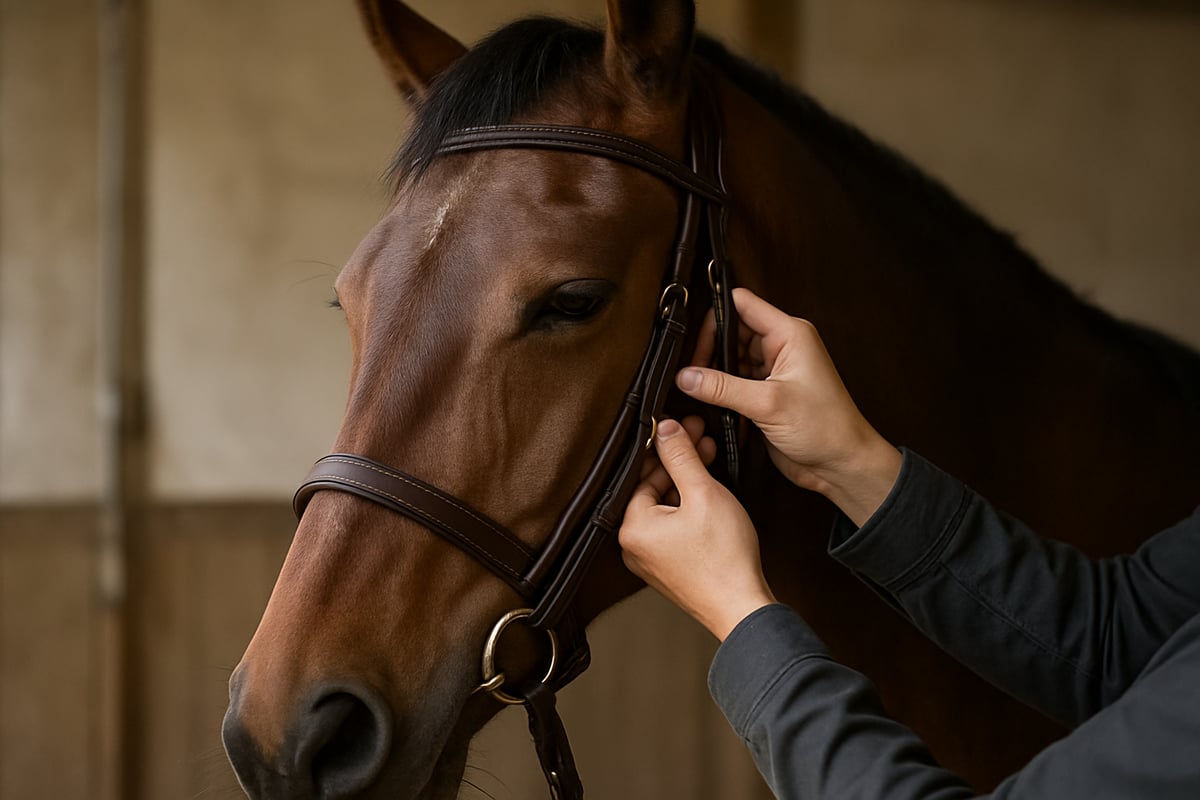
What Does Your Horse Need in a Bridle?
Before choosing a bitless bridle, consider your horse’s individual characteristics. Observe head shape, ear placement, and sensitivity around the face. Horses with pronounced cheekbones or delicate muzzles may require specific designs for optimal fit.
Watch for behavioral cues such as head tossing, resistance, or signs of discomfort with traditional bridles. Consulting with a knowledgeable trainer or veterinarian can help identify any anatomical or behavioral factors that may influence your choice.
This careful assessment ensures the bitless bridle supports your horse’s comfort and communication. Matching the bridle to your horse’s needs is the foundation for a positive riding experience.
Your Step-by-Step Guide to Measuring
Accurate measurements are crucial for the safe and effective use of a bitless bridle. Begin by measuring the circumference of your horse’s nose, just below the cheekbones. Measure the length from the noseband’s planned position up to behind the ears, where the crownpiece will rest.
Check the distance between cheekpieces to avoid interfering with the eyes. Refer to manufacturer sizing guides and adjust for your horse’s unique proportions. Buckle placement should never press against sensitive areas.
A properly fitted bitless bridle prevents rubbing, shifting, and resistance, allowing clear communication and comfort during every ride.
Must-Have Features in a Quality Bitless Bridle
When selecting a bitless bridle, prioritize quality materials and thoughtful design. Look for soft, durable leather or synthetic options, sturdy hardware, and smooth stitching. Padded nosebands and adjustable straps contribute to comfort and longevity.
Consider design elements such as knots, padding, and the type of pressure applied. Compare brands like Justin Dunn and Weaver for their reputation and user feedback. To explore a variety of options, visit All horse halters and bridles for a curated selection of bitless bridles and accessories.
Choosing the right features ensures your bitless bridle meets your horse’s needs and withstands daily use.
How to Fit Your Bridle (and What to Avoid)
Fitting a bitless bridle requires attention to detail. Position the noseband two finger-widths below the horse’s cheekbone. Adjust cheekpieces and crownpiece so the bridle sits snugly without pinching or shifting.
Common mistakes include placing the noseband too high, causing discomfort, or too low, risking slippage. Watch for signs of poor fit such as rubbing, hair loss, or resistance when riding. Address fit issues promptly to maintain your horse’s comfort.
Regularly reassess the fit, especially after your horse’s weight or coat changes, to ensure ongoing effectiveness.
General Fitting Rules
No matter which style of bitless bridle you choose, a few universal rules ensure a safe and comfortable fit. The noseband should rest on the nasal bone, about two finger-widths below the prominent cheekbone. This placement is crucial because it avoids the sensitive cartilage lower on the nose and keeps the bridle clear of your horse’s eyes. The fit should be snug enough that the bridle doesn’t shift or twist when you apply rein pressure, but you should still be able to comfortably slide one or two fingers underneath it. Always check that the crownpiece and cheekpieces lie flat without pinching or rubbing, especially around the ears and TMJ.
Fitting a Sidepull Bridle
A sidepull bridle works by applying direct pressure to the side of the horse’s nose, so a stable fit is key. After positioning the noseband correctly on the nasal bone, check its security. When you pull on one rein, the noseband should stay put and not slide across your horse’s face toward their eye. If it moves excessively, it’s too loose, and your cues will be unclear and potentially irritating. If it’s too tight, it will cause constant, uncomfortable pressure. The goal is a secure fit that allows for immediate release the moment you soften the rein, rewarding your horse for a correct response.
Fitting a Cross-under Bridle
The cross-under style, like the popular Dr. Cook design, has a unique fitting process. While the noseband placement follows the general two-finger rule, you must also pay close attention to the straps that cross beneath the jaw. These straps should lie flat and have enough slack to move freely without pinching the skin when you engage the reins. When you apply pressure, the straps gently hug the horse’s head, distributing the cue across the nose, jaw, and poll. Ensure the straps release completely when you relax the reins, as a delayed release can cause confusion and frustration for your horse.
Fitting a Bosal
Fitting a bosal is more about selection and shaping than simple adjustment. A bosal should be the correct size and shape for your horse’s muzzle, making even contact along the sides of the nose without pinching. It rests on the nasal bone, and there should be a small amount of space at the chin to allow for clear signals and a quick release of pressure. A new rawhide bosal often requires careful shaping to achieve the perfect fit. Because it’s a more specialized piece of traditional tack, it’s important to get the fit right to communicate effectively, especially when training young horses.
The Final Check: Is It Safe and Working Correctly?
Safety is paramount when using a bitless bridle. Inspect all parts for wear, cracks, or loose stitching before each ride. Clean your bridle regularly to preserve materials and prevent irritation.
During initial rides, monitor your horse’s responses closely. Start in a controlled environment and use gentle cues. If you notice any signs of discomfort or confusion, pause and adjust the fit or consult a professional.
A well-maintained, properly fitted bitless bridle fosters a safe and enjoyable riding partnership for years to come.
Ready to Go Bitless? Your Step-by-Step Transition Guide
Transitioning your horse to a bitless bridle can be a rewarding journey for both horse and rider. With careful planning, patience, and attention to detail, you can foster a gentler, more responsive partnership. Follow this step-by-step guide to ensure a smooth and successful transition.
Groundwork: Preparing Your Horse (and Yourself)
Before introducing a bitless bridle, assess your horse’s temperament and readiness. Look for signs of willingness to accept new equipment, such as curiosity and calm behavior. Consult with a trainer or equine professional to discuss your horse’s suitability and address any concerns.
Gather all necessary equipment in advance. This includes the chosen bitless bridle, a well-fitting halter, and safety gear for both you and your horse. Setting clear intentions and having the right support team will lay a strong foundation for success.
Choosing the Right Starter Bridle
Selecting the ideal first bitless bridle is all about matching the design to your horse's temperament and experience. For sensitive horses or those just starting their bitless journey, a gentle option like a sidepull or a padded crossunder is often the best choice. A sidepull offers direct, clear cues that are easy for a horse to understand, while a crossunder design distributes pressure more broadly for gentle communication. The goal is to make this new experience positive and build confidence. A proper fit is crucial for success, so look for a bridle with multiple adjustment points in our collection of quality horse tack. As you introduce it, carefully observe your horse for any signs of rubbing or resistance. Finding the perfect match might take a little trial and error, but listening to your horse's feedback will guide you to the right choice.
How to Introduce the New Bridle
Begin by allowing your horse to inspect and sniff the bitless bridle in a familiar, low-pressure environment. This helps reduce anxiety and builds positive associations. Next, gently place the bridle on your horse, taking time to adjust the fit for comfort and security.
Start groundwork exercises, such as leading and lunging, to help your horse become accustomed to the new feel and pressures. Pay close attention to your horse’s reactions, especially around the nose and poll. For a deeper understanding of pressure distribution, consider reviewing noseband and poll pressures in bitless bridles.
Step-by-Step: Putting on the Bridle for the First Time
In a calm, familiar space, let your horse get acquainted with their new bridle. Allow them to sniff it and touch it with their nose to build a positive first impression. When they seem relaxed, unbuckle any necessary straps and gently slide the noseband over their muzzle. Carefully guide the crownpiece over their ears, one at a time, being mindful not to rush the process. Once it’s in place, fasten the buckles, making sure you can comfortably fit two fingers underneath the noseband and jaw strap. A quality piece of horse tack should adjust easily for a secure fit. Offer plenty of praise throughout. After the bridle is on and correctly fitted, you can begin simple groundwork to let your horse get used to the new sensations.
Your First Bitless Ride: What to Expect
When your horse is comfortable on the ground, schedule your first ride using the bitless bridle in a safe, enclosed area. Choose a time when both you and your horse are relaxed and free from distractions. Begin with short sessions, focusing on gentle cues and clear communication.
Use light rein aids and reward your horse for positive responses. Gradually increase the duration and complexity of your rides as your horse’s confidence grows. This approach encourages trust and understanding between horse and rider.
Troubleshooting Common Transition Issues
Monitor your horse for signs of confusion or discomfort, such as head tossing, resistance, or reluctance to move forward. If issues arise, pause and assess the fit of the bitless bridle, as improper adjustment can cause uneven pressure or rubbing. Adjust straps and nosebands as needed for a secure yet comfortable fit.
Some bitless bridles may exert significant pressure on sensitive areas, potentially leading to discomfort or even structural issues. For more information on possible risks, consult research on bitless bridles and structural damage. Prioritize patience and consistency, allowing your horse time to adapt at their own pace.
Adjusting a Sidepull for Better Control
If you find your cues aren't as clear as you'd like with a sidepull, the issue often comes down to fit. A properly adjusted sidepull communicates through direct, gentle pressure, but a poor fit can muddle your signals. The key is to ensure the noseband is positioned correctly. As a general rule, the noseband should rest about four fingers' width above your horse's mouth. This placement keeps it on the solid part of the nasal bone, avoiding the sensitive cartilage lower down, which ensures your cues are received comfortably and effectively.
Once the noseband is in the right spot, check that the cheekpieces and crownpiece are snug enough to prevent the bridle from shifting or sliding into your horse’s eyes. If your horse is particularly forward or becomes excited, you might consider lowering the noseband slightly for a bit more influence. However, proceed with caution and make only minor adjustments. Always monitor your horse for any signs of rubbing or resistance, as their comfort is the best indicator of a correct fit. Investing in high-quality, adjustable horse tack will make finding that perfect, customized fit much easier.
Simple Exercises for a Successful Switch
Incorporate specific training exercises to reinforce responsiveness and softness with the bitless bridle. Practice walk-halt transitions, gentle turns, and backing up using minimal rein pressure. Encourage your horse to yield and “give to pressure” by rewarding subtle tries and relaxation.
Regularly include groundwork to maintain clarity and reinforce your horse’s understanding. Vary your exercises to keep sessions engaging and to address both flexibility and focus. Consistent, positive reinforcement builds lasting confidence.
How to Track Your Progress and Set New Goals
Track your horse’s progress by noting improvements in responsiveness, relaxation, and willingness to work in the bitless bridle. Set clear milestones, such as achieving consistent stops or calm transitions, and celebrate each success along the way.
Seek feedback from trainers and experienced peers to refine your approach. Adjust goals as needed to match your horse’s development and comfort level. With careful monitoring and ongoing support, you and your horse can thrive together in your bitless journey.
Gentle and Effective Bitless Riding: Our Top Tips
Transitioning to a bitless bridle is more than swapping equipment—it's about adopting a thoughtful, horse-centered approach. Mastering gentle, effective bitless riding requires skill, awareness, and a commitment to ongoing learning. The following best practices will help you and your horse thrive with a bitless bridle.
The Key to Bitless: Developing Soft Hands
Using a bitless bridle effectively begins with developing soft, responsive hands. Unlike traditional bitted tack, the bitless bridle relies on subtle rein aids and clear body cues.
Practice the following to refine your technique:
- Keep your grip relaxed and steady, avoiding tension.
- Use your seat and legs to guide your horse, not just the reins.
- Apply gentle, consistent pressure, releasing as soon as your horse responds.
Gentle riders focus on rewarding the horse for the smallest try. This approach encourages trust and responsiveness, making the bitless bridle a powerful tool for building a positive relationship.
Are You Listening? How to Read Your Horse's Cues
A bitless bridle allows horses to communicate more freely through their body language. To ride effectively, you must learn to interpret your horse’s subtle signals.
Common feedback cues include:
| Signal | Possible Meaning |
|---|---|
| Ears pinned back | Discomfort or confusion |
| Relaxed jaw | Acceptance and calm |
| Tossing head | Pressure too strong or unclear |
| Licking and chewing | Processing information |
Observing these cues helps you adjust your aids and ensure your horse remains comfortable in the bitless bridle. Respond promptly to resistance or confusion by pausing and reassessing your approach.
How to Care for Your Bitless Bridle
Proper care of your bitless bridle ensures safety and comfort for your horse. Regular maintenance also extends the lifespan of your tack.
Follow these essential steps:
- Inspect for wear, loose stitching, or damaged hardware before each ride.
- Clean leather with a gentle cleanser and condition regularly.
- Check synthetic and rope components for fraying or stiffness.
If you’re integrating a bitless bridle into your tack routine, the Horse tack essentials guide offers helpful tips for organizing and maintaining your equipment. Well-cared-for tack supports a safe, enjoyable riding experience.
Using Your Bitless Bridle in Different Disciplines
Today, the bitless bridle is accepted in a growing number of equestrian disciplines. Whether you ride trails, compete in endurance, or school in the arena, you can find a style that fits your goals.
Tips for successful integration:
- Review association rules regarding bitless tack for your discipline.
- Select a bridle model suited to your horse’s needs and your riding style.
- Practice in controlled environments before entering competitions.
For a deeper comparison of bridle options and discipline-specific considerations, see the Choosing the right horse bridle blog post. The bitless bridle’s adaptability makes it a valuable tool for riders across disciplines.
Where to Find Support in the Bitless Community
Continued learning is essential for mastering bitless bridle techniques. Seek out reputable trainers, clinics, and online forums dedicated to gentle riding.
Ways to stay informed include:
- Attending workshops or demonstrations on bitless methods.
- Joining online communities to share experiences and advice.
- Reading new research on horse comfort and tack innovations.
Engaging with others helps you refine your skills and builds a supportive network for your bitless bridle journey.
Do You Still Have Control? Answering Common Concerns
Misconceptions about the bitless bridle persist, but evidence and real-world experience provide clarity.
Common myths include:
- Bitless bridles offer less control than bitted options.
- Only certain horses or riders can use bitless tack.
- Bitless bridles are not competition-legal.
In reality, proper training and fitting allow most horses and riders to succeed. Many associations now permit bitless bridles, and studies show no loss of control when used correctly. By staying open-minded and well-informed, you can confidently embrace gentle, effective bitless riding.
As you explore the benefits and essentials of bitless bridles for gentle riding in 2025, it’s clear that making thoughtful choices for your horse leads to greater comfort and trust in every ride. If you’re ready to put these insights into practice, you’ll find a carefully selected range of quality bitless bridles and equestrian gear at Hooves and Paws. Their commitment to expert service, free US shipping, and flexible payment options makes it easy to find the right fit for you and your horse. Discover your new favorite bridle and make the transition today—Buy Now.
Frequently Asked Questions
Will switching to a bitless bridle fix my horse's behavioral issues? A bitless bridle can be a wonderful tool for retraining, but it's not a magic wand for training problems. Many issues like head tossing or resistance are rooted in discomfort from a bit, and removing that source of pain can make a world of difference. However, a bitless bridle won't solve problems that stem from a lack of foundational training, rider error, or other physical issues. Think of it as opening a clearer line of communication, which allows you to address the root cause of the behavior more effectively.
I'm worried about losing control. Are bitless bridles really as effective for stopping? This is a very common and valid concern. The truth is, real control comes from good training, not from the severity of your equipment. A horse that is fighting against painful pressure in its mouth can actually be harder to stop than one responding to clear, comfortable cues. A well-fitted bitless bridle teaches your horse to yield to pressure on their nose or poll, which often results in a softer and more reliable stop because they aren't bracing against pain.
How do I know which type of bitless bridle is right for my riding style? The best style really depends on your discipline and your horse's needs. For trail riding or starting a young horse, a simple sidepull is often a great choice because its cues are very direct and easy to understand. If you need more refinement for something like dressage or jumping, a cross-under style might offer more nuanced communication. Mechanical hackamores provide more stopping power and are sometimes used in speed events, but they require very experienced hands. The key is to match the bridle's action to your goals and your horse's level of training.
Is a bitless bridle the best choice for every single horse? While bitless bridles offer amazing benefits for many horses, they aren't a universal solution. Some horses, particularly those in advanced disciplines that require very subtle cues, may perform with more refinement in a traditional bit with a skilled rider. Likewise, a horse might prefer one style of bitless bridle over another. The most important thing is to listen to your horse. The goal is to find the tool that creates the most comfortable and clear communication for your unique partnership, whether that's bitless or bitted.
How can I tell if the bitless bridle is uncomfortable for my horse? Your horse will give you clear feedback if something isn't right. Look for signs like pinning their ears, tossing their head, or rubbing their face on their leg after a ride. You should also check for any physical evidence like rub marks, hair loss, or swelling where the noseband or straps lie. A horse that is confused or uncomfortable might also become tense, resistant to moving forward, or unresponsive to your cues. If you notice any of these signs, the first step is to double-check the fit and make sure nothing is too tight or positioned incorrectly.
Key Takeaways
- Prioritize Comfort to Build a Stronger Partnership: Removing the bit eliminates a major source of pain and distraction, allowing your horse to relax, focus, and better understand your cues for a more responsive ride.
- Match the Bridle Style to Your Horse: Not all bitless bridles work the same. Understand the difference between direct-pressure styles like sidepulls and leverage-based hackamores to choose the one that best suits your horse's sensitivity and your riding goals.
- Your Skill is the Most Important Tool: A bitless bridle is not a quick fix for training issues. Success depends on a proper fit, a patient introduction, and your commitment to developing soft hands and clear communication from your seat and legs.


