


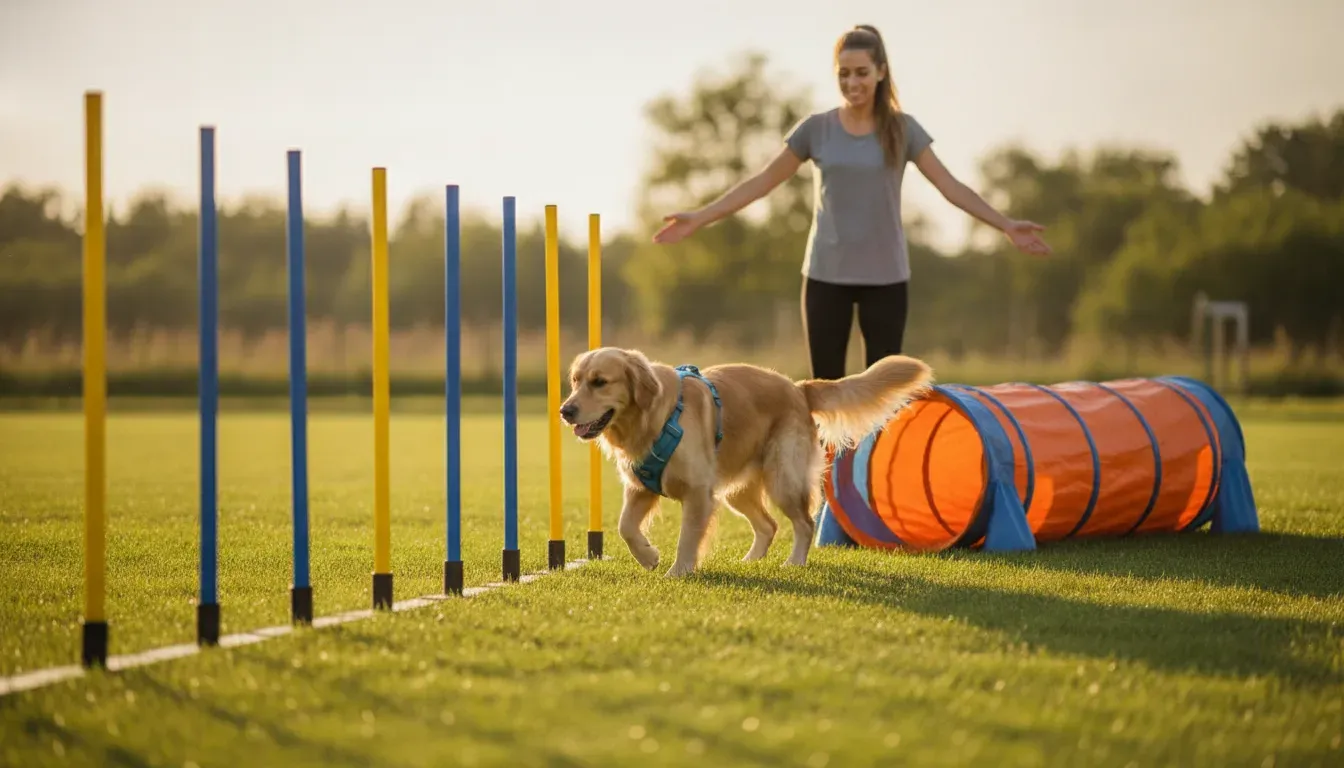
Dog agility equipment can turn a safe patch of grass into a rewarding training space, but the best setup is not always the biggest one. Start with equipment that matches your dog's size, confidence, experience, and the surface available at home. A low adjustable jump, a stable tunnel, and a simple set of weave poles can teach useful foundations without crowding the yard or rushing your dog.
Shop dog care essentials and start your training setup today
Agility is also a partnership. The handler learns to give clear cues while the dog learns to focus, move with confidence, and solve a new problem one obstacle at a time. That makes this guide useful for first-time dog sport families, experienced trainers, and equestrian owners who already understand the value of thoughtful footing, consistent cues, and well-maintained equipment. It is a dog sport, however, so use equipment designed for dogs rather than adapting horse jumps, poles, or other equestrian gear.
What dog agility equipment do you need to get started?
Most beginner setups can start with a low adjustable jump, a secured open tunnel, and beginner-friendly weave poles. Add contact obstacles only after your dog is confident with basic movement and your training area is ready.
The American Kennel Club lists jumps, weave poles, and tunnels among the most common starting categories for a backyard course. Its dog agility equipment guide also separates these basics from larger contact obstacles used in more advanced practice. That distinction is helpful when you are deciding what to buy first.
- Adjustable jump: Choose a bar that can be lowered or removed while your dog learns the approach and takeoff pattern.
- Open tunnel: Look for a tunnel that holds its shape, has smooth interior construction, and can be anchored so it does not roll or collapse.
- Weave poles: Beginner-friendly channels or adjustable spacing can help you teach the entry and path without forcing tight turns too soon.
- Reward and cue supplies: Keep small training rewards, a clicker if your dog already understands one, and a way to carry them without leaving loose objects on the course.
You do not need to buy every obstacle on day one. A small, well-chosen setup gives you room to learn your dog's preferred rewards and your own handling skills. It also makes inspection and storage easier. If you are new to marker training, our dog training clicker guide can help you build clear timing before adding more complicated obstacle sequences.
Which types of dog agility equipment are worth adding later?
Once your dog understands basic cues and moves comfortably around simple obstacles, you can consider equipment that adds balance, elevation, or controlled movement. These pieces are more demanding to store, inspect, and use correctly, so buy them because they suit your training plan, not because a complete course looks impressive.
| Equipment | What it teaches | What to check before buying | Good next step |
|---|---|---|---|
| Pause table | Stationary control and a clear stay | Stable base, rounded edges, non-slip top | Practice a short hold with a release cue |
| Tire jump | Centering and a clean jump path | Flexible or breakaway design, secure frame | Introduce at ground level or with a wide opening |
| A-frame | Controlled climbing and contact-zone awareness | Strong frame, grippy surface, safe height options | Use a qualified trainer for technique |
| Dog walk | Balance and controlled movement across a plank | Rigid construction, non-slip surface, safe height | Begin with a low travel plank |
| Teeter | Confidence around a moving surface | Predictable movement, controlled drop, secure base | Build comfort on stable wobble work first |
Contact obstacles such as an A-frame, dog walk, or teeter require more than enthusiasm. The dog must manage elevation, traction, body position, and an intentional exit. The AKC equipment materials explain that formal equipment has specific construction and safety requirements, including how tunnels are secured and how surfaces resist slipping. Those rules are useful reference points, but a competition rulebook is not a substitute for a trainer who can watch your dog in person.
For most homes, a travel plank or low platform may be a safer foundation than a full-height contact obstacle. It lets you teach stepping up, walking forward, and stopping on cue while keeping the challenge controlled. If your dog hesitates, jumps off, or loses focus, lower the difficulty instead of repeating the obstacle until frustration builds.
Shop This Post

Featured in this article
Zymox Otic Pet Ear Care with 0.5% Hydrocortisone - Enzymatic Ear Solution for Dogs & Cats - 1.25 oz
$22.49
Shop Now →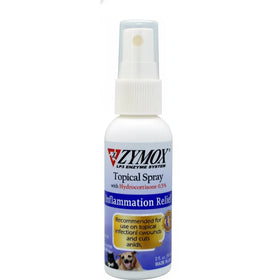

How do you choose equipment for your dog's size and experience?
Choose adjustable equipment that can begin at a low, simple level. The correct starter obstacle is one your dog can approach, understand, and leave calmly, not the one that looks most like a competition course.
Size matters, but it is only one part of the decision. A small dog may need different opening dimensions and jump settings than a large dog. A young, cautious, or easily distracted dog may need a lower challenge than a confident adult of the same size. Ask the manufacturer for measurements when a product listing does not make them clear, and use the rules of the organization you may enter later as a planning reference.
Start with adjustability
Adjustable jump heights, movable tunnel curves, and weave-pole training modes let you scale a session without replacing the entire setup. Look for sturdy adjustment points that lock securely and remain easy for the handler to inspect. Avoid equipment that can unexpectedly drop, twist, or leave a hard edge at the dog's shoulder level.
Match the surface to the obstacle
Level grass or another approved, consistently maintained surface is usually easier to manage than slick flooring, loose gravel, or uneven ground. Check the running path for holes, rocks, wet patches, and objects that could catch a paw. A stable jump can still be unsafe if the approach or landing area is poor.
Separate learning from competition
Home practice does not need to copy a competition course. Equipment standards vary among organizations, classes, and venues. The AKC regulations are an example of a formal rule set, not a universal specification for every training session. If competition is your goal, ask your club or instructor which rules and measurements apply before you invest in large equipment.
How should you set up a safe home agility area?
Think of the training area like a small arena. Give the dog a clear approach, a clear landing or exit, and enough room for you to move without stepping into the obstacle path. Equestrian owners may recognize the value of checking footing and flow before a session, but dog agility needs its own equipment and spacing decisions.
- Define the boundary. Use a secure fenced area or a controlled training space. Do not rely on a loose dog in an open yard because a successful run can increase speed and excitement.
- Walk the course first. Remove toys, hoses, branches, stones, and other distractions. Check that the dog will not run toward a gate, wall, pool, or sharp corner after an obstacle.
- Anchor what can move. Tunnel bags, stakes, and bases should be used as directed. A tunnel that shifts when the dog enters can create a frightening or unsafe experience.
- Keep the first sequence simple. One obstacle, a reward, and a calm reset is enough for an early session. Add a second obstacle only when the first response is consistent.
- Inspect before each use. Look for loose fasteners, cracked plastic, splinters, torn fabric, exposed wire, unstable feet, and worn non-slip surfaces.
Never attach a leash to a dog while it is jumping or passing through an obstacle. A leash can catch, change the dog's balance, or interfere with your handling. The Washington State University 4-H guide notes that there are significant safety challenges when a leash is attached during obstacle work. For formal training, follow your instructor's rules and use the equipment and handling method they approve.
What safety checks should you make before each session?
Inspect the equipment, footing, weather, and your dog's readiness before every run. Stop when movement becomes rushed, uneven, hesitant, or overly tired.
Agility combines running, jumping, turning, balance, and concentration. The VCA guidance on agility for dogs recommends checking physical readiness before beginning a strenuous new activity. It also highlights the importance of conditioning and cooperation between dog and handler. This article is not a veterinary exercise plan, so ask your veterinarian about your dog's readiness if you have any concern about growth, weight, joints, heart, breathing, or previous injury.
- Warm up: Begin with a short walk and simple attention cues before asking for faster movement.
- Use low difficulty first: Keep jumps low or remove the bar while your dog learns the approach.
- Watch the landing: A clean jump is less important than a controlled, confident landing on suitable footing.
- Protect focus: Train away from hazards and stop before your dog becomes frantic or mentally checked out.
- Monitor weather: Heat, cold, wet surfaces, and strong sun can change the risk of outdoor exercise.
- Cool down: Finish with slower movement and water access, then let your dog rest.
Growing dogs and older dogs may need different equipment settings or a slower progression. A dog that is physically capable of walking may still not be ready for repeated jumps or elevated obstacles. A professional trainer can help you select modifications, while your veterinarian can address health questions.
How do you build a beginner course without overbuying?
A useful starter course is a progression, not a pile of obstacles. Begin with one low jump or ground bar, then add a short tunnel or a few widely spaced poles. Place a reward at the end of the behavior you want, but keep the course clear enough that your dog can understand which obstacle you are cueing.
Phase one: confidence and communication
Teach attention, a release cue, and a simple hand signal in an open area. Walk around the equipment and let your dog investigate it without pressure. Reward calm curiosity. If the tunnel looks intimidating, reward a glance, then a step toward it, then an easy pass through. Do not push or pull the dog through.
Phase two: one obstacle at a time
Introduce the jump at a low height and the tunnel in a straight line. Keep your body position consistent and use the same cue for the same action. With weave poles, begin with an entry lesson rather than expecting a fast, complete weave. Short repetitions protect accuracy and keep the experience positive.
Phase three: short sequences
When individual obstacles are easy, connect two. For example, try a tunnel followed by a low jump, then reset. Change the direction only after your dog understands the first pattern. General dog training tips can support cue clarity, but this equipment guide should remain your reference for obstacle selection and setup.
Keep a simple training note with the date, equipment used, surface, and your dog's response. You do not need a formal score. A note such as "calm tunnel entries, rushed jump exits" tells you more about the next training step than a speed goal.
View dog accessories for comfortable outdoor training sessions
What should you look for when buying dog agility equipment?
Read the product specifications with the same care you would use for any animal equipment. A good listing should make the dimensions, materials, adjustment range, anchoring method, storage needs, and intended use reasonably clear. If a detail affects safety and is missing, contact the retailer or manufacturer before ordering.
- Stability: Bases should stay put during normal use, and portable pieces should have a practical way to anchor or weigh them down.
- Visibility: Contrasting colors and clear obstacle shapes can help a dog understand the path, especially in changing outdoor light.
- Breakaway or flexible parts: Jump bars and tire components should be designed to reduce resistance if a dog clips them.
- Surface texture: Contact surfaces and platforms need reliable traction without rough areas that can scrape paws.
- Portability: Foldable equipment is useful when the training space has another purpose, but folding joints still need inspection.
- Storage: Dry fabric tunnels and store equipment out of weather when the manufacturer recommends it. Moisture and sun can shorten the life of materials.
- Fit for your plan: A beginner kit may be more practical than a full set if you are still deciding whether your dog enjoys agility.
Choose a retailer that makes it easy to compare specifications and ask questions. Hooves and Paws has served pet and equestrian families since 1994, with a curated selection across trusted animal-care categories. Product availability and current features can change, so review the live listing, customer reviews, and any size or use guidance before you add an item to your cart.
For broader dog gear organization, the dog ramp guide offers a separate look at stable access equipment. A ramp is not an agility obstacle, but its fit and surface principles are a useful reminder that dog equipment should match the intended movement.
How do you clean and maintain agility gear?
Maintenance is part of training safety. After each session, remove grass, mud, saliva, and moisture according to the care instructions. Let fabric tunnels dry completely before storage. Wipe smooth surfaces with a pet-safe cleaner that will not leave a slick residue, and inspect for damage after cleaning rather than assuming a clean item is still sound.
- Test every adjustment pin, buckle, stake, and connector.
- Check tunnel ribs, seams, and bags for tears or exposed wire.
- Run a hand over jump bars and platforms to find splinters, cracks, or rough edges.
- Confirm that non-slip surfaces remain attached and are not worn smooth.
- Keep a damaged item out of use until it is repaired with an approved replacement or retired.
Do not make an improvised repair that creates a sharp edge, loose loop, or hidden trip hazard. If a part is missing, contact the manufacturer for the correct replacement. A visually minor defect can become a larger problem when a dog is moving quickly.
After training, check your dog's paws and coat for debris, irritation, or small cuts. A practical pet grooming tools guide can help with routine inspection and cleanup, while any concerning injury deserves prompt veterinary guidance.
Shop dog care essentials and build a safer training routine today
Frequently Asked Questions
What is the best dog agility equipment for beginners?
Start with a low adjustable jump, a secured open tunnel, and beginner-friendly weave poles. This combination teaches basic approach, movement, and handler communication without requiring a large course.
Can I use horse jumps for dog agility?
No. Horse and dog obstacles are designed for different animals, movement patterns, and safety needs. Use equipment made for dogs, and do not assume that an equestrian jump, pole, or standard is safe for a canine course.
How much space do I need for a home agility course?
You need enough space for a clear approach, the obstacle itself, a controlled landing or exit, and room for the handler to move. A small setup with one obstacle at a time is safer than crowding several pieces into a tight area.
Is dog agility equipment safe for puppies?
Not every obstacle or height is appropriate for a growing puppy. Ask your veterinarian and use a qualified trainer to choose age-appropriate foundations. Avoid forcing jumps, elevated contact work, or repetitive impact before your dog's body is ready.
Do I need a full agility course to start training?
No. A single low obstacle and clear communication practice can build useful foundations. Add equipment gradually as your dog shows calm understanding and as you learn how to handle the course.
How often should I inspect dog agility equipment?
Inspect it before every session and clean or dry it after use. Pay special attention to fasteners, fabric seams, jump bars, bases, stakes, and non-slip surfaces. Remove damaged equipment until it is safely repaired or replaced.
Should I take an agility class?
A class or private lesson is especially helpful for contact obstacles, competition goals, nervous dogs, or handlers who are new to the sport. A trainer can identify unsafe spacing, unclear cues, and progressions that are hard to see while you are running the course.
Dog agility is most rewarding when the equipment supports communication rather than replacing it. Keep the setup simple, inspect it often, reward thoughtful movement, and adjust the challenge to the dog in front of you. Hooves and Paws brings more than 30 years of family-owned pet and equestrian experience to a curated catalog, with personal service when you need help comparing animal-care gear. Browse the relevant collection, read reviews, and choose the next useful piece instead of buying more than your training plan can support.


