


The right dog bowl is less about finding one universally perfect option and more about matching the bowl to your dog's routine. Consider how easily it stays stable, whether your dog can eat comfortably, how simple it is to wash, and where meals happen at home or on the go.
Shop dog health and everyday care essentials
A dog bowl should be appropriately sized, comfortable for your dog to use, stable during meals, and easy to clean thoroughly. Compare materials and features based on your dog's habits, your feeding routine, and the level of maintenance you can consistently provide.
Before comparing stainless steel, ceramic, plastic, silicone, slow-feeder, elevated, and travel designs. Start with the basics: the bowl should support clean, reliable everyday feeding without creating avoidable mess or discomfort. That begins with safe materials, practical construction, and a cleaning routine you can maintain.
What Makes a Dog Bowl Safe for Everyday Use?
A safe everyday bowl should make feeding simple, stable, and clean. Look for a design that sits securely on the floor rather than sliding across the room or tipping when your dog nudges it. A broad base, a sensible weight, or a well-designed non-slip underside can help, but observe the bowl in your own home. If your dog pushes it into walls, steps in it, or spills water regularly, the design is not working well for that routine.
Cleanability matters just as much as stability. A bowl with a smooth interior and uncomplicated shape is easier to inspect and wash than one with narrow seams, deep grooves, or joints that trap food. Check the rim, underside, and any removable parts. Residue can collect in places that are easy to overlook, especially after moist food. If you cannot reach an area with a normal washcloth or brush, it may be difficult to keep the bowl consistently clean.
The FDA explains that microbes from a dog's mouth can transfer to the dishes used for eating and drinking. It also notes that food left in a dish can provide moisture, oxygen, and nutrients that support microbial multiplication. For that reason, select a bowl you will realistically wash often, not one that looks convenient but takes extra effort to clean. Wash and dry the dish before refilling it, and keep a second bowl available if the first is still drying. See the FDA's pet food safety guidance for the underlying hygiene recommendations.
Daily usability also includes the surrounding setup. Keep food and water bowls on a washable surface, leave enough room for your dog to approach comfortably. And check the bowl for cracks, persistent odors, or damaged surfaces. Replace it when cleaning no longer restores a smooth, usable condition. If you are also reviewing food, supplements, or other routine-care items, browse Hooves and Paws' dog health and everyday care essentials to keep the rest of your feeding station organized.
Which Dog Bowl Material Is Best for Your Routine?
Material affects more than appearance. It changes how a bowl feels to carry, how easily you can inspect it for residue or damage, and how well it fits your home's feeding routine. No single material is ideal for every dog or household. Use the comparison below as a starting point, then check the individual product's care instructions, dimensions, and construction.
| Material | Practical strengths | Tradeoffs to consider | Good fit for |
|---|---|---|---|
| Stainless steel | Durable, easy to inspect, and commonly suited to daily washing. | Can slide or make noise without a stable base. Metal may also feel cold or unfamiliar to some dogs. | Everyday food and water stations, especially when straightforward cleaning is the priority. |
| Ceramic | Heavy construction can feel steady, and many designs suit a home feeding area. | Chips, cracks, and worn finishes need attention. Inspect regularly and follow the maker's care guidance. | Dogs and owners who prefer a heavier bowl and can check it carefully for damage. |
| Plastic | Often lightweight and convenient for moving, storing, or keeping as a spare. | Scratches and wear can make cleaning more difficult. Replace a bowl when its surface is damaged or difficult to clean. | Travel, backup use, or a dog that needs a lightweight option, with close attention to condition. |
| Silicone | Flexible and useful when packing a bowl for outings or saving space. | It may need extra support to stay open and stable. Check folds, seams, and the surrounding surface after use. | Travel and occasional use when portability matters more than a rigid feeding station. |
Whichever material you choose, cleaning habits matter more than a simple label. The FDA advises washing a pet's food bowl between meals each day and washing a water bowl every day or two. It also recommends washing and drying dishes before refilling them, since food residue can provide moisture, oxygen, and nutrients that support microbial multiplication. See the FDA's pet food safety guidance for the complete handling recommendations.
If your dog eats raw meat, use a more deliberate cleaning routine and follow safe handling directions for the food and disinfectant. One study found that Salmonella persisted in bowls inoculated with raw meat and that removing residue before disinfection was important. However, the researchers explicitly cautioned that the experiment did not establish the risk of Salmonella transmission in households feeding raw diets. The study also found different results across tested materials and methods, so it should not be treated as proof that one bowl material is universally safest. Read the full published bowl-cleaning study, and follow product instructions for dilution and contact time when disinfecting.
In practice, choose a bowl you can clean thoroughly, inspect honestly, and replace when its surface or finish is compromised. Keeping a second bowl available can make it easier to maintain that routine while one is being washed and dried.
Shop This Post

Featured in this article
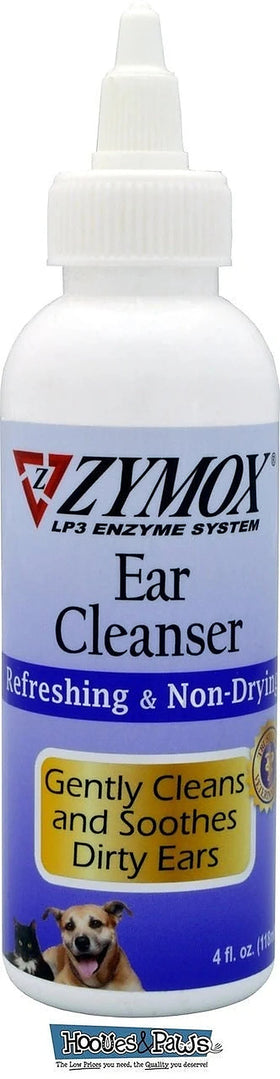
Zymox Otic Pet Ear Care with 0.5% Hydrocortisone - Enzymatic Ear Solution for Dogs & Cats - 1.25 oz
$22.49
Shop Now →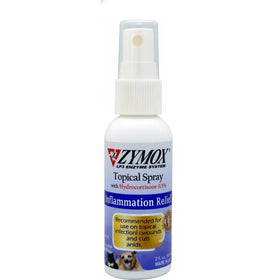
How Do You Choose the Right Dog Bowl Size and Shape?
Start with the amount your dog normally eats and drinks, not a label such as small, medium, or large. The bowl should hold a typical serving without food mounding over the rim. While leaving enough room for your dog to eat without pushing kibble or wet food across the floor. For water, consider how much your dog drinks between refills and whether the bowl will serve one dog or several. A larger capacity can reduce refill frequency, but an oversized bowl may be awkward to lift, clean, or keep fresh.
Shape matters just as much as capacity. A dog with a short muzzle may find a broad, shallow bowl easier to reach than a narrow, deep one. Dogs with long ears may be more comfortable with a narrower opening that keeps their ears from dropping into the food or water. If your dog has prominent whiskers or tends to hesitate at the sides of a dish, try a shape that gives the face more room. Watch the dog eat from the bowl rather than assuming a breed-based recommendation will fit.
Spill control is another practical consideration. A wide, lightweight bowl may slide or tip when an enthusiastic eater nudges it. Look for a stable footprint, a heavier construction, or a non-slip base when your dog pushes the dish around. Comparison research uses features such as a 64-ounce capacity and a non-slip bottom ring as useful dimensions to evaluate. But those specifications are examples, not a universal prescription for every household. Travel bowls are often much smaller, with capacities such as 1.5 or 5 cups. So match the size to the outing and the amount of food or water you will carry.
After choosing a bowl, observe it during several meals. Check whether your dog can reach the bottom comfortably, whether food remains trapped around the rim, and whether the bowl stays in place. Reassess as your dog grows, gains or loses weight, changes eating habits, or develops a new feeding need. If eating or drinking becomes difficult, ask your veterinarian whether a different setup is appropriate.
When Should You Choose a Slow Feeder, Elevated, or Travel Bowl?
A standard bowl is usually the right starting point when your dog eats comfortably, drinks without excessive spilling, and the bowl stays stable on the floor. Choose one that fits the feeding area, is easy to wash, and matches the amount of food or water you typically serve. If your routine is working, there is no need to replace a straightforward bowl with a specialized setup.
When does a slow feeder make sense?
A slow feeder is designed for dogs who finish meals quickly or benefit from a more involved eating pattern. Grooves, ridges, or a removable insert create spaces that make food less immediately accessible. The right design should still be practical to clean and large enough for your dog's muzzle to reach comfortably. Start with the manufacturer's size and compatibility details, then observe whether your dog can use it without frustration. Some elevated stations include a slow-feeder insert, but that does not mean every insert fits every bowl or stand. For a focused look at styles and selection considerations, read our slow-feeder dog bowl guide.
When is an elevated dog bowl useful?
An elevated bowl can make sense when a raised feeding position fits your dog's size, the room's layout, and your daily routine. Look for a stand with a stable base, a height that does not force your dog to stretch, and bowls that can be removed for washing. Adjustable-height stands are available, and some pair a frame with two stainless-steel bowls. Treat those features as shopping considerations, not proof that elevation provides a medical benefit. If your veterinarian has recommended a particular feeding height for your dog, follow that individualized guidance.
Check the product details carefully before ordering. Some listings describe a stand only, with the bowl sold separately. Others include one or two bowls, a slow-feeder insert, or a silicone or non-slip mat. Confirm the number, dimensions, and material of the included components, and make sure replacement bowls will fit the frame. Stability matters more than appearance: a stand that rocks, tips, or slides can make mealtimes unnecessarily messy.
Shop dog health essentials for everyday care
When should you choose a travel bowl?
A travel bowl earns its place when your dog regularly joins you on walks, errands, hikes, training outings, or road trips. Collapsible designs are easy to pack, while a lightweight bowl can be useful for a crate or vehicle kit. Pair it with fresh water rather than relying on a shared public bowl. Texas A&M Veterinary Medicine recommends carrying fresh water and a collapsible portable bowl for outings. And advises considering the quality of public water before allowing a dog to drink from it. Standing public water may retain environmental contaminants, and shared bowls can present additional exposure concerns. Read the guidance at Texas A&M Veterinary Medicine for more context.
Whichever style you choose, prioritize a secure fit, easy cleaning, and compatibility with your dog's actual routine. A standard dog bowl may be all you need at home, while a slow feeder, elevated station. Or travel bowl can solve a specific practical problem when its design matches the dog, the space, and the way you use it.
How Often Should You Clean a Dog Bowl?
A dependable routine is simple: remove leftovers, wash the bowl, rinse away soap, and let it dry before adding fresh food or water. Microbes from a dog's mouth can transfer to feeding dishes, while leftover food can provide moisture, oxygen, and nutrients that support microbial multiplication. The FDA recommends washing food bowls between meals every day and water bowls every day or two. See the FDA pet food safety guidance for the source recommendations.
- Clear the bowl promptly. Empty uneaten food instead of topping it off with a new serving. Store moist leftovers in a closed container in the refrigerator. Scrape or rinse away stuck-on food so washing reaches the bowl's surface.
- Wash with soap and hot water. Clean the food bowl between meals each day. Clean the water bowl every day or two, and sooner when you see debris, slime, or food contamination. Texas A&M also advises washing food and water bowls regularly with soap and hot water. Pay attention to rims, seams, corners, and the underside where residue can collect.
- Rinse and dry completely. Rinse until no soap remains, then dry the bowl before refilling it. The FDA specifically advises washing and drying pet dishes and storage containers before adding new food. Air-dry on a clean rack or use a clean towel rather than refilling a wet bowl.
- Use extra care after raw-meat meals. One study found that Salmonella persisted in bowls inoculated with Salmonella-containing raw meat. In tested stainless-steel bowls, dish-soap scrubbing followed by bleach soaking worked better than rinsing alone. Scrub away all food residue before disinfecting, then follow the product label for dilution, contact time, rinsing, and safe use. Disinfectant effectiveness depends on the correct dilution and contact time. The researchers cautioned that this experiment does not confirm Salmonella transmission risk in households feeding raw diets. So do not treat it as a measure of household disease risk. Read the published raw-meat bowl study for its methods and limitations.
- Wash your hands and reset the station. Wash your hands with warm, soapy water after handling pet food or feeding dishes. Refill only after the bowl is clean and dry. Keep a second bowl available so you can rotate clean dishes while one is being washed. If you notice film, odor, or food particles, clean the bowl immediately instead of waiting for the regular cadence.
Build a Simple, Safer Dog Feeding Station
A thoughtfully arranged feeding area does not need to be elaborate. Choose a low-traffic spot away from litter boxes, cleaning chemicals, and heavy foot traffic, then keep the dog bowl on a level, washable surface. A tray or silicone mat can help contain splashes and crumbs. But the most important feature is that you can lift it, clean it, and inspect the area easily.
Keep food and water separate from household waste and store food in a closed container according to its label. If you serve moist food, refrigerate leftovers in a closed container rather than leaving them beside the bowl. The FDA also advises washing and drying pet dishes before refilling them, which makes a clean, dry spare bowl useful during busy days. Read more about safe dog food handling when fresh or moist food is part of your routine.
Build a routine around quick checks
At least once a day, look for residue, cracks, chipped surfaces, loose parts, or a bowl that slides when your dog eats. Replace a damaged bowl rather than trying to make it last. Keep two or more bowls available so one can be washed while another is in use. During cleaning, wash with soap and hot water, rinse thoroughly, and allow the bowl to dry fully before adding food or water. Regular checks also help you notice changes in appetite, drinking, chewing, or comfort. If your dog suddenly avoids the bowl, struggles to eat or drink, vomits repeatedly. Or has a noticeable change in hydration, ask your veterinarian for guidance instead of treating the bowl as the whole solution.
Plan for walks, travel, and shared water
For outings, pack fresh water and a collapsible portable bowl. Texas A&M veterinary guidance recommends this approach and advises considering the quality of a public water source before letting a dog drink from it. Standing water in public bowls may retain environmental contaminants, and shared bowls can carry infectious organisms. When the source or cleanliness is uncertain, use your own water and bowl. Wash travel bowls with soap and hot water regularly, then dry them before storing them.
Hooves and Paws focuses on practical, carefully selected supplies for animals and the people who care for them. You can learn about Hooves and Paws and its approach to personal service while you compare options for your dog's daily routine.
Frequently Asked Questions
How often should you wash a dog bowl?
Wash a food bowl between meals each day, and wash a water bowl every day or two. Always wash and dry the bowl before refilling it. These intervals follow FDA pet-food safety guidance, and regular washing helps remove residue that can support microbial growth.
What is the easiest dog bowl material to clean?
Choose a bowl with a smooth, nonporous surface and no hard-to-reach seams. Stainless steel is often practical for everyday cleaning, while ceramic can work well when its finish remains intact. Regardless of material, scrub away food residue, rinse thoroughly, and dry the bowl before its next use.
How should you clean a bowl used for raw food?
Remove food residue promptly, scrub the bowl with dish soap, and follow any disinfectant label directions for dilution and contact time. A study found that Salmonella persisted in bowls contaminated with raw meat, but it also cautioned that the experiment does not establish household transmission risk. Read the study's limitations at PMC.
Should dogs share a water bowl?
For routine home use, separate bowls make it easier to monitor each dog's intake and maintain hygiene. Avoid relying on stagnant public water when possible, since shared bowls and standing water may expose dogs to contaminants. For outings, carry fresh water and a collapsible portable bowl, as recommended by Texas A&M Veterinary Medicine.
What size dog bowl should I buy?
Pick a capacity that comfortably holds your dog's normal meal or water amount without being so large that the bowl is awkward to lift or clean. Compare your dog's muzzle, ear, and whisker comfort, then watch for spills, tipping, or food pushed into corners. The best size is the one that fits your dog's routine and your cleaning setup.
Ready to Build a Better Dog Care Routine?
The right dog bowl is one practical part of a clean, comfortable feeding setup. When you are ready to compare everyday care essentials for your companion, browse the curated selection from Hooves and Paws. Shop dog health and everyday care essentials to find useful additions for feeding, hydration, and daily care.


