


Choosing the right dog collar starts with more than color or style. Your dog's age, daily activities, identification needs, walking habits, and tendency to slip free all affect which option makes sense. A comfortable fit and sound hardware matter just as much as appearance, and puppies or dogs with changing coats may need more frequent checks.
Shop Dog Collars and Accessories
The best dog collar is one that fits comfortably, supports reliable identification, and suits how your dog lives and walks. A flat buckle design often works well for routine wear, while other styles may better address specific fit, visibility, or activity needs. Inspect the collar regularly, and choose a harness or seek qualified guidance when a collar is not the safest leash-control option.
With those priorities in mind, compare the main collar designs by purpose, fit, and everyday use before choosing the option your dog can wear confidently.
What type of dog collar is right for your dog?
The best choice depends on your dog's routine, comfort, and the situations where the collar will be used. A collar for daily identification may not be the same one you prefer for evening walks. Swimming or a dog who is skilled at backing out of loose gear can call for different features. Consider lifestyle, age, activity level, and fit before choosing a material or feature.
Flat or everyday collars
Flat collars with a buckle or quick-release clasp are the familiar all-purpose option. They provide a place for an ID tag and work well for routine wear when fitted correctly. Choose one that feels comfortable against the coat and has secure hardware. An everyday collar is a practical starting point for many dogs, but it is not automatically the best leash-control choice for every dog. The adjustable dog collar is one option to consider when you want a collar with room for careful fitting and adjustment.
Martingale collars
Martingale designs use a second loop that tightens when a dog pulls on the leash. This can help reduce slipping for dogs whose head and neck shape make escape easier. It should be selected and fitted carefully, and it should not be treated as a substitute for training or a reason to use harsh handling. If your dog pulls hard, struggles against equipment, or has a neck or airway concern, ask a veterinarian or qualified trainer to help you choose appropriate gear.
Waterproof and reflective collars
Water-resistant or waterproof materials can make sense for dogs that swim, play in wet conditions, or spend time outdoors. The tradeoff is that every material still needs regular inspection and cleaning, especially after exposure to moisture, dirt, or salt. For early-morning, evening, or low-light outings, a reflective design can make your dog easier to notice. Hooves and Paws carries a reflective dog collar for owners prioritizing visibility during outdoor activities.
Leather collars
Leather offers a classic feel and can be a durable choice when cared for properly. It may suit owners who value natural material and a polished appearance. Browse leather dog collars to compare available styles. Keep in mind that material preference should not outweigh comfort, correct sizing, and the condition of the collar.
Specialty collars
Specialty options include personalized collars, GPS or location-tracking devices, flea and tick collars, breakaway designs, and recovery collars. Each solves a particular problem. Check ingredients and materials on calming or parasite collars, and follow product directions. Recovery collars are intended for specific post-surgery or wound-care situations, so follow your veterinarian's guidance. Breakaway collars can release during entanglement, but walking hardware must be used exactly as directed.
For a straightforward starting point, review this adjustable dog collar and compare its available details with your dog's needs. If outdoor visibility is a priority, also look at the reflective dog collar. You can browse the broader dog collars and accessories collection to compare relevant options, dimensions, materials, and current product information.
How do you measure a dog collar for a safe fit?
A safe fit starts with an accurate neck measurement, but the tape reading is only the beginning. The finished collar should stay secure without constricting, leave room for comfortable movement, and remain easy to check as your dog grows or changes shape.
- Measure where the collar will rest. Have your dog stand calmly, then wrap a soft measuring tape around the middle of the neck where the collar normally sits. Keep the tape level and close to the coat without compressing the fur. If you do not have a tape, use a strip of paper or string, mark the overlap, and measure it against a ruler. Take the measurement twice. If the results differ, use the larger accurate reading rather than guessing.
- Compare the measurement with the product size chart. Collar sizing is not universal, so do not choose by breed name or an old collar label alone. Check the product's listed adjustment range and match it to your dog's measured neck size. If your dog falls between sizes, consider how much adjustment the design provides, the collar's width, and whether a thicker coat will change the final fit. An adjustable dog collar can make fine-tuning easier when the range suits your measurement.
- Fasten it, then check the space. With the collar resting in its normal position, slide two fingers between the collar and your dog's neck. You should be able to do this without forcing your fingers through, while the collar should not slide freely over the head. A collar that is too loose can allow escape. One that is too tight may rub or restrict comfort. VCA describes the goal as a collar that fits securely without constricting: review its collar and harness guidance for broader handling considerations.
- Test the adjustment during calm movement. Ask your dog to walk, turn, and lower the head while you watch the collar. The buckle or clasp should stay fastened, the adjustment should not creep, and the collar should not rotate constantly into the eyes or throat. Check that attached tags do not create a snagging or rubbing point. Introduce new equipment gradually and gently in a quiet, safe space instead of leaving a nervous dog to work it out alone.
- Recheck on a schedule. Puppies can outgrow a collar quickly, so check the fit frequently during growth. Remeasure after grooming, seasonal coat changes, weight changes, or any noticeable change in how the collar sits. For an adult dog, make fit checks part of routine gear inspections. Look for red or rubbed skin, broken hair, dampness trapped under the collar, persistent scratching, or a dog repeatedly trying to remove it. Loosen or remove the collar and seek qualified veterinary advice if irritation or discomfort continues.
Shop This Post

Featured in this article
Doggie Design Alpine All Weather Dog Parka - Waterproof Fleece Lined Reflective - Multiple Sizes
$25.00
Shop Now →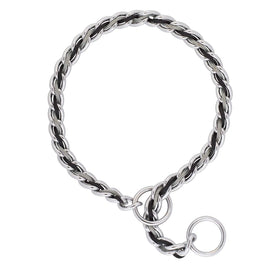
Identification, leash use, and collar versus harness
A collar does more than hold a leash. It gives your dog a practical form of identification when a name tag carries current contact details. Update the tag when your address or phone number changes, check it periodically for readable information, and make sure it is attached securely to the collar's ring. Identification can also be embroidered, engraved on a name plate, or attached with a slide-on tag. A microchip may provide another recovery tool, but visible identification is still useful when someone finds a loose dog.
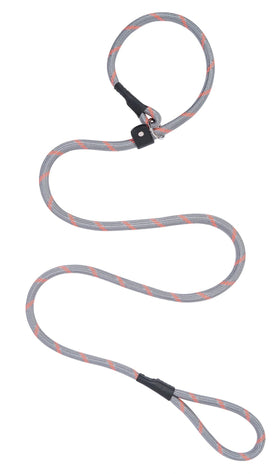
Leash attachment deserves the same attention as the collar itself. Inspect the ring, buckle, stitching, and adjustment points before walks. Clip the leash only to the designated walking ring. If you use a breakaway collar, follow its construction instructions carefully. Some designs require the leash to connect to both rings, while clipping to the breakaway ring alone may let a dog escape. Keep handling calm and steady. A leash should not be snapped or jerked, and equipment should be introduced gradually in a quiet, safe setting. Learn how a dog harness can work for winter walks when seasonal clothing or outdoor conditions affect your setup.
| Control option | May suit | Important consideration |
|---|---|---|
| Flat collar | Routine identification and everyday walking | It must fit securely, and hard pulling can place pressure on the neck. |
| Martingale collar | Some dogs who may back out of a standard collar | Use the correct fit and seek qualified guidance for handling or training concerns. |
| Harness | Dogs who need a different walking setup or more control around the body | It still requires careful fitting, inspection, and gradual introduction. It is not universally safer. |
A loose collar can create an escape route, especially for dogs with narrow heads or a habit of backing away. On the other hand, a tight collar can constrict, rub, or create discomfort. VCA notes that collars and harnesses can support containment and training when paired with a leash or long line, but equipment should not be selected to cause pain. Dogs should be supervised while wearing either option, particularly around crates, playmates, cabinet handles, or other snag hazards. If your dog repeatedly escapes, pulls hard, shows neck discomfort, or reacts defensively to gear, ask your veterinarian or a qualified trainer to help assess the safest control setup.
Everyday dog collar safety and maintenance
A reliable dog collar deserves a quick check as part of your normal pet-care routine. Before a walk, look over the buckle or clasp, leash ring, stitching, and adjustment points. Confirm that hardware closes securely and that no thread is unraveling where the collar receives the most tension. Gently flex the material and inspect both sides for cracking, fraying, stretched holes, or sharp edges.
Fit can change with a growing puppy, a changing coat, weight changes, or repeated use. Run your fingers beneath the collar and look for redness, hair loss, dampness, rubbed areas, or trapped debris. A collar should not leave your dog uncomfortable, and a dog that suddenly resists wearing it may be communicating that something needs attention. If you notice pain, persistent skin irritation, or a wound, remove the gear when it is safe to do so and contact your veterinarian rather than trying to diagnose the problem at home.
Moisture also matters. After swimming, bathing, rain, or muddy outdoor time, follow the care directions for the collar's material and allow it to dry thoroughly before regular wear. Do not assume every material or hardware finish can be cleaned the same way. Use only methods recommended for that product, and remove accumulated dirt from around the buckle and leash ring. Keeping a second suitable collar available can make it easier to rotate gear while one collar dries, without leaving your dog without appropriate identification when supervision and safety call for a collar.
Consider the environment, not just the product. Veterinary guidance notes that collar entanglement can cause serious injury during play, in a crate or kennel, or around household objects. Supervise dogs when they wear collars and assess whether removing the collar is safer during crate time or rough play. Breakaway designs may be appropriate for some situations, but they have specific leash-attachment requirements. Follow the manufacturer's instructions so the collar does not release unexpectedly during a walk. VCA's collar and harness guidance also recommends gradual introduction, supervision, and avoiding equipment designed to create discomfort.
Replace a dog collar when the buckle no longer locks, the ring is bent or loose, the stitching is compromised, the material is deeply worn, or the collar can no longer be adjusted reliably. Do not wait for a failure during a walk. If your dog repeatedly escapes, pulls hard, shows signs of pain, develops skin concerns, or needs help with equipment-related behavior, ask your veterinarian or a qualified, humane trainer for individualized advice.
A practical dog collar shopping checklist
The right dog collar should fit your dog's routine, not just look good in a product photo. Before choosing one, consider where your dog spends time, how the collar will be used, and which features make daily care easier. This quick checklist can help you narrow the options without paying for details you do not need.
- Daily use: For identification and ordinary neighborhood walks, look for a comfortable, adjustable collar with secure hardware and a practical place for ID information.
- Environment: Dogs who spend time outdoors may benefit from materials and finishes suited to wet, muddy, dusty, or high-activity routines. If visibility matters during early or late walks, consider a reflective option.
- Behavior and control: A dog who pulls, backs out of gear, or becomes distressed on walks may need a different setup than a calm walker. Do not choose a training-oriented design simply because it appears more controlling. A qualified trainer or veterinarian can help with individual concerns.
- Visibility: For evening or low-light outings, compare reflective details and make sure the collar still fits correctly. Visibility supports awareness, but it does not replace supervision or a secure leash connection.
- Material: Compare fabric, leather, and outdoor-oriented materials based on comfort, cleaning needs, climate, and your dog's skin and coat. Review the product's care instructions rather than assuming every material can be treated the same way.
- Hardware: Examine the buckle or clasp, adjustment points, stitching, and leash ring. Choose a design that is straightforward to use and inspect it regularly for wear.
- Maintenance: Plan to check the collar after wet outings, clean it according to its instructions, and replace it if the material or hardware becomes damaged.
Start with your dog's daily routine, then confirm fit, identification, hardware, visibility, material, and care requirements. The best dog collar is the one you can use safely and maintain consistently.
Finally, use the product page and size guidance before ordering, then reassess the fit as your dog grows or their coat changes. A few minutes of comparison can make everyday walks and identification checks more comfortable for both of you.
Frequently Asked Questions
What is the best collar for dogs?
The best collar depends on your dog's size, lifestyle, activity level, and identification needs. A properly fitted flat buckle or quick-release collar is practical for many dogs. It supports everyday wear and can hold an ID tag. Dogs who back out of collars may need a different design. Dogs that pull hard may be more comfortable with a harness for leash walks.
Which type of collar is best for dogs?
Flat collars suit routine identification and general use. Reflective or waterproof materials can be helpful for particular environments, and a martingale design may help reduce slipping when correctly fitted and used with supervision. Choose based on the situation rather than appearance alone, and avoid any training device designed to cause pain or discomfort.
What dog collars do vets recommend?
Veterinary guidance generally centers on secure, nonconstricting equipment used humanely and fitted to the individual dog. VCA advises avoiding devices designed to create discomfort and introducing new gear gradually and gently. If your dog has neck sensitivity, skin irritation, escape concerns, or behavior challenges, ask your veterinarian or a qualified trainer for personalized advice.
Should a dog wear a collar all day?
Not necessarily. Collars can support identification, but dogs should be supervised when wearing them because entanglement can cause injury during play, in a crate, or around household objects. Consider removing the collar in situations where it could snag, inspect the skin and coat regularly, and ask a professional about the safest routine for your dog.
How tight should a dog collar be?
A collar should sit securely without constricting. A common fit check is slipping two fingers between the collar and your dog's neck, then confirming that your dog cannot back or wriggle out of it. Recheck the fit as puppies grow, coats change, or hardware shifts, and follow the specific product's size guidance.
Ready to find the right dog collar?
A well-chosen collar can make everyday identification, walks, and routine care more comfortable for both you and your dog. Consider your dog's fit, activity level, visibility needs, and the way you plan to use the collar before choosing an option. When you're ready to compare practical styles in one place, shop dog collars and accessories to get started.


