


A horse that spends long periods in a stall may benefit from more chances to investigate, move, and forage between meals. Enrichment does not replace turnout, forage, or thoughtful daily care, but the right feeding toy can add variety to a familiar routine.
Explore horse supplies and stable equipment
A horse treat ball is a rolling or stationary enrichment device that releases small amounts of suitable feed as a horse interacts with it. It may help encourage foraging and movement, but its value depends on the individual horse, the materials and design, the feed used, and careful supervision. Research on equine enrichment has found increased foraging and locomotion, along with fewer frustration behaviors. While also noting that larger studies are needed to understand long-term and item-specific effects: PubMed study.
Choosing well starts with matching the toy to your horse's temperament, feeding routine, surroundings, and ability to use it calmly. The next step is to look at how this kind of enrichment supports natural investigative behavior and where it fits in a balanced care plan.
Why Use a Horse Treat Ball for Enrichment?
Stall time can limit a horse's opportunities to walk, investigate, and forage. A horse treat ball can add purposeful movement to a routine by making a small portion of feed or treats something the horse has to find and manipulate. That change may be useful for horses that spend long periods indoors, provided the device suits the individual horse and is used with supervision.
A horse treat ball is an enrichment tool, not a treatment and not a replacement for forage. It may encourage movement and food-seeking, but each horse still needs an appropriate diet, turnout or exercise plan, and routine care.
It gives natural behaviors more room
Foraging is more than eating. It can involve locomotion, selecting food, manipulating it, and ingesting it. Free-ranging horses may forage for around 16 hours per day, while stabled horses can spend much of the day without comparable opportunities. A rolling ball cannot recreate pasture, but it can add a simple problem-solving element to selected parts of the day.
Research supports the general value of movement-based enrichment, while also showing why it should be viewed realistically. A 2025 study examined nine stabled Quarter Horses offered hay feeders, activity balls, or mirrors. Across the enrichment treatments, researchers recorded increased foraging and locomotion, along with fewer frustration behaviors. The results suggest that adding an engaging object may change how a horse uses its time, not that every ball will produce the same response in every horse. Read the published study on equine enrichment.
It can complement a slow-feeding routine
Some feeding devices are designed to prolong food-handling time. In a study of four Icelandic horses, hayball or haynet feeding increased daily feed-intake time by 13 percent compared with traditional methods. That finding concerns specific hay-feeding equipment and should not be transferred automatically to every treat ball. Treats are usually a small part of the diet, and the ball should not displace the horse's forage or required meals.
Use the ball as one piece of a broader routine. Review slow feeding and horse enrichment for forage-based ideas, then consider whether movement, treat size, and feeding frequency fit your horse. A horse with dietary restrictions, a history of choking or digestive problems, or unusual feeding behavior may need an individualized plan from a veterinarian or equine nutrition professional.
Keep expectations modest. Some horses investigate a rolling object immediately; others ignore it or become frustrated. Start with an easy setup, observe the horse closely, and remove the device if it becomes damaged, creates unsafe behavior, or interferes with normal feeding. Enrichment should make daily care more engaging without introducing a new source of stress.
How Do You Choose the Right Horse Treat Ball?
Start with the horse, the feeding routine, and the place where the ball will be used. A suitable horse treat ball should be large enough to handle safely, made from durable material, easy to inspect and clean, and challenging without creating frustration. Treats should fit the opening without becoming wedged. And the device should remain stable enough for the horse to interact with it without damaging the ball or the surrounding area.
Quick Summary
Match the challenge to the horse
Choose a simple, generously sized opening for a horse that is new to enrichment or becomes frustrated easily. A more persistent horse may handle smaller openings, but only if the treats release consistently and the ball remains intact.
Make inspection part of the routine
Before and after use, check for cracks, sharp edges, loose parts, trapped feed, and signs of chewing. Remove the ball if it becomes damaged, difficult to clean, or unsafe to handle.
Use these criteria before buying
| Criterion | What to look for | Why it matters |
|---|---|---|
| Size and shape | A size the horse can move without getting a hoof or jaw awkwardly involved | Supports controlled interaction and reduces avoidable handling risks. |
| Material | Strong, non-sharp, horse-appropriate construction with no accessible loose components | Horses may nudge, paw, mouth, or chew enrichment equipment. Durability helps, but it does not replace supervision. |
| Opening and treat fit | An opening that releases the selected treat without jamming | A difficult opening can create frustration, while an oversized opening may empty the ball too quickly. |
| Stability | A design suited to the intended stall, paddock, or clean feeding area | Floor-presented devices can expose dispensed feed to foreign material, so placement and surface cleanliness matter. |
| Cleanability | Accessible surfaces and openings that can be emptied, washed, and dried thoroughly | Old feed residue can accumulate in spaces that are hard to inspect. |
| Horse temperament | A challenge level that suits the individual horse's persistence and experience | Observe whether the horse investigates calmly, ignores the ball, or becomes agitated. Adjust the setup rather than forcing interaction. |
Research on feeding devices found that hayball or haynet feeding extended daily feed-intake time by 13% compared with traditional methods in a small study of four Icelandic horses. That finding provides useful context for pacing, but it does not establish that every treat ball will produce the same result. Treat balls are best viewed as one enrichment option within a broader routine, not as a substitute for appropriate forage, water, turnout, or professional feeding advice.
Placement deserves particular attention. Commercial foraging devices are often designed for floor presentation, yet floor feeding can increase the chance that feed is picked up with foreign material. Use a clean, suitable area and monitor the first sessions. For a product-specific look at one design, read the Shires Ball Feeder review, then compare its features with your horse's needs rather than treating the review as a universal recommendation.
Shop This Post

Featured in this article
Professional's Choice 2XCOOL Sports Medicine Horse Boots - 4-Pack Neoprene-Free with Kevlar Support & brrr° Cooling
$159.23
Shop Now →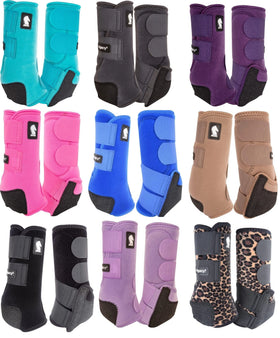

Is a Horse Treat Ball Safe for Every Horse?
A horse treat ball can be useful enrichment, but it is not automatically suitable for every horse, stall, or feeding routine. Treat the first use as a supervised trial rather than assuming the device is safe because it is marketed for equines. Observe how your horse interacts with it, inspect the equipment before and after use, and stop if the setup creates a new risk.
Choose a durable, cleanable device, use it on appropriate footing, supervise the initial sessions. And remove it if your horse chews, traps a leg, becomes distressed, or damages it. Enrichment can support a more engaging routine, but it is not veterinary care or a treatment for a health condition.
Inspect the ball, the footing, and the feeding area
Look for cracks, sharp edges, loose parts, exposed material, or openings that have changed shape. Damage can create a choking or ingestion concern, especially if your horse mouths the device instead of simply nudging it. Discard or remove a damaged ball rather than trying to repair it with tape, cord, or another material your horse could ingest.
Foreign-material contamination is another reason to think carefully about placement. Research on commercial foraging devices notes that feed dispensed directly onto a floor can be mixed with bedding, manure, dirt, or other unwanted material. A clean container or suitable manger may help separate feed from contaminated footing, but the setup still needs to match the device and your horse. Check the area for protruding hardware, deep mud, slippery surfaces, and corners where the ball could become wedged. The research also found that horses sometimes removed devices from containers, ending feeding sessions, so a container is not a substitute for observation.
Supervise individual horses and adjust the feeding plan
Watch for pushing, pawing, persistent chewing, signs of frustration, or an attempt to catch a hoof or leg in the device or its surroundings. A horse that is calm and curious may need a different introduction from one that becomes intense around food. Test the ball separately before using it around other horses, and consider herd dynamics, stall dimensions, and turnout hazards. Never leave a new device unattended until you understand how your horse handles it.
Account for every treat or feed portion placed inside the ball. Adding enrichment should not quietly change the horse's total ration, especially when the animal has weight, metabolic, dental, or other diet-related concerns. Ask your veterinarian or equine nutrition professional before changing a feeding plan for a horse with specific health needs. A horse treat ball can make a feeding activity more engaging, but it cannot diagnose, prevent, or treat illness. For a broader review of practical stable equipment, see these horse supplies and stable equipment.
How Should You Introduce and Use a Horse Treat Ball?
Introducing a treat ball should be a gradual, supervised process. The goal is to let your horse investigate the object and learn how food comes out without creating unnecessary frustration or changing the feeding routine too quickly.
Inspect the ball, begin with an easy setup, watch your horse closely, increase difficulty only when the routine is calm, and clean and store the equipment after use.
1. Start with an inspection and simple setup
- Inspect the ball first. Check for cracks, sharp edges, loose parts, damaged seams, or openings that could trap a hoof or catch a shoe. Confirm that the size and material are appropriate for your horse and the intended feeding area. Remove any damaged equipment from use.
- Choose a clean, suitable location. Follow the product instructions for placement, and clear the area of debris that could mix with dispensed feed. Floor-presented feeding devices can create a foreign-material ingestion risk, so cleanliness and supervision matter. Research on equine foraging devices specifically examined clean containers as one way to reduce contamination concerns.
- Make the first session easy. Use a small amount of a familiar, approved treat or feed that moves through the openings readily. Keep the ball accessible and let your horse investigate it at their own pace. Do not begin by making the food difficult to reach.
2. Observe, adjust, and establish a routine
- Watch the whole first session. Look for calm investigation, safe nudging, and normal movement. Stop the session if your horse becomes highly frustrated, paws aggressively, attempts to bite or break the ball, or pushes it into an unsafe area. One study found that horses sometimes removed feeding devices from buckets, ending the session, which reinforces the need to observe how each horse interacts with the equipment.
- Adjust difficulty in small steps. Once your horse uses the ball calmly, you can follow the manufacturer's guidance to change the opening, food type, or amount. If the ball empties immediately, that does not automatically mean a smaller opening is appropriate. Consider your horse's temperament, feeding plan, and ability to access the contents safely. A horse treat ball is an enrichment tool, not a replacement for forage or veterinary advice.
- Clean and store it after use. Remove leftover food, wash the ball according to its instructions, and allow it to dry fully before storage. Reinspect it before the next session. For a broader look at forage-based routines, see this guide to slow feeding and horse enrichment. If you are comparing openings and feeding pace, review this resource on choosing a safe slow-feeding setup.
Keep the routine flexible. Free-ranging horses spend substantial time foraging, which includes locomotion, selecting, manipulating, and eating food. A treat ball can provide one controlled opportunity for those behaviors. But your horse's comfort and safe access to the rest of the feeding program should guide every adjustment.
What Treats and Routines Work Best in a Treat Ball?
The best filling is the one that fits your horse's established diet, the ball's instructions, and the way your horse actually uses it. Treats should support enrichment, not replace forage or turn a simple activity into an unplanned change in daily feeding. Think of the ball as a way to add controlled interest to a familiar routine.
Start with the forage-first principle
For most horses, forage should remain the foundation of the feeding routine. A treat ball can complement access to appropriate hay or pasture, but it should not be used to extend time without forage. Research on equine feeding devices suggests that hayballs and haynets can increase feed-intake time. While other work describes foraging as a broad behavior that includes movement, selecting, manipulating, and eating food. A treat ball filled with a small amount of suitable feed may offer a similar problem-solving opportunity, but it is not a substitute for a well-planned forage program.
Choose a filling that your horse already tolerates unless your veterinarian or nutrition professional has recommended a change. Follow the product label, including directions about suitable contents, cleaning, and use. Avoid assuming that a food is appropriate because another horse enjoys it. Horses with metabolic concerns, dental limitations, allergies, or prescribed diets need individualized guidance before treats are added.
Build a consistent, observable routine
Timing matters less than consistency and observation. Some owners use a treat ball during a predictable stall period, after grooming, or when a horse needs a quiet activity. Begin when you can watch the first sessions. Notice whether your horse investigates calmly, empties the ball immediately, becomes frustrated, or loses interest. These observations are more useful than following a fixed schedule designed for a different horse.
Keep portions modest and account for them within the day's total intake. A calorie-dense feed can add up quickly, even when each refill looks small. If the ball is emptied too fast, review the opening size, filling, and setup rather than automatically adding more food. If your horse is tense or persistent around the device, pause and simplify the activity. Remove it if it becomes damaged, contaminated, or difficult to supervise.
Shop horse supplies and stable equipment to build an enrichment routine around practical, horse-relevant equipment from a curated retailer.
For a broader feeding plan, see our guide to slow feeding and horse enrichment. It can help put a treat ball in context without treating enrichment as a medical intervention.
Horse Treat Ball Troubleshooting: What If It Is Not Working?
A horse treat ball should be an optional enrichment tool, not a test your horse has to pass. If your horse ignores it, empties it immediately, or becomes tense around it, adjust the setup before assuming the horse or the product is the problem. This guide is brand-neutral and focuses on safe use rather than reviewing one model. Veterinary questions about appetite, behavior, feeding changes, or discomfort belong with your veterinarian.
If your horse ignores the ball
Start with the easiest possible introduction. Place a small, familiar portion of an appropriate feed inside a clean ball. Then offer it during a calm period when the horse is not already hungry, rushed, or competing for resources. Some horses need time to investigate an unfamiliar object. You can first leave it empty for supervised inspection, then add a few pieces once the horse shows relaxed interest.
Check the environment as well. A crowded stall, slippery footing, noise, or another horse trying to take the ball can make the activity unattractive. If the horse continues to avoid it, accept that this enrichment format may not suit that individual. Forage-based options may be a better fit, and you can review slow feeding and horse enrichment for related ideas.
When the ball empties too fast or causes frustration
Fast emptying usually means the openings, feed size, or challenge level do not match the horse. Try a smaller portion, larger feed pieces only when safe and appropriate, or a different design that releases food more gradually. Do not make the device so difficult that the horse paws, bites, or repeatedly strikes it in frustration. Foraging devices are intended to prolong food handling, but research also reports horses removing devices from containers, which ended some sessions. That is a reason to supervise and adjust the setup, not to force persistence. The Shires Ball Feeder review is a product-specific reference, not a substitute for evaluating your own horse and routine.
Damage, safety, and shared-space problems
Inspect the ball before and after every use. Remove it immediately if it cracks, sheds material, develops sharp edges, or can be opened in an unintended way. Floor-presented feeding devices can also introduce foreign material into dispensed feed, so use a clean presentation area and keep feed away from bedding, manure, and debris. In turnout or a shared stall area, provide separate resources when possible and watch for guarding, chasing, or one horse monopolizing the ball. If safe supervision is not practical, choose another enrichment method.
Frequently Asked Questions
What is the best treat ball for horses?
The best option matches the horse's size, temperament, feeding plan, and environment. Look for durable, cleanable materials, openings that release suitable feed without jamming, and a design you can supervise safely. Start with an easy challenge and remove the ball if it causes distress, damage, or unsafe handling.
What is a treat for a horse?
A horse treat is a small food reward that fits the animal's established diet and feeding plan. The appropriate choice depends on the horse's health, dental status, allergies, metabolic concerns, and any veterinary or nutrition guidance. Use modest portions and count them as part of the day's intake rather than assuming every treat is suitable for every horse.
Can a horse treat ball replace hay or turnout?
No. A treat ball can add a short, supervised enrichment activity, but it does not replace appropriate forage, water, turnout, exercise, or routine care. Treat-ball use should complement the horse's broader feeding and management plan.
How do you introduce a horse to a treat ball?
Inspect the device, choose a clean area, and begin with a small amount of familiar, approved feed that releases easily. Watch the entire first session. Increase the challenge only when the horse interacts calmly, and stop if the horse becomes frustrated, damages the ball, or pushes it into an unsafe area.
Are treat balls safe for horses in stalls?
They can be appropriate for some horses when the design, footing, placement, and supervision are suitable, but no toy is automatically safe for every horse or stall. Check for cracks and loose parts, keep dispensed feed away from contaminated bedding or manure, and remove the ball when supervision is not practical.
What should you do if a horse ignores a treat ball?
Try a simpler setup during a calm period, use a familiar filling, and check whether noise, slippery footing, crowding, or another horse is interfering. If the horse remains uninterested or becomes tense, accept that a different enrichment method may be a better fit. Do not force interaction.
Choose the Next Step for Your Horse's Routine
A horse treat ball can be a useful addition when it matches your horse's temperament, diet, space, and supervision needs. Start simply, inspect the equipment, and let your horse's response guide the routine. If you are still comparing stable and horse-care equipment, explore the curated selection from Hooves and Paws and review each product's details before you buy.
Shop horse supplies and stable equipment today
Hooves and Paws is a family-owned retailer serving horse, dog, and cat owners since 1994. For questions about a horse's specific feeding or health needs, consult your veterinarian or equine nutrition professional before changing the plan.


