


That familiar sound of your dog’s ears flapping as they shake their head can be cute, but when it’s constant, it’s usually a sign of discomfort. The same goes for a cat who suddenly starts scratching at their ears. These are often the first signs that something is off, and it’s frequently related to a buildup of wax and debris. Before it turns into a painful infection that requires a vet visit, you can take a simple, proactive step. Regular cleaning with a quality pet ear care cleaner is one of the most effective ways to maintain your pet's comfort and health. This guide will walk you through everything you need to know, from choosing the right product to cleaning their ears safely and stress-free.
Key Takeaways
- Prioritize Safe Cleaning Techniques: Prevent painful infections by making ear cleaning a regular part of your pet's routine. Always use a gentle massage at the base of the ear to loosen debris and never use cotton swabs, which can cause serious harm.
- Choose Pet-Specific Products: Your pet's safety is paramount, so always select a pH-balanced cleaner made specifically for animals. Steer clear of harsh ingredients like alcohol and hydrogen peroxide, and never use products intended for humans.
- Recognize When to Call the Vet: Ear cleaners are for maintenance, not for treating medical problems. If you notice a foul smell, discharge, severe redness, or signs of pain like constant head shaking, stop cleaning and contact your veterinarian for a professional diagnosis.
Why Should You Clean Your Pet's Ears?
Think of ear cleaning as a fundamental part of your pet's wellness routine, right up there with regular grooming and dental care. It’s about so much more than just appearances. Keeping your pet’s ears clean is one of the most effective ways to maintain their comfort and prevent painful problems before they start. The ear canal can be a perfect breeding ground for yeast and bacteria, especially when wax and debris build up. These unwelcome guests are the primary culprits behind frustrating and painful ear infections.
By regularly and gently cleaning their ears, you create an environment that is far less inviting for these harmful microbes. This simple act of proactive care helps prevent the discomfort and irritation that can lead to head shaking, scratching, and more serious issues down the line. It’s a small step that makes a huge difference in their overall well-being. Integrating ear care into your routine is a key part of managing your pet's health, just as important as providing quality food and other dog health essentials. A clean ear is a comfortable ear, and keeping your best friend happy and healthy is what it's all about.
Signs It's Time for a Cleaning
Your pet is usually pretty good at telling you when something is off, and their ears are no exception. If you notice your dog or cat constantly shaking their head or scratching at their ears, it’s a clear signal that something is bothering them. Another tell-tale sign is any unusual odor coming from the ear canal; healthy ears shouldn't have a bad smell. You should also take a peek inside every now and then. If you see any dark discharge, redness, swelling, or an excessive buildup of wax, it’s definitely time for a gentle cleaning. Catching these signs early can help you address the issue before it becomes a bigger problem.
How Often to Clean Their Ears
There isn’t a single magic number for how often to clean your pet’s ears, but a good rule of thumb for most dogs is about once every two to four weeks. However, some pets need a bit more attention. Breeds with long, floppy ears, like Basset Hounds and Cocker Spaniels, are more prone to trapping moisture and debris, so they often benefit from more frequent cleanings. The same goes for dogs who love to swim. If your pet has a history of allergies or chronic ear infections, your veterinarian will likely recommend a more specific and frequent cleaning schedule. When in doubt, your vet is always your best resource for creating a routine tailored perfectly to your pet’s needs.
Choosing the Right Type of Ear Cleaner
Walking down the pet care aisle can feel a little overwhelming with so many ear cleaning options on the shelf. From liquids and wipes to foams and gels, how do you know which one is right for your furry friend? The best choice really depends on your pet’s specific needs, your comfort level with the application process, and whether you're doing a routine clean or tackling a bigger issue. Understanding the differences will help you pick the perfect product to keep your pet’s ears healthy and comfortable.
Liquid Cleaners
Liquid ear cleaners are the classic choice for a reason. They are excellent for a deep, thorough clean because the solution can get down into the ear canal to flush out wax, dirt, and debris. You simply squirt the liquid into the ear, massage the base, and let your pet shake their head to bring everything up. When choosing a liquid, it’s always a good idea to ask your veterinarian for a recommendation. Be sure to select a formula that is gentle and avoid any products containing alcohol or hydrogen peroxide, as these can irritate an already sensitive ear.
Cleaning Wipes
If you’re looking for convenience, ear cleaning wipes are your best friend. They are perfect for quick, routine maintenance and for cleaning the visible parts of your pet’s outer ear and ear flap. Wipes are less intimidating for pets (and owners) who are new to ear cleaning. You can find them as standard flat wipes or as handy finger wipes that slip over your index finger for better control. While they won’t provide the deep flush of a liquid, they are fantastic for wiping away surface gunk and keeping ears tidy between more thorough cleanings.
Foams and Gels
Foams and gels offer a nice middle ground between liquids and wipes. They are typically less messy than a liquid solution but can still penetrate deeper into the ear canal than a simple wipe. These formulas often cling to the skin inside the ear for a little longer, giving the active ingredients more time to work on breaking down wax and debris. Many foams and gels are also formulated to target specific issues like odor or yeast, so they can be a great option if you’re dealing with a particularly stubborn or smelly situation.
Medicated Cleaners
If your vet has diagnosed an ear infection or a significant wax problem, they will likely recommend a medicated cleaner. These aren't your average maintenance products; they contain active ingredients designed to fight specific bacterial or fungal infections and dissolve heavy wax buildup. Because they are a targeted treatment, you should only use a medicated cleaner under the guidance of your veterinarian. Using one unnecessarily could disrupt the natural balance in your pet’s ears. You can explore our collection of dog health essentials for vet-recommended options.
Natural & Hypoallergenic Options
For pets with sensitive skin or allergies, a natural or hypoallergenic ear cleaner is the way to go. These gentle formulas skip the harsh chemicals and instead use soothing ingredients like aloe vera, chamomile, or even probiotics to clean the ears without causing irritation. A great example is a product like Skout's Honor's Probiotic Ear Cleaner, which uses good bacteria to support a healthy ear environment. These cleaners are an excellent choice for regular, preventative care, ensuring your pet’s ears stay clean and comfortable day after day.
Shop This Post

Featured in this article
Zymox Otic Pet Ear Care with 0.5% Hydrocortisone - Enzymatic Ear Solution for Dogs & Cats - 1.25 oz
$22.49
Shop Now →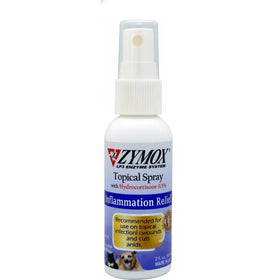
Decoding the Ingredient List
Flipping over a bottle to read the ingredients isn't just for your own groceries; it's a crucial step in choosing the right products for your pet. The world of pet ear cleaners is filled with different formulas, and the ingredient list is your best guide to understanding what you're actually putting in your pet's sensitive ears. Some ingredients are fantastic for soothing irritation and gently removing wax, while others can do more harm than good. Knowing the difference helps you pick a cleaner that is both safe and effective, ensuring your pet's ears stay healthy and comfortable. Let's break down what to look for and what to avoid.
Helpful Ingredients to Look For
When you scan an ear cleaner's label, certain ingredients are a great sign. Soothing agents like aloe vera and chamomile extract are wonderful for calming irritated skin inside the ear. For cleaning power, look for gentle astringents like witch hazel, which helps clean the ear without being too harsh. Some formulas include ingredients like salicylic acid to help break down and remove waxy buildup. For more persistent issues, you might see medicated ingredients like ketoconazole for yeast or chlorhexidine, an antiseptic that helps keep bacteria in check. These components work together to maintain a healthy ear environment and support your pet's overall wellness.
Ingredients to Avoid
Just as important as what to look for is what to avoid. Steer clear of ear cleaners that contain alcohol or hydrogen peroxide. While they might seem like powerful cleaners, they can cause stinging and irritation, especially in an already sore ear. This can make future ear cleanings a battle for both of you. It’s also a firm "no" on using any human products, like your own ear drops or cleansers. These products are not formulated for a pet's specific pH and can damage the delicate skin in their ear canal. Always stick to formulas made specifically for animals to ensure you're cleaning their ears safely and effectively, as veterinary experts recommend.
Our Top Picks for Pet Ear Cleaners
With so many ear cleaners on the market, choosing the right one can feel overwhelming. You want something effective, safe, and easy to use for both you and your pet. After years of working with animals and seeing what truly works, we’ve put together a list of our go-to products. These are the cleaners we trust for their quality ingredients, reliable results, and pet-friendly formulas. Whether you need a powerful solution for persistent issues or a gentle wipe for routine maintenance, you’ll find a great option here.
Virbac EPIOTIC® Advanced Ear Cleanser
If you’re looking for a reliable, vet-recommended staple, Virbac EPIOTIC® is a fantastic choice. This is a non-irritating cleanser that’s perfect for routine ear cleaning to maintain a healthy ear environment. It works by gently removing debris and excess wax while also drying the ear canal, which helps prevent the growth of yeast and bacteria. It’s a top choice among pet owners because it’s effective without being harsh, making it suitable for regular use. Available in both 4 oz and 8 oz bottles, you can pick the size that best fits your needs.
Zymox Advanced Formula Otic Plus Enzymatic Ear Solution
For ears that are red, itchy, and seriously irritated, Zymox Otic Plus is a powerful ally. This advanced formula uses a patented blend of enzymes to clean the ear and break down debris, creating an environment where microbes can’t thrive. It also contains 1% Hydrocortisone to provide rapid relief from inflammation and itching. It’s a best-seller for cat ear care but works just as well for dogs dealing with persistent ear issues. Because it addresses both the cause and the symptoms, it’s a comprehensive tool in your collection of pet supplements and wellness products.
Skout's Honor Probiotic Ear Cleaner
If you prefer a more natural approach, the Skout's Honor Probiotic Ear Cleaner is an excellent, gentle option. Instead of just clearing out bacteria, this non-medicated formula uses live probiotics to support a healthy microbiome in your pet’s ear, which can help prevent future problems. It also contains aloe to soothe and moisturize the skin. Because it’s so gentle, it’s a wonderful choice for pets with sensitive ears or for owners who want to take a proactive, preventative approach to ear health. It’s safe for both dogs and cats, making it a versatile addition to any multi-pet household.
Earth Rated Dog Ear Wipes
For quick clean-ups and pets who hate liquid solutions, ear wipes are a lifesaver. Earth Rated Dog Ear Wipes are a popular and convenient choice for maintaining your dog’s ear hygiene. These pre-moistened wipes make it easy to gently clean the outer ear and remove visible dirt and wax without any mess or fuss. They are perfect for wiping down ears after a muddy walk or for routine maintenance between deep cleanings. While they aren’t meant for deep-canal cleaning, they are an incredibly effective and easy-to-use tool for keeping the visible parts of your dog’s ears fresh and clean.
How to Choose the Best Ear Cleaner
With so many ear cleaners on the shelf, picking the right one can feel overwhelming. But don't worry, it's simpler than it looks. Focusing on a few key factors will help you find a safe and effective solution that keeps your pet’s ears healthy and comfortable. Here’s what to look for when making your choice.
Vet-Approved Formulas
When you're browsing for an ear cleaner, your first filter should always be safety. Look for products that are vet-approved or vet-formulated. This means that veterinary professionals have designed the solution to be safe for your pet’s delicate ear structures. These formulas are created to effectively break down wax and debris without causing unnecessary irritation or dryness. Choosing a trusted brand gives you peace of mind that you are using a product that meets the specific needs of your pet. You can find a great selection of these trusted dog health essentials right here to get started.
pH-Balanced and Species-Specific Options
It might be tempting to reach for something you already have at home, but you should never use human products, like hydrogen peroxide or alcohol, on your pet. A dog or cat's ear canal has a unique pH balance, and human cleansers can disrupt it, leading to irritation or even skin damage. Always choose a cleaner made specifically for your pet’s species. High-quality pet ear cleaners are formulated to maintain the pH balance inside the ear, which helps prevent the growth of yeast and bacteria. This simple step ensures the cleaner supports their natural ear environment instead of working against it.
Ease of Application
Let's be honest, not every pet loves having their ears cleaned. The easier the product is to apply, the less stressful the experience will be for both of you. Think about your pet’s personality and your own comfort level. If your pet is relatively patient, a traditional liquid solution in a squeeze bottle works great for a deep clean. For wiggly pets or for quick touch-ups between cleanings, ear wipes can be a lifesaver. A simple, no-fuss application process helps you stay consistent and build a positive routine, turning ear care from a chore into a quick moment of care.
Overall Value
While it might seem smart to grab the cheapest option, think about the overall value. A high-quality ear cleaner is an investment in your pet’s long-term health and comfort. Regular cleaning is one of the best things you can do to prevent common and painful problems like ear infections (otitis externa). Spending a little more on a quality product now can help you avoid costly vet visits down the road. A good cleaner works more effectively, so you often end up using less product over time, making it a smart choice for both your pet's wellbeing and your wallet.
How to Clean Your Pet's Ears, Step-by-Step
With the right supplies and a little patience, cleaning your pet’s ears can be a straightforward and stress-free process. Let's walk through it together. By creating a calm routine, you show your pet that ear care is just another normal part of their life with you.
Gather Your Supplies
Before you call your pet over, get everything you need in one place. This makes the process smoother for both of you. You’ll want a vet-approved ear cleaning solution, plenty of cotton balls or gauze pads, and a handful of your pet’s favorite treats for a job well done. It's a good idea to lay a towel down, too, especially if you’re cleaning ears indoors. Having all your pet's health essentials organized can make routine care much simpler. According to LWG Veterinary, it's crucial to use a cleaner specifically designed for pets. Never use cotton swabs (like Q-tips), as they can push debris further into the canal or even damage the eardrum.
The Cleaning Process
Gently hold your pet’s ear flap to straighten the ear canal. Carefully fill the canal with the cleaning solution; the bottle tip should not enter the ear. Don’t worry about using too much, you want it to be full. Next, massage the base of the ear for about 30 seconds. VCA Animal Hospitals recommends this step to help break up any wax or debris deep inside the canal. You should hear a squishy sound, which is a good sign the solution is working its magic. This gentle massage is the key to loosening stubborn buildup, so take your time and be thorough but gentle. Most pets tolerate this part well, and some even seem to enjoy it.
What to Do After Cleaning
Stand back and let your pet shake their head. This is a crucial step, as the force of the shake helps bring the dislodged debris and excess solution out of the ear canal. Once the shaking subsides, take a clean cotton ball or piece of gauze and gently wipe away any visible grime from the outer part of the ear and the entrance to the canal. Only clean what you can see; there’s no need to go digging. The most important part comes last: praise and treats! Rewarding your pet immediately helps build a positive association with ear cleaning, making them more cooperative for next time.
Common Ear Care Mistakes to Avoid
We all want what’s best for our furry family members, but sometimes our good intentions can lead to mistakes, especially with something as delicate as ear care. A few common missteps can unfortunately cause more harm than good, leading to irritation or even injury. Knowing what not to do is just as important as knowing the right steps to take. Let's walk through the most common ear care mistakes so you can avoid them and keep your pet’s ears healthy and comfortable.
Using Q-Tips or Human Products
It might be tempting to reach for a Q-tip to clean your pet’s ears, but please resist the urge. A dog or cat's ear canal is L-shaped, unlike our straight one. Using a cotton swab can easily push wax and debris deeper into the ear, causing a blockage or even puncturing the eardrum. It’s a major risk that just isn’t worth taking.
Similarly, products from your own medicine cabinet are a no-go. Human cleansers, hydrogen peroxide, or alcohol can be far too harsh for your pet’s sensitive ear tissue. These products can disrupt the natural pH balance of their skin, leading to irritation and dryness. Instead, always turn to high-quality cleaners specifically formulated for pets to ensure a safe and gentle cleaning.
Over-cleaning or Under-cleaning
Finding the right cleaning frequency is all about balance. While you want to keep your pet’s ears clean, over-cleaning can strip the ear canal of its natural, healthy oils and disrupt the delicate microbiome. This can lead to irritation and make the ear more susceptible to infections. A good rule of thumb is to clean your pet’s ears about once a month, but this isn't a hard-and-fast rule.
The best approach is to clean them only when they look like they need it. Check their ears weekly for any visible dirt, waxy buildup, or a mild odor. Some dogs, especially floppy-eared breeds like Basset Hounds and Cocker Spaniels, trap more moisture and may need more frequent cleanings. Your vet can give you the best instructions for ear cleaning based on your pet's specific needs.
Ignoring Warning Signs
On the flip side of over-cleaning is not cleaning enough, or worse, ignoring signs that something is wrong. Your pet’s ears are a window into their health, and changes can signal an underlying issue. Persistent head shaking, frantic scratching at the ears, whining when you touch their head, or a strong, foul odor are all red flags. These aren't just signs that it's time for a cleaning; they often point to an infection, ear mites, or allergies that require a vet’s attention.
Regularly checking your pet’s ears helps you catch problems early. Think of it as a key part of their routine wellness check, just like monitoring their diet and activity levels. Staying on top of their ear health is one of the most important things you can do to keep them comfortable and prevent recurring problems, ensuring you have all the right dog health essentials on hand when you need them.
When an Ear Cleaner Isn't Enough
Regular ear cleaning is a fantastic habit for maintaining your pet's health, but it’s important to know that a cleaner is a tool for maintenance, not a cure for medical problems. As a pet owner, you have a unique intuition about your animal’s wellbeing. If you feel like something is off, you’re probably right. Certain symptoms go beyond a simple need for cleaning and point to underlying issues like infections, allergies, foreign objects, or even a ruptured eardrum. In these cases, using an ear cleaner can cause significant pain and may make the situation worse.
Before you reach for the cleaning solution, always take a good look at your pet’s ears. If you see significant redness or swelling, it’s best to talk to your vet first. A professional can properly diagnose the problem, which is something we just can’t do at home. They can determine if the cause is yeast, bacteria, or mites and prescribe the correct medication. For pets with a history of ear troubles or allergies, your vet can also help you create a long-term management plan that keeps your companion comfortable and supports their overall wellness, which is a key part of our approach to dog health essentials.
Signs It's Time to Call the Vet
While you know your pet best, there are a few universal red flags that signal a trip to the veterinarian is in order. Don't wait if you notice a foul or yeasty odor coming from the ears, or if you see any discharge that is yellow, brown, or black. Another clear indicator is your pet’s behavior. If they are constantly shaking their head, scratching at their ears, or showing other signs of discomfort like whining or shying away when you try to touch their head, it's a sign of pain. A quick look inside the ear canal can also tell you a lot; inflammation, redness, and swelling are not normal and require a professional evaluation.
Find the Right Ear Care for Your Pet
Choosing the right ear cleaner for your furry family member can feel overwhelming with so many options on the shelf. The most important rule of thumb is to always choose a product specifically formulated for pets. Human products, even gentle ones, have a different pH and can contain ingredients that irritate or even damage the delicate skin inside your pet’s ear canal. Your veterinarian is your best resource for recommendations, so don't hesitate to ask them which vet-approved solutions they trust for your specific dog or cat.
Just like brushing their coat, regular ear cleaning is a key part of your pet's grooming routine. This is especially true for dogs with floppy ears, those who love to swim, or breeds prone to ear issues. Making it a consistent practice helps prevent wax buildup and allows you to spot potential problems early. When you're ready to stock up, you can find a great selection of pet supplements and wellness products to support their overall health.
It's also helpful to know what not to do. Many well-meaning pet owners make the mistake of reaching for cotton swabs (like Q-tips) or hydrogen peroxide. Cotton swabs can easily push debris further into the ear canal or even rupture the eardrum. And while hydrogen peroxide might seem like a good disinfectant, it can be too harsh and cause significant irritation. Sticking to a high-quality, purpose-made cleaner is always the safest and most effective path to clean, healthy ears.
Related Articles
- How to Clean Dog's Ears: A Vet-Approved Guide
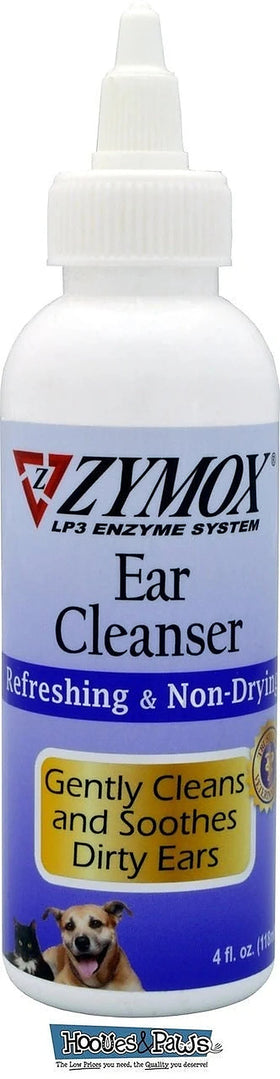
- Zymox Ear Cleanser Pet Dog Cleansing Treatment Non Toxic Bio-Active En
Frequently Asked Questions
My pet hates having their ears cleaned. Any tips to make it easier? I completely understand this struggle. The key is patience and positive association. Start by simply touching your pet’s ears and rewarding them with a treat. Gradually work up to holding the ear flap, then showing them the bottle, all followed by praise. Keep your first few cleaning sessions very short. Using treats as a reward right after you finish helps them learn that this process ends with something great. A calm, consistent routine will make a world of difference over time.
Can I just use water or hydrogen peroxide to clean my pet's ears? That’s a common question, but please don't. A pet's ear canal has a specific pH balance that is easily disrupted. Water can leave behind moisture that encourages yeast growth, and hydrogen peroxide is far too harsh, causing irritation and stinging in an already sensitive area. Always stick to a cleaning solution that is specifically formulated for pets to ensure it’s safe and effective.
How do I know if I should use a liquid cleaner or wipes? Think of it as the difference between a deep clean and a quick touch-up. Liquid cleaners are best for a thorough cleaning because they can flush out wax and debris from deep within the ear canal. Wipes are perfect for maintenance, like cleaning the visible outer parts of the ear and the ear flap. Many owners use a liquid solution for a monthly deep clean and use wipes for quick clean-ups in between.
Is it possible to clean my pet's ears too often? Yes, you can definitely have too much of a good thing. Over-cleaning can strip the ear canal of its natural oils and disrupt the healthy balance of microorganisms, which can lead to irritation. Instead of sticking to a rigid schedule, get in the habit of checking your pet's ears weekly. If you see a bit of dirt or wax, it's time for a cleaning. If they look clean and healthy, you can let them be.
My pet's ears are really smelly. Should I just clean them more? A strong, foul, or yeasty odor is more than just a sign of dirt; it's a major red flag. This kind of smell often indicates an underlying infection that requires a veterinarian's attention. While a good cleaning is part of the solution, you should schedule a vet visit first. They can diagnose the problem and prescribe the right treatment, which is a crucial part of managing your pet's health. You can find many vet-recommended dog health essentials to support their care.


