


Cleaning around dogs, cats, and other animal companions is not only about removing dirt. The product you choose, how you dilute it, and whether a surface is fully dry can all affect how safely pets return to the area. A familiar label or a natural-sounding ingredient is not, by itself, a complete safety test.
The best pet safe cleaning products match the surface and animal species. Use them exactly as directed, then rinse, dry, or air out the area before pets return.
ASPCA guidance says most cleaners are safe around dogs and cats when labels are followed. Birds need extra caution because they are highly sensitive to fumes.
That makes safe cleaning a practical process rather than a search for one perfect ingredient. Start by looking at the label, the likely exposure route, and the needs of every animal in your home, then consider what the product leaves behind after cleaning.
What Makes Pet Safe Cleaning Products Safer to Use?
Choosing pet safe cleaning products starts with more than a reassuring phrase on the front of a bottle. Check how the product should be used, where it will be applied, and when your animals can safely return to the area.
Start with the label and the surface
For dogs and cats, the ASPCA says most cleaning products are safe when used according to their labeled directions. Read those directions before buying, then confirm the product is intended for the surface you plan to clean. A formula designed for a hard floor may not be appropriate for food bowls, toys, bedding, carpet, or a kennel.
Pay close attention to dilution. Vinegar is acidic and can cause irritation or stomach upset, but the ASPCA notes that diluted, rinsed, and dry use is generally not an issue. More concentrated acidic or alkaline products can cause serious injury, so do not assume that a stronger mixture cleans more safely or effectively.
Plan for drying, rinsing, and ventilation
Cleaning is not finished when the visible mess disappears. If the label calls for rinsing, complete that step. If a product leaves a treated surface wet, keep pets away until it has dried. The ASPCA specifically advises allowing enzyme-based cleaners to dry before pets re-enter an area.
Ventilation also matters, particularly in small rooms or homes with multiple animals. Birds are extremely sensitive to fumes, and the ASPCA recommends obtaining veterinary advice before using cleaning products around them. If your household includes birds, use a separate, well-considered plan rather than applying a dog-and-cat rule to every species.
Account for how animals explore
Dogs and cats may chew, lick, or ingest unfamiliar objects. That makes residue, damp toys, and recently cleaned floors worth considering from an animal's point of view. Store concentrates securely, measure only as directed, and remove cleaning supplies before allowing pets back into the space.
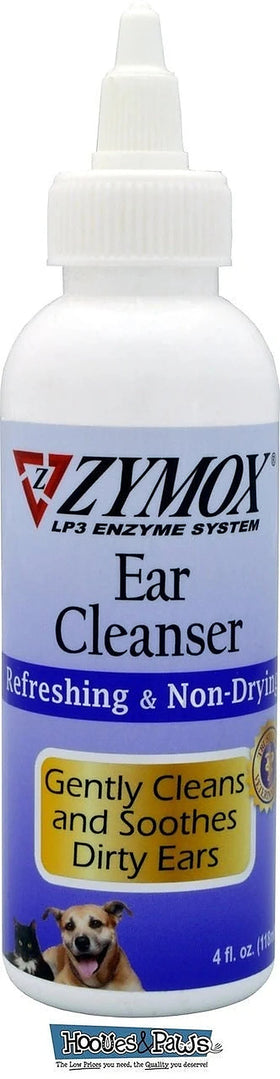
For a separate application such as ear care, choose a product made for that purpose and follow its directions. Do not substitute a household surface cleaner. You can compare this distinction with Hooves and Paws' pet-safe cleaner ingredient guidance.
If you suspect exposure to a toxic substance, contact your veterinarian or poison control immediately. ASPCA guidance is general information, not a substitute for managing a time-sensitive animal exposure.
How Should You Compare Ingredients and Product Formats?
Comparing pet safe cleaning products starts with the label, not a marketing adjective. Natural, plant-based, unscented, and fragrance-free can describe a formula, but none of those terms automatically proves that a product is harmless if it is licked, swallowed, inhaled, or left wet where an animal can reach it. Dogs and cats may explore unfamiliar household items by chewing, licking, or ingesting them, so consider both the ingredients and the way the product will be stored and used.
Read beyond natural, plant-based, or unscented claims
Some labels highlight plant-derived ingredients. For example, decyl glucoside may be described as a vegetable-based cleanser, but that description alone does not establish that the finished product is safe for every pet or every surface. Treat fragrance and fragrance-free claims the same way: they tell you something about the formula, not the full exposure risk. Look for clear directions covering dilution, ventilation, rinsing, drying, and when pets may return.
Disinfectants deserve extra care because stronger chemistry can create stronger hazards. Household acids and alkalis are corrosive materials, and they appear in products such as bleach, toilet bowl cleaners, and drain cleaners. More concentrated products can seriously injure the mouth, throat, esophagus, and stomach if swallowed. Do not assume that a product is appropriate for pet areas simply because it kills germs. Check whether the label permits the intended surface and follow every re-entry instruction.
Compare cleaners, detergents, and laundry formats
Enzyme cleaners are often chosen for organic messes, but they still require sensible handling. ASPCA advises allowing treated areas to dry before pets return because these products can cause mild stomach upset. Cationic detergents are another category to notice on household labels. They may be found in dryer sheets and fabric softeners, and exposure can cause signs such as drooling, vomiting, oral irritation, difficulty swallowing, weakness, poor coordination, or breathing difficulty. Cats may be especially sensitive to these detergents.
Laundry pods also deserve a format-based comparison, rather than a simple ingredient-list comparison. A study of 443 dogs reported to a poison helpline found that pod-exposed dogs were 1.8 times more likely to show clinical signs. The comparison was with dogs exposed to traditional liquid or powder detergent. Pod exposure was also associated with greater likelihood of vomiting and coughing. Read the PubMed study for the study details. Store pods securely and choose a format that reduces the chance of a pet puncturing or carrying the product.
If you suspect exposure, contact a veterinarian or poison control immediately. Product labels help you make safer choices, but they cannot replace urgent professional guidance for a real exposure.
Shop This Post

Featured in this article
Zymox Otic Pet Ear Care with 0.5% Hydrocortisone - Enzymatic Ear Solution for Dogs & Cats - 1.25 oz
$22.49
Shop Now →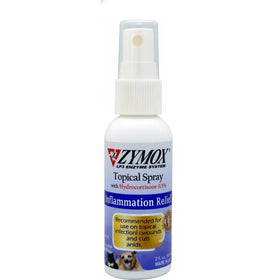
Safer Cleaning Routines for Floors, Crates, Toys, and Pet Areas
A careful routine matters as much as the product you choose. Dogs and cats may investigate freshly cleaned areas by licking, chewing, or touching unfamiliar objects, so cleaning is not finished when the surface looks dry. Plan where your pet will stay while you work, and keep bottles, buckets, and damp cloths out of reach.
- Remove pets and loose items first. Move animals to a separate, well-ventilated area before cleaning floors, crates, bedding areas, or toys. Pick up food and water bowls, chews, and toys so cleaner cannot collect underneath or inside them. Follow the label for the intended surface, concentration, contact time, and required protective measures. Never assume that a product is safer because it is labeled natural or mild.
- Prepare the surface safely. For floors and pet areas, remove hair and debris before applying cleaner. If using a concentrated product, measure and dilute it exactly as directed rather than estimating. Household acids and alkalis can cause extensive tissue damage, and more concentrated products can seriously injure the mouth, throat, esophagus, and stomach, according to the ASPCA's corrosive household product guidance.
- Clean toys, crates, and washable equipment with a rinse-and-dry plan. ASPCA guidance says diluted bleach may be used on pet toys and kennels when it is thoroughly rinsed and the bleach odor has dissipated before pets return. Undiluted bleach can injure a pet's mouth and esophagus if ingested. For vinegar, dilute it, rinse the item or surface, and allow it to dry. Enzyme cleaners also need to dry completely before a pet re-enters the area.
- Handle floors, carpets, and laundry cautiously. Ventilate rooms while products are in use, and keep pets away from wet floors, damp rugs, and treated bedding. Before using hydrogen peroxide on a dark carpet or rug, spot test a hidden area because it may lighten the material, as noted in this pet-safe home cleaning reference. For laundry, follow the detergent label and store pods securely, since a published study found pod-exposed dogs were more likely to develop clinical signs than dogs exposed to traditional detergent.
- Inspect before restoring access. Check that surfaces are rinsed where appropriate, items are fully dry, odors have dissipated, and no cleaner remains in seams, cracks, bowls, or toy openings. Reopen the area only when it is ready for normal licking, paw contact, and play. If you suspect exposure to a toxic substance, contact your veterinarian or poison control immediately rather than relying on a general cleaning guide.
What Should You Avoid Mixing or Using Carelessly?
Even well-intentioned cleaning can create avoidable risks when products are concentrated, combined, or left within reach. Dogs and cats may investigate household products by chewing, licking, or swallowing unfamiliar items, so store cleaners securely and keep pets away while you work and while treated surfaces are wet.
Use extra care with corrosive products
Acids and alkalis can cause extensive tissue damage. They may be found in products such as bleach, toilet bowl cleaners, and drain cleaners. Small exposures to diluted products may cause mild stomach upset, but more concentrated products can seriously injure the mouth, throat, esophagus, and stomach. Never mix cleaning products unless the label specifically directs you to do so, and follow the product's dilution and ventilation instructions.
Chlorine products also deserve careful handling. Chlorine pool tablets may release fumes that irritate or damage the respiratory tract. Use them only as directed, keep animals out of the area, and provide appropriate ventilation. Do not assume that a strong smell is harmless simply because a product is intended for household or outdoor use.
Be cautious with cationic detergents and fumes
Cationic detergents can appear in dryer sheets, fabric softeners, and some liquid potpourri or diffuser liquids. These ingredients can cause significant chemical burns to the mouth, esophagus, and other tissues. Cats may be especially sensitive, with severe signs possible after relatively small exposures. Drooling, vomiting, oral irritation, difficulty swallowing, weakness, uncoordinated walking, or breathing difficulty warrants urgent professional guidance.
Birds require a separate level of caution. The ASPCA advises obtaining veterinary advice when using cleaning products around birds because they are extremely sensitive to fumes. Move birds away from cleaning activity rather than relying on an open window or a short airing-out period.
Keep products separate, follow every label, ventilate appropriately, and prevent pets from accessing wet surfaces, containers, and residue. Natural or familiar does not remove the need for careful use.
What should you do after suspected exposure?
If you suspect exposure to a toxic substance, contact your veterinarian or an appropriate poison-control service immediately. Do not rely on a general online guide to assess or manage a time-sensitive exposure. The ASPCA notes that its household-products guidance is general information, not a substitute for professional exposure management.
ASPCA household-products guidance provides general safety context, but professional advice should guide the response to a suspected exposure.
Choosing Cleaning Products for Dogs, Cats, Horses, and Multi-Animal Homes
The right choice depends less on a product's marketing language than on the animal, the surface, and how that area will be used. Dogs and cats commonly investigate household products by chewing, licking, or ingesting unfamiliar objects, so label directions, secure storage, and complete drying matter. Horses add larger, frequently soiled spaces such as stalls, trailers, buckets, and grooming areas. Birds require an extra level of caution because they are highly sensitive to cleaning-product fumes. ASPCA guidance recommends veterinary advice when using cleaners around birds.
| Animal or setting | Label priority | Main exposure concern | Practical routine |
|---|---|---|---|
| Dogs | Follow the label directions and dilution instructions exactly. | Licking wet surfaces, chewing containers, or ingesting residue. | Remove the dog, clean as directed, and keep the area unavailable until it is dry. |
| Cats | Check directions, ingredients, and required ventilation before use. | Licking paws after contact with residue or investigating stored products. | Keep products secured, ventilate appropriately, and wait until treated surfaces are dry. |
| Horses | Prioritize surface compatibility and directions for stalls, equipment, and washable areas. | Contact with wet residue on stall surfaces, buckets, tack, or grooming equipment. | Move the horse away, clean and rinse when directed, then allow surfaces and equipment to dry. |
| Birds | Seek veterinary advice before selecting or using a cleaner. | Fumes, which can be especially hazardous for birds. | Keep birds away from the cleaning area and provide appropriate ventilation before re-entry. |
| Multi-animal homes | Choose directions that work for the most sensitive species present. | One product may create different risks across species, especially through licking or fumes. | Clean in zones, separate animals, and return them only after the area is dry and well ventilated. |
Format matters, too. In a study of 443 dogs, including 294 liquid-pod exposures and 149 liquid or powder detergent exposures, pod-exposed dogs were 1.8 times more likely to develop clinical signs. Read the published study details when evaluating laundry products, and consider avoiding easily punctured formats in homes with curious animals. For vinegar, ASPCA advises dilution, rinsing, and drying; enzyme cleaners should also dry before pets return. Hooves and Paws brings practical dog, cat, and equestrian experience to product selection. That helps animal families compare labels and choose supplies that fit their routines without relying on vague claims.
Shop Pet Care Essentials Today
Frequently Asked Questions
What is the safest cleaner to use around pets?
No single cleaner is safest for every home. Choose a product with clear label directions, match it to the surface, and keep pets away until the area is fully dry. Most cleaning products are considered safe around dogs and cats when used according to their labels, according to the ASPCA.
How can I make my house smell good without harming my pets?
Start with ventilation, regular waste removal, and thorough cleaning rather than masking odors with fragrance. Store concentrated cleaners, diffuser liquids, and fabric softeners securely. Birds are especially sensitive to cleaning-product fumes, so ask your veterinarian for guidance before using these products around them.
What can I clean my floor with that is safe for pets?
Use a floor product labeled for that surface, follow its dilution instructions, and keep pets off the floor until it is dry. For vinegar-based cleaning, dilution, rinsing, and drying are important because vinegar is acidic and may cause irritation if used carelessly.
Are enzyme cleaners safe for dogs and cats?
Enzyme cleaners can be useful for pet messes, but they still need careful use. Follow the label, ventilate the area, and wait until the treated surface has dried before allowing pets back into the space. Avoid letting animals lick wet product.
What should I do if my pet licks a cleaning product?
Remove the product from reach and contact your veterinarian or an animal poison-control service immediately if you suspect exposure to a toxic substance. Do not rely on a general online guide to assess a time-sensitive exposure, and have the product label or container available when you call.
Ready to Choose Pet Care Essentials?
Finding the right cleaning routine is easier when you can compare practical pet-care options with your animals, surfaces, and daily habits in mind. Hooves and Paws brings together a curated selection for pet families who value thoughtful products and helpful guidance.


