


The right English spur should clarify your aid, not replace a balanced leg or careful timing. Prince of Wales and hammerhead spurs are both established options, but their different end shapes create different sensations and communication preferences for horse and rider.
Shop English riding spurs and spur straps
When comparing prince of wales spurs vs hammerhead spurs, Prince of Wales spurs offer a gentle. Precise aid, while hammerhead spurs have a blunt, flat end designed to provide a more distinct signal. The better choice depends on your experience, your horse's sensitivity, and your discipline.
Before choosing between them. It helps to understand exactly how the Prince of Wales design is shaped and why it remains a practical starting point for many English riders.
What Are Prince of Wales Spurs?
Prince of Wales spurs are a classic English riding design valued for a refined, precise aid. They typically feature a short, gently curved neck with a rounded end, creating the familiar swan-neck profile. Some versions use a small, smooth rowel instead of a solid rounded tip. In either form, the goal is controlled communication rather than a harsh or abrupt sensation.
The rounded shape gives the rider a focused point of contact when the leg aid needs more definition than the heel or calf alone can provide. That can be useful when asking for greater responsiveness, reinforcing an established cue, or communicating a subtle change without repeatedly increasing leg movement. Prince of Wales spurs are therefore often considered a gentle yet effective option for riders who already have a steady lower leg and understand how lightly to apply them.
"Gentle" describes the intended use of the design, not an automatic result. The effect depends on the rider's leg position, timing, and pressure, as well as the horse's sensitivity and training. A quiet, balanced rider can use a Prince of Wales spur as a precise communication aid. An unsteady leg can create unintended signals with any spur style. The design itself is secondary to a consistent, considerate application of the aid.
For an overview of related designs, including differences in neck length and rowel styles, see this English spurs guide. When you are ready to compare options, explore the English riding spurs and spur straps collection.
Why is the Prince of Wales design considered precise?
Its compact, curved neck places the tip near the horse's side without requiring the rider to swing the heel or exaggerate the leg. That close placement can make the cue easier to direct, particularly in English disciplines where riders aim to keep the leg long and the aids discreet. The rounded end or smooth rowel is intended to deliver a clear point of contact while preserving a measured feel.
Choosing this style still requires an honest assessment of the horse-and-rider combination. Experience level, the horse's sensitivity, and the discipline's requirements all matter. Used thoughtfully, Prince of Wales spurs can support quiet communication. They should complement correct flatwork and an independent lower leg, never replace them.
What Are Hammerhead Spurs?
Hammerhead spurs are English riding spurs with a short neck that ends in a blunt, flattened, and usually rounded head. Instead of a small rowel, the end presents a broader contact point against the horse's side. That shape can create a clearer, more distinct pressure signal, which some riders find useful when a precise training aid is needed.
The neck is commonly straight or gently curved, depending on the model. Its length and angle determine where the spur meets the horse, while the flattened head influences how that contact feels. Compared with the rounded point of a Prince of Wales spur, a hammerhead design tends to communicate through a more definite, focused touch rather than a rolling action. It should never be confused with a stronger aid by default. The rider's leg stability, timing, and pressure remain the primary factors in how any spur feels.
How does a hammerhead spur feel?
In a quiet, controlled leg, the blunt head can offer a distinct cue without requiring a large movement from the rider. This may help an experienced rider clarify a response during schooling, transitions, or other moments when a horse needs a consistent reminder to stay attentive to the leg. The sensation should remain deliberate and measured, not sharp, abrupt, or repetitive.
As with any spur, the horse's sensitivity and the rider's experience matter. A horse that responds readily to light aids may not need this style, while a horse-and-rider combination working toward more precise communication may benefit from its clear contact. Correct positioning on the boot is essential so the spur does not create accidental signals.
When are hammerhead spurs appropriate?
Hammerhead spurs are associated with English disciplines, including schooling and other flatwork where accurate leg communication matters. They are not a shortcut for an inconsistent lower leg, and they should be introduced with guidance when a rider is still developing independent aids. Riders comparing them with Prince of Wales designs should consider the horse's response, the intended discipline, and their own ability to apply a gentle, steady cue.
For a broader look at English options, explore English riding spurs and spur straps and choose equipment that supports clear, considerate communication.
Shop This Post

Featured in this article
Weaver Leather Heel Straps with Rubber - 8" Length - Durable Black Rubber and Leather Spur Straps
$13.75
Shop Now →
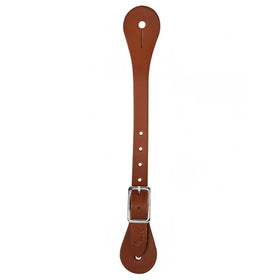
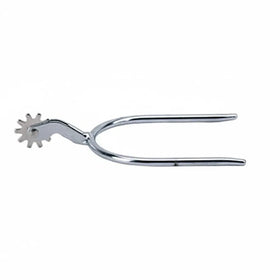
Prince of Wales vs Hammerhead Spurs: The Key Design Differences
Both designs are used in English riding, but they communicate through different contact shapes. Prince of Wales spurs are commonly chosen as a gentle, precise aid, while hammerhead spurs use a blunt, flattened end to create a clearer, more distinct signal. The right comparison is not about which spur is universally stronger. It is about how the design matches the rider's leg control, the horse's sensitivity, and the discipline's expectations.
| Design factor | Prince of Wales spurs | Hammerhead spurs |
|---|---|---|
| Neck shape | Typically a short, curved neck that places the contact point close to the horse's side. | Usually built around a more direct neck and a broad, flattened end. |
| End or point type | A small rounded rowel or rounded contact point, designed for a refined aid. | A blunt, flat-ended head that offers a noticeably distinct point of contact. |
| Level of stimulation | Often preferred when the rider wants a mild, precise signal that can be applied quietly. | Can feel more defined because the flat end delivers a clear, concentrated signal without a sharp point. |
| Typical discipline fit | A versatile English option for riders working on accurate, subtle communication in disciplines such as dressage or hunter work. | Useful in English training situations where the rider needs a more unmistakable cue and has the control to apply it thoughtfully. |
| Best suited to | Riders developing precise leg aids, or combinations that respond well to a lighter, more nuanced signal. | Experienced riders seeking a distinct training aid, particularly when a horse is less responsive to a quieter cue. |
How should you interpret the difference?
The shape alone does not determine the intensity of a spur. Rider leg position, timing, and pressure have a major effect on how any design feels to the horse. A hammerhead is not automatically harsh, and a Prince of Wales spur is not automatically appropriate for every rider or horse. Both should be used with a stable lower leg and a deliberate, gentle application.
Selection should account for rider experience, horse sensitivity, and discipline requirements. If you are still refining your position, a design that supports quiet, consistent communication may be the better starting point. Riders comparing fit, length, and strap options can review English riding spurs and spur straps before choosing a pair.
In short, Prince of Wales spurs emphasize subtle precision, while hammerhead spurs emphasize a more recognizable blunt contact. The best choice is the one that gives the rider enough clarity without replacing balanced aids or careful attention to the horse's response.
How Do Rowel and Blunt-End Spurs Change the Aid?
The end of an English spur changes how the aid is felt, but it does not determine the aid by itself. A rolled rowel and a blunt, flat hammerhead end create different points of contact and sensations. The rider's leg position, timing, and pressure remain the greater influence on how strong the cue becomes.
How does a rowel feel?
A Prince of Wales spur typically has a small, rounded rowel at the end of its neck. When used with a quiet, correctly positioned leg, the rowel can create a brief rolling sensation against the horse's side. That rolling contact is often chosen when the rider wants a refined reminder rather than a broad, blunt signal. It should never be used to scrape, jab, or maintain constant pressure.
The rounded design is commonly associated with a gentle, precise aid for English riding and horse-and-rider communication. The effect still depends on the individual horse. A sensitive horse may respond to the lightest touch. While a less responsive horse may need clearer timing and better engagement from the rider's seat and leg before any change in equipment is considered.
What does a blunt end communicate?
A hammerhead spur has a flattened, blunt end that presents a more distinct point of contact. Some riders prefer that clear signal during specific training communication, particularly when a narrow, well-timed cue is easier for the horse to understand than repeated leg pressure. Distinct does not mean harsh. A blunt end can become uncomfortable when the rider carries the leg too far back, braces, or applies more force than the situation requires.
For either style, think of the spur as an amplifier of an existing aid, not a replacement for balanced riding. Keep the lower leg stable, apply the cue briefly, and release as soon as the horse responds. Correct spur placement on the heel of the boot also helps prevent accidental signals and keeps communication consistent. If you are comparing designs, view English riding spurs and spur straps while considering your horse's sensitivity, your experience, and your discipline.
Watch the horse's response rather than judging the design in isolation. Tension, tail swishing, rushing, or avoidance can indicate that the timing, pressure, fit, or equipment needs to change. A quiet, responsive answer is the better measure of a precise aid.
Which Spur Fits Your Discipline and Experience Level?
The right English spur depends on more than the shape of its neck. Consider the discipline, the horse's sensitivity, and how steady and independent your leg is before choosing a design. A Prince of Wales spur is generally a milder, precise option for a sensitive horse or a newer rider who is learning to apply carefully timed aids. A hammerhead spur may suit a horse that needs a clearer, more distinct signal, but it still requires a quiet, educated leg.
Dressage: precision and restraint
Dressage riders often need an aid that communicates without creating unnecessary tension. The rounded end of a Prince of Wales spur can be a practical choice when the goal is subtle refinement. Especially for a horse that responds readily to the rider's calf. It can also give a developing rider a way to improve accuracy without immediately choosing a more pronounced signal.
More advanced combinations may benefit from a hammerhead when the horse needs a distinct, well-timed cue through a particular movement. That does not make it automatically stronger or better. The rider's leg position and pressure have a major effect on intensity, so the design should support the communication already established through training.
Hunter and jumper work: quiet aids in forward motion
In hunter and jumper riding, the spur should complement a balanced position and an even rhythm. A Prince of Wales style can work well for riders who need occasional clarification without disturbing the horse's way of going. For a horse that ignores a light aid or needs a more recognizable signal during schooling, a hammerhead may be worth considering under guidance from a qualified trainer.
Schooling and rider experience
Beginners should first develop a stable lower leg, independent seat, and consistent use of the calf. If a rider is still unintentionally moving the heel, a milder spur may not solve the underlying issue. And a trainer should help determine whether a spur is appropriate at all. Experienced riders can make a more informed choice based on the horse's response, the day's training goal, and the demands of the discipline. Selection should always account for rider skill, horse sensitivity, and discipline requirements.
Quick Recommendation
- Newer rider or sensitive horse: Consider a Prince of Wales option for a measured, precise aid.
- Experienced rider or horse needing a clearer cue: Consider a hammerhead option, ideally with trainer input.
Shop Now for English riding spurs and spur straps, or View Product options before making your selection.
Whichever style you choose, introduce it thoughtfully and observe the horse's response. A change in tension, rhythm, tail activity, or willingness to move forward is useful feedback. Adjust the aid and seek qualified instruction rather than assuming a different spur will correct a training problem.
How to Choose, Fit, and Pair Your English Spurs
A well-chosen spur should support a clear, quiet leg aid rather than compensate for an unstable position. Whether you are comparing Prince of Wales spurs vs hammerhead spurs or narrowing down a length for your discipline. Consider your boot, leg position, horse's sensitivity, and riding goals together. The right fit also matters as much as the spur's shape.
- Match the length to your boot and leg. Choose a spur length that can reach the horse's side without forcing you to rotate your heel, lift your toe, or exaggerate your leg movement. A shorter option may suit a lower heel or a rider who needs only a subtle aid. A longer neck should be selected thoughtfully, with attention to your discipline, experience, and the horse's response. The goal is reliable contact at the intended point, not maximum reach.
- Choose the end style for the signal you need. Prince of Wales spurs are a classic English option for a gentle, precise aid, while hammerhead spurs have a blunt, flat end that creates a more distinct signal. Design is only part of the result. The rider's leg position and pressure control the intensity, so use the lightest effective aid and adjust based on the horse's feedback.
- Position the spur correctly on the heel. Place it on the heel of the riding boot so it remains stable and makes contact only when you intentionally close your leg. A spur that sits too high, too low, or at an angle can create accidental cues and inconsistent communication. Before mounting, check that both spurs sit evenly and that the neck points in the intended direction.
- Pair the spurs with quality straps. Select straps that fit your boot's spur rests and complement the spur's construction. Thread each strap securely through the spur, then position it snugly behind the boot heel. It should hold the spur in place without pinching, twisting, or restricting the boot. Recheck the fit after walking a few steps, since loose straps can allow the spur to shift during a ride.
- Test the setup before relying on it. Inspect the straps, walk, and practice your leg position before using the spurs in active schooling. If the spur moves, catches, or produces an unintended response, dismount and correct the fit. For more detail on components and sizing, review this guide to different types of horse spurs, then browse English riding spurs and spur straps selected for practical use.
How to Use English Spurs Safely and Responsibly
An English spur should refine a clear, balanced leg aid, not serve as a correction tool. Before using one, make sure your basic position, timing, and rein control are reliable enough to communicate without relying on the spur. The design matters, but the rider determines the intensity through leg position, contact, and pressure. As Penn State Extension explains in its safe horse-handling guidance, spur application should remain gentle and consistent.
Start with placement and a quiet leg
Fit the spur securely on the riding boot, with the strap adjusted so it does not slide or twist. Correct placement helps keep the spur in a predictable position and reduces accidental cues. A loose spur can make an otherwise subtle movement confusing for the horse. Check the fit from the saddle and, when possible, ask an instructor to watch your lower leg at walk, trot, and canter.
Use the spur only when a lighter aid has been understood and needs refinement. Keep your heel relaxed, maintain an even lower-leg position, and apply brief, purposeful pressure rather than repeated nagging. If your leg swings, your balance changes, or you are using the spur to force a response, return to simpler exercises and seek qualified instruction.
Read the horse before increasing pressure
Responsible riding includes watching the horse's whole body. Tension, tail swishing, a hollow back, pinned ears, rushing, bracing, or avoidance may indicate discomfort, confusion, fatigue, or an unsuitable training demand. Research on equine calming signals notes that recognizing these cues and adapting the learning environment can reduce tension and support better learning (equine calming-signal research).
Do not respond to a warning signal by automatically using more spur. First check your own position, the horse's physical and mental state, the exercise, and the clarity of your aid. A horse may arrive tired, uncomfortable, or distracted, and riding instruction may need to change accordingly, as discussed in research on rider adaptability (horse and rider instruction). If the horse becomes increasingly tense, stop, reassess, and involve a qualified trainer or equine professional.
Shop English Spurs and Spur Straps Today
Frequently Asked Questions
What is the difference between Prince of Wales and hammerhead spurs?
Prince of Wales spurs have a rounded, usually roweled end that supports a gentle, precise aid. Hammerhead spurs have a blunt, flat end that gives a more distinct signal. The better choice depends on your discipline, your horse's sensitivity, and your ability to apply a steady leg aid. See the supporting product details.
Are Prince of Wales spurs suitable for beginners?
They can be a practical starting point for a rider learning to use a refined English spur, particularly when a subtle aid is appropriate. Beginners should first develop a balanced lower leg and receive guidance from an experienced instructor. A gentler design does not replace careful, consistent application.
When should you use hammerhead spurs?
Hammerhead spurs may suit a rider who needs a clear, focused signal for a specific training situation. They should not be chosen simply because they appear stronger. Match the spur to the horse, the rider's experience, and the demands of the discipline, then use the lightest effective aid.
Which spur type is milder for a sensitive horse?
Prince of Wales spurs are generally considered the milder option because their rounded end offers a less sharply focused contact. The rider's leg position and pressure still control the intensity of the aid, so either design can be misused if applied abruptly. Review safe horse-handling guidance when refining your technique.
How do you choose the right spur length?
Choose a length that lets your heel reach the horse's side without excessive leg movement or a forced position. Consider your leg length, saddle position, discipline, and the amount of contact your horse needs. Fit the spur securely on the heel of the boot so it stays consistent and does not create accidental cues.
Ready to Choose the Right English Spurs?
Understanding how Prince of Wales and hammerhead spurs differ can help you select an aid that suits your discipline, riding goals, and communication with your horse. When you are ready to compare options, shop English riding spurs and spur straps today. Choose thoughtfully, fit your spurs correctly, and use them with a quiet, consistent leg.


