


Smart cat toys give indoor cats more than occasional novelty. The right interactive option can turn a quiet room into a safe opportunity to stalk. Chase, pounce, and explore, while still fitting your cat's temperament and your household routine.
Smart cat toys combine movement, sensors, lights, or app controls to make play more engaging. This guide compares automated, laser, motion-activated, and app-controlled formats, then covers boredom relief, selection, safety, and practical play routines.
Technology can add useful variety, but it works best alongside caregiver interaction and thoughtful enrichment. Before choosing a format, consider how your cat plays, whether the toy is suitable for independent or supervised use, and what maintenance it requires. Those decisions begin with understanding why structured enrichment matters for indoor cats.
Why Do Smart Cat Toys Matter for Indoor Cats?
Smart cat toys can add movement, novelty, and problem-solving opportunities to an indoor cat's routine. They work best as one part of enrichment, alongside caregiver interaction, safe spaces, scratching options, and veterinary care when health or behavior changes arise.
Indoor living protects cats from many outdoor hazards, but it does not remove their need to investigate, stalk, chase, pounce, and explore. Research on indoor cats notes that they retain natural behaviors, and that a lack of suitable outlets may contribute to health or behavior problems. Environmental enrichment research therefore treats the home itself as an important part of feline welfare.
Smart cat toys are designed to make some of that environment more responsive. Depending on the format, a toy may move across the floor, react to a touch or nearby motion, flash a light, or allow a caregiver to control play through an app. These features do not make a toy automatically better than a simple wand, ball, or kicker. Their value comes from matching a cat's preferred style of play and creating opportunities for brief, engaging activity.
How movement and sensors connect with natural play
Movement can imitate the unpredictable direction changes of small prey. A rolling toy may encourage watching, following, and chasing. A motion-activated design can create a short surprise when a cat approaches. Lights may attract visual attention, while an app-controlled toy can let a caregiver vary timing or direction during a shared play session. The goal is not to keep a cat constantly stimulated. It is to offer manageable invitations to interact, then allow the cat to rest.
Novelty also matters. A toy that behaves in exactly the same way every time may lose its appeal. While changing the location, schedule, or type of play can make familiar items feel different. Rotating options and observing which movements your cat follows, bats, or ignores is more useful than assuming every cat will enjoy the same technology.
What smart toys cannot replace
Automation can support independent play, especially during quiet periods when a caregiver is occupied. It cannot replace attention, social interaction, or a varied home environment. Cats still benefit from appropriate scratching surfaces, elevated resting areas, hiding places, and play led by a person. Some cats prefer predictable human-led games, while others need more supervision around moving parts, cords, or small components.
Use app controls as a convenience, not as a promise of constant engagement. Verify actual features, charging requirements, cleaning instructions, and supervision guidance on the individual product page. Laser play deserves particular care: never direct a beam toward eyes, do not treat it as unsupervised all-day entertainment. And finish with an appropriate physical or edible reward so the play session has a tangible conclusion.
Finally, a toy is not a diagnosis or treatment. Sudden withdrawal, aggression, compulsive behavior, appetite changes, or a sharp drop in activity warrant a conversation with a veterinarian. Smart cat toys can enrich an indoor routine, but the best results come from combining thoughtful play choices with observation and responsive caregiving.
What Types of Smart Cat Toys Are Available?
Smart toys are not one single format. The useful feature may be a timer, a sensor, a changing movement pattern, a treat compartment, or a connection to an app. Each option creates a different kind of play, so the best match depends on what your cat already enjoys and how involved you can be during the session.
Timed and automated toys
Timed toys activate on a schedule or run through programmed play cycles. They can be helpful for adding short periods of activity to a predictable household routine, especially when your cat tends to become restless between regular play sessions. Depending on the design, an automated toy may move, spin, flash a light, or release a small amount of food.
Automation does not mean a toy is appropriate to leave running indefinitely. Check whether the product is intended for independent use, how long each cycle lasts, and whether the manufacturer recommends rest periods. A quieter, enclosed design may suit a cat that prefers low-key exploration, while a more active device may appeal to a persistent chaser.
Motion-activated toys and rolling balls
Motion-activated toys respond when a cat approaches, bats, or walks past. This can create an element of surprise without requiring a caregiver to operate the toy continuously. Rolling balls and moving toys use a similar idea, turning chasing, pouncing, and batting into a more dynamic game. Some cats enjoy unpredictable direction changes, while others prefer a simple toy that they can easily track.
For a closer look at why movement can hold feline attention, read this guide to motion-based cat play. Observe your cat rather than assuming more speed is better. A toy that is too noisy, fast, or difficult to catch may be ignored or become frustrating.
Laser toys
Automatic or handheld laser toys can encourage a cat to watch, stalk, and chase a moving point of light. Laser play should be supervised. A cat cannot physically catch the light, so finish the session with an appropriate physical or edible reward when the product guidance allows it. This gives the play sequence a more satisfying endpoint. Do not use a laser as unsupervised, all-day entertainment, and follow the manufacturer's instructions about distance and eye safety.
Puzzle and food-dispensing formats
Puzzle toys and food-dispensing devices make a cat work through a simple challenge to reach a portion of food or treats. They can add mental stimulation and slow down routine snacking, but the difficulty should match your cat's experience. Begin with an accessible design, supervise early sessions, and clean the toy as directed. Use only foods and portions that fit your cat's normal diet.
App-controlled and camera-connected options
App-controlled toys can let a caregiver start movement, change a setting, or check on a pet from a phone, depending on the model. Treat these features as product-specific. Confirm the connection method, app requirements, controls, privacy settings, power needs, and what happens if the internet or app is unavailable. Remote access is most useful when it supports a safe, familiar play routine, not when it encourages constant activation.
Shop This Post

Featured in this article
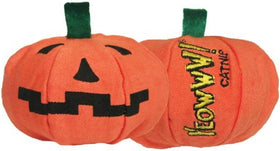
Ducky World Yeowww! Cigar 7" Organic Catnip Kicker for Barn Cats
$12.11
Shop Now →

How Do You Choose Smart Cat Toys for Your Cat?
Begin with your cat rather than the technology. Does your cat chase fast movement, stalk slowly, bat at small objects, investigate hidden spaces, or work for treats? The answer helps you narrow the category. A persistent chaser may respond to rolling movement, while a cautious cat may need a quiet design introduced at a distance. Cats that enjoy food puzzles may prefer a challenge that rewards investigation instead of speed.
Next, decide whether the toy will be used independently, together with you, or in both ways. Independent-play products need especially careful checks for loose pieces, cords, accessible batteries, and automatic rest periods. Shared-play toys can be more interactive, but they still need safe storage and inspection. In a multi-cat home, consider whether the design encourages competition or gives each cat enough space to participate.
Smart Cat Toy Recommendation Framework
| Cat or household need | Features to prioritize | Questions to verify |
|---|---|---|
| Chasing and pouncing | Variable movement, a stable design, and a surface suited to your floor | Is the speed adjustable? Does it have rest cycles? |
| Quiet investigation | Lower noise, hidden movement, or a manageable puzzle | Can your cat approach without startling? Is cleaning simple? |
| Food-motivated play | Accessible compartments and an appropriate difficulty level | What foods fit? Can each part be washed as directed? |
| Caregiver-led play | App or handheld controls that vary timing or direction | What happens if the connection or battery fails? |
| Multi-cat households | Durable construction, safe spacing, and more than one enrichment option | Could one cat guard the toy or block another? |
Check construction next. Look for durable, securely attached components and a size that cannot be swallowed. Consider noise on the floor where the toy will run, charging or battery requirements, cleaning instructions, and storage. App-controlled models should list the required operating system and connection method. Verify each detail on the individual product page instead of assuming every smart toy offers the same controls.
For category-based shopping, explore the Toys and Scratch Posts collection. Hooves and Paws is a family-owned specialty retailer that has served animal families since 1994, so the goal is useful curation rather than a one-size-fits-all claim. Use the product images, specifications, brand information, availability, and customer reviews shown on each listing as part of your decision.
Smart Cat Toy Safety: What Should You Supervise?
Technology can make play more convenient, but it does not remove the need for good judgment. Before leaving a smart cat toy running, watch how your cat interacts with it during several supervised sessions. A toy that is safe for one cat may be a poor fit for another, especially if your cat chews, pounces forcefully, guards resources, or plays with housemates.
Supervise lasers and finish with a real reward
Laser toys should be used for guided play rather than left on as all-day entertainment. Keep the light away from your cat's eyes, fragile objects, stairs, and areas where a fast chase could cause a collision. Most importantly, finish the session by directing your cat to a physical toy, treat, or other appropriate edible reward. Catching nothing at the end can leave the play sequence incomplete for some cats. Keep laser sessions brief and follow the product's instructions for operation and storage.
Inspect strings, small parts, and chew points
Strings, ribbons, feathers, detachable decorations, and small moving pieces can become hazards if they loosen or break away. Interactive toys with these features generally belong in supervised play, followed by safe storage out of reach. Check seams, covers, wheels, wand attachments, and battery doors for damage. If your cat bites through a housing or begins tearing a toy apart, remove it immediately. Do not assume a toy is safe simply because it was designed for cats; the cat's actual play style determines the risk.
Manage charging, batteries, and heat
Charge electronic toys on a stable, dry surface away from bedding, water, and chewing access. Use the supplied charger or the power method specified by the manufacturer. And stop using the toy if the battery compartment, cable, or casing becomes cracked, swollen, unusually hot, or wet. Keep loose batteries and charging cords secured. Avoid placing a charging toy where another pet can knock it down or lie against it. Check the instructions for cleaning, charging time, and whether the toy should be switched off before storage.
Use rest cycles and create a calm play surface
Place a moving toy on a clear, stable surface away from stairs, fragile objects, cords, and narrow gaps. Automatic rest cycles can help prevent endless repetition, but a rest cycle does not replace observation. Watch for frustration, guarding, over-arousal, or loss of interest. In homes with multiple cats, provide alternatives and intervene if play becomes competitive. For more guidance on leaving automatic toys available, review automatic cat toy safety.
Inspect every toy regularly. Remove hair, dust, and food residue according to the care instructions. Replace or retire a toy when its casing cracks, seams loosen, attachments detach, or your cat can access the internal mechanism. When in doubt, choose supervision over convenience.
How to Build a Smart Toy Rotation That Works
A rotation keeps smart cat toys from becoming background objects. It also makes it easier to notice which movements, sounds, and challenges your cat actually enjoys. The aim is not to create a complicated schedule. It is to provide variety while keeping every play option safe, clean, and appropriate for the cat in front of you.
- Observe the starting point. Watch what your cat chooses without forcing interaction. Note whether your cat follows movement, prefers batting, searches for hidden objects, or responds more strongly to food rewards. This baseline will guide the first choices.
- Choose two or three different formats. Combine a movement-based toy with a puzzle, a simple physical toy, or a caregiver-led option. Different formats let your cat switch activities without requiring every toy to be electronic.
- Introduce short sessions. Begin while you are present. Use a calm surface and stop before your cat becomes frustrated or overly stimulated. Test automatic features, app controls, and moving parts before considering any independent use.
- Rotate when interest fades. Store some toys safely and bring them back after a break. Change the location or timing when appropriate, but do not make the environment so unpredictable that a cautious cat avoids it.
- Pair independent play with shared play. Automated toys can fill a quiet interval, while caregiver-led play gives you a chance to vary movement and observe body language. For more ideas, read about automatic toys for cat boredom and motion-based cat play.
- Clean and inspect each item. Remove hair and food residue as directed. Check batteries, cords, seams, wheels, strings, and small attachments before returning a toy to the rotation. Retire anything damaged or unsafe.
Adjust the plan for age, mobility, energy, and household dynamics. A kitten may need simpler sessions and closer supervision, while a senior cat may prefer slower movement and accessible rewards. If your cat suddenly stops playing or shows a concerning behavior change, look beyond the toy and ask a veterinarian for guidance.
Recommended Cat Toy Features to Check Before Buying
Start with durability. Look for sturdy construction and securely attached parts that can withstand batting, pouncing, and repeated use. Avoid any toy with loose pieces, accessible wires, or components your cat could chew or swallow. Size matters too. A toy should be large enough that it cannot be swallowed. But not so bulky that it becomes difficult for a kitten, senior cat, or smaller room to use comfortably.
Noise is another practical consideration. A motor that seems quiet in a product demonstration may sound different on a hard floor or in a small apartment. If your cat is cautious, choose a gentler format and introduce it while you are present. For cats that enjoy chasing, rolling or motion-activated toys may be a better category fit than a loud, unpredictable device.
Check the power and app experience
Battery and charging requirements affect whether a toy will actually become part of your routine. Confirm how it charges or what batteries it uses, whether the power connection is secure, and how easy it is to store the toy safely between sessions. App-controlled models deserve an extra check. Verify the required operating system, connection method, account setup, and core controls on the product page. Treat app features as conveniences to confirm, not capabilities to assume. A toy that works reliably with simple controls may be more useful than one with advanced features you rarely use.
Plan for cleaning, rest, and supervision
Choose surfaces that can be wiped or cleaned according to the manufacturer's instructions, especially if the toy touches food, treats, or dusty floors. Inspect it regularly for hair, cracks, loose seams, and worn attachments. Smart toys should also have rest periods. Avoid leaving a motorized toy running continuously, and follow the manufacturer's guidance for session length, charging, and storage.
Finally, match the category to the play setting. Rolling toys, treat puzzles, and motion-activated options may support independent play when introduced safely. Wand-style toys and lasers require active supervision. Laser play should end with an appropriate physical or edible reward, following the manufacturer's instructions, so the sequence includes a tangible finish. For a broader selection, browse smart cat toys by category, then compare the verified specifications for the individual product. Hooves and Paws offers curated options for cat families, but the right choice is the one your cat can use safely and consistently.
Shop interactive cat toys today
Frequently Asked Questions About Smart Cat Toys
What are the best smart cat toys for intelligent cats?
The best choice matches your cat's preferred way to play. Cats that chase may enjoy moving or rolling toys, while cats that investigate may prefer puzzle-style or hide-and-seek activities. Start with the play pattern your cat already shows, then choose a durable toy with a suitable difficulty level.
Which toys provide the most stimulation for indoor cats?
Look for toys that combine movement, novelty, exploration, or problem-solving. Motion-activated, automated, rolling, and puzzle formats can encourage activity and mental engagement. Rotate them with caregiver-led play, scratching opportunities, and other environmental enrichment rather than relying on one toy to meet every need.
Can my cat use an automated toy while I am away?
Some automated toys are designed for independent play, but test any new toy while you are home first. Check for loose parts, accessible batteries, chewing hazards, noise, and safe operation around other pets. Follow the product instructions, use rest cycles when available, and do not leave a toy unattended if your cat has shown unsafe interest in it.
Are laser toys safe for cats?
Laser play should be supervised and should not serve as unsupervised, all-day entertainment. Never aim the beam at a cat's eyes, people, or reflective surfaces. End the session with an appropriate physical or edible reward so the chase has a tangible finish, and follow the manufacturer's safety instructions.
What should I check before buying an app-controlled cat toy?
Verify the specific product's app requirements, connectivity, controls, charging or battery needs, cleaning instructions, and supervision guidance. App features vary by product, so do not assume every toy supports remote scheduling, alerts, or two-way interaction. Choose a design that still fits your cat's play style if the app is unavailable.
How often should I rotate my cat's toys?
Rotate toys when engagement starts to fade, keeping a small selection available and storing the rest safely. Reintroduce familiar toys after a break, vary movement and difficulty, and observe which options prompt chasing, pouncing, or investigation. A rotation should be flexible and based on your cat's response, not a rigid calendar.
Shop Smart Cat Toys for Your Cat's Routine
The most useful smart cat toys are the ones your cat can enjoy safely and that you can maintain consistently. Compare the play format, supervision needs, power requirements, cleaning instructions, and verified product details before choosing. A varied routine can support movement and curiosity without replacing caregiver interaction.


