


A dental chew can be a useful part of your dog's oral-care routine. But it is not a substitute for brushing, veterinary exams, or choosing a product your dog can safely handle. The right option depends on your dog's size, chewing style, dental history, and ability to eat the chew without gulping it.
Dental chews for dogs may help reduce plaque and tartar while providing enrichment, but results depend on the product and the individual dog. Veterinary guidance is especially important when your dog has oral pain, damaged teeth, or other health concerns. Cornell's canine health guidance identifies dental chews as one home-care option alongside brushing.
Understanding what a chew can realistically do makes it easier to compare textures, sizes, ingredients, and safety features before offering one. Start by looking at the role these products can play in everyday dental care.
What Can Dental Chews for Dogs Actually Do?
Dental chews can make chewing part of a dog's home-care routine, and the mechanical action may help reduce some plaque or tartar on accessible tooth surfaces. They are not a cure for dental disease, and they cannot replace brushing, veterinary examinations, or treatment when a problem is already present. Think of a chew as one practical tool that may support oral care when it suits your dog's size, chewing style, and health needs.
Dental chews for dogs may help with plaque and tartar as part of a broader routine, but realistic expectations matter. Choose safely, supervise chewing, and ask your veterinarian what fits your individual dog.
What happens when a dog chews?
Chewing creates friction against parts of the teeth, while the activity itself can provide enrichment. Cornell's canine health guidance describes chewing as important for both dental health and overall enrichment. And lists dental chews and treats among home-care options that can help reduce plaque and tartar. That wording is intentionally measured: a chew can support daily care, but results depend on the particular product and the individual dog.
Plaque is a sticky bacterial buildup on the teeth. Over time, plaque can harden into tartar. Once plaque and tartar collect below the gumline, they can damage the tissues supporting the teeth. A chew that reaches some visible surfaces does not reliably clean below the gumline, remove established dental deposits, or address pain and infection.
What can dental chews not do?
Dental chews cannot make every hard object safe, and harder is not automatically better. Bones, antlers, hooves, rawhide, and hard manufactured toys should be offered cautiously because hard chewing objects may wear down or fracture teeth. Some items may also create gastrointestinal damage or obstruction hazards if pieces are swallowed.
For the broader picture of brushing, routine oral checks, and veterinary care, read our broader dog dental-care guide. This focused guide stays narrower: it helps you understand the role and limits of chews so you can make a more informed choice rather than treating one product as a complete dental plan.
How Do You Choose the Right Dental Chew?
Start with the individual dog, not the product claim on the front of the package. The right choice should match your dog's labeled weight range, chewing style, eating habits, and health needs. A chew that is appropriate for a moderate chewer may be a poor fit for a dog that gulps treats. Destroys toys, or has a history of dental problems.
Quick Summary
Choose a chew made for your dog's exact size range, inspect its texture and ingredients, account for calories, and supervise the first few uses. Look for specific VOHC Seal of Acceptance language, then ask your veterinarian about choices for puppies, seniors, dogs with dental disease, or dogs with other health concerns.
Check the size and serving directions first
Use the package's exact weight or size range rather than estimating from your dog's appearance. The proper size can affect how long the chew lasts and how easily your dog can handle it. Follow the serving directions, including any daily limit, and count the chew as part of the day's treats and calories. This matters especially for dogs on a weight-management plan or a prescribed diet.
Match texture to chewing style
Watch how your dog uses a chew. A patient dog that works a treat gradually may need a different texture from a dog that bites hard. Swallows quickly, or tries to finish every chew in minutes. Chewing can support enrichment as well as dental-care routines, but harder does not automatically mean better. Cornell's canine dental guidance cautions that hard objects can gradually wear down or fracture teeth, and specifically advises care with bones, antlers, hooves, rawhide, and hard manufactured toys. Read the guidance before choosing a very firm product: Cornell's home dental-care recommendations.
Review ingredients, calories, and your dog's health context
Read the full ingredient panel for sensitivities, dietary restrictions, and ingredients your veterinarian has asked you to avoid. Compare calories with the rest of your dog's diet, particularly when a chew is offered regularly. Puppies, older dogs, dogs with missing or painful teeth, and dogs with a history of gastrointestinal trouble may need a more individualized recommendation. Do not use a chew to push through signs of pain or difficulty eating. Stop and seek veterinary advice if your dog cannot chew comfortably, develops digestive symptoms, or has a known oral-health condition.
Use VOHC language accurately
The Veterinary Oral Health Council maintains a list of accepted dental products. When a package carries the VOHC Seal of Acceptance, verify that the exact product and size or variation appear on the current VOHC accepted-products list. Treat that acceptance as one useful selection signal, not as a promise that every dog will tolerate the chew or that it replaces brushing and professional care. When you are unsure, ask your veterinarian for a recommendation suited to your dog's age, chewing habits, and health history.
Shop This Post

Featured in this article
Zymox Otic Pet Ear Care with 0.5% Hydrocortisone - Enzymatic Ear Solution for Dogs & Cats - 1.25 oz
$22.49
Shop Now →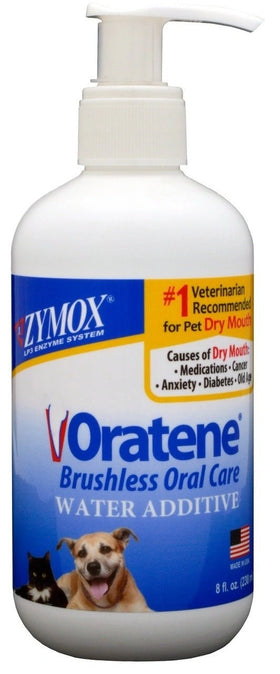
Dental Chew Types Compared for Different Dogs
There is no single right choice for every dog. The useful comparison is not simply which chew feels most enjoyable, but which option fits your dog's chewing style, dental history, size, and ability to use it safely. Chewing can support dental health and enrichment, yet hard objects can gradually wear down teeth or fracture them. Cornell's Riney Canine Health Center recommends providing safe chewing options and using caution with hard objects, including rawhide and hard manufactured toys: read the veterinary guidance.
| Option | Strengths | Limitations | Best fit | Safety notes |
|---|---|---|---|---|
| Edible dental treats | Can make a dental-care habit appealing and may provide purposeful chewing. Some products have earned the Veterinary Oral Health Council Seal of Acceptance, which can offer a useful point of reference. | They are consumed, so they do not replace brushing or a veterinary dental plan. Calorie content, ingredients, and texture vary by product. | Dogs that enjoy food-based rewards and can digest the listed ingredients. Match the product size to the dog's weight and chewing habits. | Supervise the first servings. Follow package directions, account for treat calories, and remove pieces that become small enough to swallow quickly. |
| Rawhide-style chews | May provide extended chewing and enrichment for some dogs. | Dogs differ in how they tolerate and break down these products. The category is not automatically safe or appropriate for every dog. | Only dogs whose veterinarian and owner determine that the specific product is suitable, with close observation. | Use caution. Cornell lists rawhide among hard objects that warrant care because hard chewing may wear or fracture teeth, and swallowed pieces can create gastrointestinal risks. |
| Rubber or textured products | Can offer non-edible chewing and enrichment, with textures designed to engage the mouth. They may be reusable when kept in good condition. | Not every material or texture is suitable for every bite strength. A product can become a hazard when damaged or too small. | Dogs that prefer toy-like chewing and owners who can inspect the item regularly. See these safe dog chew and toy choices for broader selection considerations. | Avoid extremely hard items. Replace products with cracks, sharp edges, missing pieces, or substantial wear. Supervise powerful chewers. |
| Brushing as a routine | Brushing is the most effective home-care method for preventing canine dental disease, according to Cornell's veterinary guidance. It reaches the teeth directly and can become a consistent daily habit. | Some dogs resist it, and it requires gradual training, suitable equipment, and regular owner participation. | Dogs that can learn to accept gentle mouth handling, especially those with recurring dental concerns. | Use dog-specific supplies and ask a veterinarian for individual recommendations. Never force brushing through pain or obvious oral discomfort. |
Think of dental chews for dogs as one part of a broader routine rather than a substitute for professional advice. A food-based treat may suit one dog, while another does better with a supervised textured toy or gradual brushing practice. If your dog has a history of broken teeth, painful chewing, digestive problems, or diagnosed dental disease, ask your veterinarian before choosing among these options. The goal is a repeatable habit that supports comfort, enrichment, and safer chewing, not simply the hardest or longest-lasting product.
How Should You Give Dental Chews Safely?
A dental chew should fit your dog's size, chewing style, health needs, and tolerance. Chewing can support dental health and provide useful enrichment, but it is not risk-free. A dog that gulps, breaks off large pieces, or has a history of digestive problems may need a different option, closer supervision, or veterinary guidance. Use the following process each time you introduce a new chew.
- Choose the correct size and type. Check the package guidance for your dog's weight and select a chew that is appropriately sized. Avoid extremely hard items when possible. Hard objects can gradually wear teeth or fracture them, and some chew materials may create gastrointestinal injury or obstruction hazards. Cornell's canine dental-care guidance specifically advises caution with hard objects such as bones, antlers, hooves, rawhide, and hard manufactured toys: review its safe chewing guidance before making a choice.
- Stay present while your dog chews. Supervision lets you notice gulping, aggressive biting, unusual discomfort, or pieces that become small enough to swallow whole. Do not leave a new chew with your dog unattended until you understand how your dog handles it. Keep children and other pets from taking the chew, since competition can encourage rapid swallowing.
- Introduce it slowly. Offer a small amount of chewing time at first, even if the package presents the item as a routine treat. Watch for vomiting, diarrhea, constipation, reduced appetite, or other changes afterward. If your dog reacts poorly, stop offering that product and ask your veterinarian what alternatives may be appropriate.
- Follow the package directions. Use the recommended serving frequency and account for the chew's calories within your dog's daily food intake. Do not assume that a dental label makes a product suitable for every dog. Read the ingredient list, especially if your dog has known food sensitivities or follows a veterinarian-directed diet.
- Provide fresh water. Keep clean drinking water available while and after your dog chews. Water does not eliminate the need for supervision, correct sizing, or careful observation, but it supports normal access to hydration during a chewing session.
- Inspect and discard damaged chews. Remove a chew if it becomes dangerously small, develops sharp edges, splinters, or breaks into pieces your dog could swallow. Do not try to reshape a damaged chew or return it to your dog's toy bin. Dispose of it and replace it only with an option that matches your dog's needs.
- Track your dog's tolerance. Note which textures and ingredients your dog handles comfortably, how long a chew lasts, and any digestive or oral changes. Share that information with your veterinarian if concerns arise. Individual response matters more than a product's marketing language.
Safe use depends on the match between the chew and the individual dog. Choose carefully, supervise every session, discard damaged pieces, and stop if your dog shows discomfort or digestive changes. Dental chews for dogs can complement a thoughtful routine, but no chew provides an absolute safety guarantee.
Do Dental Chews Replace Brushing or Vet Care?
No. Dental chews for dogs can be a useful part of home care, but they should complement brushing and routine veterinary attention rather than replace either one. Chewing may help reduce some plaque and tartar, and it can provide enrichment. Yet a chew cannot reliably reach every tooth surface or assess what is happening below the gumline.
Use a suitable chew as one practical tool in your dog's routine. Keep brushing as the primary home-care method when your dog can tolerate it, and arrange regular veterinary checks for professional guidance and early detection.
Why brushing still matters
According to the Cornell Riney Canine Health Center, brushing your dog's teeth is the most effective method of home care for preventing dental disease. A chew may create useful contact with parts of the teeth while your dog gnaws, but that contact is not the same as a deliberate brushing routine. It also does not make every chew appropriate for every dog.
Choose products with your dog's individual needs in mind, follow the package directions, and supervise chewing. Cornell advises caution with hard objects, including bones, antlers, hooves, rawhide, and hard manufactured toys, because hard chewing objects may wear down or fracture teeth. If you are unsure whether a product is suitable, ask your veterinarian for a recommendation instead of assuming that a dental label makes it risk-free.
Why veterinary care remains part of the plan
Home care focuses on what you can observe and maintain between appointments. A veterinarian can examine the teeth and gums more completely and help you decide which products and habits fit your dog's age, size, chewing style, and health history. The American Veterinary Medical Association recommends that a pet's teeth and gums be checked by a veterinarian at least once a year for early signs of problems and to help keep the mouth healthy.
Do not use a chew to postpone professional advice when something seems different. Bad breath, loose or broken teeth, discolored teeth, visible tartar, abnormal chewing, drooling. Dropping food, reduced appetite, mouth pain, bleeding, or swelling are reasons to contact a veterinary professional. These signs do not identify a specific condition on their own, so avoid trying to diagnose the problem from a product guide.
For broader routine guidance, see our dog dental-care guide. When you are comparing supplies for your dog's overall needs, you can also browse our dog health essentials and discuss individual questions with your veterinarian.
Which Signs Mean Your Dog Needs Veterinary Advice?
A dental chew should support a thoughtful home-care routine, not delay professional help. Pause the chew and contact your veterinarian if your dog shows signs of mouth pain, has trouble eating, or develops a new change around the mouth. These symptoms can have several possible causes, so they should not be used to diagnose a dental condition at home.
Warning signs that deserve a veterinary check
The American Veterinary Medical Association recommends having a pet's teeth checked sooner when these problems appear:
- Persistent or unusually foul breath.
- Broken, loose, discolored, or tartar-covered teeth.
- Abnormal chewing, excessive drooling, or dropping food from the mouth.
- Reduced appetite or refusal to eat.
- Pain in or around the mouth.
- Bleeding from the mouth.
- Swelling around the mouth or face.
- A sudden behavior change, including irritability when the face or mouth is approached.
These signs are especially important to note after a chew session. If a chew is damaged, unusually hard for your dog, or associated with discomfort, remove it rather than encouraging your dog to finish it. Do not pry open a painful dog's mouth or attempt to remove a suspected obstruction yourself. A dog in pain may bite, even when normally gentle. Call a veterinary clinic for guidance on the safest next step.
Routine monitoring versus urgent concern
Routine monitoring means observing your dog's breath, chewing habits, appetite, and comfort during ordinary care, then mentioning gradual changes at a scheduled visit. A sudden refusal to eat, visible bleeding, facial swelling, marked pain, or a broken tooth should not be treated as a wait-and-see issue. Contact your veterinarian promptly and describe what happened, including the chew offered and when the change began.
The AVMA advises that dogs' teeth and gums receive a veterinary check at least once a year, while earlier assessment is appropriate when warning signs occur. Because product suitability varies by dog, ask your veterinarian before selecting dental chews for dogs if your pet has known oral problems, a history of broken teeth, difficulty chewing, or other individual health concerns. Read the AVMA's pet dental-care guidance for the complete warning-sign list and general veterinary-care context.
Build a Dental-Care Routine Your Dog Can Keep
The most useful routine is one that fits your dog's size, chewing style, appetite, and daily schedule. Treat safe dog chew and toy choices as part of the decision, not as an afterthought. A dental chew may support oral care, but it should complement brushing, observation, and veterinary guidance rather than stand in for them.
Start with a consistent, supervised habit
Choose a time when you can watch your dog calmly. Follow the package directions for serving size and frequency, and offer fresh water. If your dog is new to the product, introduce it slowly and observe how they chew, carry, and finish it. A dog that gulps treats, tries to swallow large pieces, or becomes unusually possessive may need a different format or a veterinarian's advice.
Check the chew before and after use. Remove it if it becomes small enough to swallow whole, develops sharp edges, or breaks into pieces your dog cannot manage safely. This matters because some hard chew items can cause gastrointestinal damage or an obstruction if pieces are swallowed. Cornell's canine dental-care guidance cautions that hard objects can wear down or fracture teeth. This includes bones, antlers, hooves, rawhide, and hard manufactured toys. Review the veterinary guidance when you are unsure about a particular material.
Rotate only when it improves the routine
Rotation is not automatically better. If one appropriately sized product is well tolerated, easy to supervise, and accepted by your dog, consistency may be more useful than constantly introducing new options. Consider a change only when your dog loses interest, the product no longer suits their chewing behavior, or the label no longer fits their dietary needs. Review ingredients, calories, intended dog size, and storage instructions each time. Avoid assuming that a product marketed for dental care is appropriate for every dog.
Keep a simple note of what your dog receives, especially if they also get training treats, supplements, or table food. This helps you notice changes in appetite, stool, chewing behavior, breath, or gum comfort. It also gives your veterinarian clearer information if a concern develops. Plaque can harden into tartar, and material below the gumline can damage the tissues supporting the teeth, so a chew routine should sit alongside broader preventive care.
Make the routine part of whole-dog care
Pair chew time with a quick visual check, regular tooth brushing when your dog will tolerate it, and scheduled veterinary exams. For a broader view of how dental products fit with other supplies, see Hooves and Paws' guide to everyday products for dogs. The goal is not a perfect product rotation. It is a safe, repeatable habit that respects your dog's individual needs and makes it easier to notice when professional advice is needed.
Frequently Asked Questions
Do dental chews replace brushing my dog's teeth?
No. Dental chews can be one part of home care and may help reduce plaque and tartar. But brushing remains the most effective home-care method for preventing canine dental disease, according to Cornell University's veterinary guidance. Use a chew as a complement, not as a substitute for brushing or veterinary examinations.
How do I choose a safe chew for my dog?
Choose a product matched to your dog's size, chewing style, age, and health needs, and follow the package directions. Avoid exceptionally hard items because hard chewing objects can gradually wear down or fracture teeth. If your dog has dental disease, a history of swallowing pieces, or other health concerns, ask your veterinarian for an appropriate recommendation.
Should I give my dog a rawhide, bone, antler, or hoof?
Use caution with all of these options. Cornell lists bones, antlers, hooves, rawhide, and hard manufactured toys among hard objects that require care. Some can damage teeth, while pieces may also create gastrointestinal injury or obstruction hazards. Stop the session and remove a chew if it becomes damaged, splinters, or is small enough to swallow.
How often should my dog use a dental chew?
Follow the product label rather than assuming more is better. Account for the chew's calories within your dog's daily intake, provide fresh water, and supervise each session. Introduce a new product gradually so you can watch for poor tolerance, vomiting, diarrhea, or difficulty chewing.
When should I call the veterinarian about my dog's teeth?
Contact your veterinarian for persistent bad breath, bleeding or swollen gums, loose or broken teeth, difficulty eating, facial swelling, or signs of pain. Plaque can harden into tartar, and material below the gumline can damage the tissues supporting the teeth, so a chew cannot address every dental problem. Cornell recommends consulting a veterinarian when selecting dental products for an individual dog.
Ready to Choose Dental Chews for Your Dog?
The right dental chew can be a practical addition to your dog's routine when it suits their size, chewing habits, and overall needs. Review our curated dog health essentials to compare relevant options, then follow the package guidance and your veterinarian's advice. Get started by choosing products that fit your dog's routine and support consistent care at home.


