


Green lipped mussel and glucosamine work differently. Green lipped mussel supplies omega-3 fatty acids, including ETA, that are thought to calm joint inflammation, while glucosamine is proposed to support cartilage. Recent reviews find better evidence for omega-3 products, a group that includes green lipped mussel, than for glucosamine-chondroitin, so ask your vet which suits your dog.
Please note: This article is for general educational purposes only and is not veterinary advice. Always follow the product label and consult your veterinarian before starting your dog on any new supplement.

Picking the right joint supplement for your dog feels like a big decision. You want something safe, well made and backed by real evidence. Green lipped mussel and glucosamine are two of the best-known options, but they come at joint health from different angles. One way to picture it: green lipped mussel is aimed at the inflammation that makes joints sore, while glucosamine is aimed at the cartilage that cushions them. Understanding that difference, and how strong the evidence is for each, is the key to settling the green lipped mussel vs glucosamine question for your dog.
Key Takeaways
- Think inflammation vs cartilage: Green lipped mussel provides omega-3 fatty acids thought to ease joint inflammation, while glucosamine is proposed to support cartilage over the long term.
- Weigh the evidence: Systematic reviews find the strongest support for omega-3 products in dogs with osteoarthritis, and a 2022 meta-analysis found no pain-relieving effect for glucosamine-chondroitin.
- Make it a daily habit, with your vet: Whichever you choose, follow the label every day, give it several weeks, and review it with your vet.
Green Lipped Mussel vs. Glucosamine: Which Is Right for Your Dog?
Watching your dog struggle with stiff, sore joints is hard. Whether they're a senior dog slowing down, a high-energy breed prone to joint issues, or recovering from an injury, you want to give them the best support you can. Green lipped mussel (GLM) and glucosamine are two of the most popular joint supplements on the market. Both are sold to support mobility, but they work in different ways and have different amounts of research behind them.
So, how do you decide which one is the right fit? Let's walk through what each supplement is, what the research says, and how to choose with your vet.
What Exactly Is Green Lipped Mussel?
Green lipped mussel, Perna canaliculus, is a shellfish native to New Zealand. It's sold as a whole-food supplement, usually a dried powder, chew or freeze-dried mussel. It's best known for its omega-3 fatty acids. A joint-supplement talk published by Auburn University's College of Veterinary Medicine notes that green lipped mussel contains eicosatetraenoic acid (ETA), an omega-3 proposed to act on two inflammatory pathways, and that omega-3s such as EPA and DHA are proposed to reduce the production of some inflammatory messengers.
For dogs showing signs of stiffness or discomfort, green lipped mussel can be a reasonable option to discuss with your vet. Our single-ingredient powder, Diggin Joint Power, is made from New Zealand green lipped mussel with nothing added.
And What About Glucosamine?
Glucosamine is a compound the body uses to make glycosaminoglycans, which are part of cartilage, the smooth tissue that cushions the bones in a joint. As a supplement, it's proposed to stimulate glycosaminoglycan production and support cartilage. It's often paired with chondroitin, which is proposed to support proteoglycan production and slow the enzymes that break cartilage down.
Those are proposed mechanisms rather than proven results. The Auburn talk also notes that glucosamine hydrochloride is only about 10 to 12 percent bioavailable in dogs, and chondroitin about 5 percent, meaning only a small share of what's swallowed is absorbed. That's one reason results from glucosamine studies have been inconsistent.
Common Uses Beyond General Arthritis
Glucosamine products are marketed for a wide range of joint issues, from hip dysplasia to recovery after surgery and support for very active dogs. If your dog has a specific diagnosis or is recovering from surgery, the most important thing is your vet's treatment plan. Ask whether a supplement adds anything for your dog's condition before you buy one, and don't use a supplement in place of the rehabilitation or medication your vet recommends.
Understanding Different Forms of Glucosamine
Glucosamine comes in many forms, which makes it easy to find one your dog will take. You can find it in tablets, powders that mix into food, liquids, and flavored soft chews. Many products combine glucosamine with chondroitin and MSM, and some add omega-3s, turmeric or green lipped mussel. More ingredients isn't always better: each one may be present in a smaller amount, and every extra ingredient is one more thing to check with your vet. Read the amount of each ingredient per serving, not just the list.
Green Lipped Mussel vs. Glucosamine: A Head-to-Head Comparison
While both supplements aim to help your dog's joints, they take different paths to get there:
| Green lipped mussel | Glucosamine | |
|---|---|---|
| What it is | Whole-food shellfish from New Zealand | Single compound, often paired with chondroitin |
| Proposed role | Omega-3s, including ETA, aimed at inflammation | Supporting cartilage building blocks |
| Strength of evidence in dogs | Some positive controlled trials; grouped with omega-3s, which reviews rate best | Weak; a 2022 meta-analysis found no pain-relieving effect |
| Shellfish allergy | Avoid | Ask your vet and the maker about the ingredient source |
What the Science Says About Effectiveness
When you're choosing a supplement, you want to know whether it's likely to work. For green lipped mussel, a 2006 placebo-controlled trial of 81 dogs with mild to moderate joint disease, published in the New Zealand Veterinary Journal, found that by day 56 a higher proportion of dogs on green lipped mussel extract had improved clinical signs, with no signs of toxicity. A 2024 trial of 101 dogs with hip osteoarthritis in Frontiers in Veterinary Science found that a green lipped mussel and krill oil extract and the prescription drug meloxicam both improved objective pain and function measures compared with placebo.
For glucosamine, the picture is less encouraging. A 2022 systematic review and meta-analysis in the International Journal of Molecular Sciences found "a very marked non-effect" of chondroitin-glucosamine products for osteoarthritis pain in dogs and cats and concluded they should no longer be recommended for pain management, while finding clear evidence of benefit for omega-3 diets and supplements. An earlier 2012 systematic review in the Journal of Veterinary Internal Medicine found the evidence for joint nutraceuticals poor overall, except for omega-3-enriched diets in dogs.
How Long Does It Take to See Results?
Patience is key with any joint supplement. In the 2006 green lipped mussel trial, there was no significant difference from placebo at day 28; the benefit showed up by day 56, and the researchers noted that long-term use may be needed before improvement is apparent. The 2024 trial measured results at six weeks. Whatever you choose, give it daily for several weeks before judging it, and keep simple notes on how your dog moves so you and your vet can compare.
How Do You Choose the Right Supplement for Your Dog?
Picking the right supplement starts with a vet exam, so you know what's causing your dog's stiffness. If your dog has osteoarthritis and you and your vet want to add a supplement, the research currently favors omega-3 products, which is where green lipped mussel sits. Glucosamine-chondroitin products are widely available and generally well tolerated, but reviews have not found good evidence that they ease pain.
If you're considering a combination product, compare how much of each ingredient it contains per serving. And be mindful of allergies: if your dog has a shellfish allergy, avoid green lipped mussel, and ask your vet and the maker about the source of any glucosamine product.
What Are Other Dog Owners Seeing?
Many owners who use green lipped mussel say their dogs seem more willing to play, climb stairs and jump onto the couch after several weeks of daily use. Owners of dogs on glucosamine often describe more gradual changes. Owner impressions are useful, but they're also why placebo-controlled trials matter: in the 2006 trial, dogs in both the mussel and placebo groups improved at first, and only longer follow-up showed a difference. Most dogs happily eat both kinds of supplement, especially in chews or powders mixed with food.
Joint Supplements We Carry
Here at Hooves and Paws, we've seen how much owners care about getting this choice right. That's why we stock a small range from brands we trust rather than everything on the market.
Browse our Pet Supplements & Wellness collection to see what we carry. For green lipped mussel, we stock Diggin Joint Power, and our Coat & Joint Wellness Bundle for Dogs pairs it with a bottle of Canpressco camelina oil. If you'd like a larger supply of the oil on its own, there's also the Canpressco Camelina Oil for Pets 4L jug, sold as an omega 3-6-9 coat and skin supplement. Follow each label and check with your vet before combining products.
How to Spot a High-Quality Supplement
With so many options out there, it can be tough to know which supplements are well made. The Auburn vet-school talk points out that nutraceuticals are not closely regulated by the FDA, cannot claim to treat or cure disease, and that contamination has been found in some products. So check the label carefully. For green lipped mussel, look for the species and New Zealand named. For glucosamine, the label should state the form, such as glucosamine hydrochloride or sulfate, and the amount per serving.
Next, look for evidence of quality control, such as a lot number and expiry date, contact details for the maker, and outside quality programs. Finally, decide with your vet whether a single-ingredient product or a blend makes more sense for your dog.
Why You Should Look for the NASC Quality Seal
A simple way to cut through the noise is to look for the National Animal Supplement Council (NASC) Quality Seal. According to the NASC, companies that display it must pass an independent quality audit, keep an adverse event reporting and complaint system, follow labeling guidelines, and accept random independent lab testing to verify label claims. The seal doesn't prove a supplement will help your dog, but it does show the maker has agreed to outside checks.
A Note on Regulation and Safety
Animal supplements are not regulated in the same way as prescription medications, which is why voluntary programs and careful labels matter. A supplement can't legally claim to cure arthritis, so any product that promises to is a red flag. Choosing products from transparent makers, and discussing them with your vet, is the best protection you have.
Why You Shouldn't Use Human Supplements for Dogs
It might be tempting to share your own glucosamine supplement with your dog, but it's a risky idea. Human products are dosed for people, and some contain sweeteners that are dangerous for pets. The FDA warns that xylitol is toxic to dogs, can be fatal, and can be found in dietary supplements such as gummies. Stick with products made and labeled for dogs, and ask your vet about the amount.
Are There Any Side Effects to Watch For?
Both supplements are widely used, and the 2006 green lipped mussel trial reported no signs of toxicity. Still, it's smart to know what to look for. Because green lipped mussel is a shellfish, avoid it if your dog has a known shellfish allergy. With any new supplement, some dogs may get a mild stomach upset at first.
Watch for signs of an allergic reaction, such as itching, hives or facial swelling, and stop the supplement and call your vet if you see them. The most important step you can take is to talk to your vet before starting any new supplement, so they can confirm the choice and the amount for your dog.
Important Considerations for Dogs with Health Conditions
Before adding any new supplement, consider your dog's overall health. If your dog has a shellfish allergy, ask your vet before giving green lipped mussel or any joint product. If your dog has a condition such as diabetes, kidney disease or liver disease, or takes regular medication, talk to your veterinarian before starting glucosamine or any other supplement. Your vet can tell you whether it's appropriate and suggest alternatives if needed.
Safety for Pregnant or Breeding Dogs
If your dog is pregnant, nursing or part of a breeding program, be especially careful with supplements. The studies we read were in adult dogs with joint disease, not pregnant or nursing dogs. Always consult your veterinarian before giving any new supplement to a dog that is expecting or part of a breeding program.
How to Get the Dosage and Timing Just Right
To get the best results, follow the dosage instructions on the product label, which are usually based on your dog's weight, and confirm the amount with your vet. Some labels explain how to phase a product in; if yours doesn't, ask your vet whether to start with a smaller amount while your dog adjusts.
Consistency is everything. These supplements are given every day in the studies that tested them. Find a time that works for you, like mixing it into breakfast, and stick with it.
Understanding the "Loading Dose"
Some joint supplements, especially glucosamine products, give a higher "loading" amount for the first few weeks and a lower maintenance amount after that. If your product's label includes a loading period, follow it exactly as written and move to the maintenance amount when the label says. If it doesn't, don't create one yourself; ask your vet.
Finding the Right Form for Your Dog
The best supplement won't help if your dog refuses to take it. Joint supplements come in several forms to suit even picky eaters. Powders, like Diggin Joint Power, mix easily into your dog's regular meal. For dogs who love treats, soft chews make supplement time feel like a reward. Whole freeze-dried mussels are another option many dogs enjoy. Consider your dog's preferences and your own routine.
Making the Best Choice for Your Dog's Joints
When you're ready to buy, choose a retailer and a brand you trust, and check the label against the points above. We're a family business that has been helping animal owners since 1994, and we're happy to answer questions about any product we carry.
Choosing a supplement is about more than buying a product; it's one part of caring for your dog's long-term comfort, together with your vet.
Shop This Post

Featured in this article
Diggin Your Dog Firm Up! Pumpkin & Apple Fiber Dog Digestive Supplement - Supports Stool Consistency, 100% USA Grown
$7.59
Shop Now →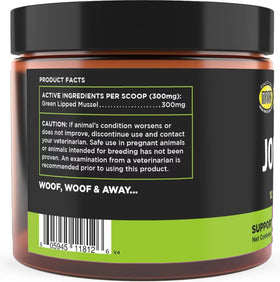


Creating a Complete Joint Care Plan
Now that you understand the key players in joint support, let's talk about how they fit into a complete routine. A supplement can help, but it works best as part of a bigger picture focused on your dog's overall health.
Supplements as Part of a Larger Strategy
Think of a joint supplement as one player on a team. It works best alongside regular vet care, a healthy weight, and exercise that keeps muscles strong without over-stressing joints. Keeping your dog lean is one of the most useful things you can do for sore joints. Give the supplement every day, review progress at check-ups, and follow your vet's advice on any medication your dog needs.
Common Ingredients Paired with Glucosamine
Glucosamine is most often paired with chondroitin sulfate. The idea is that glucosamine supports cartilage building blocks while chondroitin is proposed to slow the enzymes that break cartilage down. The Auburn talk notes that a large human trial found the combination helped only people with moderate to severe osteoarthritis, and it doesn't report a dog equivalent; the 2022 meta-analysis found no pain-relieving effect in dogs and cats. If you'd like to read more about these ingredients, see our guide to joint health for dogs.
Related Reading
- Green Lipped Mussel for Dogs: A Pet Parent's Guide
- Green Lipped Mussel for Dogs: Benefits & Dosage
- Omega-3 Fish Oil for Dogs and Cats
- The Modern Owner's Guide to Canine Products
Frequently Asked Questions
Can I give my dog both green lipped mussel and glucosamine at the same time?
Many joint products combine them, and they're often given together. Ask your vet first, check the amount of each ingredient per serving, and avoid doubling up by giving two products that contain the same ingredients. Follow each label for the amount.
How long will it take before I see a difference in my dog?
Expect several weeks. In a 2006 trial, green lipped mussel extract showed a benefit over placebo by eight weeks but not at four, and a 2024 trial measured results at six weeks. Give the supplement daily and review progress with your vet.
Is one supplement better for prevention and the other for active pain?
That's a common way to describe them, but the research doesn't support glucosamine for pain: a 2022 meta-analysis found no pain-relieving effect for glucosamine-chondroitin. The stronger evidence is for omega-3 products, including green lipped mussel, in dogs with osteoarthritis. For prevention, a healthy weight and suitable exercise matter most.
Are there any dogs that should not take these supplements?
Dogs with a known shellfish allergy should not have green lipped mussel, and you should ask your vet and the maker about the source of any glucosamine product. Talk to your vet first if your dog has diabetes, kidney or liver disease, takes medication, or is pregnant or nursing.


