


Imagine guiding your horse with only the lightest touch, no bit required—just trust and clear communication. As more riders seek gentle alternatives, the hackamore stands out for its ability to connect horse and human through subtle cues.
This guide explores everything essential for bitless riding in 2025. You will learn about hackamore basics, compare the latest bitless options, and discover both the benefits and challenges of this approach.
Ready to make informed, horse-friendly choices? Keep reading for expert tips, practical fitting advice, and the confidence you need to try bitless riding safely and effectively.
Understanding Hackamores: What They Are and How They Work
Imagine a piece of tack that allows you to guide your horse without putting anything in its mouth. That is the essence of a hackamore, a centuries-old tool in horsemanship that prioritizes gentle cues and clear communication. The hackamore has become a symbol of bitless riding, appealing to riders seeking kinder alternatives for their horses.

What Is a Hackamore?
A hackamore is a type of bridle used to control a horse without a bit. Its origins trace back to ancient Moorish horsemen and the Spanish vaquero tradition, where riders developed bitless methods to train sensitive or young horses. The hackamore relies on pressure applied to the horse’s nose, chin, and jaw, rather than the mouth.
Hackamores are especially valued for their ability to facilitate communication through subtle cues. Riders can guide their horses with gentle rein pressure, making the hackamore a preferred choice in many natural horsemanship circles.
How Hackamores Work: Mechanics and Communication
At the core of the hackamore’s function is the use of pressure points. When a rider applies pressure to the reins, the hackamore distributes this force across the nose, sides of the face, and jaw. This design allows for precise control and effective signaling without engaging the horse’s mouth.
The mechanics of a hackamore encourage riders to develop lighter hands. Because the device acts on sensitive areas of the head, excessive force can be uncomfortable for the horse. This fosters a style of riding that values finesse, timing, and responsiveness. Riders who master the hackamore often find that their horses become more attentive and relaxed.
Comparing Hackamores and Bitted Bridles
While both hackamores and traditional bitted bridles aim to provide control, their action and impact differ significantly. The table below summarizes key differences:
| Feature | Hackamore | Bitted Bridle |
|---|---|---|
| Acts on | Nose, jaw, chin | Mouth, bars, tongue |
| Communication style | Pressure and release on face | Direct mouth pressure |
| Suitability | Sensitive-mouthed horses, training young or injured horses | Horses without mouth issues |
| Legal in all disciplines | Not always | Usually |
Riders often choose a hackamore for horses with dental problems, sensitive mouths, or when seeking a more humane training approach.
Types of Hackamores: An Overview
There are several main types of hackamore, each with unique features and uses:
- Mechanical hackamore: Uses shanks for leverage, increasing pressure on the nose and chin.
- Bosal hackamore: The classic Vaquero style, featuring a stiff noseband and a hanger, ideal for starting young horses. For a deeper dive, see Bosal hackamore basics.
- Sidepull hackamore: Offers direct rein pressure, making it beginner friendly and suitable for gentle training.
- Cross-under and hybrid designs: Modern innovations that distribute pressure evenly and offer a mix of control and comfort.
Each type of hackamore serves different riding disciplines and horse temperaments. For example, the bosal is a staple in Western riding, while sidepulls are favored for groundwork and casual riding.
Materials and Typical Uses
Hackamores are crafted from a variety of materials, each affecting comfort and durability:
- Leather: Classic look and feel, molds to the horse's face.
- Rawhide: Traditional for bosals, offers firmness and longevity.
- Rope: Lightweight and flexible, often used in sidepulls.
- Synthetic: Low maintenance, suitable for all-weather riding.
The hackamore is commonly used for training young horses, managing those with mouth injuries or dental issues, and for horses that show resistance to bits. Its versatility makes it a valuable tool in both Western and English disciplines.
Growth in Adoption and a Western Example
Recent years have seen a rise in the adoption of hackamores, especially as riders across Western and English competitions seek more horse-friendly tack options. According to competitor insights, bitless bridles now appear in a growing percentage of schooling shows and pleasure riding events.
For example, in Western riding, a bosal hackamore is often used to start colts. The rider cues the horse with gentle pressure on the noseband, shaping soft responses and building trust from the ground up. This approach reflects the hackamore's enduring appeal: effective communication, comfort, and respect for the horse.
Shop This Post

Featured in this article
AV Bob Avila Double Ring Snaffle Horse Bit - Sweet Iron Mouthpiece, 3" Rings - Multiple Sizes
$165.00
Shop Now →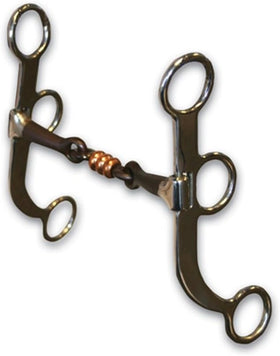

Bitless Riding Essentials: Tack, Fit, and Safety
Bitless riding offers a compassionate approach to horse communication, but the right equipment and fit are critical for success. Whether you are new to hackamore use or looking to refine your bitless setup, understanding the key essentials ensures both safety and comfort for your horse.

Essential Bitless Tack
Transitioning to bitless riding starts with selecting the right tack. The core piece is the hackamore, which replaces the traditional bit and works through pressure on the nose and jaw. Alongside the hackamore, you will need a secure headstall, comfortable reins, and in some designs, a curb strap for added stability. Each component must work harmoniously to ensure clear communication. For a broader overview of tack options and their uses, explore this essential horse tack guide.
The Importance of Proper Fit
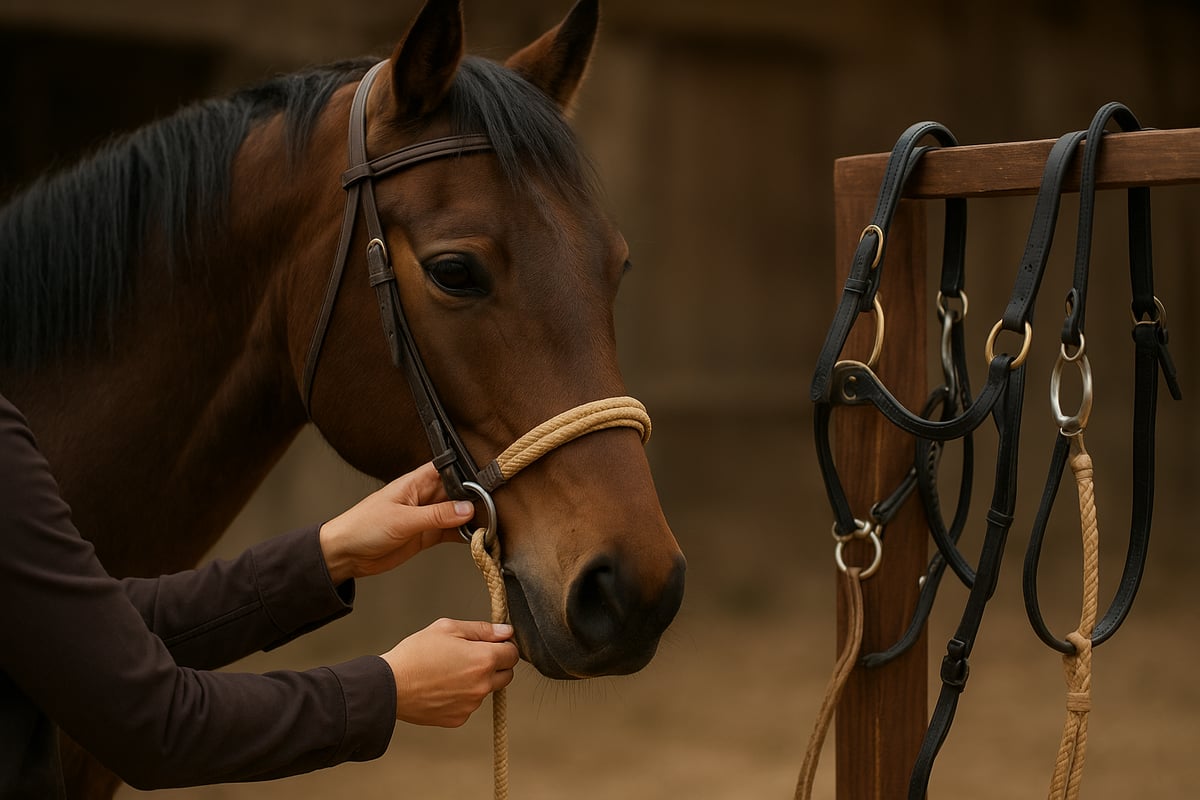
A well-fitted hackamore is crucial for both horse welfare and rider control. Ill-fitting tack can cause rubs, pressure points, and confusion in cues, potentially leading to resistance or unsafe situations. Always check that the hackamore sits above the nasal cartilage, avoiding sensitive areas to prevent discomfort. Adjust the headstall and reins to maintain gentle, consistent contact without restricting natural movement. Regularly assess fit to accommodate changes in your horse's condition or coat.
Measuring Your Horse for a Hackamore
Measure your horse before purchasing a hackamore to ensure optimal fit. Use a soft measuring tape to determine the circumference around the nose, approximately one to two inches below the cheekbone. Compare these measurements to manufacturer guidelines. When in doubt, consult a professional fitter or experienced trainer. Proper measurement helps prevent issues like slipping or excessive tightness, supporting clear and humane communication.
Safety Considerations & Common Mistakes
Safety should always be at the forefront when using a hackamore. Double-check all buckles, knots, and fastenings before each ride. Inspect for signs of wear, such as fraying or cracking, which can compromise safety. Common mistakes include placing the hackamore too low on the nose, making it ineffective or unsafe, and neglecting to check for pressure sores. Observe your horse's reaction to adjustments, and make changes as needed to maintain comfort and responsiveness.
Example: Fitting a Sidepull vs. Mechanical Hackamore
Fitting techniques vary between hackamore styles. For a sidepull hackamore, position the noseband so it sits snugly above the nasal bone, allowing for direct rein communication. In contrast, a mechanical hackamore requires precise adjustment of shanks and curb straps to balance leverage and comfort. Always test the fit at a standstill before riding, and watch for signs of acceptance, such as relaxed chewing or a steady head carriage. Proper fitting supports a positive bitless riding experience for both horse and rider.
Benefits and Challenges of Bitless Riding
Exploring bitless riding with a hackamore opens up a world of possibilities for horse and rider. Many equestrians are drawn to this approach because it prioritizes the horse’s comfort and well-being while still allowing for effective communication and control.
One of the primary benefits of using a hackamore is enhanced comfort, especially for horses with mouth sensitivity or dental issues. By removing the bit, riders can avoid mouth-related pain, rubs, or sores, creating a more positive experience for sensitive horses. Riders often notice calmer behavior, improved willingness, and greater relaxation when switching to a hackamore.
Communication is another area where the hackamore shines. Many riders report increased responsiveness and clearer signals, as pressure is applied to the nose, chin, and poll rather than the mouth. Research supports these findings, with studies highlighting that bitless bridles can facilitate more consistent, gentle communication. However, not all bitless options are equally benign, so it is important to choose and fit the hackamore correctly.
Ethical considerations also play a significant role in the rising popularity of hackamore use. Many horse owners are motivated by a desire to promote welfare and minimize discomfort. According to the Bitless bridles' impact on equine welfare, evidence suggests that bitless options reduce stress, support positive training methods, and can lead to better long-term relationships between horse and rider.
Despite these advantages, there are challenges to adopting a hackamore. Some riding disciplines and competitions still restrict or ban bitless bridles, making it difficult for competitive riders to make the switch. Skill requirements are another consideration, as riding with a hackamore demands soft, independent hands and precise cues. Improper use or poor fit can result in miscommunication or even injury, so education and attention to detail are crucial.
There are several misconceptions about hackamores, such as the belief that they provide less control or are only suitable for experienced horses. In reality, with proper training and fit, a hackamore can offer as much control as a traditional bridle. Recent surveys show high rider satisfaction rates and notable improvements in horse behavior after switching to bitless bridles.
To summarize the main points:
| Benefits | Challenges |
|---|---|
| Comfort for sensitive-mouthed horses | Discipline and competition restrictions |
| Improved communication and responsiveness | Rider skill requirements |
| Supports ethical, positive training | Risk of misuse or poor fit |
| Reduced risk of mouth injuries | Myths about control and suitability |
| High rider satisfaction and success stories | Need for education and careful transition |
Anecdotes from riders who have made the change to a hackamore often highlight dramatic improvements in their horse’s attitude and willingness. For example, one rider noted that her previously tense gelding became noticeably softer and more engaged within just a few weeks of transitioning to a hackamore, leading to safer and more enjoyable rides.
Bitless riding with a hackamore is not without its hurdles, but the potential rewards for both horse and rider can be significant. By weighing the benefits and challenges, riders can make informed, compassionate choices that suit their partnership and goals.

Choosing the Right Hackamore for Your Horse
Selecting the right hackamore is essential for both your horse’s comfort and your riding success. With so many options available, taking a systematic approach ensures you make a thoughtful, horse-friendly choice. Let’s break down the decision-making process into clear steps, so you can confidently navigate the options and find the best fit for your equine partner.
Factors to Consider for Hackamore Selection
When choosing a hackamore, start by assessing your horse’s age, training level, and sensitivity. Young or green horses, for example, may benefit from a softer noseband and direct pressure, while experienced mounts might respond well to more nuanced cues. Consider the horse’s head shape, as fit is crucial for clear communication and comfort.
Discipline also plays a role. Western riders often select traditional bosals, while English or trail riders might gravitate toward sidepull or cross-under designs. For a deeper comparison between bits and hackamores, see Choosing the right bit for your horse.
Matching Hackamore Types to Riding Goals
Your riding objectives should guide your hackamore choice. Are you focused on trail riding, arena work, or competition? For example, sidepulls are favored for their simplicity and are ideal for pleasure or beginner riders. Mechanical hackamores, with their leverage action, offer more control but require experienced hands.
Below is a quick comparison of common hackamore types:
| Hackamore Type | Best For | Key Benefit | Consideration |
|---|---|---|---|
| Bosal | Western, training | Subtle cues | Requires skilled rider |
| Sidepull | Beginners, trail | Direct pressure | Less stopping power |
| Mechanical | Speed, leverage needed | Strong control | Can be harsh if misused |
| Cross-under | Versatile, comfort | Even pressure | May need adjustment |
Recent studies, like the Comparative study of bitless and bitted bridles, suggest that horses can respond positively to the right hackamore, provided it matches their needs and temperament.
Comparing Brands, Materials, and Budget
Material choice impacts both comfort and longevity. Leather and rawhide offer tradition and a natural feel, while modern synthetics provide durability and easy care. Look for reputable brands that prioritize craftsmanship and horse welfare.
Budget is another practical factor. High-quality hackamores can be an investment, but they often outlast cheaper alternatives. Compare features, warranties, and user reviews before purchasing. Prioritize fit and function over style, as an ill-fitting hackamore can cause discomfort or miscommunication.
Trying and Choosing a Hackamore
Whenever possible, test different hackamore styles before making a commitment. Many tack shops offer demo programs, and some trainers allow you to try various options during lessons. Take note of your horse’s reactions—look for signs of comfort, responsiveness, and relaxation.
Consult with a knowledgeable trainer or equine specialist if you’re unsure. They can assess fit, suggest adjustments, and recommend models that suit both your horse and your riding goals. Remember, patience pays off when introducing new equipment.
Example: Deciding Between a Bosal and Sidepull
Consider a rider with a young, sensitive horse who wants to transition to bitless riding for gentle training. After evaluating both the bosal and sidepull, the rider finds the sidepull offers clearer, more direct communication for groundwork and early rides. As the horse gains experience, the bosal may become a valuable tool for refining cues and advancing training.
Experts recommend starting with the simplest hackamore that meets your needs, then progressing as your skills and partnership develop. By staying attentive to your horse’s feedback, and seeking professional input, you set the stage for a successful bitless journey.
Expert Tips for Successful Bitless Riding
Mastering bitless riding with a hackamore requires a blend of skill, awareness, and ongoing learning. Whether you are a seasoned equestrian or new to bitless tack, these expert strategies will help you communicate clearly, keep your horse comfortable, and build lasting trust.
Developing Soft, Independent Hands
Success with a hackamore starts with your hands. Unlike bitted bridles, a hackamore operates through nose and poll pressure, so abrupt or heavy-handed cues can cause confusion or discomfort. Focus on riding with a relaxed grip and keeping your elbows loose. Practice holding the reins evenly, allowing subtle shifts to translate clearly.
Try exercises such as riding patterns at the walk and trot, using only your seat and legs for direction. This encourages you to rely less on rein pressure and more on body communication. Over time, your horse will begin to respond to lighter signals, making your hackamore aids more effective.
Reading Your Horse’s Feedback
A key advantage of the hackamore is its ability to promote clear communication. Pay close attention to your horse’s body language. Signs of relaxation include a soft eye, lowered head, and a swinging tail. If your horse tosses its head, resists turning, or seems anxious, it may be reacting to pressure points or fit issues.
Recent research, such as the study on bitless bridle pressures, found that some hackamore designs can cause discomfort if not fitted or used properly. Regularly check for rubs or sore spots and adjust your tack as needed.
Training Exercises to Improve Responsiveness and Trust
Building trust is essential for any bitless partnership. Start each session with simple groundwork, such as leading exercises and yielding the hindquarters. This helps your horse understand your cues before you mount.
Once in the saddle, practice transitions between gaits, focusing on smooth, prompt responses. Use your seat and voice as primary aids, reserving the hackamore for gentle reinforcement. Over time, your horse will become more attentive and responsive.
Working with a Knowledgeable Trainer
Transitioning to a hackamore is smoother with professional support. A skilled trainer can help you refine your technique, troubleshoot issues, and ensure your horse’s comfort. They can also identify subtle problems in your riding or in your hackamore’s fit.
Many riders report significant improvement after a few sessions with a trainer, especially when learning to use a hackamore for the first time. Professional feedback is invaluable for both horse and rider confidence.
Troubleshooting Common Problems
Even experienced riders can encounter challenges. Here is a quick reference table to help address frequent issues:
| Problem | Possible Cause | Solution |
|---|---|---|
| Head tossing | Poor fit, too much pressure | Adjust fit, lighten rein aids |
| Evasion | Confusion, unclear signals | Simplify cues, revisit groundwork |
| Lack of brakes | Insufficient training | Reinforce voice cues, use transitions |
Many problems stem from unclear communication or improper fit. If issues persist, consult a trainer or refer to resources like Horse bridles explained for additional context.
Resources and Continuous Learning
Expand your hackamore knowledge with these resources:
- Books on bitless riding techniques
- Online courses and video tutorials
- Local clinics and workshops
Continued education helps you stay updated on new research, tack innovations, and best practices. Engaging with the wider bitless community can also provide valuable support.
Step-by-Step Exercise: Refining Bitless Cues
- Begin at the halt and ask your horse to flex softly at the poll using minimal rein pressure.
- Release immediately when your horse responds, reinforcing correct behavior.
- Progress to walking circles, using seat and leg to guide, and the hackamore only for gentle reminders.
- Increase complexity with serpentines and transitions, always rewarding light responses.
Repeat this drill regularly to sharpen communication and build mutual trust with your hackamore.
Every rider’s journey with a hackamore is unique, but these expert tips can help you and your horse achieve a higher level of comfort, communication, and connection. Remember, patience and ongoing learning are the keys to successful bitless riding.
Now that you have a clear understanding of hackamores, bitless riding essentials, and what to look for in 2025, you are ready to make informed choices for your horse’s comfort and communication. At Hooves and Paws, you will find a carefully curated selection of equestrian equipment and pet products, all with free US shipping and flexible payment options. If you are considering transitioning to bitless riding or upgrading your tack, explore our range of quality hackamores and accessories today—you and your horse deserve the best.
Buy Now


