


Choosing between two spur styles is less about finding a universally stronger aid and more about matching the neck, contact point, boot, discipline, and your horse's response. Prince of Wales and hammerhead spurs can both support quiet, precise communication when fitted correctly and used by a rider with an established leg aid.
When comparing prince of wales spurs vs hammerhead spurs, look first at contact. A Prince of Wales has a smooth, rounded English-style neck with a blunt knob. A hammerhead usually has a broader, flat or T-shaped Western head. The right choice depends on whether you need a more concentrated point of contact or broader, diffused pressure, plus shank length and discipline rules.
Both designs should refine an aid, never punish a horse. A snug spur that rests securely on the boot and points straight back is essential. But comfort and control also depend on the rider's position and the horse's sensitivity. The comparison ahead breaks down the practical differences in shape, pressure, length, and fit so you can make a responsible choice for English or Western riding.
Prince of Wales vs Hammerhead Spurs: What Are the Key Differences?
Prince of Wales spurs and hammerhead spurs are both blunt, purpose-built aids, but they come from different riding traditions and create contact in different ways. The Prince of Wales is a familiar English spur with a smooth, rounded neck and a small flat knob. The hammerhead is typically a Western spur with a wider, flat, rounded, or T-shaped head.
Key Takeaway
Prince of Wales spurs provide a compact, consistent point of contact, while hammerhead spurs spread contact across a broader blunt surface. Neither is automatically gentler or more effective for every horse. Correct fit, smooth edges, disciplined leg position, and appropriate use matter most.
Head shape and contact
The most visible difference is the end of the neck. A Prince of Wales spur has a smooth, rounded neck that finishes in a blunt, flat knob. Its typical English shank is approximately 20 to 30 millimeters long, creating a defined point of contact without the rotating parts found on a rowel spur. This fixed design can help a trained rider deliver a clear, repeatable aid.
A hammerhead spur has a head that resembles a hammer. Depending on the model, the end may be flat, rounded, or shaped like a T. That wider surface diffuses pressure rather than concentrating it at one small point. This can suit horses that respond better to broad pressure than to a sharper-feeling stimulus. Provided the rider uses the spur as a communication aid rather than a correction tool.
English and Western traditions
Prince of Wales spurs are strongly associated with English disciplines, including dressage, eventing, and hunter riding. Hammerhead spurs are associated with Western riding, particularly work such as cutting and reining, where a rider may need precise, rapid communication with minimal leg movement. These associations are useful starting points, not rigid rules. The discipline's regulations, the horse's training, and the rider's experience should guide the final choice.
Both styles are designed to be relatively blunt and can be safe when selected and used correctly. Before riding, inspect the metal for burrs or sharp edges, confirm the spur sits securely on the boot, and keep the neck pointing straight back. For a broader look at available English and Western options, browse the spurs and spur straps collection.
Prince of Wales Spurs: The Classic English Neck
The Prince of Wales spur is a familiar choice in English riding because its design is simple, predictable, and easy to match to many traditional boots. Its smooth, rounded neck ends in a blunt, flat knob rather than a rowel or sharp point. That shape delivers a clear, concentrated touch without introducing a rotating part.
Prince of Wales spurs are fixed English spurs with a smooth, rounded neck and blunt, flat end. A shank around 20 to 30 mm is common, and the style is widely used in dressage, eventing, and hunter/jumper riding.
Shape and feel
The rounded neck is the defining feature. Because the end is fixed and blunt, the rider receives consistent contact when the heel aid is applied correctly. There are no rotating parts to maintain, and the smooth finish is generally considered milder than a rowelled spur. That does not make any spur automatically gentle. Pressure still depends on the rider's timing, leg position, fit, and the horse's response.
For that reason, a Prince of Wales spur should be viewed as a precision communication aid, not a correction tool. The goal is to refine an established leg aid and encourage a subtle response. Research on horse welfare likewise emphasizes that spurs should support communication rather than force obedience or punish a horse: read the welfare research.
Shank length and English disciplines
A shank of approximately 20 to 30 mm is commonly associated with Prince of Wales spurs in English disciplines. The appropriate length can vary with the rider, horse, boot, and discipline rules, so competition riders should always check the current rulebook before choosing a pair. The style is standard across dressage, eventing, and hunter/jumper settings, where a neat profile and controlled aid are often preferred.
If you are comparing this style with a Western hammerhead, start with more than the head shape. Consider the discipline, boot, leg position, and the kind of communication your horse already understands. Our guide to the types of horse spurs explains how neck design and shank length affect selection.
Hooves and Paws curates English spurs alongside Western options, so riders can compare practical designs instead of choosing by appearance alone. Browse the spurs and spur straps collection to find a pair that fits your equipment and riding goals.
Shop This Post

Featured in this article
Weaver Leather Women's 21st Century Stainless Steel Spurs - 1" Shank, 3/4" Band
$56.99
Shop Now →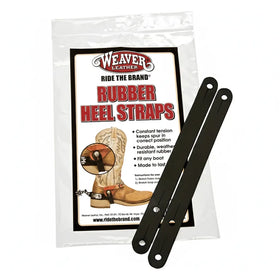

Hammerhead Spurs: A Western Favorite
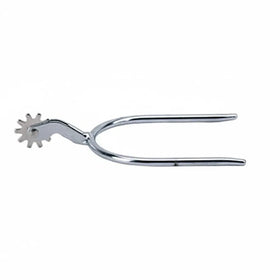
A hammerhead spur is a Western-style spur named for the shape of its shank end. Instead of ending in a narrow point or rotating rowel, the shank finishes in a flat, rounded, or T-shaped head that resembles a small hammer. That design gives the rider a wider contact area and a different feel from the more concentrated contact of many English spurs.
Hammerhead spurs use a broad, blunt head to diffuse pressure. They are commonly associated with Western disciplines such as cutting and reining, where riders may need quick, precise communication with limited leg movement.
Why is the hammerhead shape useful?
The broader head spreads contact over more surface area instead of concentrating it at a sharp point. This can suit horses that are sensitive to sharp stimuli or respond better to clear pressure than point contact. It does not make the spur automatically mild in every situation, however. The effect still depends on the rider's leg position, timing, amount of pressure, and the length and angle of the shank.
As with any spur, the goal is refined communication, not punishment. A peer-reviewed welfare study emphasizes that spurs should help encourage subtle responses rather than force obedience or correct behavior. Riders should choose a hammerhead only when their leg aid is independent enough to apply it deliberately. Unintended contact can send a confusing signal to the horse.
Where are hammerhead spurs used?
Hammerhead spurs are especially common in Western riding, including cutting and reining. These disciplines can demand rapid, accurate cues while the rider keeps overall movement quiet. A broad, blunt head provides contact without the sharp points associated with some rowelled designs, allowing an experienced rider to communicate through small changes in leg position.
Western spurs may also have longer shanks than English spurs because of the wider leg position and different saddle styles. That does not mean every Western rider needs the longest option. Select the shank and head style that match your horse, discipline, boot, and established training system. For more background on Western equipment and terminology, read our Western spurs guide.
What should you inspect before riding?
Run a finger carefully across the hammerhead before putting it on. The head should remain smooth, with no burrs, rough welds, or sharp edges that could create an unintended point of contact. Check the shank attachment and strap slots as well, then secure the spur firmly to the boot so the neck points straight back. You can shop spurs and spur straps for options suited to English and Western riding.
Clean away grit after use and inspect the spur regularly. A well-fitted, smooth hammerhead used by a balanced rider can be a precise communication aid. But equipment quality and thoughtful handling matter more than the name stamped on the design.
Which Spur Is Softer: Prince of Wales or Hammerhead?
Neither spur is universally softer. The better choice depends on how the head, neck length, shank, and your leg position interact with your horse's sensitivity and your riding discipline. Both Prince of Wales and hammerhead spurs are relatively blunt tools designed for clear communication when selected and used correctly.
Prince of Wales spurs provide a consistent, concentrated point stimulus, while hammerhead spurs spread contact across a broader, blunter head. One is not automatically softer in every situation. Choose the style that matches your horse, your leg aid, and the reach required by your position.
How the head changes the feel
A Prince of Wales spur has a smooth, rounded neck that ends in a blunt, flat knob. Because its contact point is relatively concentrated and fixed, it can deliver a clear, repeatable signal with small, controlled leg movement. That consistency is useful for riders who want the same aid each time, but it also means the rider must maintain an independent leg and apply pressure thoughtfully. The source guidance describes the fixed Prince of Wales design as providing consistent, concentrated pressure. Read the spur safety guidance for additional equipment considerations.
A hammerhead spur has a flat, rounded, or T-shaped head. Its broader contact area diffuses pressure rather than focusing it on one small point. That can suit a horse that responds more comfortably to broad pressure than to a sharper point contact. Hammerheads are often associated with Western riding, including cutting and reining, where quick, precise communication with minimal leg movement can be important. However, a broad head does not make careless use harmless. Pressure, timing, and fit still determine the quality of the aid.
What matters more than the head style?
Neck and shank length can change where and when the spur reaches the horse. A longer shank may make contact with less leg movement, while a shorter one may require a different leg position and more deliberate reach. Your boot fit matters as well. A spur band that slips can change the angle of the neck and create inconsistent contact. The neck should sit securely and point straight back, not drop or twist.
Start with the mildest effective option for your horse and your level of control. Spurs should refine an established leg aid, never punish or force a response. If you are comparing prince of wales spurs vs hammerhead spurs, consider which design gives you the most controlled, predictable cue in your saddle. Inspect the head for smoothness, remove grit after riding, and ask a qualified trainer for help when your horse is unusually sensitive or your contact is inconsistent.
For English and Western options, shop our spur selection and compare the head, shank, and band design before choosing.
Shank Length, Neck, and Fit: Matching the Spur to Your Boot
A well-chosen spur should feel like a stable extension of your leg, not a loose accessory that needs constant adjustment. Start with the boot. The spur band should fit securely around the heel without squeezing, rocking, or sliding down as you ride. A band that shifts changes where the neck contacts the horse and makes your leg aid less consistent.
Choose the shank for your discipline and leg position
Prince of Wales spurs commonly use a shank of approximately 20 to 30 mm, a practical range for many English disciplines. That shorter profile suits the closer leg position used in English riding. Western spurs generally have longer shanks because the wider leg position and different saddle styles place the rider's heel farther from the horse's side. A longer shank is not automatically stronger or better. It should help you reach the horse accurately without forcing you to twist your ankle or lift your heel.
Measure the spur against your boot while wearing the footwear you actually ride in. The band should rest firmly on the heel counter, with the strap or slots positioned so the spur stays level. If the band is too large, it may drop below the heel. If it is too small, it can sit at an awkward angle or put unnecessary pressure on the boot. Riders whose horses have a thick winter coat may need a slightly longer shank to make clear contact without exaggerating the leg aid.
Keep the neck straight and the hardware sound
Once secured, the neck should point straight back, not downward or outward. A dropped or angled neck can create inconsistent contact and may catch the horse unexpectedly. Check your position from the ground, then ask a trainer to observe it in the saddle. For more guidance on choosing the right spurs, compare the spur's shape, length, and intended discipline before purchasing.
Inspect the shank welds and strap slots regularly, especially before long rides or competition. Look for looseness, cracks, sharp edges, or distorted slots. Replace damaged equipment rather than trying to compensate with a tighter strap.
Match the spur band to the boot, choose a shank that fits your discipline and leg position, and confirm that the neck points straight back. Secure fit and precise placement matter more than simply choosing the longest or most noticeable shank.
English vs Western: Which Discipline Suits Each Spur?
Choose a Prince of Wales spur for the fixed, precise communication commonly used in English disciplines. Choose a hammerhead spur when your Western discipline and riding position call for a broader, flatter point of contact. The right option still depends on your horse, boot, training, and current competition rules.
English and Western riders may both use spurs as refined leg-aid tools, but the equipment conventions are different. A Prince of Wales spur is a familiar choice in hunter, jumper, dressage, and related English settings. Its fixed neck gives the rider a consistent point of contact. A hammerhead spur is more closely associated with Western work, including cutting and reining, where quick, precise communication can be important during fast changes of balance and direction.
Competition requirements should come before personal preference. English disciplines can regulate spur type and shank length, and spurs may be mandatory in one class but optional in another. Always check the current rules for your organization, show, and division before you enter.
| Comparison point | Prince of Wales | Hammerhead |
|---|---|---|
| Origin and style | English, fixed and understated. | Western, broad-headed and often more substantial. |
| Head shape | Rounded neck ending in a blunt, flat knob. | Flat, rounded, or T-shaped head resembling a hammer. |
| Typical shank length | Often about 20 to 30 mm in English use, subject to rules. | Varies by model and rider position; Western designs may use a longer shank. |
| Pressure application | Fixed, concentrated point of contact for consistent stimulus. | Broader head that can diffuse contact over a wider area. |
| Primary disciplines | Common in hunter, jumper, dressage, and other English classes. | Common in Western cutting and reining. |
| Best suited rider and horse | Riders seeking a familiar, controlled English aid and horses responsive to subtle cues. | Western riders needing clear communication from a wider leg position, with a horse suited to that aid. |
These categories are useful starting points, not substitutes for fit and education. A longer shank is not automatically stronger, and a broader head is not automatically gentler. The rider's timing, leg position, pressure, and experience shape how either spur feels to the horse. Spurs should reinforce an established aid, never replace independent leg control or become a means of punishment.
If your focus is Western tack, review our Western spurs guide for additional context. When you are ready to compare styles, visit the spurs and spur straps collection and match the design to your discipline's rules and your horse's needs.
How to Fit and Use Spurs Safely
Spurs should refine an already independent leg aid, not compensate for an unstable seat or unclear communication. Beginners should first develop consistent balance, quiet lower legs, and reliable basic aids without spurs. Rider experience matters because an accidental touch can be misread by the horse as a deliberate cue.
Fitting and using spurs step by step
- Confirm that spurs are appropriate. Establish an independent seat and consistent leg aid first. If your lower leg swings, your heel lifts, or your horse does not understand your ordinary aids, spend more time training before adding a spur.
- Inspect the spur. Run a finger over the neck, heel band, and any head or rowel. The metal should be smooth, with no burrs, sharp edges, or damaged parts that could scratch the horse. Remove grit and dried arena dirt before every ride.
- Place the spur correctly. Fasten the band snugly around the boot heel so it cannot rotate or slide. The neck should point straight back, rather than down, up, or toward the horse. Match the band to the boot, and check the fit again after mounting.
- Choose contact that suits the rider and horse. Use the lightest effective contact and make each aid deliberate. A custom shank angle can help Western riders achieve precise contact when their leg position or boot requires it. A thicker winter coat may also affect the reach needed, but a longer shank is not a substitute for better timing.
- Apply the aid quietly. Close the calf with a steady seat and use the spur only when the ordinary leg aid has been clearly given. Keep your heel stable and release when the horse responds. Practice at walk and in controlled exercises before using the spur in faster work.
- Review the horse's response. Stop and reassess if the horse becomes tense, rushes, swishes the tail repeatedly, pins the ears, or shows defensive behavior. Never use a spur to punish. Punitive contact can produce resentment and defensive responses instead of clearer communication.
Clean equipment supports both comfort and communication. After riding, wipe the spur and inspect the boot band for looseness or wear. Riders who want more introductory guidance can read this beginner spur guide before selecting a style.
Shop Spurs and Spur Straps Today
Frequently Asked Questions
What is the difference between Prince of Wales and hammerhead spurs?
Prince of Wales spurs have a smooth, rounded neck ending in a blunt knob, while hammerhead spurs have a wider, flat, rounded, or T-shaped head. The broader hammerhead surface spreads contact differently, whereas the Prince of Wales design gives a more concentrated, consistent point of contact. Both are blunt styles when properly made and used.
Which spur is softer, Prince of Wales or hammerhead?
Neither style is automatically softer in every situation. The horse's sensitivity, the rider's leg control, the neck length, and the amount of pressure matter more than the name of the spur. A smooth hammerhead may diffuse contact across a wider area, while a Prince of Wales spur can provide a clear, fixed signal without a rowel. Choose the mildest design that supports a precise leg aid.
Are Prince of Wales spurs better for English or Western riding?
Prince of Wales spurs are most commonly associated with English riding, including dressage, eventing, and hunter disciplines. English competition rules can limit acceptable spur designs and shank lengths, so check the current rulebook for your class. Hammerhead spurs are more commonly associated with Western riding, particularly disciplines such as cutting and reining.
How do you choose the right spur neck length?
Start with your leg position, the horse's sensitivity, and the discipline's equipment rules. A Prince of Wales shank is commonly around 20 to 30 mm for English use, while Western spurs often use longer shanks to accommodate a wider leg position. A thicker winter coat may also require a modestly longer shank. Your coach or a qualified fitter can help you avoid unnecessary contact.
Can spurs mark a horse if they are used incorrectly?
Yes. A spur can irritate or mark a horse if it has burrs, sharp edges, an incorrect angle, abrasive grit, or is applied with excessive pressure. Fit the band securely, keep the neck pointing straight back, inspect the metal regularly, and clean away dirt before riding. Spurs should refine communication, never punish the horse.
Ready to Choose Your Spurs?
The right spur should support clear, thoughtful communication between you and your horse. Compare the head shape, neck, and fit against your riding discipline and experience, then choose a style you can use with a steady, educated leg aid. When you are ready to refine your setup, Shop Now in our curated spurs and spur straps collection.


