


Choosing the right saddle seat saddle is essential for both horse and rider comfort, especially as equestrian standards evolve in 2025. As saddle seat riding gains popularity, understanding the unique features and benefits of a well-fitted saddle seat saddle helps riders achieve better performance and enjoyment.
This guide will demystify the process of selecting the perfect saddle seat saddle for modern needs. We will define what makes these saddles distinct, explain why fit matters, and walk you through every step of the decision. By following this guide, you can make a confident purchase and ensure both you and your horse excel in the ring.
Explore sections on saddle seat saddle anatomy, fitting, top brands, care tips, and upcoming trends for 2025.
Understanding Saddle Seat Saddles: What Sets Them Apart?
Selecting the right saddle seat saddle is fundamental for anyone involved in modern saddle seat riding. This discipline is rooted in tradition but continues to evolve, making it essential to know what truly sets a saddle seat saddle apart from other options.
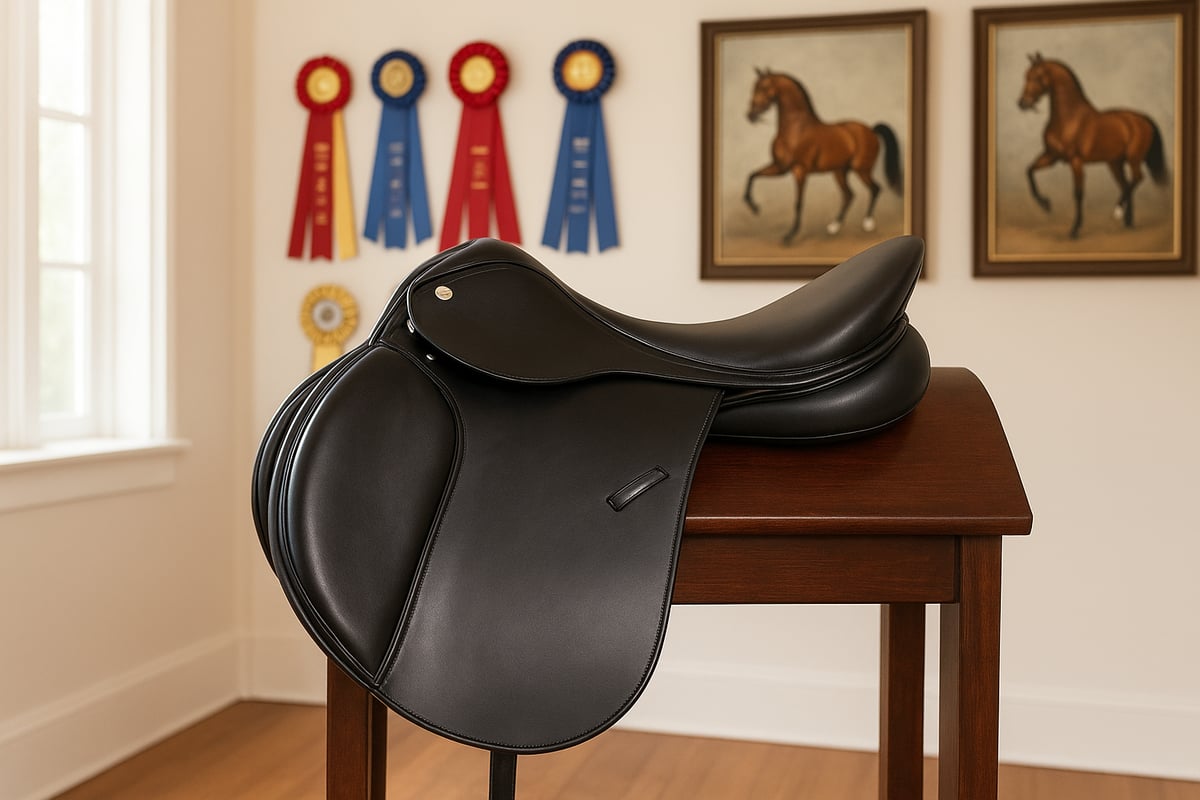
The Purpose and Origins of Saddle Seat Saddles
The saddle seat saddle was developed specifically for American Saddlebred, Morgan, and Arabian show horses. These breeds are known for their high-stepping action and animated movement, especially in the show ring. The goal was to design a saddle that allowed the horse maximum freedom of the shoulders while presenting the rider in an upright, elegant posture.
Unlike jumping or dressage saddles, the saddle seat saddle features a distinct cutback pommel. This design provides more clearance for the horse's withers, supporting the elevated front-end motion typical in saddle seat classes. The flat seat encourages the rider to sit tall and back, further enhancing the horse's natural animation.
Saddle seat saddles are most often seen in show classes where presentation and performance are equally important. For a deeper exploration of the unique design and role of the saddle seat saddle in equestrian sport, consider this saddle seat saddle design and features resource.
To illustrate, compare the rider’s upright position in a saddle seat saddle with the deeper, more forward seat found in dressage. This difference directly affects both the horse’s movement and the rider’s cues.
Key Features and Anatomy of a Saddle Seat Saddle
Understanding the anatomy of a saddle seat saddle is crucial for recognizing its advantages. The most notable features include:
- Cutback head (pommel) for wither clearance
- Flat, broad seat for upright rider posture
- Long, straight flaps that accommodate longer stirrups
- Minimal knee roll to avoid restricting leg movement
These components work together to promote an elegant, vertical rider position and allow the horse’s shoulders to move freely. The saddle tree is often shaped to distribute weight evenly, reducing pressure points and enhancing comfort.
When comparing a saddle seat saddle to other English saddles, differences in tree shape, seat width, and flap length become apparent. The balance and lighter weight of the saddle seat saddle are optimized for show performance, enabling quick transitions and expressive movement.
Materials commonly include high-quality leather for durability and feel, though synthetic models are gaining popularity for their lighter weight and ease of care.
| Feature | Saddle Seat Saddle | Dressage Saddle |
|---|---|---|
| Pommel | Cutback, open | Standard, deep |
| Seat | Flat, broad | Deep, contoured |
| Flap | Long, straight | Long, angled |
| Knee Roll | Minimal | Prominent |
Types and Variations Available in 2025
In 2025, the saddle seat saddle market offers more choices than ever before. Classic types include cutback saddles, designed for versatility across breeds, show saddles for ring performance, and park saddles tailored for elite presentation. Each type has nuanced differences in seat depth, flap design, and decorative elements.
Recent innovations focus on lighter trees, ergonomic panels, and advanced customization. Riders now benefit from options such as adjustable trees and memory foam panels, providing a better fit for both horse and rider. The rise of hybrid materials, like eco-friendly synthetics combined with traditional leather, reflects a shift toward sustainability.
Online marketplaces and specialty retailers show a growing variety in saddle seat saddle sizes and customization options, making it easier than ever to find a perfect match. Comparing a traditional cutback model to a modern ergonomic version highlights the evolution in comfort and performance. Leading brands continue to refine their signature designs, responding to the needs of today’s competitive riders.
Measuring for the Perfect Fit: Step-by-Step Guide
Finding the right saddle seat saddle is a process that ensures both your horse and you perform comfortably and confidently in the show ring. Accurate measurement is crucial, as it prevents discomfort, injury, and wasted investment. Let’s break down each stage of measuring for the perfect fit.
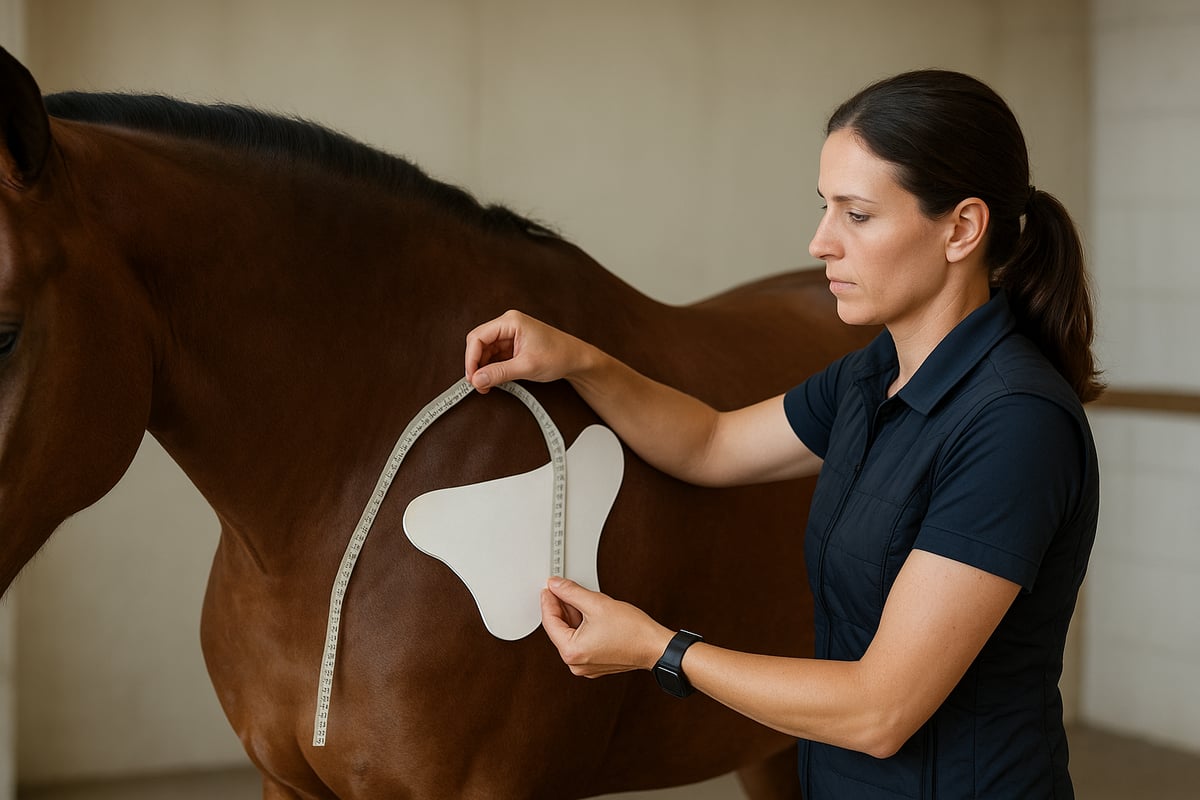
Measuring the Horse for Saddle Seat Saddles
The first step in fitting a saddle seat saddle is understanding your horse’s unique conformation. Examine the withers, shoulder angle, and the shape of the spine. Use your hand to feel for muscle development and any prominent bone structures.
To measure accurately:
- Stand your horse square on level ground.
- Use a flexible curve or wither tracing tool to capture the shape of the withers and spine.
- Measure the width between the wither points to determine the gullet width required.
- Assess the length and flatness of the back, as this impacts tree size and panel contact.
Common saddle seat saddle sizes for horses:
| Saddle Size (inches) | Typical Horse Type |
|---|---|
| 16 | Youth, smaller breeds |
| 17 | Average adult, most breeds |
| 18 | Larger adult, broad back |
For example, a high-withered Saddlebred may need a narrower gullet and extra clearance, while a round-backed Morgan often requires a broader tree to avoid pinching. Taking these measurements ensures your saddle seat saddle will not cause pressure points or restrict movement.
Measuring the Rider for Comfort and Security
Your comfort and performance depend on a saddle seat saddle that matches your body dimensions. Begin by measuring your thigh length, inseam, and the distance from your hip to knee while seated. These numbers help determine the ideal seat size and flap length.
Seat size is generally matched to the rider’s build:
- Youth: 15–16 inches
- Average adult: 17 inches
- Tall/long-legged adult: 18 inches or more
Flap length should allow your leg to rest comfortably without your knee extending beyond the flap. Always test the saddle seat saddle in-store or at home by sitting upright, ensuring your thigh fits without crowding the cantle or pommel.
For more detailed guidance on measuring and selecting a saddle that fits you correctly, consult this Selecting a saddle to fit the rider resource, which offers step-by-step rider-specific advice. Proper fit enables a balanced, secure riding position, reducing fatigue and improving show ring presence.
Common Sizing Mistakes and How to Avoid Them
Selecting the wrong saddle seat saddle size is a frequent issue for both new and experienced equestrians. Common mistakes include:
- Choosing a seat that is too small, causing discomfort and restricted movement.
- Opting for a seat that is too large, leading to instability and poor posture.
- Misjudging gullet width, resulting in pressure points or bridging.
- Forgetting to account for the horse’s changing musculature over time.
Incorrect fit can cause back soreness in horses, uneven sweat patterns, and resistance under saddle. For riders, it may lead to numbness, leg fatigue, or inability to maintain correct posture. Industry data shows that return and exchange rates for saddle seat saddles are highest due to sizing errors, emphasizing the importance of precise measurement.
To avoid these pitfalls, always double-check your measurements and consult with professionals if uncertain. Keep in mind that fit adjustments may be needed as your horse’s shape changes with training or age.
Tips for Trying Before You Buy
Before finalizing your saddle seat saddle purchase, prioritize hands-on testing. Many reputable retailers and brands offer trial programs or demo saddles, allowing you to ride in the saddle seat saddle for several days before committing.
Work with a certified saddle fitter who can assess the fit on both horse and rider. During a fitting session, the professional will check gullet clearance, panel contact, and your riding position. Trial programs typically involve a deposit and a set trial period, after which you can return or exchange the saddle seat saddle if it’s not the right fit.
For example, some brands ship demo saddles to your home, so you can evaluate comfort and performance in your usual riding environment. Taking advantage of these options significantly reduces the risk of costly mistakes and ensures your new saddle seat saddle meets all your needs.
Shop This Post

Featured in this article
Professional's Choice 2XCOOL Sports Medicine Horse Boots - 4-Pack Neoprene-Free with Kevlar Support & brrr° Cooling
$159.23
Shop Now →

Materials and Construction: What to Look for in 2025
Choosing the right materials and construction is vital when purchasing a saddle seat saddle in 2025. Modern technology and evolving rider preferences have led to significant changes in how these saddles are built. Understanding your options helps ensure comfort, durability, and show ring performance.
Leather vs. Synthetic: Pros, Cons, and Innovations
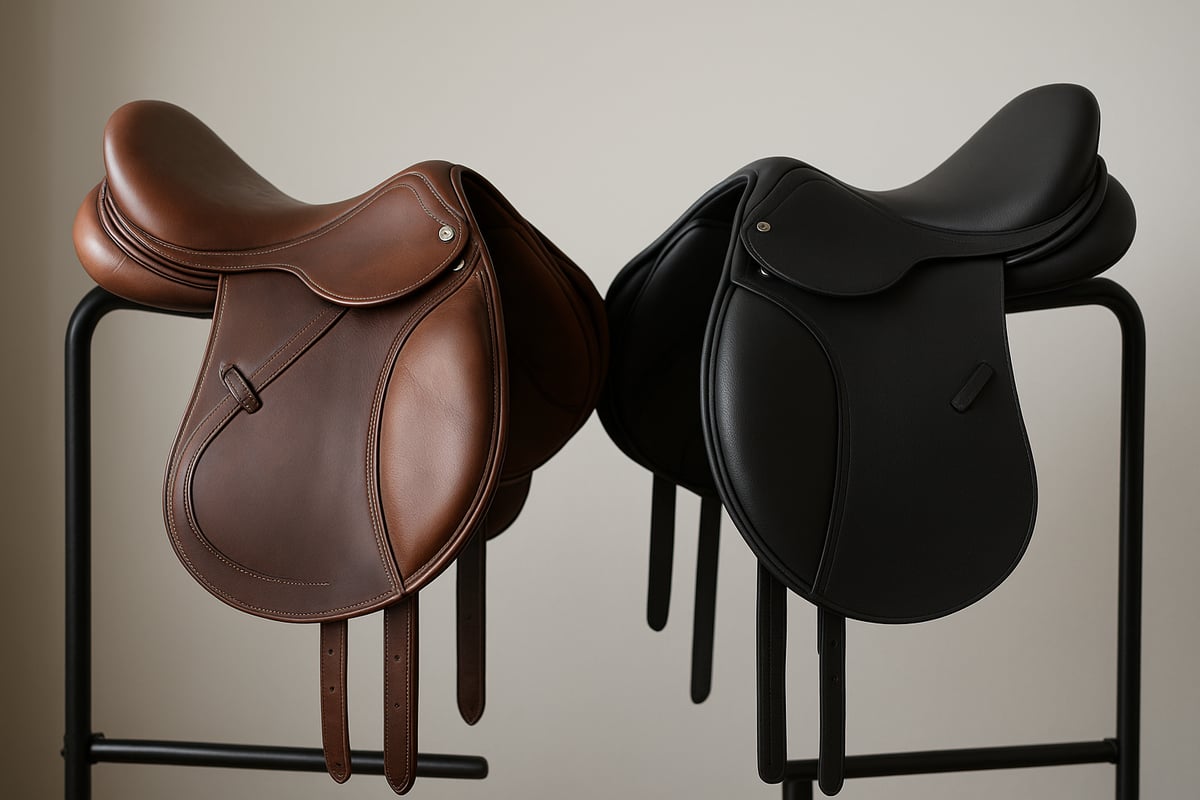
When selecting a saddle seat saddle, the choice of material impacts feel, weight, and maintenance. Traditional leather remains popular for its classic appearance, durability, and the way it molds to both horse and rider over time. Leather saddles require regular cleaning and conditioning but reward owners with a luxurious, long lasting investment.
Synthetic materials, on the other hand, have gained traction for their lighter weight, affordability, and ease of care. Many synthetic options now mimic the look and feel of leather while offering water resistance and simple cleaning routines. In 2025, eco friendly leathers and high tech hybrids are making waves, delivering sustainability without sacrificing performance.
Comparison Table: Leather vs Synthetic Saddle Seat Saddles
| Feature | Leather | Synthetic |
|---|---|---|
| Durability | High | Moderate to High |
| Weight | Heavier | Lighter |
| Maintenance | More (conditioning) | Low (wipe clean) |
| Cost | Higher | More affordable |
| Sustainability | Increasing (eco-leather) | High (recycled materials) |
The Saddle Tree: Foundation of Fit and Performance
The tree forms the backbone of every saddle seat saddle, directly affecting both fit and longevity. In 2025, most trees are made from wood, fiberglass, or composite materials. Wood trees, often reinforced with steel, are known for their traditional feel and resilience. Fiberglass and adjustable trees offer greater flexibility, adapting to various horse conformations and allowing for fine tuning over time.
A well constructed tree distributes the rider’s weight evenly, preventing pressure points and ensuring the saddle seat saddle maintains its shape. Custom tree shapes are increasingly available, catering to horses with unique back profiles. Riders should consider the tree type that best matches their horse’s needs and their own riding goals.
Stitching, Hardware, and Detailing
Attention to stitching, hardware, and finishing details distinguishes a quality saddle seat saddle from an entry level model. Look for reinforced stitching at stress points and stainless steel hardware for rust resistance. Hand finished details, such as decorative silver or custom tooling, are favored in the show ring for visual appeal.
Premium saddles often feature intricate accents and superior craftsmanship. For more guidance on what makes a saddle well made, see this Evaluating saddle quality resource, which covers indicators like leather grade, stitching, and hardware quality.
Show saddles may offer custom options, including engraved plates or colored piping. These elements not only add style but also reflect the owner’s attention to detail and care for their investment.
Balancing Cost, Quality, and Longevity
A new saddle seat saddle can range from $350 for entry level models to $3,000 or more for top tier, custom designs. Used saddles provide additional options for those seeking value, though condition and fit should be assessed carefully.
Construction quality directly influences a saddle’s lifespan and resale value. Saddles with durable materials and expert craftsmanship hold up better over time and maintain higher prices on the secondary market. Popular price points, as seen on eBay and specialty retailers, cluster around $800 to $1,500 for quality mid range saddles.
When shopping, weigh your priorities: do you need a long term investment, or is a budget friendly option suitable for your current needs? By focusing on both materials and build quality, you ensure your saddle seat saddle will serve you well for years to come.
Achieving the Perfect Fit: Saddle Seat Saddle Fitting for Horse and Rider
Achieving the perfect fit with your saddle seat saddle is vital for both horse and rider comfort, performance, and long-term health. The correct fit ensures optimal movement for your horse and stability for you in the show ring. This section will guide you step by step, from fitting your horse to evaluating your own comfort, identifying fit issues, and knowing when to seek professional help.
Fitting the Saddle to Your Horse
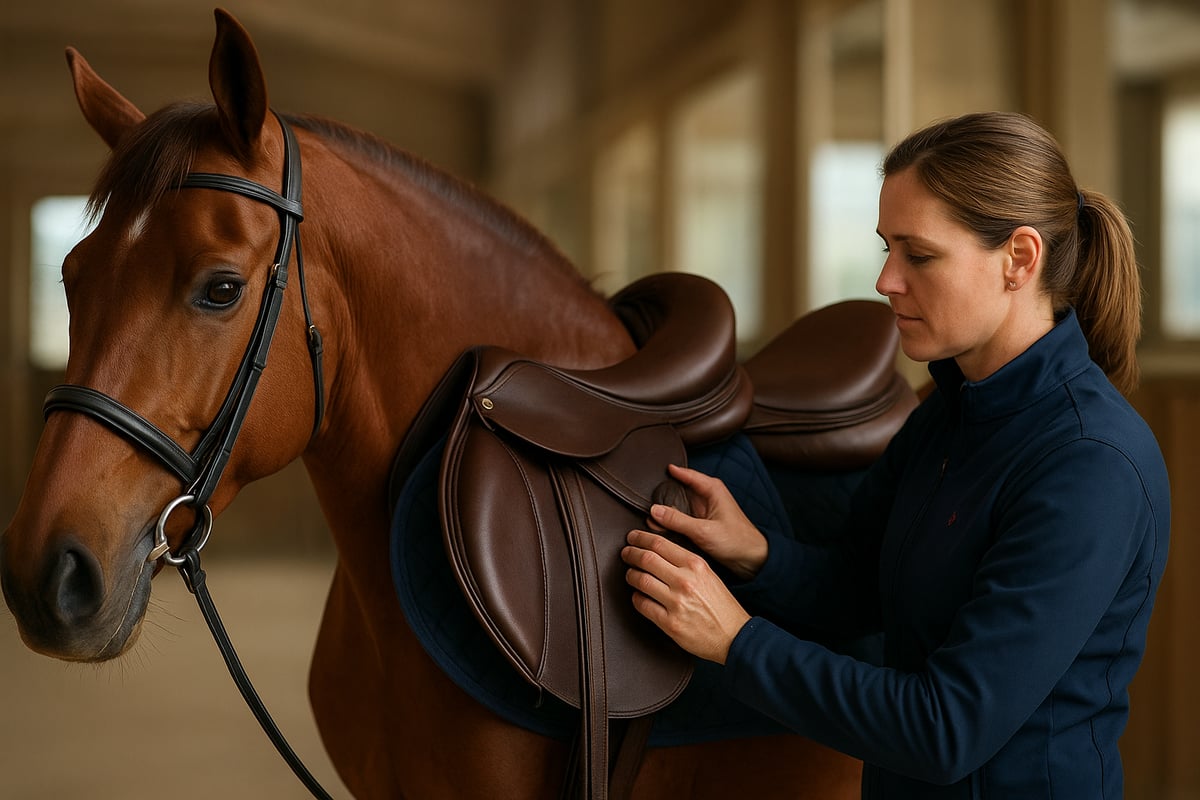
Begin by gently placing the saddle seat saddle on your horse’s back, ensuring it is positioned behind the shoulder blade for maximum freedom of movement. Check that the gullet provides at least two fingers’ clearance over the withers and runs parallel along the spine. The panels should make even contact without bridging or rocking.
Next, assess pressure points by running your hand beneath the panels. If you feel uneven pressure or gaps, adjustments may be necessary. Common corrections include using a shim or adjusting flocking. For high-withered breeds like Saddlebreds, extra padding may be required, while a flat-backed Morgan might need a wider tree.
It is essential to evaluate the balance of the saddle seat saddle. A well-balanced saddle will sit level from front to back, allowing the horse to move freely and comfortably. If the saddle tips forward or backward, it can cause discomfort and affect your horse’s performance.
Fitting the Saddle to the Rider
The next step in achieving the ideal fit is evaluating how the saddle seat saddle supports the rider. The seat should be deep enough to provide security but wide enough to avoid pinching. Sit in the saddle with your feet flat and knees relaxed. Your thigh should rest comfortably along the flap, and your knee should not extend past the edge.
Flap length is also crucial. Riders with longer legs should select a saddle with extended flaps to maintain proper alignment and balance. A saddle that is too narrow or shallow may cause you to feel perched, while one that is overly wide can limit control.
For youth riders, look for a saddle seat saddle with a smaller seat and shorter flaps. Adults generally require a seat size between 17 and 19 inches, depending on body shape and leg length. Testing different models in-store or at home can help you determine which fit offers the best combination of security and comfort.
Signs of Poor Fit and How to Fix Them
Recognizing signs of a poor fit is essential for your horse’s wellbeing and your riding experience. Common behavioral indicators in horses include pinned ears, tail swishing, reluctance to move forward, or uneven gaits. Riders may notice numbness, instability, or leg fatigue if the saddle seat saddle does not fit properly.
To correct these issues, start by examining the saddle’s placement and fit. Sometimes, simple adjustments such as changing the pad or adding shims can resolve pressure points. In more complex cases, professional flocking or a new tree may be necessary. Return and exchange rates for saddles due to incorrect fit are significant in the industry, highlighting the importance of precise measurement and fitting.
For a comprehensive overview of solutions to common fit problems and practical adjustment tips, you can refer to the Solving saddle fit problems guide.
The Role of Professional Saddle Fitters
Working with a certified saddle fitter brings expertise and peace of mind. A professional will evaluate both your horse’s conformation and your riding position to recommend the best saddle seat saddle fit. During a fitting session, expect the fitter to use templates, check panel contact, and observe you riding.
Costs for professional fitting services vary but are a worthwhile investment considering the potential health benefits and performance gains. Fitters may also suggest custom adjustments or recommend specific brands that suit your needs. Many equestrians find that professional guidance saves time and reduces the risk of costly mistakes.
Prioritizing expert assessment ensures that your saddle seat saddle supports both horse and rider, leading to improved comfort, longevity, and success in the ring.
Top Saddle Seat Saddle Brands and Models in 2025
Selecting the right saddle seat saddle brand and model is essential for both comfort and performance in the show ring. With so many options on the market in 2025, understanding the distinctions between brands and their signature models can help you make an informed decision. Whether you are a youth rider, an amateur enthusiast, or a seasoned professional, the right saddle seat saddle will support your riding goals and your horse’s movement.
Leading Brands to Consider
In 2025, several brands continue to dominate the saddle seat saddle market. Barnsby stands out for its traditional craftsmanship and fine English leather, often favored by professional riders for its classic cutback design and durability. Stubben is renowned for blending tradition with innovation, offering ergonomic features and lighter tree options that appeal to modern equestrians. Crosby saddles are known for their balance and affordability, making them a popular choice among youth and amateur riders.
Beval and Courbette round out the top five, each with a reputation for comfortable fits and reliable construction. These brands are consistently featured in top show rings and are frequently listed among the most popular models on major platforms like eBay and specialty retailers. When choosing a saddle seat saddle, considering these leading brands can provide assurance of quality and performance.
Best-Selling and Award-Winning Models
Among the best-selling saddle seat saddle models, the Stubben Siegfried remains a favorite for its deep seat and supportive design, ideal for both riders new to saddle seat and seasoned competitors. Crosby's cutback models are widely recognized for their lightweight feel and straightforward fit, often recommended for riders seeking a balance of comfort and control.
Award-winning options often include customizable features, such as adjustable trees and advanced panel designs. Many top models offer a range of seat sizes, flap lengths, and leather finishes, making it possible to find a saddle seat saddle that meets your specific needs. For example, the Stubben Siegfried’s combination of ergonomic design and show ring appeal has earned it high marks in recent industry reviews.
New and Noteworthy Releases for 2025
The 2025 saddle seat saddle market sees exciting advancements in both materials and technology. Many brands are introducing lighter synthetic trees and ergonomic panels, reducing overall saddle weight without sacrificing support. Smart saddle technology, such as integrated pressure mapping and fit analysis tools, is making its way into premium models, offering riders real-time feedback on fit and balance.
Custom and limited-edition releases are increasingly popular, allowing riders to personalize their saddle seat saddle with unique color accents, monogramming, and decorative hardware. Major brands like Barnsby and Stubben are leading the way with these innovations, ensuring that every rider can find a model that matches their style and performance needs.
Buying New vs. Used: Pros, Cons, and Where to Shop
Choosing between a new or used saddle seat saddle involves weighing cost, fit, and condition. New saddles offer the latest features and customization options, while used models can provide significant savings, especially if sourced from reputable sellers. When evaluating used saddles, inspect for wear, tree integrity, and any hidden flaws that could impact safety or comfort.
Trusted sources include specialty retailers, local tack shops, and online platforms like eBay. For those wanting to compare different styles or learn how saddle seat saddles fit into the broader world of horse tack, the Choosing the right horse saddle guide offers valuable insights. Whichever route you choose, prioritize proper fit and quality to ensure your investment supports both you and your horse for years to come.
Caring for Your Saddle Seat Saddle: Maintenance and Longevity
Maintaining your saddle seat saddle is essential for both performance and longevity. Proper care not only protects your investment, but also ensures that both horse and rider enjoy optimal comfort. With a few simple routines and the right habits, you can extend the life of your saddle seat saddle and preserve its value for years to come.
Routine Cleaning and Conditioning
Regular cleaning is the foundation of saddle seat saddle care. After every ride, wipe the saddle with a damp cloth to remove sweat and dust. Weekly, use a gentle saddle soap and a soft brush to deep clean creases and seams. Conditioning is equally important, as it prevents leather from drying or cracking. Apply a high-quality conditioner monthly, focusing on the seat, flaps, and billets.
For synthetic models, follow the manufacturer’s instructions, using mild soap and water to avoid damaging the material. Always allow your saddle seat saddle to dry naturally, away from direct heat. For more detailed guidance, refer to these essential saddle care tips to ensure your routine is both thorough and safe.
Storage and Protection
Proper storage is key to protecting your saddle seat saddle from wear and environmental damage. Always store your saddle seat saddle on a well-padded rack to maintain its shape. Use a breathable cover to shield it from dust and sunlight, which can cause fading and cracking over time.
Choose a tack room or space with consistent, moderate humidity to prevent mold or warping. Avoid storing your saddle seat saddle in damp or unventilated areas, as this can lead to mildew and leather deterioration. Regularly check the storage area for pests or moisture to catch problems early.
Repairs and Refurbishment
Even with diligent care, your saddle seat saddle may need occasional repairs. Common fixes include tightening or replacing loose stitching, re-flocking panels, and swapping out worn billets. Inspect your saddle seat saddle regularly for signs of damage, such as stretched leather, cracked panels, or loose hardware.
Small repairs can sometimes be managed at home, but for significant work or anything affecting the tree or structure, seek a professional saddler. Investing in timely repairs keeps your saddle seat saddle safe and comfortable, while also preserving its value and performance in the show ring.
Maximizing Resale Value
If you keep your saddle seat saddle in top condition, resale becomes much easier and more profitable. Retain all purchase documentation, including receipts and service records, as buyers value proof of care. Clean and condition your saddle seat saddle before photographing it for sale to highlight its best features.
Take clear, high-resolution photos from multiple angles, focusing on the seat, flaps, and unique details. List any recent repairs or upgrades in your description. Regular maintenance not only increases your saddle seat saddle’s appeal to prospective buyers but also helps you command a higher price in a competitive market.
Saddle Seat Saddle Trends and Buyer’s Checklist for 2025
The world of saddle seat saddle selection is evolving rapidly in 2025. Riders and trainers are seeking saddles that not only fit well but also align with new trends in comfort, technology, and sustainability. Knowing what to look for and where to buy is crucial for making a confident investment in your riding experience.
Emerging Trends in Saddle Seat Saddles
Saddle seat saddle design is experiencing a renaissance as manufacturers respond to the evolving needs of equestrians. Custom and semi-custom options are increasingly popular, allowing riders to tailor saddles for unique horse and rider builds. Eco-friendly materials, such as vegetable-tanned leather and recycled synthetics, are making their way into mainstream models.
Smart technology is another major trend. Some 2025 saddle seat saddle models feature pressure-mapping sensors to help riders and fitters achieve an optimal fit. Ergonomic panels and lighter tree materials are also gaining traction. Data from specialty retailers show a marked increase in demand for adjustable and ergonomic options.
Key trends in 2025:
- Custom and semi-custom fit options
- Sustainable and eco-friendly materials
- Smart tech integration for fit analysis
- Lightweight, ergonomic construction
These innovations ensure your saddle seat saddle keeps pace with both competitive and recreational riding trends.
Buyer’s Checklist: What to Consider Before Purchasing
Choosing the right saddle seat saddle requires attention to detail. Start by evaluating fit for both horse and rider. Measure your horse’s back, withers, and shoulder, then confirm the tree and gullet size. For the rider, seat size and flap length are key for comfort and correct position. Material preference, whether classic leather or modern synthetic, impacts maintenance and longevity.
Budget planning is essential. Decide if a new or used saddle seat saddle fits your needs and consider additional costs for accessories like pads and girths. Review return and trial policies—flexible options offer peace of mind if the fit is not perfect.
Here is a quick buyer’s checklist:
| Criteria | Considerations |
|---|---|
| Horse fit | Back shape, withers, tree size |
| Rider fit | Seat size, flap length |
| Materials | Leather, synthetic, hybrids |
| Budget | New vs. used, accessories |
| Return/trial policies | Flexible options, test rides |
Following this checklist increases your chances of finding a saddle seat saddle that supports both performance and comfort.
Where to Buy: Online vs. Local Retailers
The search for the ideal saddle seat saddle often begins online, where selection and convenience are unmatched. Platforms like eBay offer a wide range of new and used options, letting you compare prices and features with ease. Many online stores now provide trial programs, allowing you to test a saddle seat saddle at home before committing.
However, local retailers and tack shops bring valuable expertise. In-person fitting services and hands-on trials can make a significant difference, especially for first-time buyers. Local professionals can spot subtle fit issues and suggest models suited to your discipline. A balanced approach—researching online, then consulting local experts—often yields the best results.
When using online listings, pay close attention to detailed photos, measurements, and return policies. This ensures you can confidently select a saddle seat saddle that meets your needs and expectations.
Accessories and Add-Ons for Saddle Seat Riding
No saddle seat saddle is complete without the right accessories. Essential items include saddle pads, girths, stirrups, and protective covers. Upgrades like decorative stirrups or monogramming can enhance show ring appeal and personalize your tack.
Popular accessory bundles may include matching pads and girths, often tailored for saddle seat saddle designs. Investing in quality add-ons not only boosts comfort but also extends the life of your equipment. For a broader look at essentials that complement your saddle, explore this Guide to horse tack essentials.
When selecting accessories, prioritize fit and material compatibility to ensure optimal performance and protection for both horse and rider.
Frequently Asked Questions About Saddle Seat Saddles in 2025
Q: How do I ensure the best fit for my saddle seat saddle?
A: Accurate measurements and trial rides are crucial. Many brands offer demo programs or work with professional fitters to fine-tune fit.
Q: What materials are best for daily use and show?
A: Leather remains a top choice for durability and look, while synthetic options are lighter and easier to maintain.
Q: Should I buy new or used?
A: Both have pros and cons. Used saddles can offer significant savings, but always check for hidden wear and confirm fit.
Q: Where can I find more detailed fitting advice?
A: A helpful resource is this Proper saddle seat fit video guide, which demonstrates measurement and fitting techniques.
Q: How do I care for my saddle seat saddle long-term?
A: Regular cleaning, conditioning, and proper storage will extend its lifespan and maintain resale value.
Staying informed and seeking expert advice ensures your saddle seat saddle investment pays off in comfort, performance, and longevity.
As you explore the essential steps to finding the perfect saddle seat saddle—from understanding unique designs to ensuring an ideal fit for both you and your horse—you’re already on the path to more comfortable and confident rides in 2025. At Hooves and Paws, you’ll find a carefully curated selection of quality saddles and accessories, backed by decades of expertise and customer-focused service. With free US shipping and flexible payment options, your next upgrade is just a click away. If you’re ready to make an informed investment in your riding experience, Buy Now and discover the difference the right saddle can make.


