


Let's be honest, caring for leather can feel complicated. You hear about saddle soap leather care, but the advice is all over the place. Is it just for saddles? Will it ruin your favorite boots or change their color? It's enough to make you hesitant to even start. But here’s the secret: saddle soap is an incredible tool for keeping your leather looking its best, as long as you use it correctly. This guide cuts through the noise, giving you simple, actionable steps to clean and condition your leather with total confidence.
This comprehensive guide demystifies saddle soap, providing clear, actionable strategies to preserve and revitalize leather goods. You will learn what makes saddle soap unique, explore its benefits, discover step-by-step usage techniques, and avoid common mistakes.
Ready to make your leather last for years? Read on for expert-backed tips, the latest product recommendations, and proven best practices for all your leather care needs.
Saddle Soap 101: What It Is and Why Your Leather Needs It
Saddle soap holds a distinguished place in leather care, prized for its ability to clean, condition, and protect a variety of leather goods. As we move into 2025, understanding what makes saddle soap effective and how it has evolved is essential for anyone serious about quality leather maintenance.
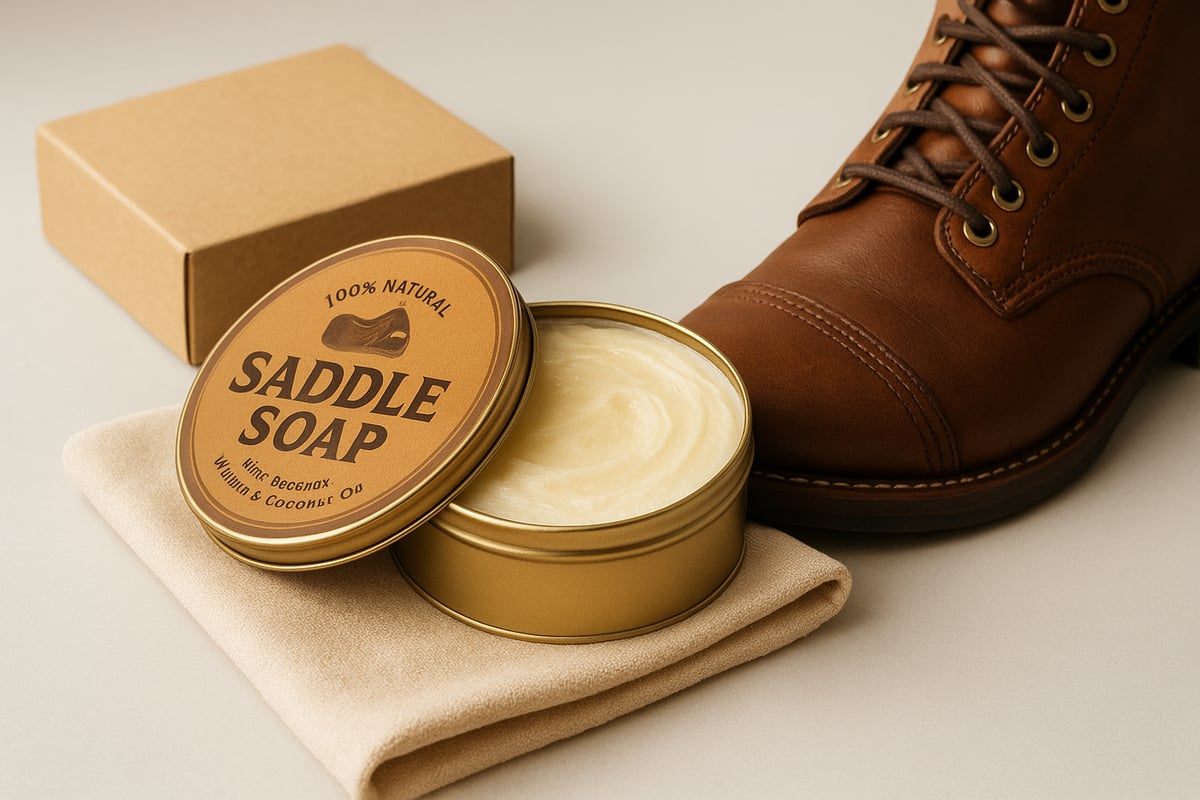
What is Saddle Soap?
Saddle soap is a specialized leather cleaner and conditioner, designed to gently remove dirt while nourishing the material. The typical formula includes natural moisturizers like lanolin, beeswax for protection, and a mild soap base to lift away grime. Unlike generic cleaners, saddle soap is crafted specifically for leather, maintaining its unique balance of cleaning and conditioning.
Historically, saddle soap originated in the equestrian world, where it was a staple for caring for saddles and tack. Over the decades, its reputation expanded, and today it is used for everything from boots and bags to belts and jackets. Modern relevance is stronger than ever, with eco-conscious consumers seeking products that offer both effectiveness and sustainability.
For those interested in a step-by-step approach or deeper practical tips, the Saddle Soap Application Guide provides an excellent foundation for best practices in caring for all kinds of leather.
The Magic Ingredients: What Makes Saddle Soap Work?
The effectiveness of saddle soap lies in its carefully chosen ingredients. Lanolin, a natural moisturizer, is vital for preventing leather from drying and cracking. Beeswax adds a protective layer, enhancing both shine and durability, while the mild soap base ensures dirt and stains are gently lifted without compromising the leather’s structure.
Quality saddle soap avoids harsh chemicals, relying instead on natural components that are safe for most finished leathers. Leading brands often highlight transparent ingredient lists, such as lanolin, beeswax, glycerin, and coconut oil, ensuring users know exactly what touches their valuable items. This focus on purity helps preserve the leather’s natural beauty and longevity.
Common Natural and Man-Made Components
Saddle soap gets its power from a unique blend of ingredients that work together to clean, condition, and protect. Understanding what’s inside the tin can help you pick the best product for your leather goods. One of the most important natural components is lanolin, a moisturizer that is essential for preventing leather from becoming dry and brittle. It works by penetrating deep into the fibers, which provides lasting hydration and keeps the material flexible. As noted by leather care experts, lanolin is vital for stopping leather from cracking over time.
Another key natural ingredient is beeswax, which adds a protective layer to the leather’s surface. This not only gives your gear a lovely, subtle shine but also improves its durability. The wax creates a barrier that helps repel water and keeps dirt from setting in, which is crucial for hardworking items like saddles and bridles. This protective quality is a major reason why beeswax is such a valued component in high-quality leather care formulas. It’s a simple, natural way to extend the life of your favorite leather pieces.
Of course, saddle soap also needs a cleaning agent. It typically contains a mild soap base that is formulated to lift away dirt and stains without being harsh. This ensures the cleaning process is effective but doesn’t compromise the leather's structure or strip its natural oils. The best saddle soaps avoid harsh chemicals, relying instead on these proven, natural components that are safe for most finished leathers. This commitment to purity is what helps preserve the leather’s natural beauty and ensure it lasts for years to come.
Which Type of Saddle Soap Do You Need?
Saddle soap comes in several varieties, each suited to different needs. Traditional yellow saddle soap is favored for dark leathers, providing deep cleaning and conditioning. White saddle soap, by contrast, is ideal for lighter leathers, helping maintain their original tone without discoloration. Liquid forms offer ease of application and are great for quick touch-ups, while solid tins are preferred for thorough cleaning routines.
Specialty formulas have emerged for specific leather types, including products tailored for light or dark finishes. Saddle soap is highly versatile, suitable for boots, saddles, jackets, belts, and bags. However, it should never be used on suede, nubuck, or unfinished leather, as these materials require gentler care to avoid damage.
Paste, Liquid, and Bar Forms
Saddle soap is available in a few different forms, and the one you choose often comes down to the job at hand and your personal preference. The most traditional option is a paste, typically sold in a tin. Think of this as the deep-conditioning treatment for your leather. It’s perfect for those more intensive cleaning sessions on your horse tack or worn-in boots because its thick consistency allows you to work it deep into the leather, lifting stubborn grime while restoring moisture. This form gives you a lot of control during application, ensuring every inch of your valuable leather gets the attention it deserves.
If you're short on time or just need a quick touch-up, liquid saddle soap is a fantastic choice. Its fluid consistency makes for a fast and easy application, perfect for wiping down a leather leash or a pair of riding gloves after use. While it might not offer the same deep conditioning as a paste, it’s incredibly convenient for regular maintenance that keeps your gear looking sharp. Finally, there’s the bar form. It’s a solid, no-mess option that’s easy to store and great for travel, combining many of the benefits of both paste and liquid to cater to different needs.
The Timeless History of Saddle Soap
The landscape of saddle soap in 2025 reflects a wave of innovation and consumer awareness. All-natural, vegan, and hypoallergenic formulas are now widely available, catering to those who prioritize ethical and allergy-safe products. Sustainability is at the forefront, with brands adopting biodegradable packaging and cruelty-free testing practices.
Consumers demand transparency, prompting manufacturers to clearly disclose ingredients and sourcing. A comparison of top brands reveals varied approaches: some focus on heritage recipes with updated eco-friendly packaging, while others introduce plant-based alternatives for a modern twist. The evolution of saddle soap continues to shape the best practices for leather care in a world that values both tradition and progress.
Why Saddle Soap is a Must-Have for Leather Care
Caring for leather in 2025 requires both knowledge and the right products. Saddle soap stands out as a trusted choice for maintaining the quality and longevity of leather goods. Let us explore the distinct benefits that make saddle soap an essential part of any leather care routine.
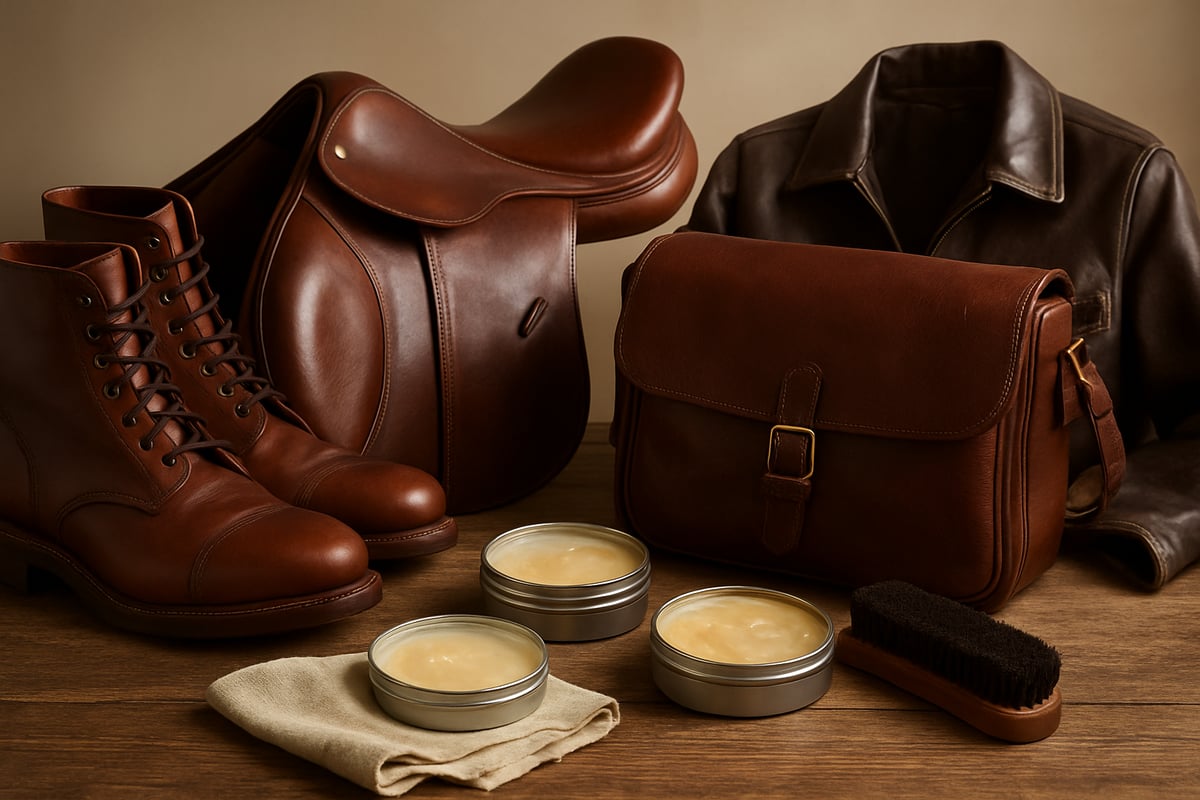
More Than a Cleaner: Conditioning Your Leather
Saddle soap does more than clean—it deeply moisturizes leather, preventing it from drying out and cracking. Its formula often includes lanolin, which acts as a natural moisturizer to keep the fibers supple. With regular use of saddle soap, leather retains its original softness and flexibility.
Neglecting leather maintenance can quickly lead to brittle, cracked surfaces. Studies show that untreated leather can lose up to 30 percent of its moisture within a year. In contrast, saddle soap helps lock in moisture, preserving the look and feel of boots, saddles, and bags for years.
A well-moisturized leather item not only lasts longer but also feels more luxurious to the touch. This makes saddle soap an essential step for anyone serious about leather care.
How to Get a Deep Clean Without Harming Leather
One of the most valued benefits of saddle soap is its ability to clean deeply without harming the material. The mild soap base gently lifts away dirt, sweat, and stains, making it suitable for frequent use on a variety of leather goods. Unlike harsh detergents, saddle soap respects the integrity of leather fibers.
Regular cleaning with saddle soap enhances the natural patina of leather rather than stripping away its finish. For example, boots and saddles cleaned with saddle soap show a noticeable improvement in luster and cleanliness, as seen in countless before-and-after results.
Proper application minimizes the risk of residue and keeps leather looking its best. This gentle yet effective cleaning power is why saddle soap remains a staple in modern leather care.
Shield Your Leather from Wear and Tear
Saddle soap does more than clean and condition—it also shields leather from harmful environmental factors. The beeswax and lanolin found in many formulas form a protective barrier against UV rays, water, and pollutants. This protection is critical for outdoor gear and equestrian equipment.
Research shows that leather goods regularly treated with saddle soap can last up to twice as long as those left untreated. Exposure to sun, moisture, and dirt can quickly degrade leather, but a layer of saddle soap helps defend against these threats.
If you are interested in learning more about protecting your leather saddles specifically, you may find the Horse Saddles Care Guide helpful for expert advice tailored to equestrian needs.
From Boots to Bags: What You Can Clean with Saddle Soap
Saddle soap is not limited to saddles, despite what the name suggests. Its versatility makes it suitable for shoes, jackets, belts, bags, and even leather furniture. This broad application debunks the myth that saddle soap is only for equestrian gear.
Whether you are maintaining a vintage jacket or a pair of riding boots, saddle soap adapts to the needs of each item. Both equestrian enthusiasts and everyday users benefit from its reliable performance.
A notable case study found that regular use of saddle soap on leather jackets and boots resulted in visibly improved texture and color retention over several years. This adaptability is a key reason for its popularity in 2025.
Why It's a Smart, Budget-Friendly Choice
Saddle soap provides exceptional value compared to many specialized leather cleaners. Its concentrated formula ensures that a single tin can last through many applications, making it a budget-friendly choice for individuals and families alike.
In 2025, saddle soap is widely available both online and in eco-friendly options, reflecting growing consumer demand. The cost of maintaining leather with saddle soap is significantly lower than replacing damaged items.
To put it in perspective, the average cost of repairing or replacing a leather bag can be five times higher than simply maintaining it with regular saddle soap use. This cost-effectiveness, combined with accessibility, makes it a smart choice for anyone looking to preserve their leather investments.
Shop This Post

Featured in this article
Professional's Choice Pony Paints - 4.4oz Non-Toxic Washable Horse Coat Paint
$22.71
Shop Now →


How to Use Saddle Soap on Leather: A Simple Guide
Caring for leather in 2025 requires attention to detail and a modern approach. This step-by-step guide will help you maximize the benefits of saddle soap while avoiding common mistakes.
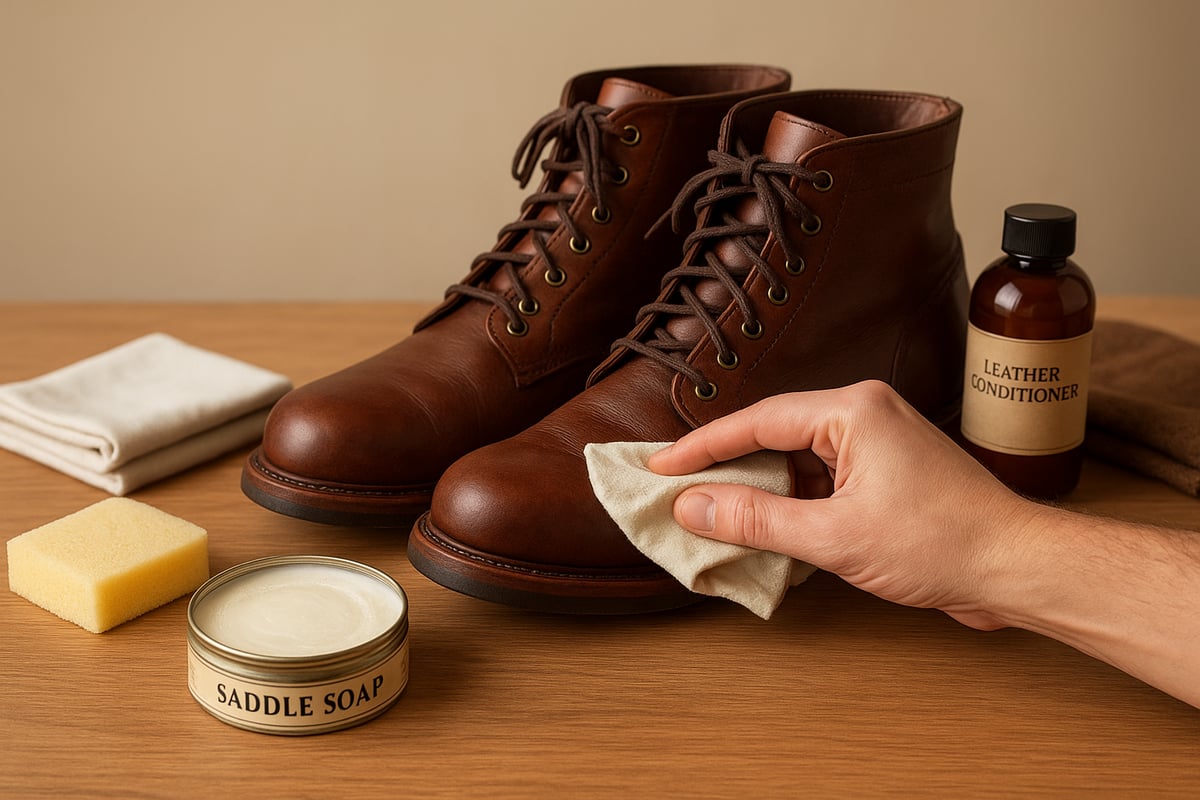
Step 1: Gather Your Supplies and Prep Your Leather
Before using saddle soap, set yourself up for the best results. Choose a clean, dust-free space with good lighting. Lay out all necessary supplies, including saddle soap, soft microfiber cloths, a small sponge, a bowl of clean water, and leather conditioner for later.
Testing is crucial. Use a damp cloth to remove any surface dust, then test a dab of saddle soap on an inconspicuous part of your leather item. Wait a few minutes and check for discoloration or changes in texture. This simple step can prevent disappointment and ensure the product is safe for your leather.
Here’s a quick checklist for preparation:
- Clean, flat workspace
- Saddle soap and soft cloths
- Small sponge and water
- Leather conditioner (optional)
- Test spot for colorfastness
- Remove surface dirt with a damp cloth
Proper setup makes the saddle soap cleaning process smoother and more effective. Taking these steps helps preserve the quality and appearance of your leather goods.
Choosing the Right Brushes and Tools
When it comes to getting the most out of your saddle soap, having the right tools is just as important as the soap itself. A soft horsehair brush is your best friend here; it's gentle enough not to scratch the leather but firm enough to work the soap into the grain and lift away dirt. Many experts recommend keeping two brushes on hand—one for applying the saddle soap and a separate, clean one for any conditioning you do afterward. This simple trick prevents you from mixing products and ensures a clean application every time. In addition to brushes, always have a few clean, soft microfiber cloths ready. They're perfect for wiping away any excess lather and buffing your leather to a nice sheen without leaving lint or scratches behind. Investing in a quality set of tools will make your tack care routine more effective and help your leather goods last for years.
Step 2: Start with a Clean Surface
Start the cleaning process by gently wiping the leather with a slightly damp cloth. This removes loose dirt and dust, which, if left behind, can scratch or damage the surface during saddle soap application.
Pay special attention to seams and stitching. These areas tend to collect grime and require careful attention. Use a soft brush or an old toothbrush to dislodge dirt from crevices without harming the leather.
Avoid soaking the material. Leather is porous and too much water can cause warping or mildew. Instead, use just enough moisture to lift surface debris before applying saddle soap. For boots and saddles, take extra care around metal hardware or decorative stitching.
Quick tips for cleaning:
- Use gentle, circular motions
- Focus on high-contact areas
- Do not oversaturate the leather
- Clean one section at a time
This careful prep ensures saddle soap can penetrate and clean effectively, without pushing more dirt into the leather’s pores.
Step 3: Applying Saddle Soap Like a Pro
Now you are ready to apply saddle soap. Dampen your application cloth or sponge slightly, then rub it into the saddle soap tin or container until a light lather forms. Work the lather onto the leather in small, circular motions, dividing large surfaces into manageable sections for even coverage.
Do not use too much saddle soap. Less is more. The goal is to lift dirt and condition the leather, not saturate it. For intricate items, use a soft brush to help reach tight spots. If you are cleaning more than one item, refresh your cloth or sponge regularly to avoid transferring dirt.
Keep in mind that certain products can leave buildup if overused. For more details on proper application and potential risks, see this Saddle Soap Usage and Risks guide. It offers valuable insights to help you avoid damage and get the best results from your saddle soap routine.
Let the lather sit briefly, allowing the saddle soap to work its magic. This step removes embedded grime while starting the conditioning process.
How to Create the Perfect Lather
The secret to a great clean is getting the lather just right. You’re aiming for a thick, foamy consistency, almost like shaving cream, not a watery, bubbly mess. To achieve this, lightly dip your sponge or a soft-bristled brush into clean water—be careful not to soak it. Then, swirl the damp applicator over the surface of the saddle soap until you build a rich lather. Too much water will dilute the soap’s cleaning and conditioning agents, making it less effective and potentially oversaturating your leather. A proper lather ensures the soap can lift dirt from the pores without leaving excess moisture behind.
Techniques for an Even, All-Over Clean
Once you have a good lather, apply it to the leather in small, circular motions. Working in manageable sections prevents the soap from drying before you can wipe it away and ensures an even application. As you gently rub, you’ll see the foam begin to lift dirt and grime from the surface. After you’ve worked the lather into a section, immediately use a separate clean, dry cloth to wipe away any excess soap and residue. This step is key to preventing a hazy film from forming. This gentle but thorough method is why saddle soap is a trusted staple for maintaining all kinds of horse tack and leather goods.
Step 4: Buffing for a Perfect Finish
After applying saddle soap, it is important to remove any excess product. Take a clean, damp cloth and gently wipe away leftover lather. Pay close attention to seams and folds, as residue can build up and cause stickiness or discoloration over time.
Once all excess saddle soap is removed, use a dry, soft cloth to buff the leather. This enhances natural shine and ensures a smooth, clean finish. Buffing also helps to evenly distribute any conditioning agents left behind by the saddle soap.
Allow the item to air dry naturally, away from direct heat or sunlight. Placing leather near radiators or using a hair dryer can lead to warping, cracking, or shrinking. Patience during the drying process preserves the integrity and longevity of your leather goods.
Notice the difference after buffing: leather looks revitalized, feels supple, and regains its original luster. This step is crucial for both appearance and durability.
The Importance of a Clean Rinse and Proper Drying Time
You might think the job is done after applying the soap, but the rinsing and drying steps are what separate a good cleaning from a great one. Skipping this part can leave behind a sticky residue that attracts more dirt. Take a fresh, damp cloth—not a soaking wet one—and gently wipe away all the leftover lather. Pay extra attention to detailed areas like seams, tooling, or stitching, as this is where soap tends to hide. A thorough rinse ensures the leather is truly clean and ready for conditioning, preventing any potential discoloration or buildup down the line.
Patience is essential when it comes to drying your leather. Always let your items air dry naturally in a well-ventilated area, away from direct sunlight or heat sources like radiators or vents. Using a hair dryer or placing leather too close to a fire might seem like a quick fix, but it will draw out the natural oils, leading to cracking and warping. Properly drying your high-quality horse tack or favorite boots preserves their shape and structural integrity, ensuring they last for many more years of use.
Step 5: Add a Conditioner for Extra Protection
For optimal results, follow up your saddle soap routine with a dedicated leather conditioner, especially for older or heavily used items. Conditioning restores essential oils and further protects against drying and cracking.
Apply conditioner using a clean cloth, working it gently into the leather. Let it absorb fully, which can take several hours to a full day depending on the product. For extra protection, consider using a quality polish or waterproofing spray, particularly for boots or outdoor gear.
Proper storage is the finishing touch. Store cleaned and conditioned leather in a cool, breathable environment. Avoid plastic bags or airtight containers, as these can trap moisture and promote mold growth.
A side-by-side comparison of a vintage saddle and a modern jacket after conditioning demonstrates the transformative power of this step. Both items appear refreshed, with improved flexibility and sheen, thanks to the combined efforts of saddle soap and conditioner.
Why Conditioning After Cleaning is Non-Negotiable
Think of cleaning leather like washing your hair. While a good shampoo—or in this case, saddle soap—effectively removes dirt and grime, the process can also strip away some of the natural oils that keep it healthy. Saddle soap is fantastic because it contains moisturizers like lanolin, but a dedicated conditioner acts as the essential follow-up step. It replenishes the deep moisture that cleaning can disturb, ensuring the leather fibers remain supple and strong. Without this step, you're leaving the leather clean but vulnerable. Untreated leather can lose a significant amount of its natural moisture over time, leading to dryness that can't be reversed easily.
Conditioning is your best defense against long-term damage. For items that face a lot of stress and exposure, like horse tack or a well-loved dog collar, this step is critical. A quality conditioner penetrates the leather to restore essential oils, which improves flexibility and prevents the formation of cracks. This proactive care preserves the structural integrity of your gear, ensuring it can withstand daily use without becoming brittle. It’s not just about making it look good for today; it’s an investment in making it last for years to come, which is why we at Hooves and Paws are so passionate about proper care for quality equipment.
Beyond protection, conditioning dramatically improves the look and feel of your leather. A well-moisturized piece feels soft and luxurious, not stiff or dry. It also helps develop a beautiful, rich patina over time—that desirable characteristic of well-cared-for leather. Skipping the conditioner can leave the surface looking dull and lifeless after cleaning. By finishing your routine with a conditioner, you ensure your leather goods not only survive but thrive, maintaining the premium quality and appearance that made you invest in them in the first place. It’s the final touch that makes all the difference.
Tips for Long-Term Leather Care
Regular care is key to extending the lifespan of your leather goods. Most items benefit from a full saddle soap cleaning every two to three months. However, avoid overusing saddle soap, as excessive cleaning can lead to buildup or drying.
In between deep cleanings, spot-clean minor stains with a damp cloth or a dab of saddle soap. Rotate your leather products in use and care to ensure even wear and prevent overexposure to the elements.
Here are a few routine maintenance tips:
- Clean every 2–3 months for most leather goods
- Spot-clean stains as needed
- Alternate products for even wear
- Store in cool, dry, breathable spaces
Data shows that regular, moderate saddle soap care can double the usable lifespan of quality leather. By following these steps, you ensure your boots, saddles, jackets, and more continue to look and perform their best in 2025.
Saddle Soap Dos, Don'ts, and Pro Tips
When it comes to saddle soap, misinformation can lead to costly errors or less-than-ideal results. Even seasoned leather enthusiasts encounter persistent myths and simple mistakes. Avoiding these pitfalls is essential for maintaining and extending the life of your leather goods. Let us separate fact from fiction with guidance from industry experts.
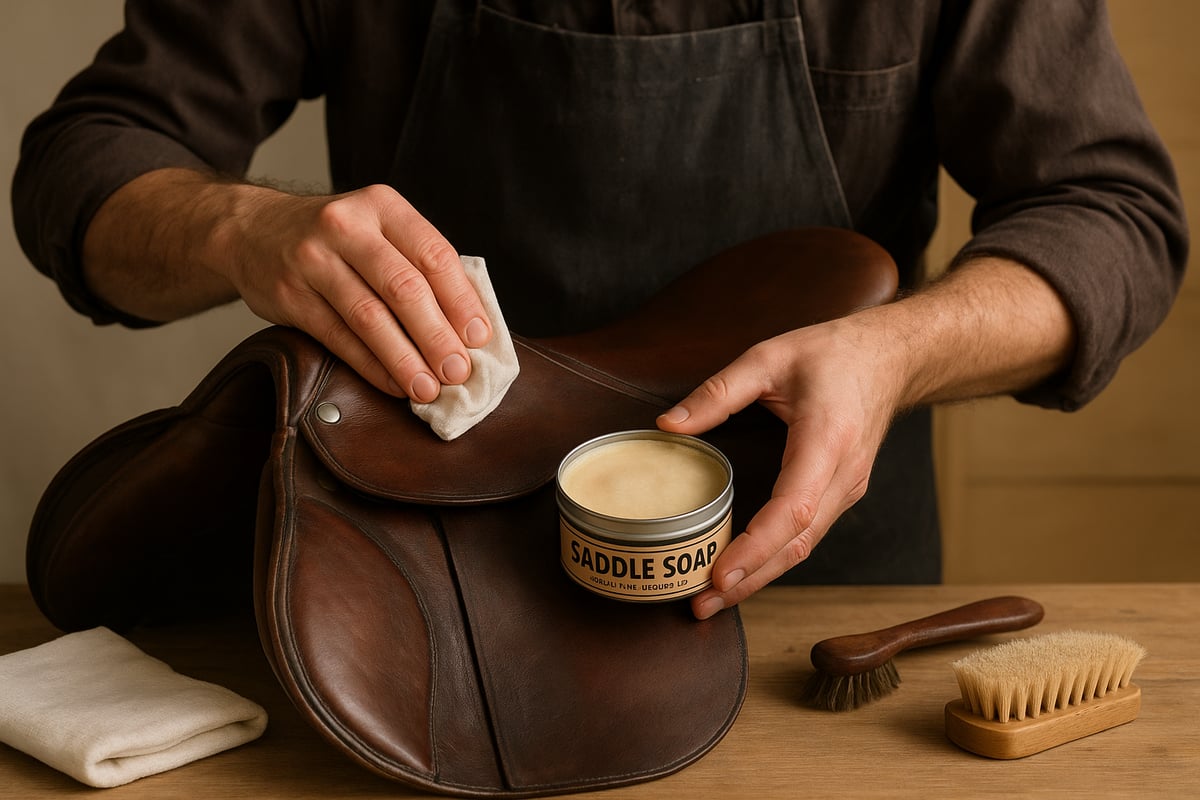
Saddle Soap Myths You Should Ignore
Several myths surround saddle soap, often confusing even experienced users. One misconception is that saddle soap is strictly for saddles. In reality, it is suitable for boots, jackets, bags, and more. Another myth is that all saddle soaps are identical, but products vary widely in terms of ingredients, quality, and results.
A third misconception is that frequent use always yields better results. Over-conditioning can cause buildup, making leather sticky or dull. Also, not every type of leather is compatible with saddle soap. For example, suede, nubuck, and unfinished leather require specialized treatment.
If you are uncertain about the differences between cleaning and conditioning, this Saddle Soap vs. Leather Conditioner comparison provides helpful clarity on product roles and best practices.
Avoid These Common Saddle Soap Mistakes
Even with the best saddle soap, improper technique can damage leather. One common error is using saddle soap on materials like suede or unfinished hides. These surfaces can absorb too much moisture, leading to discoloration or stiffness.
Using too much water or soap is another mistake. Oversaturation leads to residue, which attracts dirt and can weaken fibers. It is crucial to test saddle soap on a hidden area first to ensure colorfastness, especially with delicate or vintage items.
Never dry leather near direct heat, such as radiators or hairdryers. Rapid drying warps or cracks the material, shortening its lifespan. Always let leather air dry at room temperature for the best results.
Leaving Behind Damaging Residue
One of the easiest mistakes to make is not properly removing the saddle soap after cleaning. After you’ve worked the lather into the leather, it’s essential to wipe away all the excess with a clean, damp cloth. If you skip this step, the leftover residue can become sticky, attracting dust and dirt, which is the opposite of what you want. Over time, this buildup can also lead to discoloration, especially in the seams, folds, and detailed tooling of your leather goods. Taking an extra minute to thoroughly wipe down the surface ensures a clean, non-tacky finish that lets the leather’s natural beauty shine through.
Using It on Unsuitable Leathers
Saddle soap is a fantastic tool, but it’s not for every type of leather. Its formula is designed for tough, finished leathers, like the kind you find on saddles, boots, and durable horse tack. You should never use it on soft, porous materials like suede or nubuck. These unfinished leathers absorb moisture too readily, and the soap and water can cause them to become stiff, discolored, or matted. Applying saddle soap to suede will ruin its signature velvety texture. Always check what kind of leather you’re working with and choose a cleaner specifically designed for that material if it’s not standard, smooth leather.
Ignoring Potential Color Changes
Even high-quality saddle soap can slightly alter the color of your leather, often making it a shade darker. This is a natural part of the conditioning process as oils are restored to the fibers. However, it can be an unwelcome surprise if you’re not expecting it, especially on light-colored items. The biggest mistake is failing to do a patch test before you clean the entire piece. Always apply a small amount of saddle soap to an inconspicuous area first, like the inside of a boot tongue or the underside of a strap. Let it dry completely to see the final result before you commit to cleaning the whole item.
Over-Softening and Weakening Fibers
While conditioning is a key benefit of saddle soap, there is such a thing as too much of a good thing. Overusing saddle soap can lead to over-softened leather. When leather becomes too pliable, it can lose its shape and structural integrity. This is particularly problematic for items that need to hold a specific form, like riding boots or structured bags. Over time, excessively moisturizing the leather can even weaken its internal fibers, making it more prone to stretching or tearing. Stick to a reasonable cleaning schedule—every few months for most items—to keep your leather healthy without compromising its strength.
What the Experts Say: Pro Leather Care Tips
Professionals recommend a few key strategies for getting the most out of your saddle soap routine. Use microfiber cloths for gentle, streak-free application. After cleaning, always follow up with a leather conditioner for items exposed to heavy wear, such as boots or saddles.
Store leather goods in cool, breathable spaces to prevent mold or mildew. Rotate your cleaning routine based on the season, humidity, and usage patterns. This tailored approach helps maintain both the appearance and structural integrity of your leather.
A table summarizing expert recommendations:
| Tip | Benefit |
|---|---|
| Microfiber cloths | No scratches, even application |
| Conditioner after cleaning | Restores moisture, prevents cracks |
| Cool, breathable storage | Preserves leather, avoids mildew |
| Adjust routine by climate | Prevents over- or under-care |
Alternative Products for Cleaning and Waterproofing
While saddle soap is a fantastic all-rounder, certain situations call for a more specialized tool. If your main goal is heavy-duty waterproofing for items like work boots or outdoor gear, you might want to look at a dedicated protectant. Products like Sno-Seal, which is primarily made of beeswax, are specifically designed to create a robust barrier against moisture. While saddle soap offers a degree of protection, a dedicated waterproofer provides a more resilient shield for leather that faces harsh weather. Think of it this way: saddle soap is your go-to for routine cleaning and conditioning, while a waterproofing wax is what you bring out for maximum defense against the elements.
Conditioners to Approach with Caution
Not all leather care products are created equal, and some can do more harm than good. Mink oil, for example, is a product many experts suggest using with caution. While it's known for waterproofing, it can also over-soften leather, potentially weakening its structure, and may darken the color or leave a greasy residue. It’s also crucial to remember that saddle soap isn't a one-size-fits-all solution. You should never use it on delicate materials like suede, nubuck, or other unfinished leathers. These porous surfaces require specific cleaners that won't cause damage, matting, or discoloration. Always stick to products designed for these sensitive materials to keep them looking their best.
See the Results: Before-and-After Examples
Real-world results speak volumes about the value of proper saddle soap use. Equestrians often report boots lasting over a decade with regular care. Leather enthusiasts have restored vintage jackets to near-original condition by following expert-backed routines.
Cobblers and saddle makers in 2025 emphasize that consistent, moderate use of saddle soap dramatically improves longevity. They often recommend specific products based on leather type and usage. Industry leaders showcase before-and-after photos, demonstrating dramatic improvements in both appearance and durability.
For anyone serious about leather care, these expert insights and case studies underscore the importance of informed, mindful maintenance.
How to Choose the Best Saddle Soap for Your Leather
Selecting the best saddle soap for your leather goods in 2025 involves more than just picking a familiar brand. With new formulations and a growing focus on sustainability, making an informed choice ensures your leather remains protected and looking its best.
What to Look for When Buying Saddle Soap
When choosing saddle soap, start by identifying your leather’s color and finish. White saddle soap is ideal for light leathers, while yellow variants tend to suit darker pieces. Always check the ingredient list. Natural formulas with lanolin and beeswax offer gentle care and minimize harsh chemicals.
Brand reputation and user reviews provide insight into product performance. Look for transparency in ingredient sourcing, especially if you prefer vegan or eco-friendly options. Ensure the saddle soap matches the type of leather—some are designed for boots, others for saddles or fine accessories. Taking these factors into account helps you select a saddle soap that preserves both appearance and integrity.
A Quick Look at the Top Saddle Soap Brands
The saddle soap market in 2025 features a mix of classic and innovative brands. Many now offer vegan, cruelty-free, or hypoallergenic formulas, catering to diverse consumer needs. Concentrated options are popular for their value and reduced packaging waste.
Here’s a quick comparison table:
| Brand | Key Features | Price Range | User Rating |
|---|---|---|---|
| Brand A | Vegan, eco-friendly | $$ | 4.8/5 |
| Brand B | Traditional, beeswax | $ | 4.5/5 |
| Brand C | Hypoallergenic, liquid | $$ | 4.7/5 |
For more on market trends and leading players, consult the Leather Care Products Market Report. Comparing features and user feedback ensures your saddle soap aligns with your values and needs.
Your Complete Leather Care Toolkit
Saddle soap is a cornerstone of leather care, but it works best as part of a complete routine. After cleaning, conditioners replenish moisture and keep leather supple. Waterproofing sprays or polishes add protection, especially for items exposed to the elements.
Use quality brushes and microfiber cloths for even application. Bundled kits are convenient for beginners, often including all necessary tools and products. Explore the Essential Grooming Supplies Collection to find curated leather care sets and accessories that complement your saddle soap for optimal results.
Tailoring Your Routine for Different Leather Goods
Every leather item has unique needs. Equestrian gear, such as saddles and bridles, benefits from robust cleaning and conditioning routines. Fashion items like jackets, bags, and belts often require gentle products to maintain their finish. For home goods, including leather furniture and car interiors, opt for saddle soap formulas designed to handle larger surfaces.
Vintage or delicate leather demands extra care—test saddle soap on a small area first and follow up with a nourishing conditioner. By tailoring your approach, you ensure each item receives the attention it deserves, extending its lifespan and preserving its character.
Frequently Asked Questions About Saddle Soap and Leather Care
How Often Should I Use Saddle Soap?
Saddle soap should be used every two to three months for most leather goods. Overusing saddle soap can cause a buildup of residue or lead to drying, so moderation is key. Watch for signs like dullness, stiffness, or visible dirt to know when cleaning is needed.
For items exposed to heavy dirt or sweat, such as equestrian tack, consider more frequent care. For more detailed guidelines on maintaining tack, visit the Horse Tack Maintenance Tips article.
Is Saddle Soap Safe for All Types of Leather?
Saddle soap is formulated for finished leather but is not safe for suede, nubuck, or unfinished leathers. These types absorb moisture differently and may be damaged by saddle soap.
Always test saddle soap on a hidden area to check for colorfastness or texture changes. If in doubt, consult a professional or refer to care instructions specific to your leather item.
Can Saddle Soap Remove Stubborn Stains?
Saddle soap is effective against dirt, salt, and some surface stains. It works well for cleaning riding boots and tack, removing grime without harming the leather. However, stubborn stains like oil or ink may require specialized cleaners or professional attention.
If regular cleaning does not remove a stain, avoid scrubbing too hard, as this could damage the leather’s finish.
What Is the Difference Between Saddle Soap and Leather Conditioner?
Saddle soap is primarily a cleaner that removes dirt and sweat while providing some conditioning. Leather conditioner, on the other hand, deeply moisturizes and restores flexibility.
For best results, use saddle soap first to clean, then apply conditioner to nourish and protect. This two-step process keeps leather both clean and resilient over time.
Are There Eco-Friendly or Vegan Saddle Soaps?
Yes, the market now offers eco-friendly and vegan saddle soap options. These products use plant-based ingredients and sustainable packaging, appealing to environmentally conscious consumers. Look for labels indicating cruelty-free testing and biodegradable components.
You can find these options in specialty stores and online, making it easier than ever to care for your leather goods responsibly.
Now that you know how to care for your leather goods with confidence in 2025, why not give your boots, saddles, or favorite bags the treatment they deserve? With the right saddle soap and accessories, you can protect your investment and keep every piece looking its best for years to come. At Hooves and Paws, you’ll find expert-recommended products and flexible options tailored for both equestrian and everyday needs. Enjoy free US shipping and a wide selection to support your complete leather care routine. Ready to elevate your leather care? Buy Now
Key Takeaways
- Saddle Soap is a Multi-Tasking Essential: It's a complete treatment that does more than just clean. Its formula removes grime while simultaneously conditioning with ingredients like lanolin to prevent cracking and adding a protective barrier with beeswax.
- The Right Technique Prevents Common Mistakes: Always test saddle soap on a small, hidden area first. Use a damp cloth to build a light lather, wipe away all residue when you're done, and let the leather air dry naturally to avoid warping or damage.
- Know Your Leather Type Before You Start: Saddle soap works wonders on durable, finished leathers like horse tack, boots, and belts. However, you should never use it on soft, porous materials like suede or nubuck, as it can cause permanent stiffness and discoloration.


