

Headstalls: One Ear vs Browband
Filter and sort
9 products

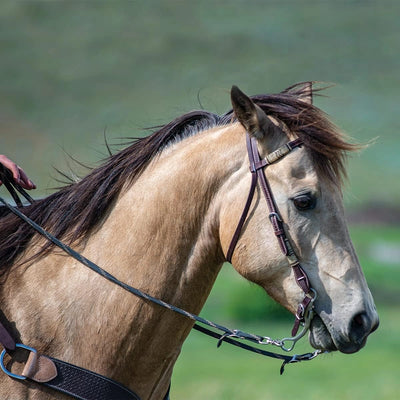

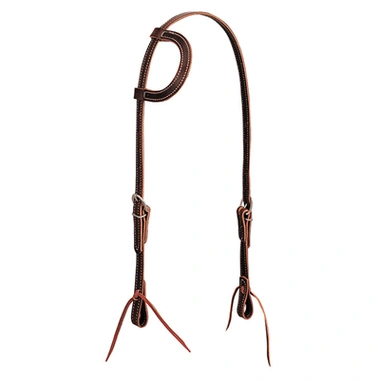

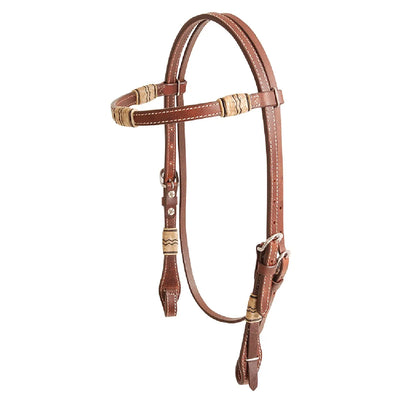

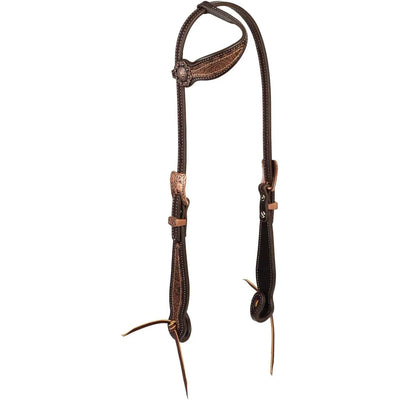

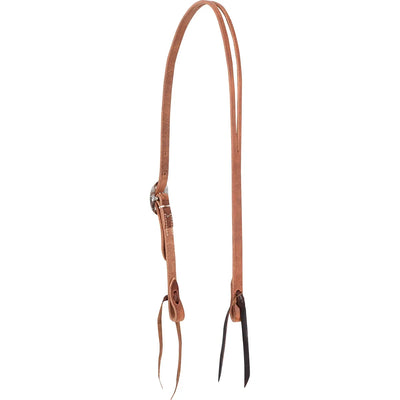

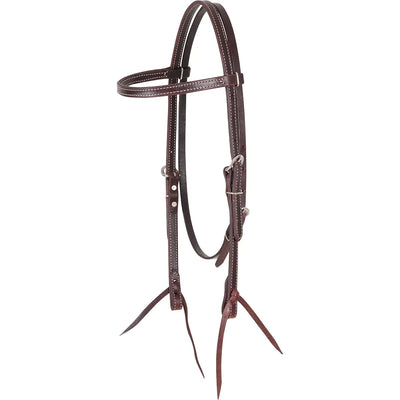

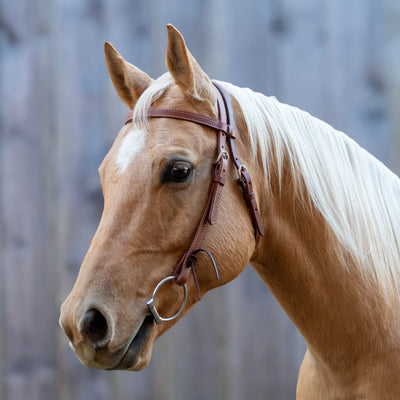

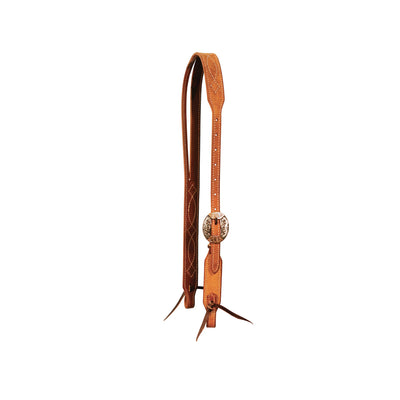

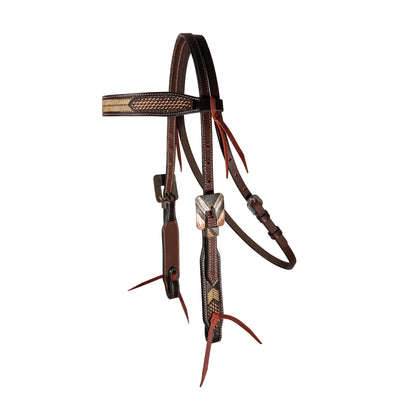
The one ear headstall is not just the plainer looking option. It behaves differently on the horse's head, and the difference shows up the moment you pick up a rein. Which one belongs on your horse comes down mostly to the bit you are riding in, and secondarily to whether the horse is the sort who scrubs his bridle on a fence.
What Riders Are Actually Asking
Is a one ear headstall safe with a snaffle bit?
This is the argument that will not die, and the mechanism is worth understanding. Pull on a curb or shank bit and the purchase rotates, which puts a small amount of downward pressure on the crown and seats the headstall behind the ears. Pull on a snaffle and the cheekpieces are drawn forward instead, which slightly slackens the crown. A one ear has nothing but that single ear loop and friction holding it on, so the slack matters. Plenty of ranch riders have used the combination for decades without trouble, but if a horse pulls or shakes, a browband with a throatlatch is the safer choice.
What is the difference between one ear, split ear and sliding ear?
One ear is the umbrella term. A split ear headstall has a slit cut through the crown piece itself, so the position of the loop is fixed where the maker put it. A sliding or slip ear has a separate loop that slides along the crown, which lets you move it to suit the horse and take it off the ear entirely at the trailer. If you swap the headstall between horses, the sliding ear is the practical one. If you want the cleanest show look, the split ear wins.
Do one ear headstalls rub or bother the horse's ear?
They can, and the culprit is usually a slit that is too tight or a crown that sits too far back. The ear loop should hold the base of the ear without squeezing it and the ear should still swivel freely when the horse listens to something behind him. Check for rubbed hair at the base of the ear after a few rides. A horse who has had his ears twitched, or who is head shy, is often better in a browband, because the browband style lets you bridle without touching an ear at all.
How do I size and adjust a western headstall?
Most western headstalls come in 5/8 inch and 3/4 inch widths, with the wider ones used for heavier working tack and the narrower ones for show and lighter bits. Adjust so the bit makes one soft wrinkle at the corner of the mouth for a snaffle, and roughly no wrinkle to a very slight one for a curb, which hangs lower. With a browband, the browband should not pinch the base of the ears, and you want about four fingers between the throatlatch and the horse's jaw.
Is a headstall the same thing as a bridle?
Not quite, and it matters when you are ordering. A headstall is the head part on its own, and it is almost always sold without a bit and without reins. A bridle usually means the complete outfit. So a western headstall arriving as a strap with two bit ends is not a shortage, it is what you bought. Check the listing for the words set or complete if you want the reins included, and check the bit end style: some come with buckles, some with Chicago screws, and some with leather ties that need soaking to work.
How to Choose the Right Headstall
- Match the headstall to the bit: Leverage bits seat a one ear as you ride. Snaffles loosen the crown, which is the case for a browband and throatlatch.
- Sliding ear for a shared headstall: The loop moves along the crown, so one headstall fits several heads. A split ear is fixed where the maker cut it.
- Check the bit end hardware: Buckles adjust fastest, Chicago screws stay tidy, leather ties look traditional and take patience to change.
- Pick the width for the job: 3/4 inch harness leather for ranch work and heavy bits, 5/8 inch for show, lighter bits and smaller heads.
- Buy oiled leather if you ride outside: Pre-oiled harness and latigo arrive supple and shrug off weather. Bare veg tan needs a season of conditioning first.
What This Page Is Not For
This page is western headstalls. It does not cover English bridles, cavessons or noseband types, and it does not cover bitless setups such as bosals, side pulls and mechanical hackamores. Headstalls here are sold without bit and without reins unless the listing says set.
Brands Riders Trust
Weaver Leather makes the deepest range on this page, from plain pre-oiled latigo working headstalls to hand-tooled and beaded browbands, in both sliding ear and split ear. Professional's Choice covers the ranch and performance end, with the Gunslinger roughout and the quick change styles. Martin Saddlery brings traditional show leather, Cashel does practical trail tack, and Shires makes the Velociti browband headstall for riders who want a western look in English-grade leather.
Every headstall here is in stock in an American warehouse, ships within two days, and carries our 365-day guarantee. Happy Tails, Happy Trails.
