

Shedding & Grooming Tools
Filter and sort
8 products

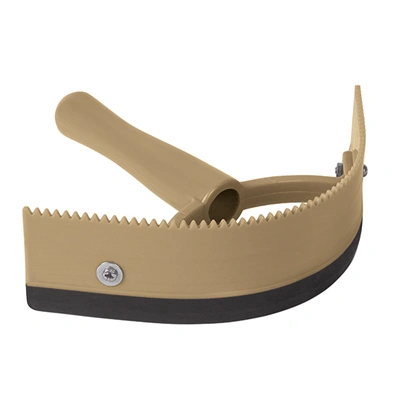

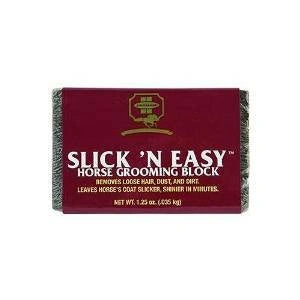

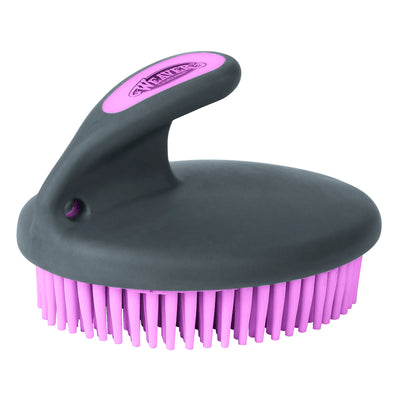

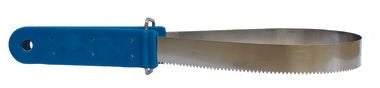


Shedding is one of the few grooming questions where almost everyone agrees on the answer: a curry does the work, and everything else finishes it. Where people part company is on metal, and on which bony places a blade should never touch. Here is what actually shifts hair, and what only looks like it does.
What Riders Are Actually Asking
What is the single best de-shedding tool?
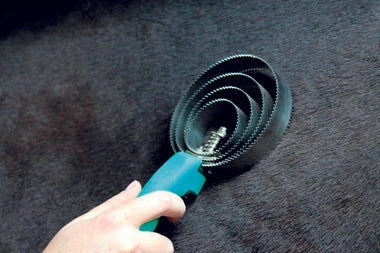
A curry comb with deep, long teeth, used in a raking motion rather than circles once the hair is long. It loosens the undercoat, which is the part that has to move first, and nothing else on the shelf replaces it. A metal curry or a shedding blade then lifts the loosened hair off the barrel in sheets, and a grooming block picks up the stubborn patches on the flank and the bot eggs on the legs. Riders argue about brands here far less than they argue about almost anything else in grooming.
Is a metal shedding blade safe to use?
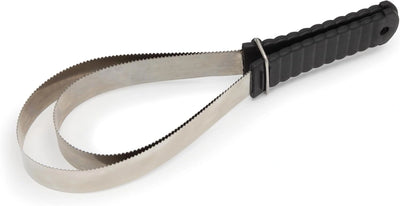
On the barrel, ribs and hindquarters, yes, used with a light hand and following the hair. Off those areas, be careful. Professional grooms consistently warn against metal on the shoulders, hips, legs and face, where there is little between the blade and bone, and against using it at all on a thin-skinned or recently clipped horse, because it damages the new summer coat coming in underneath. If your horse pins his ears the moment metal touches him, that is data, not attitude. Switch to a rubber curry or a grooming block.
What does a grooming block or stone actually do?
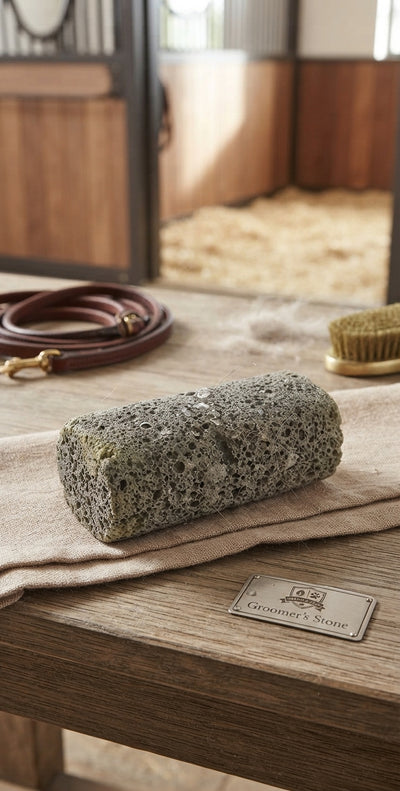
It is a soft, porous block, roughly the density of a pumice stone, that you drag dry across the coat. The surface grabs loose hair rather than pushing it around, and it is the only common tool that reliably scrapes bot eggs off the legs, where a curry cannot reach and metal should not go. It wears down as you use it, which is normal and not a defect: the block is meant to shed its own surface. Rinse it, let it dry hard, and expect a season or two out of one.
How often should I be doing this in shedding season?
Daily, ten to fifteen minutes, for the four to six weeks it takes. Shedding is triggered by day length rather than temperature, so the coat starts to loosen not long after the winter solstice, well before it feels like spring, and a warm snap in February does not mean he is finished. Consistent short sessions beat one long attack on a Saturday, because loose hair that stays in the coat traps dirt against the skin and is what turns into a rain rot patch under a wet blanket.
Do I need a dandy brush, a body brush and a mane comb?
They do three different jobs, so mostly yes. A dandy brush is stiff and long-bristled and lifts dried mud and the hair the curry has raised. A body brush is soft and densely packed, usually horsehair or goat hair, and works oil out from the skin along the coat, which is what puts on the shine. A mane and tail comb with wide teeth is for detangling only, and it should be used sparingly on tails: every pass pulls hairs that take years to replace.
How to Choose the Right Grooming Tool
- Buy the curry first: Deep teeth for a heavy winter coat, softer nubs for a thin-skinned horse. This is where most of the hair actually comes from.
- Keep metal off the bony bits: Barrel and quarters only. Shoulders, hips, legs and face get rubber, a block or a mitt instead.
- Add a block for legs and bot eggs: Nothing else does that job. It wears away as you use it, which is how the tool is supposed to work.
- Check the handle before the bristles: A tool you can hold for fifteen minutes gets used daily. Palm-style and looped handles save a lot of wrist.
- Wash the brushes, not just the horse: A body brush loaded with old grease burnishes dirt into the coat. Warm water and mild soap once a month is enough.
What This Page Is Not For
This page is hand tools for coat and shedding work. It is not shampoos, detanglers, coat shine sprays or fly repellents, it does not cover clippers and blades, and hoof picks and grooming totes live elsewhere. It is also horse-sized: most of these tools are far too aggressive for a dog, the Groomer's Stone being the one exception that is genuinely made for both.
Brands Riders Trust
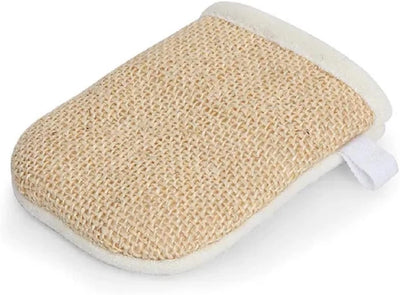
Farnam's Slick N Easy block is the one most people reach for on bot eggs and stubborn flank patches. Shires makes the plain black shedding blade that has been in half the tack rooms in America, plus the dual-sided Cactus Mitt for mud. Professional's Choice covers the round metal curry and the Soft Touch shedding blade with a grip you can hold. Weaver Leather does the ergonomic palm curry and a two-in-one sweat scraper, and the Groomer's Stone carries our own Hooves and Paws name for the fine finish work.
Every tool here ships in two days from an American warehouse and is covered by our 365-day guarantee, so a curry that turns out too harsh for your horse can come straight back. Happy Tails, Happy Trails.
