


Choosing a dog food storage container and deciding where to keep it affects freshness, cleanliness, and how easily you can track each bag. A good storage routine should protect the food without hiding important details such as the lot number, best-by date, or feeding instructions.
The best dog food storage container is clean, completely dry, made for food storage, and fitted with a snug lid. For the safest approach, keep the food in its original bag and place that bag inside the container when possible. Store it in a cool, dry location below 80 F, away from pests and curious pets.
The right choice depends on more than size. Material, lid design, cleaning habits, refill timing, and placement all shape how well your setup works. Here is what to look for before selecting a container for your household.
What Makes a Good Dog Food Storage Container?
A good dog food storage container keeps dry food protected, organized, and easy to handle without replacing the original package's safety information. The best setup is often the original bag placed inside an airtight outer container. The FDA recommends keeping dry pet food in its original bag, while Tufts advises placing the entire bag inside an airtight container when possible. This approach combines the bag's product and recall details with the container's convenience and added barrier against pests.
Look for a clean, dry interior
If you pour kibble directly into a container, the FDA says the container should be clean and dry before use, with a lid that fits snugly. Residual oil, crumbs, or moisture can affect the next batch, so a container is only as useful as its cleaning routine. Use up the old food before adding new food, then wash and completely dry the container between bags. Read the FDA's pet food storage guidance for the full handling recommendations.
Prioritize safe handling over the word airtight
An airtight seal is helpful for convenience and pest control, but it is not a guarantee of freshness. Store the container indoors in a cool, dry location, ideally below 80 F, and keep it somewhere your dog cannot open. If food is transferred out of its bag, retain the product name, manufacturer, UPC, lot number, and best-by date. You can tape those details to the outside of the container and update them whenever you open a new bag.
Which Container Materials and Features Matter?
Material matters, but the lid, cleaning routine, and storage location matter just as much. If you pour kibble directly into a container, the FDA advises using one that is clean, dry, and fitted with a snug lid. When possible, keep the entire original bag inside the container instead. That preserves product and recall information while adding a second layer of protection. Read the FDA's pet food storage guidance for the full recommendation.
| Option | Seal and visibility | Cleaning and durability | Best household fit |
|---|---|---|---|
| Food-safe plastic | Often lets you see the remaining food. Choose a lid that fits snugly rather than relying on the material alone. | Lightweight and practical, but it must be washed and completely dried between bags if food is stored loose. | Useful for everyday kitchens, frequent handling, and households that want to monitor the food level. |
| Metal | Blocks visibility, so a clear label is important. Inspect the lid and closure for a secure fit. | Can be a durable choice, though the container should still be kept dry and cleaned between bags. | Helpful when limiting light or discouraging pets from seeing and reaching the food, provided it is stored securely. |
| Other practical options | Prioritize a dependable closure and an opening that makes scooping easy without leaving the bag exposed. | Choose a shape you can reach, wash, and dry thoroughly. Avoid a container that encourages residue to collect in corners. | Good for fitting a specific pantry, shelf, or feeding area, as long as the location stays cool and dry. |
For any material, label loose food with the product name, manufacturer, UPC, lot number, and best-by date. Update that information whenever you open a new bag. In a multi-pet home, favor a container that can be placed securely off the floor and out of reach because airtight storage helps keep pests and hungry pets away.
Shop This Post

Featured in this article
Zymox Otic Pet Ear Care with 0.5% Hydrocortisone - Enzymatic Ear Solution for Dogs & Cats - 1.25 oz
$22.49
Shop Now →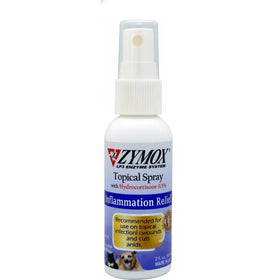
How Large Should Your Container Be?
Choose a container around your household's real feeding pattern, not a number printed on a search result. Start with the bag size you typically buy, then consider how quickly your dog or dogs finish it, where the container will sit, and whether you can lift it comfortably when it is full.
Searches for a 20-pound, 40-pound, or 50-pound dog food storage container can be useful starting points, but pounds do not translate to one universal container volume. Kibble shape, density, and formula vary. A container advertised for a certain weight may hold less or more than your particular food. If possible, use the food bag's dimensions and the container's interior measurements, or test the fit before committing to a large bin.
Plan around use, lifting, and storage
For a single dog that eats slowly, a smaller container may make scooping and rotating food easier. A multi-dog household may need more capacity, but several manageable containers can be safer and more practical than one oversized bin. Divide food by bag or feeding area when that makes lifting easier, and leave enough room to remove a scoop without spilling.
Measure the shelf, pantry, or cabinet first. Account for the lid opening, clearance above the container, and the path you will use to carry it. Keep dry food in a cool, dry place below 80 F, as the FDA recommends, rather than choosing a size that forces storage in a hot garage or humid area. A large container does not make poor placement safe.
Once you know the size and handling requirements, a product recommendation can help you complete the feeding setup. Browse dog health essentials for curated supplies that support everyday care, then choose a container that suits your routine rather than simply selecting the largest option.
If you transfer kibble out of its bag, keep the product name, lot number, UPC, and best-by date with it. The FDA recommends retaining that information, and a smaller, well-labeled container is often easier to manage than a large bin that sits open or gets forgotten.
How Should You Store Dog Food in a Container?
The safest routine is to keep dry food in its original bag and place the entire bag inside a clean, dry container with a secure lid. This preserves the packaging information while adding protection from air, moisture, pests, and curious pets. The FDA recommends this approach when possible, rather than pouring kibble directly into a secondary container.
Keep the bag and its identifying details
The original package contains information you may need later, including the product name, manufacturer, UPC, lot number, and best-by date. If the bag will not fit or you must pour the food into the container, save those details first. You can tape a cut-out label or written record to the outside, then replace it whenever you open a new bag. This is especially useful if you buy more than one formula or feed multiple dogs.
Limit air, heat, and moisture
After serving food, squeeze excess air from the bag and close it with the built-in seal, a bag clip, or tape. Air exposure can speed nutrient breakdown and introduce environmental bacteria. Keep the closed container indoors in a cool, dry place below 80 F, away from a stove, radiator, direct sunlight, damp utility area, or outdoor temperature swings. Heat and humidity can affect nutrients, encourage mold or bacterial growth, and make fats rancid. See these fresh dog food storage tips separately, since fresh food follows different handling needs.
Secure the feeding supply
Choose a location your dog cannot open or reach, particularly if the container holds another pet's formula. Airtight storage and keeping food off the floor can help discourage pests, but the container is not a substitute for sensible food rotation or cleanliness. Use the oldest food first, and do not add a new bag on top of remnants from the previous one. A clean, dry setup protects both convenience and confidence at mealtime.
How Do You Clean and Refill the Container?
A consistent refill routine keeps old crumbs, residual fat, and outdated labels from carrying over into a fresh bag of kibble. The safest approach is to finish the existing food before cleaning the container, then refill it only after every surface is fully dry.
- Use the old food first. Do not top off a partially filled container with a new bag. Finish the remaining kibble so you can clean the entire interior and avoid mixing different bags or lots.
- Remove crumbs and residue. Empty the container completely, including food caught around the rim, hinges, gasket, or scoop. A dry wipe or soft brush can help loosen particles before washing.
- Wash the container. Follow the container maker's care instructions and use warm water with a mild dish soap. Pay special attention to seams, corners, the lid, and any removable seal. The FDA advises washing a storage container between bags to remove residual fat and crumbs from its surfaces: see its pet food storage guidance.
- Rinse and dry completely. Rinse away all soap, then leave the container open until no moisture remains. Dry the lid, gasket, and scoop separately. Moisture trapped beneath a seal can undermine the clean-storage routine, so allow extra time if needed.
- Update the label before refilling. Record the product name, manufacturer, UPC, lot number, and best-by date. Tape the information to the outside if the kibble is no longer in its original bag, and replace it whenever you open a new bag.
- Refill and secure. If practical, place the entire original bag inside the container. Otherwise, transfer the food only into a clean, dry container, close the lid snugly, and store it in a cool, dry location.
Clean and completely dry the container between bags, then rotate the label with each refill. If you are also reviewing ingredients or feeding needs, use this guide to choose the right dog food before your next purchase.
When Should You Stop Using Stored Dog Food?
Stop using stored dog food when it is past the best-by date, has been exposed to damaging conditions, or looks or smells different from the product you normally feed. A dog food storage container can limit air, moisture, and pests, but it cannot restore food that has already deteriorated.
For unopened food, follow the labeled best-by date. Once a bag is opened, shelf life varies with the food's type, composition, packaging, and storage conditions. Texas A&M notes that foods with more fat may have a shorter shelf life, while Tufts recommends using opened pet food within about two to three months when possible. These are practical freshness guidelines, not a guarantee for every formula. Read the package directions and follow the manufacturer's recommendations.
Heat and moisture are warning factors. The FDA recommends storing dry pet food in a cool, dry place below 80 F, while Tufts explains that heat and humidity can contribute to rancidity, nutrient breakdown, mold, and bacterial growth. If a container sat in a hot garage, damp area, or near a heat source, use extra caution even if the date has not passed.
Do not feed food with a noticeably different color, an unusual or rancid smell, visible moisture, mold, insects, or other signs of spoilage. Texas A&M advises contacting the manufacturer when food's color or smell changes, since the issue may affect more than one package. Keep the original bag or record its product name, lot number, and best-by date so the company can investigate.
If your dog develops a health problem after eating a product, stop feeding it and contact your veterinarian, as the FDA advises. A veterinarian can provide case-specific guidance without relying on appearance alone.
A Safer Feeding-Station Routine for Multi-Pet Homes
A well-organized feeding station can make daily meals easier while reducing mix-ups between pets. Keep each dog's food in a clean, tightly closed container, and place it where curious noses and determined paws cannot reach it. This matters in multi-pet homes because a pet that overeats or gets into another animal's diet can become sick. Tufts Petfoodology explains why secure storage matters.
Separate diets and control access
Give every container a clear label with the pet's name and food type. If one dog needs a different formula, keep that food in its own container rather than relying on memory. Use a shelf, cabinet, or other secure location that pets cannot open. An airtight container helps keep pests out, while elevated storage can further reduce pest exposure. Keep the feeding area tidy, and return the container to its storage place after each meal.
Measure portions consistently
Use the same measuring cup or scoop for each pet, and keep it with the appropriate container. Measuring before the bowl reaches the floor helps prevent accidental double servings, especially when more than one person feeds the household. Feed pets in separate spots if they guard food, rush meals, or try to switch bowls. For dogs that eat too quickly, choose a slow feeder bowl as part of a calmer routine.
Make convenience part of the system
Store the scoop, labels, and feeding notes near the station, but keep them clean and dry. A simple setup makes it easier for busy households to maintain consistent portions and reorder recurring essentials. Hooves and Paws serves multi-pet families looking for practical, carefully selected pet supplies, so organize the station around what your household can follow every day.
Shop Dog Health Essentials Today
Frequently Asked Questions
What is the best container to store dog food in?
The best option is a clean, completely dry container with a snug or airtight lid. When possible, place the entire original food bag inside it rather than pouring kibble directly into the container. This approach helps preserve the product label and recall information while adding protection from air, moisture, pests, and curious pets. The FDA recommends keeping dry pet food in its original bag.
Is it good to store dog food in a plastic container?
Yes, a food-safe plastic container can be practical when it is sturdy, clean, dry, and fitted with a secure lid. The material alone does not keep food fresh, so place it in a cool, dry indoor location and follow the food manufacturer's storage directions. Keeping the original bag inside the container is preferable when the size allows.
What is a good large container for storing dog food?
Choose a container that accommodates the full bag without forcing it in, leaves room for safe scooping, and can be lifted or rolled without spilling. Do not select by a stated pound capacity alone, because kibble size and food density vary. For a large household, two manageable containers may be easier to rotate and clean than one oversized container.
What is the best way to store large amounts of dog food?
Keep each bag in its original packaging when possible, then place it in an airtight container in a cool, dry area below 80 F. Keep the container secure and off the floor, and use the oldest opened bag first. Heat and humidity can contribute to nutrient breakdown, rancidity, mold, and bacterial growth, according to Tufts Petfoodology.
How often should a dog food container be cleaned?
Use up the old food before adding a new bag. Then wash the container and let it dry completely before refilling it. Also update the label with the product name, manufacturer, lot number, UPC, and best-by date whenever you open a new bag. If the food develops an unusual smell or color, do not feed it and contact the manufacturer.
Ready to Shop for Dog Health Essentials?
A clean, well-organized feeding routine makes it easier to care for your dog and keep everyday supplies in one place. When you are ready to choose trusted products for your pet's health and comfort, Shop Dog Health Essentials from Hooves and Paws. Browse the collection and select the items that fit your dog's routine, storage setup, and ongoing care needs.


