

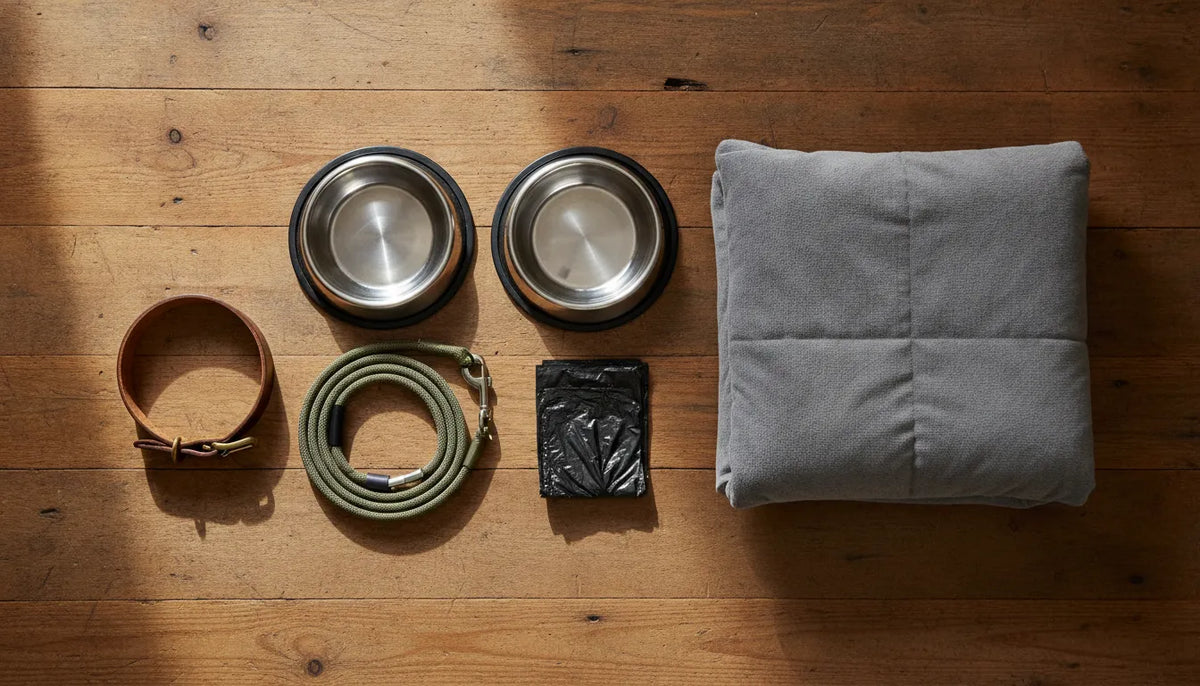
Buy dog supplies in the order a dog uses them. Start with a collar and ID tag, a leash, a resting place, two bowls, and waste bags. Toys, coats, and supplements come after those five fit this dog. Extra items do not make the first week safer, and the wrong size can make a sound product useless.
Call (760) 247-5523 for a size check, or shop dog apparel and walking gear.
Use this order for a new dog, or when older gear no longer fits. Grooming lessons, feeding plans, and first-aid lists already have their own guides. Hooves and Paws has selected horse and pet gear since 1994, and the same fit-first habit applies here.
What Dog Supplies Should You Buy First?
Buy identification and a leash before anything decorative. The ASPCA's general dog care guide says a dog needs a collar with a license and ID tag, plus a microchip or tattoo, so a lost dog can get home. A collar with no readable tag is not identification. License rules differ by city, so clip the required tag on the day the dog arrives.
Walking gear comes next, because the first outing should not be the moment you discover a clasp that will not close. Rest, food, and water follow that gear. The ASPCA says a dog needs a warm, quiet place away from drafts and off the floor, with clean bedding, plus fresh water available at all times. Waste bags matter the first time you step outside, not after the walk is already finished.
Use this order so the first purchase is the one you cannot skip. Each step below is something the dog needs before toys, coats, or anything optional enter the cart.
- Collar or harness that you can fit today, plus a readable ID tag and a current license if your area requires one.
- A leash with a clasp that closes fully, long enough for a normal walk and short enough to keep control near roads.
- A bed or crate with washable bedding in a quiet spot.
- A food dish and a separate water bowl that you can scrub every day.
- Waste bags, then one or two safe toys, then a brush that matches the coat.
How Should a Collar, Harness, and Leash Fit?
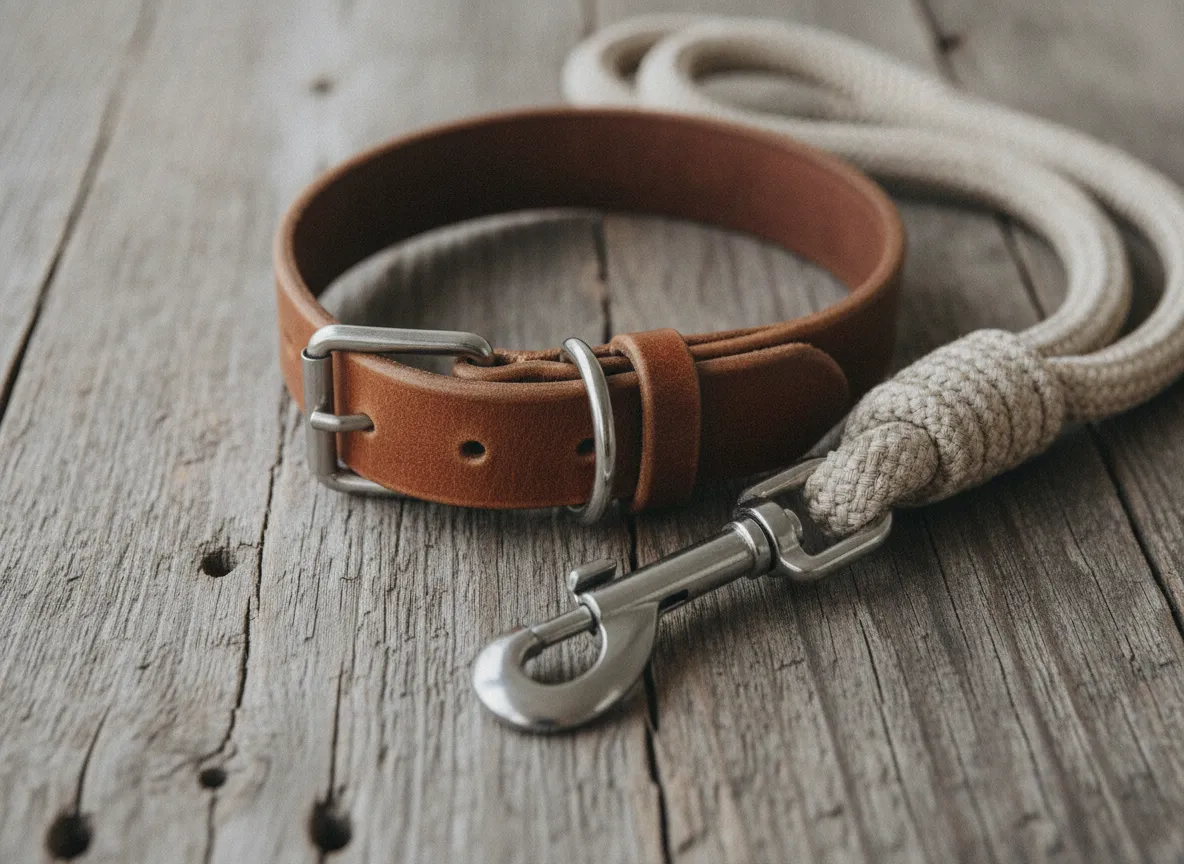
Fit is what separates useful gear from a hazard. Two fingers should slide under the collar, and the collar should not pull over the head. Check a growing puppy every week. A slip collar such as the in-stock Weaver Leather Laced Chain Slip Collar suits a dog that already walks calmly. It is a poor first collar for a dog that lunges, because the design tightens when the dog pulls.
A flat buckle collar is the everyday home for ID tags, because the tag stays with the dog after the leash comes off. Weaver's in-stock Terrain D.O.G. Reflective Snap-n-Go collar adds a quick-release buckle and reflective material, which helps on early-morning and late-evening walks. Measure the neck where the collar will sit, rather than the widest part of the head. If the dog falls between two listed sizes, choose the range that still leaves two fingers of room.
Choose a harness when a collar bothers the neck, when the dog pulls hard. Or when a short dog or an unsteady senior needs a handle you can grab. The neck opening should not ride up onto the throat, and the chest strap should not cut into the armpits during a normal stride. You should be able to flatten one hand under each strap. If the dog can slip a leg out, the harness is too loose or the wrong shape, not a harness that still needs to be broken in.
Leashes usually fail at the clasp or the handle rather than in the middle of the strap. The in-stock Terrain D.O.G. Rope Slip Lead is one braided rope, which is useful when a trained dog can wear the collar and leash as a single piece. A separate leash is safer while you are still learning this dog, because you can unclip it and leave the ID collar on. Avoid a retractable leash near roads, horses, or other dogs. The thin cord is hard to see, and a locked reel can yank a finger.
Replace any collar, harness, or leash with a cracked buckle, a frayed stitch, or a clasp that does not snap shut. Barn dust dries nylon and leather faster than a city sidewalk does. So do not leave either on a dog that is swimming or crated unless you can recheck the fit.
On the third day, take a ten-minute walk and watch for a twisted strap, a clasp that pops open, or a bed the dog refuses to use. Hooves and Paws offers a 365-day satisfaction guarantee, which means a size that fails on a real walk can go back instead of living in a drawer. After that first week, add only the gap you actually saw, and look to the dog health essentials collection for ear, skin, dental, and first-aid items.
Shop This Post

Featured in this article
Zymox Otic Pet Ear Care with 0.5% Hydrocortisone - Enzymatic Ear Solution for Dogs & Cats - 1.25 oz
$22.49
Shop Now →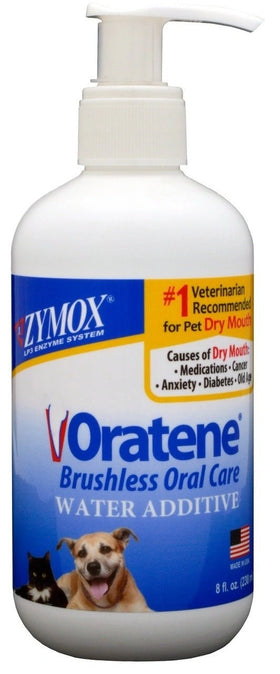
What Belongs in the Rest and Feeding Setup?
A bed is the place the dog is allowed to settle, not a style choice you make from a photo. Pick a washable cover large enough for the dog to lie flat, and put that bed in a quiet corner away from the main walkway. A crate helps with house-training, and it also helps when the dog already treats a crate as a safe room. It should allow the dog to stand, turn, and lie down, without enough spare room for a puppy to soil one end and sleep in the other. If you do not need a crate for training or travel, a bed is enough.
Food and water bowls are simpler than the aisle suggests, so resist the matching sets until the basics are in use. You need one bowl for food and one for water, both easy to wash and heavy enough that the dog does not skate them across the floor. Stainless steel is the easy default because it does not hold odor the way scratched plastic can. The dog bowl guide covers materials and cleaning, so this page will not repeat that comparison. Set the water where the dog can reach it without standing in the food.
Keep the food the veterinarian or shelter already fed for the first week. A new house plus a new diet makes it hard to tell what upset the stomach. The ASPCA notes that puppies need more meals than adult dogs, and that some large dogs, or dogs prone to bloat, do better on two smaller meals. Portions belong with your veterinarian, and treats should stay a small share of the day.
Keep waste bags beside the leash you grab on the way out. If you will use puppy pads, the puppy pads guide covers the method. Buy pads only if you also plan to phase them out.
Which Extras Can Wait?
Most of a typical cart is optional until the basics fit the dog you actually have. Use the table below as a stop sign, and if a row says to wait, do not buy that item just because a bundle included it.
| Supply | Buy now | Wait until |
|---|---|---|
| ID collar and leash | Yes, before the first outing. | Do not postpone. Replace it when it is worn. |
| Bed or crate | Yes, on day one. | Wait on a second bed unless the dog splits time between two rooms. |
| Food and water bowls | Yes. | Wait on a raised stand until a vet or the dog's build gives a reason. |
| Waste bags | Yes. | Skip a decorative dispenser. A roll in a pocket works. |
| One chew and one soft toy | Yes, after the basics. | Skip a bin of toys. Rotate two or three instead. |
| Brush | Yes, if the coat sheds or mats. | Skip a full grooming kit. Start with one tool that matches the coat. |
| Coat or sweater | Only for a cold, wet, or clipped dog. | Wait until you have watched the dog shiver or soak through. |
| Supplement | No. Not as a default. | Wait until a veterinarian names a goal, such as joints or digestion. |
| Shampoo and cologne | No. | Wait until the dog is actually dirty. Most dogs need few baths. |
Toys earn a place once they give the dog something legal to chew instead of the furniture. Keep one sturdy chew and one softer toy, then throw either toy out as soon as it cracks or sheds a piece small enough to swallow. A flying disc such as the in-stock Lovewally Floppy Disc Flyer suits a dog that already fetches in an open area. It is a poor first toy for a puppy that still eats everything. Browse dog toys after the collar and bed are settled, not before.
Coats are weather gear, not outfits. The in-stock Doggie Design Alpine All Weather Dog Parka is waterproof and fleece lined for cold rain. Measure the back and chest on that page. A coat that binds the shoulders will make the dog hate the walk, and many short-coated dogs in a warm house need nothing. The dog apparel and accessories collection is the right shelf once you know the season and the build.
Shop only the row you have already earned. A supplement, a second coat, and a pile of toys can wait until the first week shows a real gap.
How Do You Pick Grooming and Health Items Without Overbuying?
Grooming starts with one brush that matches the coat, not with a tub of products you have not needed yet. The ASPCA recommends frequent brushing, a daily flea and tick check during warm weather, and baths only a few times a year for most dogs. Soap left in the coat holds dirt, so shampoo waits until you can rinse it fully. The dog grooming supplies guide covers tools. Buy the first matching brush, then stop.
Paw protection is a legitimate supply for ice, road salt, and hot pavement, yet it stays optional until those walks are actually on the calendar. Musher's Secret paw wax is stocked in the pet grooming and paw care collection as a balm for snow, ice, and salt. Read that product page for the jar size. Do not buy it in mild weather "just in case" when the pads already look sound.
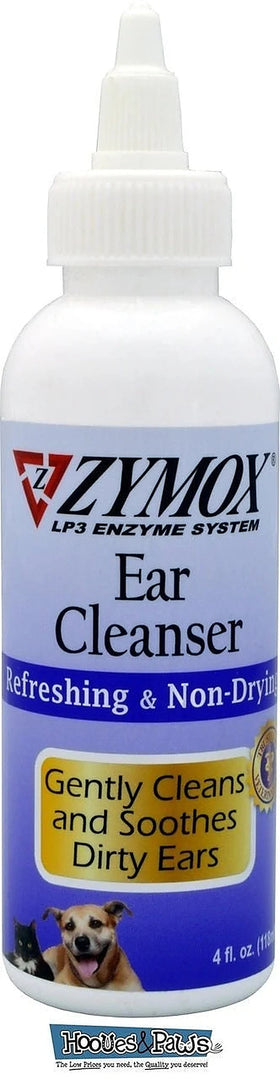
Health products are the easiest category in which to waste money, because the labels all sound urgent. Ear cleaners, skin sprays, and dental additives solve specific problems, so they are not a welcome kit for a healthy dog. If the dog scratches, smells, or has dirty ears, call your veterinarian before you build a cabinet from a product grid. Stock is not a reason to treat a healthy ear. A separate pet first aid kit guide lists what to keep at home and in the car.
Supplements belong later, after the daily supplies are already working. A joint, digestive, or calming product should match a goal your veterinarian has already named for this dog. The pet supplements collection is the shelf for that conversation, not a substitute for it. Skip anything marketed as a cure. If a label's dose is unclear, do not guess from a blog post.
How Do You Shop Dog Supplies Without Wasting a Week?
Measure the dog before you open a size chart, or the chart will not tell you anything useful. You need the neck where the collar sits, the chest at the deepest part of the ribcage. And the back from the collar to the base of the tail. A page that says "multiple sizes" is useful only beside those three numbers. If the dog is still growing, buy the size that fits now and remeasure later. A size to "grow into" is a size the dog can back out of.
Read the ship line on the product page. Hooves and Paws offers free ground shipping in the continental U.S. with no minimum. Apple Valley warehouse items ordered before 1 PM Pacific ship the same business day. Later orders, weekend orders, and partner-warehouse items take longer, and standard transit adds about 3 to 5 business days. If the dog arrives Friday, order early enough that the page's own timing beats the pickup.
Before you pay, confirm the cart is one collar, one leash, one bed, two bowls, waste bags, and maybe one toy. Skip a collar that can snag in a crate, a toy that sheds pieces, and any human or horse medicine a veterinarian did not name for this dog. Hooves and Paws is family owned, so the win is a fit that holds, plus a 365-day satisfaction guarantee if it does not. Size questions can go to the contact page or to (760) 247-5523.
Call (760) 247-5523 or shop dog supplies today.
Frequently Asked Questions
What are the basic dog supplies for a new dog?
Start with a collar, a readable ID tag, a leash, a bed or crate, a food dish, a water bowl, and waste bags. Add one safe toy and a brush if the coat needs it. Coats, supplements, and extra toys can wait until you know the dog.
Do I need a harness or a collar first?
Use a flat collar for ID tags on day one. Add a harness if the dog pulls, has a sensitive neck, or needs a lifting handle. A slip collar is for a dog that already walks calmly, not for the first excited outing.
Should dog supplies include supplements right away?
No. Food, water, and a vet visit come first. Add a joint, digestive, or calming supplement only after a veterinarian names the goal. A product being in stock is not a reason to start it.
When should I buy a dog coat?
Buy a coat when the dog is cold, wet, or clipped, not because the calendar says winter. Measure the back and chest, and choose a coat that does not bind the shoulders. Many dogs with a normal coat and a warm house do not need one.
How fast can starter gear arrive?
Free ground shipping in the continental U.S. has no minimum. Warehouse items ordered before 1 PM Pacific on a business day ship that day. Partner items take longer, so read the timing on each product page before you count on a weekend arrival.


