


Choosing a bit is not about finding the strongest option or copying the setup used by another horse. The right choice supports clear communication while respecting your horse's mouth, experience, discipline, and way of going. A thoughtful fit can improve comfort, steadiness, and confidence for both horse and rider.
The right horse bit balances its action, width, mouthpiece, and material with your horse's anatomy and training needs. Start with a correctly fitted design that matches your riding goals, then assess comfort and response instead of relying on labels such as gentle or strong. A snaffle has no leverage, so the pressure applied by the rider is the pressure the horse feels, according to Utah State University Extension: read the bitting guidance.
Before comparing mouthpieces and cheekpieces, it helps to understand where pressure acts and how different designs communicate rein aids. That foundation makes every later decision, from sizing to material, more practical and more humane.
Shop Horse Bits Today and explore a trusted, carefully curated selection for your next ride.
What Does a Horse Bit Do and How Does It Work?
A horse bit is a communication tool. It helps the rider give directional and stopping cues through the reins, while the bridle and the horse's response turn those cues into movement. The bit itself does not replace balanced hands, correct training, or a well-fitted bridle. Its effect depends on the mouthpiece, rings or shanks, rein position, curb strap, and the amount and timing of rein pressure.
During use, a bit can affect five pressure points: the bars, tongue, palate, curb strap area, and poll. The bars are the gum-covered space between the incisors and molars. Because this tissue covers a thin ridge of bone, excessive pulling or jerking can injure it, according to Utah State University Extension. A thoughtful bit choice distributes communication appropriately rather than concentrating force in one sensitive area.
A bit works best as part of a coordinated system. Mouthpiece design, rein mechanics, fit, and considerate hands determine how much pressure reaches the mouth, poll, and curb area.
Direct action: how a snaffle works
A direct-action snaffle has no leverage. The rein attaches directly to the bit ring, so the pressure applied by the rider is transferred without the mechanical multiplication created by a shank. Utah State University Extension gives a straightforward example: when a rider applies five pounds of pressure with a snaffle, the horse feels five pounds of pressure. That does not make a snaffle automatically gentle, however. A direct bit can still be uncomfortable when it is poorly fitted or used with abrupt hands.
Jointed, mullen, eggbutt, D-ring, and loose-ring designs may all be used in direct-action configurations. Their different shapes change how the bit sits and how it contacts the tongue, bars, and lips. The horse's way of going, level of training, discipline, and mouth conformation should guide the decision rather than the label alone.
Leverage action: how a curb bit works
A leverage bit uses shanks, a curb strap or chain, and the bridle's poll piece to create a different rein action. As the rider takes contact, the shank can rotate and add pressure to the bars, tongue, curb strap area, and poll. It can also encourage flexion and provide more stopping influence with less rein movement, but the leverage increases the importance of precise fit and educated hands. A longer shank generally creates more leverage than a shorter one, though the mouthpiece, rein position, cheek design, and curb adjustment all matter.
Whether you choose direct or leverage action, watch the horse's comfort and response. Resistance, head tossing, gaping, or evasion may signal a training issue, pain, poor fit, or an unsuitable design. Recheck the entire setup with a qualified trainer and equine dental professional before simply moving to a stronger bit.
How Should a Horse Bit Fit? Width, Placement, and Comfort
A well-fitted bit should rest quietly in the horse's mouth, leave room for natural movement, and allow the rider to communicate without unnecessary pressure. Use these checks whenever you fit a new bit, adjust a bridle, or notice a change in your horse's way of going.
-
Check the horse's mouth before choosing a size
Start with a professional dental evaluation, especially before introducing a bit to a young horse or changing equipment after a long break. The University of Utah Extension recommends evaluating the teeth before bitting and addressing points, hooks, and wolf teeth. Wolf teeth are often small and shallow-rooted, and pressure from a bit can create significant gum discomfort. A dental issue can look like a tack problem, so do not try to solve persistent resistance by tightening the bridle.
-
Choose enough width without leaving excess mouthpiece
The mouthpiece should be wider than the horse's bars, with roughly 1/4 to 1/2 inch extending past each side of the mouth. This gives the bit room to sit without pinching the lips or pressing the cheek. Too little width can trap the corners of the mouth against the rings. Too much width can allow the bit to slide from side to side, reducing clear communication and creating uneven contact. Measure the horse's current bit and compare it with the manufacturer's sizing guidance rather than assuming every mouthpiece uses the same dimensions.
-
Set the bit at a comfortable height
Adjust the cheekpieces so the bit hangs in the mouth without bumping the incisors or canine teeth. The correct position varies with the horse's mouth, so avoid relying on a fixed number of wrinkles as the only test. The bit should not hang so low that it rests on the tongue or lower teeth. And it should not be pulled high enough to create constant tension at the corners of the lips. After adjustment, allow the horse time to settle, then recheck the position with the bridle sitting naturally.
-
Look for pinching and uneven pressure
Run a finger along each corner of the lips and inspect the skin around the bit rings. There should be no folded skin trapped under the mouthpiece and no rubbing, hair loss, swelling, or raw areas. The bars are the narrow spaces between the incisors and molars, covered by thin gum tissue. They can be injured by excessive pulling or jerking, so a comfortable fit must be paired with considerate rein handling. Check both sides because an uneven cheekpiece or twisted bridle can make one side tighter than the other.
-
Adjust the curb strap and noseband separately
If the bridle uses a curb strap or chain, adjust it according to the bit's design and discipline, not as a substitute for correct mouthpiece placement. It should lie flat and engage only when intended. A noseband should not be tightened to hold a bit in place or prevent the horse from expressing discomfort. You should be able to check the fit and observe the horse's breathing, chewing, and swallowing without forcing the mouth closed.
-
Recheck the horse's response after riding
A bit may look correct while standing and still cause trouble in motion. Watch for repeated head tossing, gaping, rubbing the face, avoiding bridling, excessive chomping, reluctance to turn, or resistance that appears only when rein contact begins. These signs can have several causes, including training, dental, or saddle-fit concerns. Remove the bridle and inspect the mouth after work. If discomfort continues, pause experimentation and consult an equine veterinarian, dental professional, or qualified trainer.
Looking for the right size and style? Browse our horse bit selection to compare thoughtfully curated options for your horse and riding needs.
Revisit these checks whenever your horse's mouth, teeth, training, or bridle changes. Small adjustments can make a meaningful difference in comfort and consistency.
Shop This Post

Featured in this article
AV Bob Avila Double Ring Snaffle Horse Bit - Sweet Iron Mouthpiece, 3" Rings - Multiple Sizes
$165.00
Shop Now →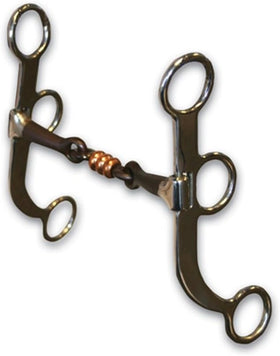

Horse Bit Types for Every Discipline: Snaffle, Curb, and Specialty
Bit categories are best understood by the way they communicate rein pressure, not by their appearance alone. A snaffle generally acts directly through the mouthpiece, while a curb bit adds leverage through its shanks, curb chain or strap, and cheekpieces. Specialty designs modify that action for a particular training need, discipline, or horse. The right choice depends on your horse's mouth, education, way of going, and the hands using the reins.
Snaffle Bits: Direct Action and Versatile Control
A snaffle bit has no leverage. If the rider applies five pounds of rein pressure, the horse feels five pounds of pressure through the bit, according to Utah State University Extension's overview of snaffle mechanics. That direct action makes snaffles a common starting point for young or developing horses, but they are not limited to beginners.
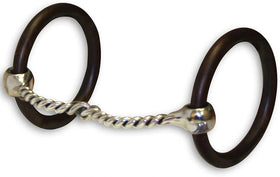
Plain-mouth snaffles offer a straightforward feel. Jointed mouthpieces add movement and can encourage a responsive contact, while the cheekpiece changes how the bit sits and behaves. D-ring snaffles provide a stable outline and help limit side-to-side movement. Eggbutt snaffles have rounded cheek connections that can reduce the chance of pinching. Full-cheek snaffles add longer arms outside the mouth, helping with lateral guidance and keeping the bit from sliding through the mouth when properly fitted.
Curb Bits: Shanks and Leverage
Curb bits use shanks to create leverage. Rein pressure can act on several points at once, including the mouth, poll, and curb area, depending on the shank length, rein position, curb strap adjustment, and mouthpiece. This can offer refined control and a lighter-feeling signal in experienced hands, but leverage also increases the consequences of poor fit or abrupt rein use.
Because curb designs vary widely, do not select one by shank length alone. Consider the horse's training, the discipline's conventions, the rider's feel, and the bit's mouthpiece. For a closer look at cheekpiece styles, leverage, and practical applications, read our shank bit guide.
Specialty and Gag Bits
Specialty bits include designs with ports, rollers, multiple rein positions, unusual mouthpieces, or sliding cheekpieces. Gag bits can create additional poll and mouth action as the rein is engaged, so they require a clear purpose, careful fitting, and an educated rider. They should not be treated as a shortcut for a horse that is strong, evasive, or undertrained. If stronger contact is the issue, compare the training context and seek qualified help before escalating bit action. Our guide to the best bits for a strong horse covers that decision in more depth.
| Category. | Action. | Best for. | Mouthpiece style. | Discretion level. |
|---|---|---|---|---|
| Snaffle. | Direct action with no leverage. | Training, everyday riding, and direct communication. | Plain or jointed, with D-ring, eggbutt, or full-cheek options. | Low to moderate. |
| Curb. | Leverage through shanks and curb action. | Finished horses and disciplines that require refined control. | Jointed, solid, ported, or other discipline-specific designs. | Moderate to high. |
| Specialty. | Modified or additional mouth, poll, or cheek action. | Specific training or performance situations with experienced guidance. | Gag, ported, roller, multi-rein, or other specialized designs. | Moderate to high. |
Think of this chart as a starting map, not a ranking of mild to severe. Mouthpiece shape, fit, material, rein placement, and rider technique can change how any horse bit feels. Choose the simplest design that supports the job, then confirm the fit and your horse's response during quiet, attentive work.
What Materials Make a Good Horse Bit? Mouthpiece Metals Explained
The material of a horse bit mouthpiece affects more than its appearance. It can influence taste, moisture, acceptance, and the way readily a horse settles around the contact. Material cannot replace correct fit or considerate hands, but choosing the right option can support a more comfortable, consistent connection.
Stainless Steel: Clean, Neutral, and Durable
Stainless steel is a practical starting point for many horses. It has a smooth, shiny finish, does not rust, and has little to no noticeable taste. That neutral quality can suit a horse that dislikes strong flavors or does not need extra encouragement to accept the mouthpiece. Stainless steel is also durable and straightforward to clean, making it a dependable choice for regular schooling and competition use.
Sweet Iron: A Mild Flavor That Can Encourage Acceptance
Sweet iron has a dark appearance and is designed to develop a light surface rust. As it oxidizes, it produces a sweet taste that may encourage a horse to take the bit and keep a more consistent contact. The rust is part of the material's intended function, not automatically a sign that the mouthpiece is damaged. Wipe the bit clean after use and inspect it regularly for rough, sharp, or uneven areas.
Copper and Flavored Combinations
Copper has a distinct flavor that can encourage a horse to salivate. Some mouthpieces use copper rollers, inserts, or other combinations to add flavor while retaining the structure of another metal. Flavored materials may also make a horse more interested in mouthing the bit. The goal is not simply a wet mouth, however. The mouthpiece still needs to be comfortable, stable, and appropriate for the horse's training and discipline.
Salivation can be a useful sign when it accompanies a relaxed jaw, steady breathing, and willing contact. A horse that softly chews and carries the bit may be showing improved acceptance. Excessive movement, gaping, head tossing, or evasive behavior suggests that the issue may be fit. Pressure, dental discomfort, training, or the mouthpiece design rather than a lack of flavor. For related guidance, compare these recommendations for the best gentle horse bits and the softest bit for a horse.
Whatever material you choose, inspect the mouthpiece with your fingers before every ride. Discontinue any bit with burrs, severe pitting, or a damaged joint. A sound metal paired with correct fit and quiet rein contact gives your horse the best opportunity to respond comfortably.
What Horse Bit Is Gentlest for a Sensitive Mouth?
There is no single horse bit that is gentlest for every sensitive-mouthed horse. A mild, well-fitted snaffle with a smooth mouthpiece may suit one horse, while another may be more comfortable in a different mouthpiece shape, bit thickness, or material. The goal is not to choose the softest-looking bit in isolation. It is to match the bit to the horse's anatomy, training, discipline, and the rider's hands.
Start with a careful health and fit assessment rather than changing bits repeatedly. A horse that tosses its head, opens its mouth, braces, ducks behind the contact, or resists being bridled may be communicating discomfort. These signs can also have causes unrelated to the bit, so treat them as a reason to investigate, not as proof that one particular mouthpiece is the answer.
Prepare the mouth before choosing a new bit
Dental preparation is an essential part of comfortable bitting. Utah State University Extension advises that a horse's teeth should be evaluated by a professional before bitting. Points and hooks should be filed, and wolf teeth should be removed when appropriate. A dental check can identify a problem that no mouthpiece can solve, including sharp edges, retained teeth, or other sources of pain.
Wolf teeth deserve particular attention in young or sensitive horses. They are typically small, shallow-rooted teeth in the upper jaw, just in front of the first molar. Pressure from a bit can pinch the surrounding gum and create significant discomfort. If a horse becomes suddenly resistant after previously accepting its bridle. Ask an equine veterinarian or qualified equine dental professional whether wolf teeth or another dental issue could be involved. These details are documented by Utah State University Extension's bitting guidance.
Choose gentle contact, then verify the horse's response
For many horses, a smooth snaffle is a sensible starting point because it does not add shank leverage. However, a snaffle is not automatically comfortable. The wrong width, a poorly adjusted bridle, a severe edge, or abrupt rein use can still cause pain. The bars of the mouth sit between the incisors and molars, where a thin ridge of bone is covered by gum tissue. Those gums can be injured by excessive pulling or jerking, so bit choice and riding technique must be considered together.
Review our guides to the best gentle horse bits and the softest bit for a horse for more detail on mild options, but do not use either list as a substitute for professional advice. A veterinarian or equine dentist is the right authority for suspected pain or dental problems. While an experienced trainer can help assess contact, balance, and whether the bit matches the horse's job. If discomfort continues after dental care and fit adjustments, pause experimentation and seek that team-based evaluation.
Shop Horse Bits Today and explore a trusted, carefully curated selection for your next ride.
Frequently Asked Questions
What does a bit do to a horse?
A bit helps the rider communicate rein cues through controlled pressure on areas such as the bars, tongue, and sometimes the poll or curb area. A snaffle has no leverage, so the pressure applied by the rider is transmitted directly rather than multiplied. The horse's response still depends on fit, hands, training, and the individual mouth.
Is a bit painful for a horse?
A correctly fitted bit used with educated hands should not be painful, but discomfort can result from poor fit, excessive pressure, dental problems, or an unsuitable mouthpiece. The bars have a thin covering of gum over bone and can be injured by excessive pulling or jerking, according to Utah State University Extension. Watch for head tossing, gaping, resistance, or unusual tension, then reassess the bit and seek professional guidance.
How do you know what size horse bit to buy?
Measure the horse's mouth with a bit sizer or an accurately fitted existing bit, then follow the manufacturer's sizing guidance. The mouthpiece should be wide enough to avoid pinching without extending so far that the rings rub the cheeks. After installation, adjust the headstall so the bit hangs comfortably without bumping the incisors or canines, as recommended by Utah State University Extension.
What is the gentlest horse bit?
There is no single gentlest bit for every horse. A simple, well-fitted bit with an appropriate mouthpiece and direct action is often a sensible starting point, but sensitivity, training, conformation, and the rider's hands all matter. A qualified trainer, veterinarian, or equine dentist can help identify a comfortable option, especially when the horse shows persistent resistance.
When should a horse have a dental check before using a bit?
Have the horse's teeth evaluated before introducing a bit and whenever discomfort appears. Utah State University Extension recommends addressing points and hooks and evaluating wolf teeth before bitting, because a bit pressing against shallow-rooted wolf teeth can cause significant gum discomfort. Dental care should be handled by an appropriately qualified professional.
Ready to Choose Your Next Horse Bit?
The right horse bit should support clear communication while respecting your horse's comfort and individual needs. Review the options with fit, mouthpiece, and discipline in mind, then shop the horse bit collection for your next ride. If you want help narrowing down the choices, contact us and our team can point you toward options that match your horse and riding goals.


