


A comfortable horse is a happy, responsive partner, and the bit you choose is central to that comfort. The search for the softest bit for a horse is on the rise, as more riders look for kinder, more effective ways to communicate. But what does "soft" really mean? It’s more than just a rubber mouthpiece. True softness comes from a combination of design, material, and a perfect fit for your horse's unique anatomy. This guide will help you understand what makes a bit gentle so you can make the best choice for your partner.
Ready to shop? see our softest, gentlest bits.
This article is your guide to finding the best, softest bit for a horse this year. You will learn what makes a bit truly soft, explore the top seven gentle bit choices, discover expert selection criteria, and pick up essential buying tips.
Ready to improve your horse’s comfort and performance? Let’s help you find the perfect soft bit today.
What Actually Makes a Horse Bit “Soft”?
Choosing the softest bit for a horse is essential for both comfort and effective communication. But what does “softness” really mean in the world of horse bits? Understanding this concept requires a look at materials, design, and the horse’s physical and behavioral responses. Let’s break down the key factors that make a bit truly gentle and why it matters for your horse’s wellbeing.
What Does "Softness" in a Bit Really Mean?
In equestrian terms, the softest bit for a horse is one that distributes pressure evenly, flexes gently within the mouth, and is constructed from materials that minimize discomfort. Softness combines physical flexibility with a smooth surface that reduces the risk of mouth trauma. Veterinary and equine behaviorist research shows that bits with these characteristics are less likely to cause pain or behavioral issues. For a deeper overview of different bit types and what makes them gentle, you can explore the Guide to Horse Bits.
Soft bits promote relaxation and responsiveness, encouraging horses to accept the contact and move freely. By choosing the right combination of material and design, riders can ensure their horse remains comfortable, attentive, and willing in every ride.
The Rider's Hands: The Most Important Factor
When we talk about a bit's effectiveness, it's easy to focus solely on the equipment. However, the most critical element isn't the bit itself, but the hands holding the reins. A common misconception is that a specific bit is inherently "gentle" or "harsh." The truth is, a bit is a tool for communication, and its effect is almost entirely dependent on the rider. A bit is never gentle or aggressive on its own; what makes it so is how a rider uses their hands to apply or release pressure.
Think of it this way: even the softest, most flexible rubber mullen mouth can feel severe in the hands of a rider who is unbalanced or has an unsteady contact. On the other hand, an experienced rider with quiet, independent hands can provide clear, gentle cues with a more complex bit. The rider's skill, feel, and timing are far more significant than the piece of metal in the horse's mouth. This is empowering because it means the most important factor for your horse's comfort is something you can continuously develop and refine through practice and instruction.
Ultimately, creating a harmonious partnership is about a thoughtful approach to both your equipment and your technique. Selecting the right horse tack is an essential first step in ensuring your horse is comfortable and ready to work with you. But pairing that carefully chosen equipment with educated, empathetic hands is what truly builds trust and allows for clear, kind communication. It’s this combination that leads to a happy, responsive horse and a more rewarding ride for both of you.
Understanding How Bits Work
To find the softest bit, you first need to know how a bit actually functions. It’s not just a piece of metal; it’s a communication tool. The way it’s designed, from its individual parts to the type of pressure it applies, directly impacts how your horse feels and responds. A bit that works with your horse’s mouth anatomy will always be softer than one that doesn’t, regardless of the material. Let’s look at the core components and mechanics that determine a bit’s action.
The Parts of a Bit: Mouthpiece and Cheeks
Every bit has two main parts: the mouthpiece and the cheeks. The mouthpiece is the part that sits inside your horse's mouth. It can be made from a variety of materials, with some being inherently gentler than others. For instance, rubber or plastic mouthpieces are often softer and a good choice for young or sensitive horses. Metals like stainless steel or sweet iron are more traditional but can also be designed for comfort. The shape and thickness of the mouthpiece also play a huge role in how pressure is distributed on the tongue and bars of the mouth. The cheeks are the rings or shanks on the outside of the bit where the reins and headstall attach, and their design is what determines the type of pressure applied.
Direct Pressure vs. Leverage
This is one of the most important concepts to grasp when choosing a bit. A snaffle bit operates on direct pressure. This means the amount of pressure you apply to the reins is the exact amount of pressure your horse feels in its mouth—it’s a 1:1 ratio. This straightforward communication makes snaffles a common choice for training and general riding. On the other hand, a curb bit uses leverage. The shanks on the cheeks multiply the rein pressure, meaning a light pull from you can create a much stronger signal in the horse’s mouth. While effective in the right hands, leverage bits are inherently stronger and not typically what you’d look for when seeking the absolute softest option for your horse’s comfort. Understanding this distinction is key to exploring our full collection of horse tack and finding the right tool for clear, gentle communication.
Key Materials and Designs to Look For
When selecting the softest bit for a horse, material choice is crucial. Common soft bit materials include:
- Rubber: Offers flexibility and a cushion-like feel.
- Plastic: Lightweight and often flavored for acceptance.
- Leather: Molds to the horse’s mouth over time.
- Flexible metals: Such as copper alloys, which warm quickly and offer mild action.
Key design features to consider are mouthpiece thickness, with thicker bits spreading pressure more gently, and joint types, such as double-jointed or mullen mouthpieces, which further reduce harshness. Advances in 2026 include hypoallergenic materials and ergonomic shapes that better fit the horse’s unique anatomy. Comparing these elements helps riders find the ideal balance of comfort and control.
| Material | Flexibility | Comfort Level | Durability |
|---|---|---|---|
| Rubber | High | Very Soft | Moderate |
| Plastic | Moderate | Soft | Moderate |
| Leather | Moderate | Soft | Lower |
| Flexible Metal | Variable | Mild-Soft | High |
Common Mouthpiece Designs
The mouthpiece is where the action happens, and its design is a major factor in a bit’s softness. A common misconception is that any thick bit is gentle, but the style of the joint matters just as much. Single-jointed bits create a "nutcracker" effect, putting pressure on the tongue and bars of the mouth. In contrast, double-jointed bits, like a French link or lozenge, conform better to the horse's mouth, distributing pressure more evenly and kindly. Another excellent option is the mullen mouthpiece, which is a single, unjointed bar with a slight curve. This design offers consistent, mild pressure across the tongue, making it a favorite for sensitive horses or those just starting their training.
Cheek Pieces and Their Functions
While the mouthpiece handles the in-mouth pressure, the cheek pieces determine how that pressure is applied and provide stability. For the gentlest action, you’ll want to look at direct-pressure bits. Cheek pieces like the loose ring allow for more play and movement, which can encourage a horse to relax its jaw. However, for some horses, this movement can be too distracting. D-ring and eggbutt cheeks are more stable, preventing pinching at the corners of the mouth and offering a clearer signal. The right cheek piece stabilizes the mouthpiece, ensuring your rein aids are communicated quietly and effectively without unnecessary movement or discomfort.
The Role of Bit "Stillness"
A "still" or "quiet" bit is one that remains stable in the horse's mouth without a lot of extraneous movement. This is crucial for sensitive horses who can become anxious or fussy with a bit that slides or clanks too much. While a loose ring encourages relaxation for some, a D-ring or eggbutt offers more stillness and might be a softer choice for a horse that prefers consistency. It's also important to consider your horse's unique mouth anatomy. A very thick bit, often thought to be softer, can be uncomfortable for a horse with a low palate or a large, fleshy tongue, leaving no room for the bit to rest comfortably.
Gentle Materials and What to Watch For
The material of a bit directly influences how it feels to your horse. Rubber and modern plastics offer a cushioned, flexible feel and are great for horses who dislike metal. Some are even flavored to encourage acceptance. Leather is another fantastic choice, as it warms and molds to the horse’s mouth over time for a truly custom fit. You'll also find flexible metal alloys containing copper, which warm quickly and encourage salivation, creating a more comfortable experience. When choosing any of these materials from our horse tack selection, regularly inspect them for wear. Chewing can create sharp edges on softer materials, turning a once-gentle bit into a source of irritation.
Why Your Horse Will Love a Softer Bit
The softest bit for a horse offers several distinct advantages:
- Reduced risk of mouth trauma or sores
- Improved acceptance and willingness to take contact
- Enhanced communication between horse and rider
Recent studies and rider testimonials highlight that horses respond more calmly and show fewer resistance behaviors when fitted with softer bits. For example, many young or sensitive horses exhibit improved focus and relaxation, making training sessions more productive and enjoyable. These benefits are especially valuable for horses transitioning from harsher equipment or recovering from oral discomfort.
Signs It's Time to Try a Softer Bit
Selecting the softest bit for a horse is especially beneficial in certain situations:
- Green or inexperienced horses starting their training
- Horses in retraining or rehabilitation programs
- Sensitive-mouthed breeds, such as Thoroughbreds and Arabians
Soft bits are preferred in disciplines like dressage and pleasure riding, where subtle communication is key. However, there are times when a soft bit may not be suitable, such as with strong pullers or in situations requiring greater control. Always assess your horse’s individual needs and consult with professionals to ensure the best choice for their comfort and safety.
Shop This Post

Featured in this article
AV Bob Avila Double Ring Snaffle Horse Bit - Sweet Iron Mouthpiece, 3" Rings - Multiple Sizes
$165.00
Shop Now →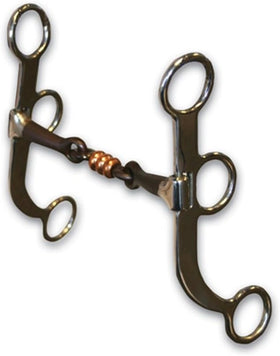

Our 7 Top Picks for the Softest Bit for a Horse
Choosing the softest bit for a horse is a decision that can transform your horse’s comfort and responsiveness. In 2026, innovation and equine welfare standards have brought a new generation of gentle, effective bits. Below, we review the top seven options, each designed to prioritize softness and horse well-being. Whether you’re training a young horse or seeking a kinder solution for a sensitive mouth, these selections represent the best the market has to offer.
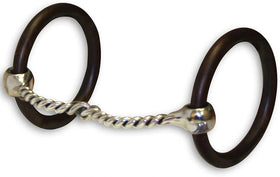
Shires Equikind+ Loose Ring Snaffle
The Shires Equikind+ Loose Ring Snaffle stands out as one of the softest bit for a horse in 2026. Priced between $24.99 and $34.99, it offers a flexible Equikind+ mouthpiece that is gentle on the horse’s mouth. The loose ring design allows for mild, forgiving action, making it ideal for daily training.

This bit’s lightweight construction reduces pressure and minimizes pinching, promoting comfort and increased salivation. Many riders find it perfect for sensitive horses that need a softer touch. The Equikind+ material is renowned for exceptional softness, ensuring your horse stays relaxed and responsive.
Pros:
- Affordable for most budgets
- Easy to clean and maintain
- Readily available from major retailers
Cons:
- May not offer enough control for strong or assertive horses
Riders who prioritize a gentle approach often choose this as the softest bit for a horse, especially during early training or for horses with delicate mouths.
Herm Sprenger Duo D-Ring Snaffle
The Herm Sprenger Duo D-Ring Snaffle brings German engineering to the forefront of the softest bit for a horse market. With a price ranging from $120 to $150, this bit features a soft thermoplastic mouthpiece surrounding a stainless steel core, ensuring both gentleness and durability.

The D-ring design provides stability, helping horses accept the bit more readily. Its hypoallergenic materials suit sensitive-mouthed horses, and its smoothness minimizes pressure points. Dressage riders and those working with horses that have bit aversion often select this bit for its proven reputation.
Pros:
- Long-lasting and robust
- Extremely gentle, even for sensitive horses
Cons:
- Higher price point than many competitors
- Less effective for riders with heavy hands
Praised throughout Europe, this is often recommended as the softest bit for a horse that resists or fears metal bits, making it a staple in advanced training and dressage circles.
Korsteel Flexi Soft Full Cheek Snaffle
For trainers and new horse owners, the Korsteel Flexi Soft Full Cheek Snaffle is a top contender for the softest bit for a horse. Priced at $45 to $60, it features a flexible synthetic mouthpiece and full cheek sides for enhanced lateral guidance.
This design encourages proper steering and chewing, making it especially popular for green or young horses. The soft action allows for a smooth transition from bitless to bitted riding. Its affordable price point and easy-to-clean construction make it a practical choice for everyday use.
Pros:
- Budget-friendly option
- Promotes positive mouthing habits
- Trusted by many trainers for starting horses
Cons:
- May not be suitable for horses that pull strongly
As one of the softest bit for a horse options, it is widely respected for its role in building trust and confidence in the early stages of training.
Happy Mouth Double Jointed Loose Ring
The Happy Mouth Double Jointed Loose Ring is easily recognized by its apple-flavored, soft plastic mouthpiece. With a price between $49.99 and $69.99, it is designed to be one of the softest bit for a horse, especially those that are fussy about traditional metal bits.

The double-jointed construction offers extra flexibility, allowing gentle communication and reducing resistance. Horses with picky appetites or those prone to chewing metal bits often accept this bit more readily due to the flavor and texture.
Pros:
- Encourages chewing and relaxation
- Easy to introduce to new horses
Cons:
- Prone to teeth marks and faster wear
- May need more frequent replacement than metal bits
When finding the softest bit for a horse with a sensitive palate, this option frequently tops the list among pleasure and trail riders.
Neue Schule Verbind Loose Ring
The Neue Schule Verbind Loose Ring is a premium choice for riders seeking the softest bit for a horse with anatomical sensitivities. Priced at $130 to $150, it features a patented Salox Gold metal alloy and an ergonomic, double-jointed design.

This bit delivers an ultra-smooth feel and precise communication, reducing tongue and bar pressure. Competitive riders appreciate its scientific backing and the improvement in horse contact it delivers. The Verbind is often recommended by professionals for horses that need a high level of comfort.
Pros:
- Exceptional quality and scientific design
- Improves communication and contact
Cons:
- Premium price tag
- May require professional fitting for best results
Backed by research, it’s widely regarded as the softest bit for a horse in disciplines where sensitivity and precision are critical.
Myler Comfort Snaffle Wide Barrel
The Myler Comfort Snaffle Wide Barrel is a versatile contender for the softest bit for a horse, especially those transitioning from harsher bits. Priced from $90 to $110, it features a copper inlay, a wide barrel for even pressure, and independent side movement for nuanced cues.
This bit is lauded for promoting relaxation and correct head carriage. Intermediate riders and horses with training challenges benefit from its gentle, forgiving design. The Myler’s patented technology is focused on maximizing comfort and communication.
Pros:
- Gentle, even for sensitive horses
- Encourages proper head and neck position
Cons:
- Not always legal in all show rings
- Costs more than basic snaffles
If you’re searching for the softest bit for a horse with complex training needs, this bit’s design can provide a smoother learning curve.
Toklat Rubber Mullen Mouth Bit
For horses with mouth injuries or extreme sensitivity, the Toklat Rubber Mullen Mouth Bit is often recommended as the softest bit for a horse. Priced between $30 and $45, it features a thick rubber mouthpiece and a mullen shape that provides steady, even contact.

Veterinarians and therapists frequently suggest this bit for rehabilitation cases. Its extremely soft construction makes it a favorite in therapeutic riding programs, though it may be too bulky for horses with smaller mouths.
Pros:
- Extremely gentle and mild
- Affordable and recommended by professionals
Cons:
- Bulky for some horses
- Not intended for horses that require strong control
This is the softest bit for a horse needing maximum comfort due to dental issues or recovery from oral injury.
Hooves and Paws: Softest Bit Selection
If you’re looking for a curated selection of the softest bit for a horse, Hooves and Paws offers a comprehensive range from leading brands such as Shires, Korsteel, and Happy Mouth. With competitive pricing, free U.S. shipping, and flexible payment options, this retailer is a trusted source for gentle bits.

Their 30 years of expertise ensure you receive reliable recommendations and satisfaction. For a hands-on shopping experience and expert guidance, explore their Gentle Bits and Curbs Collection to find the perfect soft bit for your horse.
Summary Table: Softest Bit for a Horse Choices
| Product Name | Material/Key Feature | Price Range | Best For | Unique Point |
|---|---|---|---|---|
| Shires Equikind+ | Equikind+ flexible plastic | $24.99–$34.99 | Sensitive horses | Exceptional softness, affordable |
| Herm Sprenger Duo | Thermoplastic, D-ring | $120–$150 | Bit-averse, dressage | Praised for gentleness in Europe |
| Korsteel Flexi Soft | Synthetic, full cheek | $45–$60 | Young/green horses | Trainer favorite for starting horses |
| Happy Mouth | Apple-flavored soft plastic | $49.99–$69.99 | Fussy, picky horses | Flavor improves bit acceptance |
| Neue Schule Verbind | Salox Gold alloy, ergonomic | $130–$150 | Anatomical sensitivities | Scientifically designed for comfort |
| Myler Comfort Snaffle | Copper inlay, wide barrel | $90–$110 | Training transitions | Patented design for relaxation |
| Toklat Rubber Mullen | Thick rubber, mullen mouth | $30–$45 | Rehabilitation cases | Used in therapeutic riding programs |
With this comprehensive overview, you can confidently select the softest bit for a horse that matches your equine partner’s needs and discipline.
How to Choose the Right Soft Bit for Your Horse
Finding the softest bit for a horse is about more than just picking a gentle material. It requires a careful look at your horse's unique needs, your riding discipline, and the fit and care of the bit itself. Making the right choice ensures your horse remains comfortable and responsive, while supporting long-term oral health.
Before You Change Bits: Rule Out Other Issues
Before you invest in a new bit, it’s crucial to play detective. Often, what looks like a bit problem—head tossing, chewing, or resistance—is actually a symptom of an underlying issue. Simply swapping out the bit without addressing the root cause is like putting a bandage on a problem that needs stitches. Taking the time to rule out other sources of discomfort not only saves you money and frustration but also ensures you’re truly listening to what your horse is trying to tell you. A happy horse starts with a healthy, comfortable body, and that goes far beyond just the equipment in their mouth.
Schedule a Dental Check-Up
The first and most important step is to have your horse’s teeth checked by a qualified equine dentist or veterinarian. This is the most common reason for bit-related discomfort. Over time, a horse's teeth can develop sharp points, hooks, or waves that can cause significant pain when a bit applies pressure in the mouth. An expert can identify and correct these issues, as well as check for things like a low palate or a large tongue that might affect how a bit fits. An annual dental exam is fundamental to your horse's overall health and can instantly resolve many behaviors you might have blamed on the bit.
Consider Non-Bit Related Discomfort
If your horse’s dental health gets a clean bill of health, it’s time to look at other potential causes. Pay close attention to your horse's behavior. Do they still toss their head or seem agitated even without a bit, perhaps on a lunge line with a halter? This could point to a behavioral issue or discomfort elsewhere, like in their back, poll, or from an ill-fitting saddle. Signs like chewing excessively, gaping the mouth, or sticking the tongue out can indicate sensitive bars—the gum area where the bit rests. By ruling out pain and physical limitations first, you can confidently determine if a change in horse tack is the right solution.
First, What Is Your Horse Telling You?
Choosing the softest bit for a horse starts with understanding your horse’s mouth sensitivity, dental health, and training level. Some horses have low tolerance for pressure, while others may have past injuries or dental issues that require extra care.
Look for these cues:
- Excessive head shaking or tossing
- Reluctance to accept the bit
- Visible mouth sores or injuries
Breed tendencies can also play a role; for example, Thoroughbreds and Arabians often prefer softer bits than draft breeds. Always consult with a veterinarian or professional trainer for a thorough assessment. By focusing on your horse’s comfort, you lay the foundation for a successful bit transition and improved communication.
A Framework for Assessing Your Horse's Needs
Choosing the right bit isn’t a one-size-fits-all deal. It starts with a close look at your horse's unique situation, including their mouth sensitivity, current dental health, and level of training. Some horses simply have a lower tolerance for pressure, while others might have old injuries that require a gentler approach. Research consistently shows that bits designed to distribute pressure evenly and flex softly are far less likely to cause pain or behavioral problems. Understanding this is the first step toward selecting the right piece of horse tack that truly supports your horse's comfort and well-being, strengthening your partnership in the process.
Decoding Signs of Mouth Sensitivity
Your horse communicates discomfort in subtle ways. Pay attention to these key signs that their current bit might be too harsh or ill-fitting. Look for excessive head shaking or tossing, which often signals irritation. If your horse suddenly becomes reluctant to accept the bit, it could be a clear sign of anticipated discomfort. It's also wise to perform regular visual checks for any sores or injuries inside the mouth. Keep in mind that certain breeds, like Thoroughbreds and Arabians, are often more sensitive than draft breeds. When in doubt, always consult with your veterinarian or a trusted trainer for a professional assessment to rule out other issues.
Does the Bit Match Your Discipline?
The softest bit for a horse must also suit your chosen riding discipline. Dressage typically favors double-jointed snaffles or bits with ergonomic designs, as these encourage subtle communication. Jumping and eventing riders may need a bit that balances softness with control, while trail and pleasure riders often opt for mild, flexible mouthpieces.
Consider discipline rules:
- Dressage: Often restricts bit material and design
- Western: Allows a broader range of soft bits
- Jumping: May require more control, but soft options are available
If you are unsure which bit best matches your discipline, review rulebooks or seek expert advice. Tailoring your selection to your riding style ensures both compliance and comfort.
Getting the Fit Right for Maximum Comfort
Proper fit is crucial when selecting the softest bit for a horse. A bit that is too long can pinch the lips, while one that is too short causes constant pressure. Measure your horse’s mouth with a bit gauge, then choose a bit that matches both length and thickness.
Key fitting steps:
- Measure mouth width at the corners
- Select appropriate thickness based on mouth conformation
- Choose cheekpiece style for stability
A poor fit leads to discomfort, resistance, and behavioral problems. Recent studies, like those discussed in Factors Influencing Intra-Oral Bit Movement, highlight the importance of correct sizing to minimize pressure and maximize comfort.
How Mouth Shape and Size Affect Your Choice
A horse's unique mouth conformation is the single most important factor in finding a comfortable bit. What feels soft to one horse might be uncomfortable for another with a different mouth shape. For instance, many riders assume a thicker bit is always gentler, but for a horse with a fleshy tongue or a low palate, that thickness can create too much pressure and be quite uncomfortable. In these cases, a thinner mouthpiece might actually provide more relief and space. It's essential to consider your horse's individual anatomy—like the size of their tongue and the height of their palate—before deciding on a bit. When you explore different types of horse tack, think about which parts of your horse's mouth are most sensitive and whether they prefer a stable or a more flexible feel.
Try Before You Buy
Finding the perfect bit often involves some trial and error, as every horse’s mouth and preferences are different. Before you commit to a purchase, see if you can borrow a similar bit from a friend or your trainer. This allows you to observe how your horse responds to the material and design without the financial commitment. If borrowing isn't an option, shopping with a retailer that stands behind their products is the next best thing. At Hooves and Paws, we want you and your horse to be completely happy, which is why we offer a 365-day satisfaction guarantee. This gives you the confidence to try a new bit and ensure it’s the right choice for your partner.
Considering a Bitless Alternative
Sometimes, the softest option is no bit at all. If your horse has a mouth injury, dental problems, or consistently shows resistance to bits, a bitless bridle might be the kindest solution. Alternatives like hackamores apply pressure on the nose, chin, and poll, while sidepulls offer gentle guidance by applying pressure to the nose. These options can be wonderful for horses that need a break from traditional bits or for riders who prefer a different communication style. Exploring different types of horse tack can open up new ways to connect with your horse, ensuring their comfort always comes first.
How to Care for Your Soft Bit
To keep the softest bit for a horse in top condition, develop a regular cleaning and inspection routine. Soft materials like rubber or plastic can crack, wear, or harbor bacteria if not cared for properly.
Maintenance checklist:
- Rinse after every ride to remove saliva and debris
- Inspect for cracks, sharp edges, or discoloration weekly
- Replace immediately if damage is found
Proper maintenance ensures your bit remains safe and effective, prolonging its lifespan. Clean bits also reduce the risk of oral infections, supporting your horse’s overall well-being.
Common Bitting Mistakes to Avoid
When searching for the softest bit for a horse, avoid these common pitfalls:
- Over-tightening nosebands, which can negate the benefits of a soft bit
- Ignoring signs of discomfort, such as refusal to accept contact
- Choosing novelty designs over proven comfort features
Stay focused on your horse’s feedback and prioritize their comfort above trends. For a more comprehensive guide, see Choosing the Right Bit for Your Horse.
By following these guidelines, you can confidently select the softest bit for a horse that ensures both comfort and clear communication.
How to Smoothly Transition to a Softer Bit
Transitioning to the softest bit for a horse is an important step for improving comfort and communication. To ensure a smooth change, follow a structured approach that prioritizes your horse’s well-being and adapts to their individual needs.
Take It Slow: A Step-by-Step Introduction
Introducing the softest bit for a horse should always begin with short, positive sessions. Start by allowing your horse to sniff and explore the new bit before gently placing it in their mouth. Keep initial rides brief so your horse can adjust without feeling overwhelmed.
Use positive reinforcement, such as gentle praise or treats, to build trust. Many trainers recommend gradually increasing the duration and complexity of work as the horse becomes more comfortable. Patience is crucial during this phase, especially if your horse is young or sensitive.
A successful transition story often involves a trainer who introduces the softest bit for a horse over several days, observing small signs of acceptance and rewarding calm behavior. This approach sets the stage for a stress-free adjustment.
How to Read Your Horse's Reaction
Carefully observe your horse’s reactions when using the softest bit for a horse. Positive signs include relaxed jaws, gentle chewing, and increased salivation. These indicators suggest your horse is accepting the new bit and feeling at ease.
On the other hand, watch for warning signals such as head tossing, evasion, or resistance. These behaviors may indicate discomfort or confusion. Adjust your approach if you notice any negative responses, or consider another soft bit style.
Research on bit use and equine welfare emphasizes the importance of monitoring behavioral cues during transition. By staying attentive and responsive, you can ensure your horse’s comfort and safety as they adapt to the softest bit for a horse.
When to Ask a Professional for Help
Collaborating with a professional trainer or equine dentist can make introducing the softest bit for a horse more effective. Experts can assess your horse’s mouth conformation, dental health, and behavioral tendencies to recommend the right bit.
Personalized guidance helps you avoid common mistakes and ensures the bit fits comfortably. For example, a professional assessment may reveal subtle sensitivities that influence bit choice or adjustment techniques. This tailored approach often leads to a smoother transition and better long-term results.
For more expert guidance, consider reviewing expert advice on choosing horse bits to support your decision-making process when selecting the softest bit for a horse.
Helpful Accessories for a Smoother Transition
Sometimes, a little extra support can make all the difference during a transition. A couple of simple accessories can help your horse feel more comfortable and accepting of their new, softer bit, turning a potentially tricky process into a positive one.
Bit Guards
Bit guards are small, flexible discs, usually made of rubber or gel, that slide onto the ends of your bit’s mouthpiece right before the rings. Their main job is to prevent the bit from pinching or rubbing the corners of your horse's mouth, ensuring a more comfortable fit. They are especially useful for sensitive horses or those that tend to chomp or play with their bit, as the guards create a soft buffer between the metal and their lips. Think of them as a simple, inexpensive way to add an extra layer of protection and comfort to your horse’s tack setup.
Bit Acceptance Butters
Using a bit acceptance butter can significantly improve your horse's willingness to take the bit. These are natural, pleasantly flavored balms that you can apply directly to the bit before riding. The appealing taste makes the bit more palatable, encouraging your horse to accept it without fuss. These butters also promote salivation, which helps the bit sit and move more comfortably in the mouth. This simple step can help create a more positive experience for your horse, especially if they are young, green, or have been hesitant about bits in the past.
Solving Common Transition Problems
Even with the softest bit for a horse, you may encounter some challenges. Horses might excessively chew the bit, show reluctance to move forward, or lack responsiveness. These issues can stem from improper fit, unsuitable bit style, or too rapid a transition.
To address these problems:
- Reassess bit fit and mouthpiece material.
- Slow down the introduction process if needed.
- Seek advice from a professional for persistent issues.
If your horse continues to struggle, do not hesitate to try a different type or model of the softest bit for a horse. Ongoing support and patience are key to achieving a comfortable and effective partnership.
Now that you have a clear understanding of what makes a bit truly soft and how the right choice can transform your horse’s comfort and performance, you’re ready to take the next step. At Hooves and Paws, you’ll find a thoughtfully curated selection of the gentlest bits from trusted brands, backed by decades of equestrian expertise. With free US shipping and flexible payment options, shopping is straightforward and stress free. If you want to see the difference a softer bit can make for your horse this year, explore your options and Buy Now.
Frequently Asked Questions
What's the very first thing I should do if I think my horse needs a softer bit? Before you start shopping for a new bit, your first call should be to an equine dentist or a vet who specializes in dentistry. So many issues that we blame on the bit—like head tossing, fussing, or leaning on the reins—are actually caused by sharp points or other painful problems in the horse's mouth. Ruling out dental issues ensures you're solving the right problem and not just putting a bandage on a deeper issue.
Is a thicker bit always a softer or gentler option? Not necessarily. While a thick mouthpiece can distribute pressure over a wider area, it can be uncomfortable for a horse with a low palate or a large, fleshy tongue. For these horses, a thick bit can create constant pressure and leave no room for their tongue to rest comfortably. The key is to match the bit's thickness and design to your horse's individual mouth anatomy, where sometimes a more refined, thinner mouthpiece is actually the kinder choice.
How can I tell if my horse is happier with the new, softer bit? You'll want to watch for subtle but clear signs of comfort. A happy horse will often have a relaxed jaw, a quiet mouth with soft chewing or salivation, and will willingly accept contact with the bit without resistance. They may also seem more focused and forward in their work. Conversely, if you see continued head tossing, mouth gaping, or an attempt to put their tongue over the bit, it's a sign that this particular bit might not be the right answer either.
Can a 'soft' bit still be harsh in the wrong hands? Absolutely. The most important factor in how any bit feels to a horse is the rider's hands. A bit is just a tool for communication, and even the gentlest rubber mullen mouth can feel severe if the rider has unsteady, unbalanced, or heavy hands. The goal is to pair a thoughtfully chosen bit with quiet, independent hands that can give clear, fair cues.
Are there situations where a soft bit might not be the right choice? While a soft bit is a wonderful goal for most horses, there are times when it might not provide the clarity needed for safe and effective communication. For example, a very strong horse or a horse in a high-energy situation might require a different type of bit to ensure the rider's aids are heard clearly. The objective is always to use the mildest bit that your horse understands and responds to, ensuring both of you remain confident and safe.
Key Takeaways
- Your Hands are the Softest Tool: A bit is only as gentle as the rider using it. The most important factor for your horse's comfort is developing quiet, independent hands, as even the mildest bit can feel harsh with unsteady contact.
- Rule Out Pain Before Changing Tack: Before buying a new bit, address potential underlying issues. A dental check-up is the most critical first step, as mouth pain from sharp points or hooks is often mistaken for a bitting problem.
- Prioritize Anatomy Over Material: The gentlest bit is one that fits your horse's unique mouth shape. A thick rubber bit can be uncomfortable in a small mouth with a low palate, while a well-designed metal bit that offers tongue relief might be the kinder choice.


