


Trying to find the right balance between control and your horse's comfort? The Tom Thumb bit often comes up, but it's one of the most misunderstood pieces of tack in the Western world. Many riders believe it's just a gentle snaffle with shanks. This is a dangerous myth. In reality, it’s a leverage bit with a completely different action. Using it incorrectly can lead to a confused, unhappy horse and unintentional harshness. Let's clear up the confusion so you can make the best choice for both you and your horse.
This guide delivers expert-backed advice, current best practices, and practical tips for using the tom thumb bit effectively and kindly. You will learn about its design, mechanics, pros and cons, fitting, training strategies, and modern alternatives.
Curious if this bit is right for you? Discover insights that help you make informed, horse-friendly choices. Read on to master the tom thumb bit and ride with confidence this year.
What Is a Tom Thumb Bit?
The tom thumb bit has been a staple in Western riding for decades, but its unique design continues to spark debate among riders. Understanding this bit’s construction, variety, and action is key to making responsible choices for your horse’s comfort and performance. Let’s break down the essentials of the tom thumb bit, from its anatomy to its mechanics in the saddle.
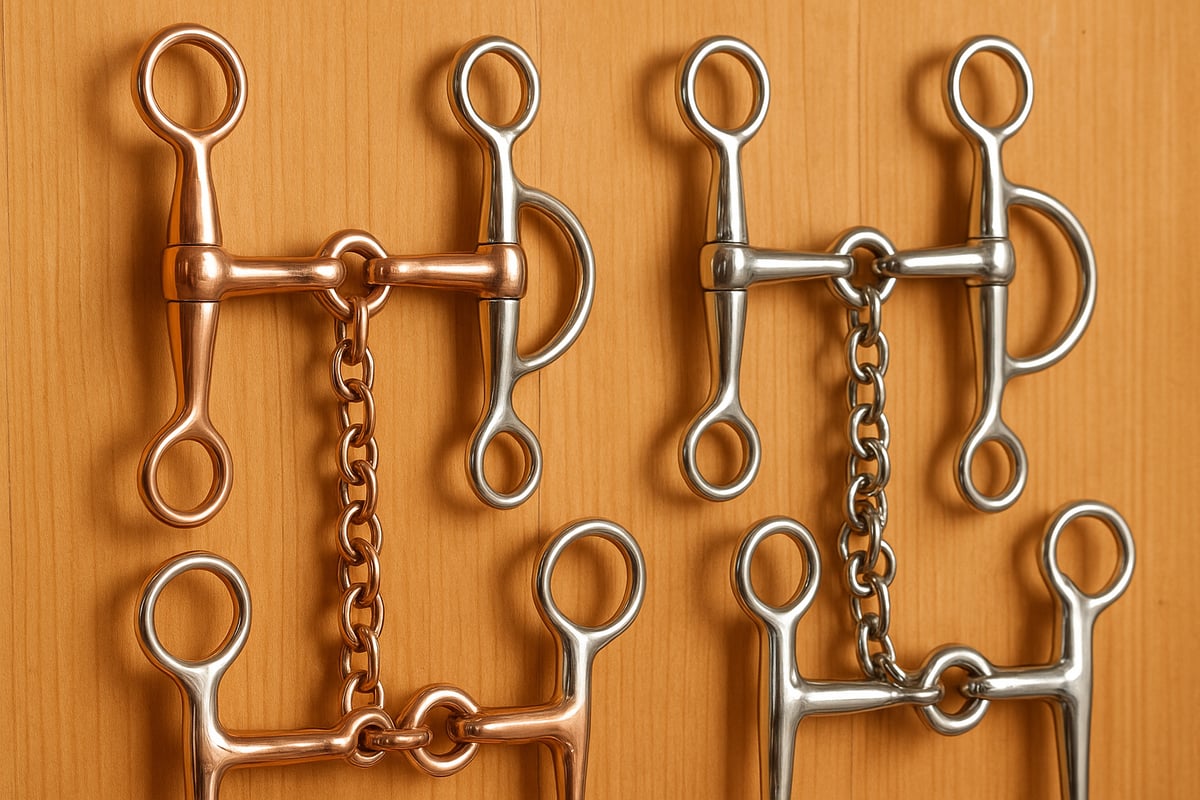
Breaking Down Its Design and Features
At its core, the tom thumb bit combines a jointed mouthpiece with shanks, offering both direct pressure and leverage. The mouthpiece is usually single-jointed, creating a “nutcracker” effect when the reins are engaged. This joint, paired with shanks that range from 5 to 7 inches, means the tom thumb bit multiplies the rider’s pressure, providing more stopping power than a simple snaffle.
Common materials for the tom thumb bit include:
- Stainless steel
- Copper plating
- Chrome-plated alloys
A curb chain or strap is essential to the bit’s function, stabilizing the mouthpiece and distributing pressure across the chin and poll. Unlike a traditional snaffle, which applies direct pressure only, the tom thumb bit acts as a leverage device. Compare this to a curb bit, which is often more severe due to longer shanks and a solid mouthpiece.
Here’s a quick comparison:
| Feature | Tom Thumb Bit | Snaffle Bit | Curb Bit |
|---|---|---|---|
| Mouthpiece | Jointed | Jointed | Solid/Ported |
| Shank Length | 5-7” | None | 7”+ |
| Action | Leverage | Direct | Leverage |
| Curb Chain | Yes | No | Yes |
Visual examples often include a 5-inch copper-plated mouthpiece or polished stainless steel models, each designed for specific horse needs.
Different Types of Tom Thumb Bits
In 2025, there is a wide selection of tom thumb bit options tailored for different disciplines and horse types. Western tom thumb bits are the most popular, with English versions offering subtle design differences such as lighter shanks or decorative cheekpieces.
Mouthpiece variations abound:
- Single-jointed (most common)
- Double-jointed for less severe action
- Copper inlays and rollers to promote salivation and acceptance
Shank styles include straight, curved, and even decorative finishes, reflecting trends in both function and appearance. Material innovations this year focus on improved comfort, with brands offering copper-infused alloys and ergonomic designs.
Sizing is crucial—bits come in widths to fit ponies and large breeds alike. Popular brands fall in the $29.99 to $50.39 range, balancing durability and affordability. When choosing a tom thumb bit for your horse, consider your riding discipline and your horse’s experience level. For further guidance on selection, review Choosing the right bit for your horse, which offers insights into matching bit style to your needs.
How Does a Tom Thumb Bit Actually Work?
The tom thumb bit operates through a blend of poll pressure, curb action, and mouthpiece mechanics. When a rider pulls the reins, the shanks create leverage, intensifying the force applied. In fact, studies show that pressure can be tripled at the mouth compared to the rider’s input.
The jointed mouthpiece creates a nutcracker effect, pressing on the bars, tongue, and sometimes the roof of the mouth. The curb chain or strap helps distribute chin and poll pressure, but improper adjustment can lead to discomfort, resistance, or even head tossing.
Potential issues include:
- Excessive roof-of-mouth contact
- Head tossing or evasion behaviors
- Increased risk of mouth injury if the curb is too tight
Correct curb chain adjustment is vital—too loose, and the bit rotates excessively; too tight, and it pinches. Many riders mistakenly believe the tom thumb bit is as mild as a snaffle, but its leverage can make it quite severe in inexperienced hands. Understanding these mechanics helps ensure horse welfare and effective communication.
The "Nutcracker" and Poking Action
The tom thumb bit’s jointed mouthpiece creates what’s known as a "nutcracker" effect. When a rider engages the reins, the mouthpiece folds and applies pressure to the horse's tongue and the bars of its mouth. As the shanks rotate, this joint can also poke the sensitive roof of the horse's mouth, causing significant discomfort. This action is often why a horse might toss its head or gape its mouth open—it's trying to find relief from the sharp pressure. Because of its leverage design, the force from the rider's hands is amplified, making the nutcracker and poking actions more intense than they would be with a simple snaffle bit.
Use in English Disciplines
While the tom thumb is most common in Western riding, you'll occasionally see it used in some English disciplines, particularly for jumping or cross-country. Riders might choose it for a horse that tends to get strong or lean on the bit, as the leverage provides more stopping power and helps lift the horse's front end. However, it's considered much more severe than a standard English snaffle and is not legal for dressage. If you're considering this bit, it's crucial to have very soft, independent hands, as its effects are easily magnified. Proper fitting and a deep understanding of various horse tack options are essential for ensuring clear communication without causing pain.
Should You Use a Tom Thumb Bit?
Choosing the right bit can dramatically impact your riding experience and your horse’s comfort. The tom thumb bit stands out as both a staple and a source of controversy among Western riders.

Potential Benefits for Horse and Rider
The tom thumb bit is favored by many Western riders for its reliable stopping power and versatility. Unlike longer-shanked curb bits, its shorter shank design offers moderate leverage, making it a popular choice for trail riding, pleasure classes, and some show arenas.
- Increased control: The leverage action provides extra stopping ability, especially useful for strong or insensitive horses.
- Versatility: Suitable for a range of disciplines, from everyday riding to certain Western competitions.
- Affordable and accessible: Widely available at tack shops, with prices typically ranging from $29.99 to $50.39.
- Encourages salivation: Copper mouthpieces can help horses accept the bit more readily.
- Transition aid: Many trainers use the tom thumb bit as a step up from a snaffle, helping horses adjust to leverage bits.
Its popularity is rooted in its balance of effectiveness and accessibility. Riders appreciate the combination of control and moderate severity, which can be ideal for experienced hands.
Why This Bit Is So Controversial
Despite its benefits, the tom thumb bit is frequently misunderstood and sometimes misapplied. One common misconception is that it is a mild snaffle, when in fact, it is a leverage bit that multiplies rein pressure, potentially causing discomfort if used incorrectly.
- Potential harshness: The jointed mouthpiece creates a nutcracker effect, which can pinch the horse’s tongue and bars.
- Behavioral issues: Improper use may lead to head tossing, resistance, or evasion as horses try to escape pressure.
- Not suitable for novices: Inexperienced riders may inadvertently apply excessive force, increasing the risk of mouth injury.
- Masks training issues: Reliance on the tom thumb bit can hide, rather than solve, underlying communication or training gaps.
For horses that show signs of resistance or discomfort, exploring alternative bit options or gentler designs may be necessary. For example, Gentle tongue relief for horses offers insights into bit resistance and more horse-friendly solutions, which is crucial if your horse reacts poorly to the tom thumb bit.
The Flawed Combination of Leverage and a Single Joint
The main issue with the Tom Thumb bit is its confusing design. While the jointed mouthpiece might look like a gentle snaffle, the shanks immediately classify it as a leverage bit. When a rider engages the reins, the single joint collapses, creating a "nutcracker" effect that squeezes the horse's tongue and the bars of its mouth. Simultaneously, the shanks rotate to apply pressure on the poll and chin. This combination sends mixed signals—the direct pressure of a snaffle and the leverage of a curb bit all at once. For a horse, this can be incredibly unclear and harsh, making it difficult to understand the rider's cues.
Risk of Physical and Emotional Harm
Because of its potentially painful action, the Tom Thumb bit can cause both physical and emotional problems. A horse might throw its head up or gape its mouth open, not out of defiance, but to find relief from the intense pressure on its tongue and the roof of its mouth. This is a natural reaction to discomfort. When used over time, especially by a rider with unsteady hands, this can create lasting problems like chronic head tossing, resistance to being bridled, and a general lack of trust. The bit can cause soreness in the mouth and poll, damaging the sensitive communication needed for a good partnership.
Expert and Community Consensus
The consensus among many experienced trainers and equine professionals is to approach the Tom Thumb bit with extreme caution. Most advise against its use, particularly for riders who are still developing soft, independent hands, because its design can easily cause more training problems than it solves. While some riders may use it without obvious issues, the risk of causing discomfort and miscommunication is significant. Our philosophy at Hooves and Paws is grounded in over 30 years of equine expertise, and we always encourage choosing equipment that fosters clear, gentle communication and puts the horse's well-being first.
When to Consider (and Avoid) This Bit
The tom thumb bit can be a valuable tool in the right circumstances. It is best suited for confident, experienced riders working with horses that need a moderate level of leverage and control.
- Appropriate scenarios: Transitioning a horse from a snaffle, or providing extra stopping power for strong horses in controlled settings.
- Signs of poor fit: If your horse tosses its head, gapes its mouth, or resists rein aids, reconsider use.
- Not for green horses or beginners: Sensitive or young horses, and novice riders, often benefit from milder options.
- Professional guidance: Consult a knowledgeable trainer or equine dentist if you encounter persistent issues.
Recognizing when the tom thumb bit is or is not appropriate helps ensure horse welfare and rider safety. Always prioritize your horse’s comfort and adjust your approach as needed.
Shop This Post

Featured in this article
AV Bob Avila Double Ring Snaffle Horse Bit - Sweet Iron Mouthpiece, 3" Rings - Multiple Sizes
$165.00
Shop Now →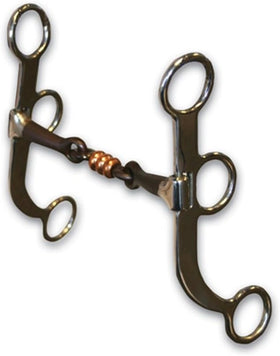

How to Fit a Tom Thumb Bit Correctly
Selecting, fitting, and adjusting a tom thumb bit correctly is crucial for your horse’s comfort and safety. Even small mistakes can lead to resistance, mouth injury, or poor performance. Follow these steps to ensure your tom thumb bit works as intended and supports positive communication between horse and rider.

Step 1: Find the Right Size and Style
Start by measuring your horse’s mouth with a flexible bit sizer or a piece of string. The tom thumb bit should be wide enough to avoid pinching but not so large that it slides side to side. A 5-inch copper plated mouth fits most average adult horses, but always confirm with a direct measurement.
Consider the shank length and mouthpiece material for your horse’s needs. Stainless steel resists rust, while copper encourages salivation. Choose a shank that matches your discipline—shorter for trail or pleasure, longer for advanced control. Sizing is also important for young or smaller breeds.
Common sizing issues include:
| Issue | Symptom | Solution |
|---|---|---|
| Bit too narrow | Pinching, sores | Choose wider size |
| Bit too wide | Excess movement, gaping | Select smaller size |
| Wrong shank length | Poor control or harsh action | Match to experience/discipline |
To compare tom thumb bit styles and materials, browse the Bits and curbs collection for a broad overview.
Step 2: Secure the Bit to Your Bridle
Place the tom thumb bit so it sits comfortably at the corners of your horse’s mouth, forming one or two gentle wrinkles. Attach the cheekpieces evenly to avoid tilting or uneven pressure. Use a quality curb chain or strap, choosing between leather or synthetic based on durability and horse preference.
Ensure the reins are attached to the lower shank rings for correct leverage action. The bit should face the right direction—mouthpiece joint pointing down, not up. Adjust the bridle so the bit sits symmetrically.
A visual guide or taking a photo of the bit’s placement can help you confirm correct orientation. Symmetry is key for clear communication and even pressure.
Step 3: Get the Curb Strap Just Right
Adjust the curb chain so you can fit two fingers between the chain and the horse’s chin groove. This prevents excessive rotation of the tom thumb bit, which could cause the mouthpiece to dig into sensitive areas. If the curb is too loose, the bit may rotate too far; too tight and it increases pressure, causing discomfort.
Check the curb chain regularly for signs of wear or rust. Replace it if you notice broken links or fraying. Proper adjustment is essential because an incorrectly set curb increases the risk of injury, as noted in competitor research.
Remember, the curb chain should lie flat and not twist. Always inspect after each ride to maintain safety and comfort.
Step 4: Check for a Comfortable Fit
After fitting the tom thumb bit, observe your horse during ground work and under saddle. Signs of discomfort include head tossing, gaping, or reluctance to accept the bit. Adjust the fit incrementally if you see any issues.
Monitor your horse’s head carriage and responsiveness to rein aids. If you notice resistance, revisit the previous steps or consult a professional for help. Sometimes, a small curb chain adjustment can resolve behavioral problems, such as a horse that stops tossing its head after a minor tweak.
Always prioritize the horse’s comfort and make changes gradually to avoid overwhelming your horse.
Safety Checks for Your First Ride
Test a new tom thumb bit in a quiet, controlled environment. Use gentle and consistent rein aids, avoiding sudden or jerky movements. Supervise inexperienced riders closely to prevent accidental misuse.
Increase riding time with the new bit gradually so your horse can adjust. If you observe ongoing resistance, discomfort, or behavioral changes, discontinue use and try alternatives suited to your horse’s needs.
Safety checklist for first-time use:
- Test in a round pen or arena
- Start with short sessions
- Watch for discomfort
- Adjust as needed
- Seek professional advice if problems persist
Taking these precautions ensures the tom thumb bit is a positive tool for training and communication.
Training Effectively with a Tom Thumb Bit
Establishing a positive training experience with the tom thumb bit requires skill, patience, and a clear understanding of your horse’s needs. Effective communication is the cornerstone of safe and successful use. Let’s explore proven methods and common errors to help you get the most out of this tool.

Prerequisites for Using a Leverage Bit
Before transitioning to a leverage bit like the tom thumb, it’s essential to make sure your horse is truly ready. This isn’t just about their age or temperament; it’s about their physical conditioning and the training foundation you’ve already built. Moving to a leverage bit too soon can create confusion, discomfort, and training setbacks that are difficult to undo. Many riders reach for more bit when they feel they need more control, but true control comes from clear communication. Taking the time to check these boxes first sets you both up for success and ensures the bit remains a tool for refinement, not a crutch for control.
Assessing Your Horse's Physical Condition
Think about how a leverage bit works—it encourages your horse to carry themselves in a more collected frame and hold a specific head position. This requires significant muscle engagement, particularly in the neck and back. If your horse hasn't been in regular work, these muscles will be underdeveloped and weak. Asking them to hold a frame for an extended period would be like asking a person who never exercises to hold a plank for five minutes—it’s painful and unsustainable. Start by building your horse’s fitness slowly. Focus on exercises that strengthen their topline, and when you do ask for collection, do it for very short intervals before allowing them to stretch and rest. This gradual approach prevents soreness and resistance, making them more willing partners.
Foundational Training in a Snaffle
One of the most important principles in horsemanship is that a bit cannot fix a training problem. If your horse isn’t responsive in a mild snaffle, a leverage bit will likely make the issue worse by adding pressure and creating anxiety. The goal is to establish a solid foundation where your horse understands how to yield to pressure, lower their head, and relax while riding with two hands in a simple snaffle. This is where true communication is built. Using a harsher bit to force a head position or gain control often backfires, leading to a more anxious and resistant horse. Ensure your horse is soft, responsive, and confident in basic horse tack before you consider adding leverage into the equation.
Aim for Softness and Clear Cues
When using the tom thumb bit, start by teaching your horse to yield to light rein pressure. Aim for a soft mouth and a willingness to respond to gentle cues. Consistency is crucial. Reinforce cues for stopping, turning, and backing with calm, steady hands.
Avoid using only your hands for control. Instead, combine seat and leg aids to help your horse understand what you’re asking. This balance prevents over-dependence on the tom thumb bit and supports better communication.
Transitioning from a snaffle to a tom thumb bit can offer improved responsiveness, especially for advanced maneuvers. Introduce the bit slowly, allowing your horse time to adjust and accept the new feel in their mouth.
Common Training Mistakes to Avoid
Many riders mistakenly believe the tom thumb bit is a mild training tool. In reality, misuse can lead to discomfort and confusion for your horse. It’s important to recognize and avoid these common pitfalls:
- Using the tom thumb bit as a shortcut for deeper training issues
- Applying excessive rein pressure, which may cause mouth pain or behavioral problems
- Neglecting proper hand position and timely release
- Failing to observe your horse’s reactions and adjust accordingly
Data shows that horses subjected to harsh bits may become desensitized, forcing riders to escalate their cues. Always monitor your horse’s comfort and behavior when using the tom thumb bit and make changes before problems escalate.
Building on Your Training, Step by Step
The tom thumb bit should only be introduced after your horse has mastered foundational training. Begin in a controlled environment, starting with groundwork and lateral flexion exercises. Gradually expose your horse to the tom thumb bit, rewarding positive behavior with praise or brief breaks.
As trust builds, use the tom thumb bit for more advanced maneuvers. Reinforce cues gently and avoid relying solely on leverage for control. This approach ensures your horse remains responsive and comfortable, making the tom thumb bit a useful tool rather than a source of stress.
Industry trends suggest more riders are integrating modern Western gear and bit options into their training. To see what’s available, explore Western riding tack essentials for up-to-date equipment that complements your training program.
Is It Time for a Different Bit?
Pay close attention to your horse’s reactions when using a tom thumb bit. Signs of resistance, such as head tossing or refusing cues, may signal discomfort or confusion. If progress stalls, seek advice from a professional trainer or equine dentist.
Sometimes, a milder bit or a different training approach is needed for sensitive horses. Regular assessment and willingness to adapt will ensure your horse’s well-being and long-term performance. Remember, the right bit is only effective when paired with thoughtful, horse-friendly training methods.
What Are the Alternatives to a Tom Thumb Bit?
Exploring alternatives to the tom thumb bit can help riders find the right balance of control and comfort for their horses. As equipment evolves, understanding your options becomes essential for ethical and effective riding.
Exploring Snaffles and Direct Pressure Bits
Snaffle bits are often recommended as an alternative to the tom thumb bit, especially for green or sensitive horses. Unlike the tom thumb bit, snaffles use direct pressure without leverage, making them gentler when used correctly.
Popular types include double-jointed snaffles, French link, and oval mouthpieces. These designs reduce the nutcracker effect and distribute pressure more evenly across the horse’s mouth.
Choose a snaffle over a tom thumb bit if your horse is still learning, has a sensitive mouth, or if you want clearer, softer communication. Snaffles are also widely accepted in many disciplines, making them a versatile choice for riders at all experience levels.
Other Leverage Bits to Consider
If you need leverage but want different mechanics than the tom thumb bit, consider Pelham and Kimberwick bits. The Pelham bit combines curb and snaffle actions, allowing for nuanced control when used with double reins. Kimberwick bits offer mild curb action with a single rein, making them popular in English riding and for horses that need more stopping power.
Recent trends show increased use of hybrid bits, combining features for greater versatility and comfort. For insights into how bit technology is evolving and influencing modern options, see the Hammer and Bit Trends Analysis.
When selecting leverage bits, always consider your horse’s response and comfort, as well as your discipline’s requirements.
Mullen Mouth Bits
If the nutcracker action of a jointed mouthpiece is a concern, a Mullen mouth bit is an excellent alternative. This bit features a single, smooth bar that curves gently to follow the shape of the horse’s mouth. Unlike a Tom Thumb, which concentrates pressure on the bars and tongue due to its joint, the Mullen mouth distributes rein pressure evenly across the entire tongue and bars. This design is considered much less harsh because it eliminates the risk of pinching. It’s a fantastic choice for horses that are sensitive, have a low palate, or simply prefer steady, consistent contact without the movement of a jointed bit. Many riders find it helps build confidence in horses that have become fussy or resistant to more complex mouthpieces.
Ported Curb Bits
For riders who still need the leverage of a curb bit but want to offer their horse more comfort, a ported curb bit can be a great solution. A port is the U-shaped curve in the center of the mouthpiece designed to provide tongue relief. A bit with a mild, low port is significantly gentler than a Tom Thumb because it gives the horse’s tongue a place to rest, reducing direct pressure and preventing the bit from pressing down constantly. This small modification can make a world of difference for horses that are sensitive to tongue pressure. When selecting one, be sure to choose a low, wide port, as very high or narrow ports can act on the roof of the mouth and become quite severe. This option provides control while prioritizing your horse's comfort.
Features That Offer a Milder Action
Beyond specific bit types, certain design features inherently offer a milder action. When evaluating any piece of horse tack, remember that thicker, smoother mouthpieces are always gentler than thin, twisted, or bumpy ones because they distribute pressure over a wider surface area. A double-jointed mouthpiece with a central lozenge or link is also a great alternative, as it conforms better to the horse’s mouth and eliminates the harsh nutcracker effect of a single joint. These designs often improve communication, making it easier to give clear, subtle cues. By focusing on these characteristics, you can find a bit that works with your horse, not against them, ensuring a more comfortable and responsive ride.
Going Bitless: Bridles and Hackamores
Bitless bridles, such as side-pulls and hackamores, are gaining popularity as horse welfare becomes a higher priority. These options eliminate mouth pressure entirely, relying on nose and poll cues for control.
Modern bitless designs often feature padded nosebands, adjustable fit, and lightweight materials for added comfort. Riders turn to bitless options when horses show persistent resistance, mouth injuries, or behavioral issues with traditional bits like the tom thumb bit.
While bitless bridles can offer humane alternatives, they do require careful training and adjustment to ensure effective communication and safety.
How to Choose the Right Bit for Your Horse
Selecting the right bit in 2025 means assessing your horse’s temperament, mouth conformation, and level of training. Start by considering the tom thumb bit only if your horse and riding style truly require leverage.
Consult with trainers or equine professionals to evaluate fit and function. Try different options, including snaffles, leverage, or bitless, and observe your horse’s response. Adjust as needed to keep your horse comfortable and responsive.
Remember, ongoing evaluation and willingness to switch bits can lead to improved performance and a happier horse. Informed choices ensure both you and your horse benefit from modern advancements in tack.
General Principles of Bit Severity
One of the biggest myths in the Western riding world is that the Tom Thumb bit is mild simply because it has a jointed mouthpiece. In reality, it's a leverage bit, not a snaffle, and its design can be quite harsh. The severity comes from the combination of shanks and a single-jointed mouthpiece. When you pull the reins, the shanks create leverage that applies pressure to the poll and chin, while the single joint creates a "nutcracker" action on the horse's tongue and bars. Many experienced equestrians argue that this specific combination is flawed, as it sends conflicting and often painful signals to the horse. Understanding that leverage, not just the mouthpiece, defines a bit's action is the first step toward making a more informed choice for your horse's comfort.
Understanding Mouthpiece Materials and Thickness
The mouthpiece itself plays a huge role in how a bit communicates with your horse. A simple rule of thumb is that thicker bits are generally milder because they distribute pressure over a wider surface area on the tongue and bars. Thinner bits, in contrast, concentrate pressure on a smaller area, making them more severe. Common materials like stainless steel offer durability and are easy to clean, while options with copper inlays are popular for encouraging salivation and bit acceptance. When you're browsing different types of horse tack, pay close attention to both the diameter and the material of the mouthpiece to find a combination that suits your horse's sensitivity and your training goals.
Evaluating Curb Strap Options
With any leverage bit, the curb strap or chain is not just an accessory—it's a critical part of how the bit functions. Its job is to stabilize the bit and prevent it from rotating too far in the horse's mouth when you engage the reins. Proper adjustment is key. If the curb strap is too loose, the bit's shanks will rotate excessively before the curb engages, resulting in delayed and unclear cues. If it's too tight, it will apply constant, uncomfortable pressure to the horse's chin groove. The material also matters; a flat leather strap is much gentler than a thin chain. Always check that your curb strap is adjusted correctly to ensure the bit works as intended and remains a clear communication tool, not a source of pain.
Frequently Asked Questions About the Tom Thumb Bit
Curious about the tom thumb bit and how it fits into modern Western riding? Below, we address the most common questions riders have about this bit’s design, use, and best practices for 2025.
Is the tom thumb bit a snaffle or a curb?
Despite common misconceptions, the tom thumb bit is actually a curb bit due to its shanks and leverage action. Unlike a true snaffle, which uses direct pressure, the tom thumb bit applies leverage that can amplify rein signals. Its jointed mouthpiece may look like a snaffle, but its mechanics are those of a curb.
How much pressure does a tom thumb bit apply compared to other bits?
The tom thumb bit multiplies rein pressure, often delivering up to three times the force applied by the rider. This leverage action can make it more severe than a typical snaffle or even some longer-shanked curb bits. Proper adjustment and gentle hands are essential to avoid excessive pressure, especially for horses with sensitive mouths.
What are the main signs of discomfort when using this bit?
Signs that a horse is uncomfortable with a tom thumb bit include head tossing, gaping the mouth, resistance to rein aids, and reluctance to accept the bit. If you notice these behaviors, reassess the bit’s fit and your rein technique. Persistent issues may mean the bit is not suitable for your horse, or that further training is needed.
Can beginners safely use a tom thumb bit?
The tom thumb bit is generally not recommended for novice riders. Its leverage can make mistakes more costly, as inexperienced hands may unintentionally cause discomfort or confusion. Beginners are often better served by milder bits or working with a professional before transitioning to a tom thumb bit. For more insight into the bit’s background and its naming, see the Empire of Culture Study.
How often should I check my bit and curb chain for wear?
Inspect your tom thumb bit and curb chain before every ride. Look for rough edges, rust, loose joints, or worn links, as these can cause injury. Regular cleaning and timely replacement are crucial for safety and comfort. A well-maintained bit ensures clear communication and extends the life of your tack.
Are there specific breeds or disciplines where tom thumb bits are preferred?
The tom thumb bit is popular among Western riders, especially in trail, pleasure, and some show disciplines. Its moderate shank length makes it versatile, but it is not restricted to any one breed. Always consider your horse’s temperament, mouth conformation, and training needs when choosing a bit.
What is the best way to transition a horse to or from a tom thumb bit?
Transition gradually, starting with groundwork and introducing the tom thumb bit in short, low-stress sessions. Watch for signs of acceptance and adjust as needed. When moving away from the tom thumb bit, select a milder mouthpiece and reinforce basic cues to maintain trust and responsiveness.
Are there new regulations or recommendations for bit use in 2025?
Many equestrian organizations are emphasizing horse welfare and encouraging regular bit checks and professional fitting. Stay updated on your discipline’s rules and consult with trainers or veterinarians for guidance on ethical tom thumb bit use.
What should I do if my horse tosses its head or resists with a tom thumb bit?
If your horse resists, first check the bit for proper fit and adjustment. Evaluate your rein technique and consider whether the tom thumb bit is appropriate for your horse’s experience and sensitivity. Sometimes, switching to a milder bit or seeking professional help can resolve persistent issues.
Where can I find reputable sources for purchasing tom thumb bits and accessories?
Look for established tack shops or trusted online retailers specializing in Western equipment. Seek out brands known for quality materials and positive reviews. Consulting with professionals or experienced riders can also help you make an informed purchase.
Now that you have a deeper understanding of how the Tom Thumb bit works, its benefits and challenges, and how to fit it safely, you’re ready to make informed decisions for your horse’s comfort and performance in 2025. At Hooves and Paws, you’ll find a thoughtfully curated selection of Tom Thumb bits and accessories—each designed with both horse and rider in mind. With free US shipping and flexible payment options, it’s never been easier to equip yourself for success in the saddle. If you’re ready to apply what you’ve learned and choose the best for your horse, Buy Now.
Key Takeaways
- The Tom Thumb is a leverage bit, not a gentle snaffle: Despite its snaffle-like mouthpiece, the shanks multiply the pressure from your hands. This means it's a curb bit that has a much stronger and more complex action than a simple direct-pressure snaffle.
- Its design can send confusing signals to your horse: The combination of a collapsing "nutcracker" mouthpiece and the pressure from the shanks can be unclear and uncomfortable. This often leads to resistance behaviors like head tossing as the horse tries to escape the confusing pressure.
- Choose equipment that fosters clear communication: If your horse is sensitive, resistant, or still learning, a bit with a milder, more straightforward action is a better choice. Look for options with double-jointed or solid mouthpieces that provide consistent signals without the harsh leverage.


