

Western Saddle Pad Thickness Guide
Filter and sort
10 products

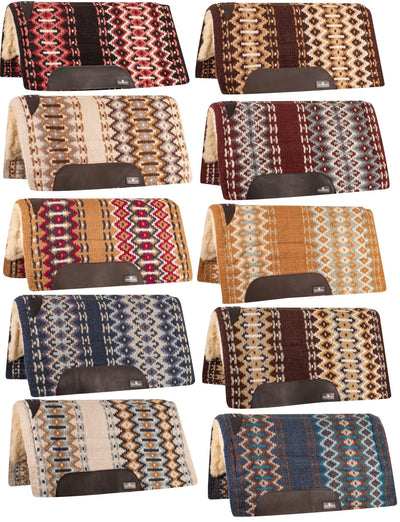

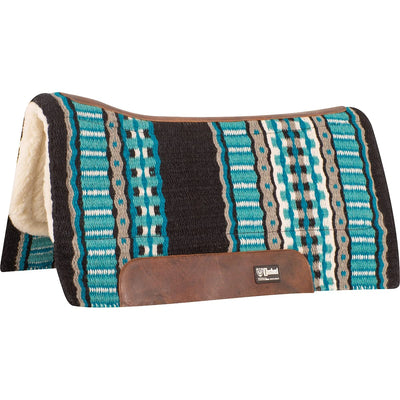
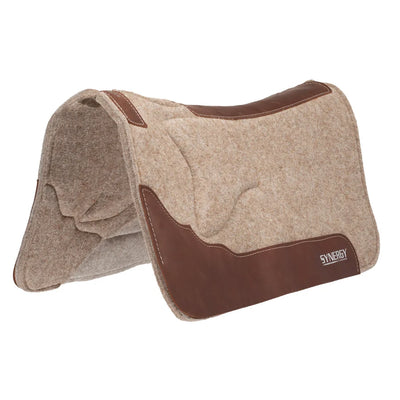
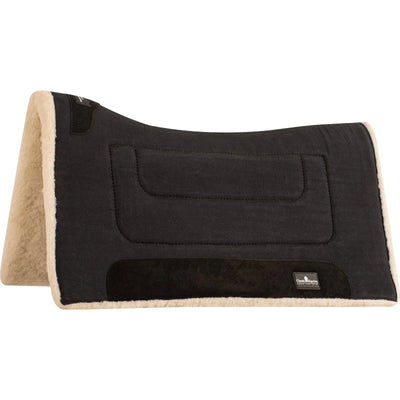

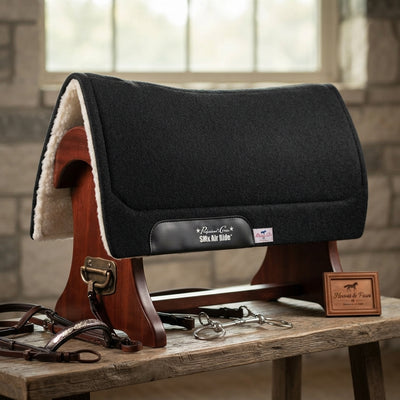

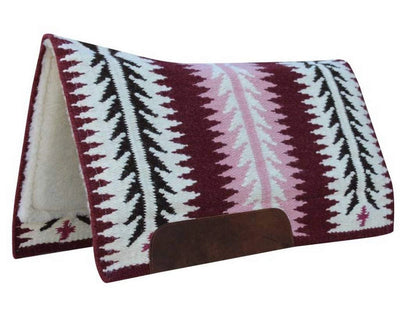

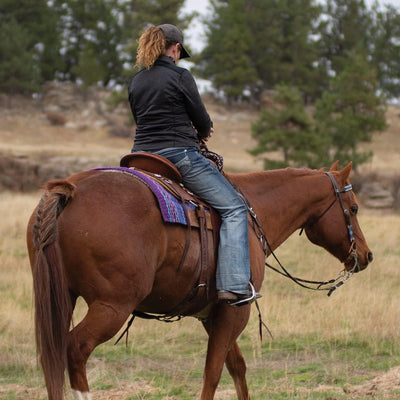


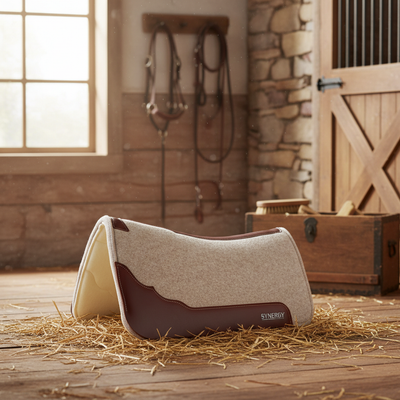

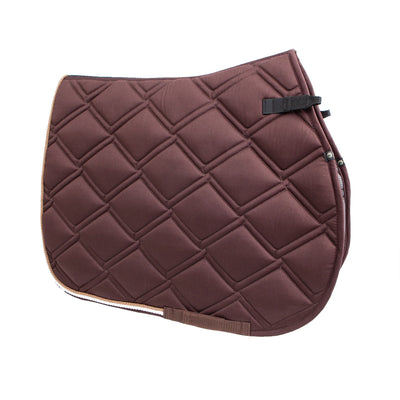
Ask ten riders how thick a western pad should be and you get ten answers, partly because nobody measures the same way. There is no industry standard for pad thickness. Some makers quote the pad compressed, some quote it lying loose on a bench, and wool felt fluffs at the cut edge, so the number on the tag and the number under your fingers rarely agree.
What Riders Are Actually Asking
How is western saddle pad thickness actually measured?
Inconsistently, and that is not a complaint about any one brand. Some makers quote a compressed figure, so a pad sold as half an inch can measure close to a full inch brand new and squeeze down to the stated size between your fingers. Others quote the loose thickness straight off the roll. Wool felt also fluffs at the cut edge, which makes the border read thicker than the body of the pad. If you need to compare two pads, measure both the same way: pinch firmly about six inches in from the edge, not at the edge itself.
Should I ride in a 3/4 inch pad or a 1 inch pad?
Three quarters of an inch is the working default for a saddle that already fits, and it is what most ranch, trail and all-around riders end up on. Go to a full inch when the saddle sits a touch wide and drops onto the withers, or when you are riding long hours and want more cushion under a heavy rig. Go thinner, half an inch or a close contact profile, for speed events where feel matters and the saddle fits well. Adding thickness to a saddle that is already snug will make it pinch.
Does a thicker pad protect the horse's back better?
Not in a straight line, no. Past a certain point extra thickness lifts the saddle up and away from the horse, which narrows the effective contact area, lets the saddle rock front to back and concentrates pressure at the bar tips. Riders who chase soreness with thicker pads often make the sore spot worse. Thickness buys cushion; it does not buy fit. If the horse is dropping his back or you see dry spots the size of your palm after a ride, that is a fit conversation, not a shopping conversation.
Wool felt, synthetic felt, or a foam core pad?
Wool felt wicks sweat, breathes and molds to the horse, but it packs down over a season or two, gets heavy when soaked and costs more. Synthetic or blended felt holds its shape longer and washes more easily, at the cost of some breathability. Foam and air-cell cores rebound to the same shape every ride and shed impact well, which is why they show up in barrel and roping pads, though they hold heat. A common compromise is a wool felt body with a foam or air core sandwiched inside.
What do the wool percentages and density numbers mean?
One hundred percent wool means the felt contains no synthetic fiber, which affects wicking, not stiffness. Density is the number that governs how the pad behaves: a dense, hard-pressed felt at the same stated thickness will support more weight and pack down less than a soft one, which is why two 3/4 inch pads can feel nothing alike. Steam-pressed and merino are marketing words for real processes, but neither guarantees density. If you can push your thumb through half the pad, it will flatten within a season.
How to Choose the Right Western Saddle Pad
- Measure both pads yourself: Pinch six inches in from the edge on each. Tag numbers are not comparable across brands because nobody agrees on the method.
- Start at 3/4 inch: It suits a saddle that fits, on an average horse, for most riding. Move off it only for a reason you can name.
- Let the saddle decide, not the horse's back: A slightly wide saddle wants more pad. A snug saddle wants less. Thickness is a fit adjustment, not a comfort upgrade.
- Check the skirt length against your saddle: The pad should show roughly one to two inches past the skirt all the way around. More than that flaps and collects dirt.
- Feel the density, not just the thickness: Squeeze a corner. If it collapses to nothing under your thumb it will be a flat sheet of felt by next spring.
What This Page Is Not For
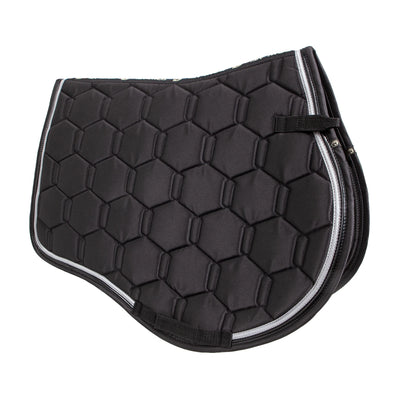
This page covers western pads and how thick they should be. It does not cover English pads or half pads, it is not a substitute for a saddle fitter, and it does not make therapeutic claims about gel, ceramic or magnetic linings. If your problem is a sharp wither rather than thickness, that is a different page.
Brands Riders Trust
Professional's Choice built its name on the air-ride core and still runs the widest range of felt and wool western pads here. Weaver Leather covers everything from a plain work pad to steam-pressed merino wool. Toklat brings the Matrix and Tango performance pads, Cashel does a merino-backed performance felt, and Classic Equine sits in the middle with honest wool felt at a working price.
Every pad here is stocked in an American warehouse, ships within two days, and comes with our 365-day guarantee. Thirty years of buying pads for our own horses is behind the picks. Happy Tails, Happy Trails.
