


Horse Bridle and Bit: Parts, Fit, and Selection Guide
Choosing the right horse bridle and bit is one of the most important decisions you will make for a comfortable, responsive ride. A bridle is more than a collection of straps, and a bit is more than a metal mouthpiece. Each part must work together so your horse understands your rein signals without unnecessary pressure or discomfort. Whether you ride English or Western, the equipment you choose shapes how you communicate on the ground and under saddle. Understanding the parts, fit, and selection basics makes tack changes safer and every ride more enjoyable.
Shop premium horse bits and curbs today and pair the right bit with a correctly fitted headstall.
Quick answer: A horse bridle and bit work together as the headgear and mouthpiece that carry rein signals from your hands to your horse. The headstall holds the bit in the correct position, and the bit rests on the bars of the mouth to transfer pressure. The right combination depends on your horse's mouth, training, discipline, and how each design applies pressure. A correctly fitted setup supports welfare and performance, not just control.
What Is a Horse Bridle and Bit?
A horse bridle and bit form the primary control and communication system used in most riding disciplines. The bridle is the complete headgear system that fits over the horse's head and holds the bit in position inside the mouth. Reins attach to the bit so the rider can give signals through carefully applied pressure. Correct sizing, adjustment, and gentle handling help support clear communication and your horse's comfort.
The bridle provides the framework around the horse's head. Its headstall includes the crownpiece, browband, cheekpieces, and throatlatch, which keep the bridle stable without pressing on sensitive areas. The cheekpieces are especially important because they hold the bit at the intended height. The bit is the mouthpiece that rests on the bars, the toothless gaps between the front and back teeth. It should sit comfortably at the corners of the mouth, supported by the cheekpieces, neither so low that it knocks against the teeth nor so high that it creates constant pressure at the lips.
Anatomy of a Bridle: Parts of the Headstall
Understanding each strap makes fitting and daily tack checks much easier. Each part has a specific job, and they work together to support the bit and hold it in place. Browse premium horse bits and curbs to see the range of options once you understand your horse's needs.
Crownpiece and browband
The crownpiece, sometimes called the headpiece, is the main strap that passes over the horse's poll behind the ears. It supports the rest of the headstall, so it should lie smoothly without pressing on sensitive areas. The browband runs across the forehead in front of the ears and helps keep the bridle from sliding backward. It should not pinch the ears, because a browband that is too short can pull the crownpiece forward and create avoidable pressure.
Cheekpieces and throatlatch
The cheekpieces run down each side of the face and connect the crownpiece to the bit. Their adjustment determines the bit's height. In most cases, the bit should rest at the corners of the mouth with one or two gentle wrinkles in the lips, with enough width to avoid pinching. The throatlatch runs beneath the jaw and helps keep the headstall secure. It needs about one fist's width of slack so it does not restrict breathing or natural movement, but is not so loose that the bridle shifts.
Noseband, bit, and reins
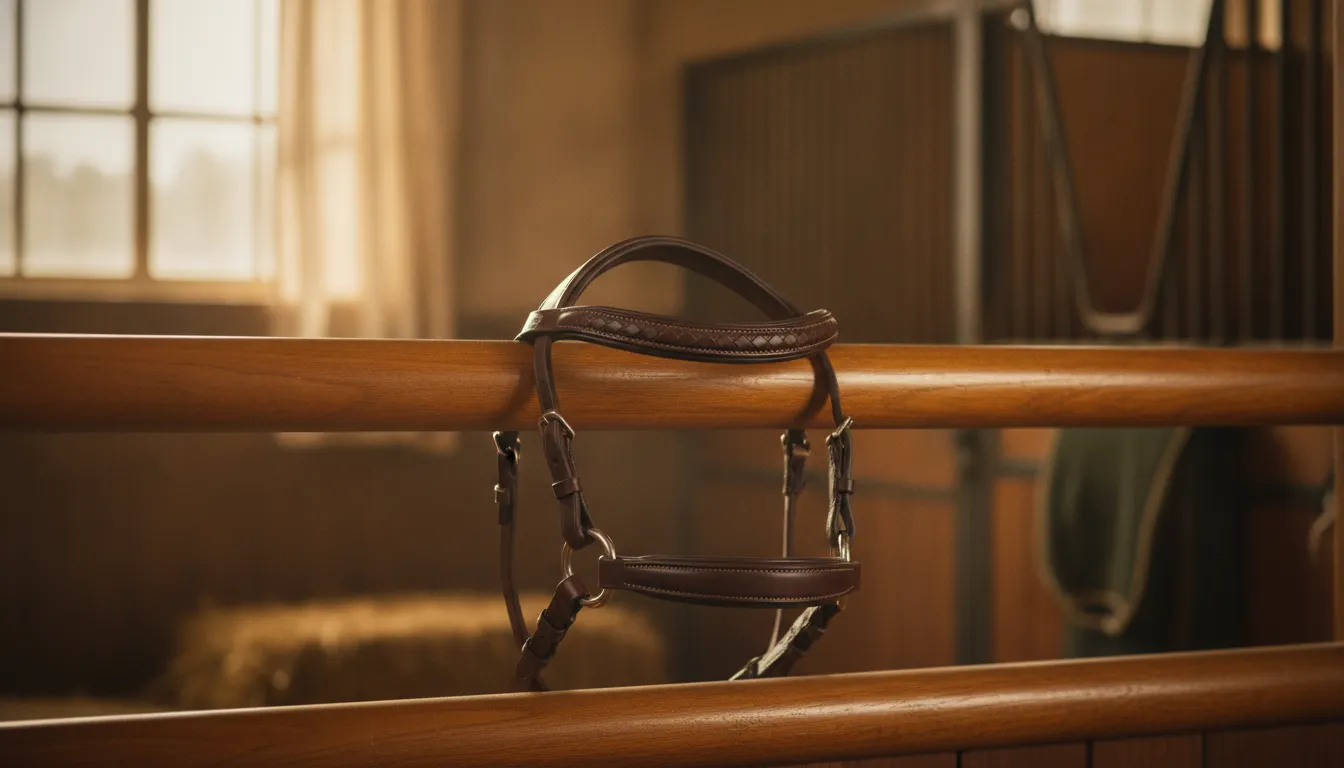
The noseband encircles the horse's nose and may help stabilize the bridle. It should never be used to force the mouth closed or compensate for a poorly fitted bit. The reins attach to the bit's side rings or shanks, and that attachment point affects how rein pressure reaches the horse, so the bit and rein choices should match the horse, rider, and discipline.
Shop This Post

Featured in this article
AV Bob Avila Double Ring Snaffle Horse Bit - Sweet Iron Mouthpiece, 3" Rings - Multiple Sizes
$165.00
Shop Now →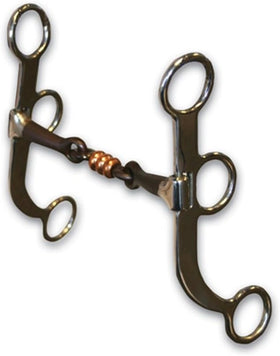

Headstall Types: English vs. Western Bridles
The headstall style should match the way you ride, your horse's training, and the communication your discipline requires. English bridles are usually described by their noseband and cheekpiece arrangement, while Western tack is often described by the headstall's ear or browband design. In either case, the bit, reins, fit, and rider's hands all work together.
| Style | Typical construction | Common bit pairing |
|---|---|---|
| English snaffle bridle | Crownpiece, browband, cheekpieces, throatlatch, and usually a single noseband. | Snaffle bit, often loose-ring or eggbutt. |
| English double bridle | Two cheekpiece sets for both a bridoon and a curb bit. | Bridoon snaffle and a curb bit, used together by experienced riders. |
| Western split-ear headstall | A simple crownpiece with a split section passing around one ear. | Often paired with a curb bit, sized to the horse. |
| Western one-ear headstall | A single ear loop supports the headstall instead of a browband. | Commonly used with a curb or shanked bit. |
| Western browband or strap style | A band across the forehead, with strap and rope material variations. | Snaffle for younger horses, or a curb for trained horses. |
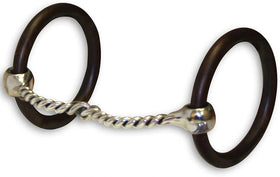
A snaffle works through direct pressure, while a curb uses shanks and leverage to add pressure at the poll and chin groove. That leverage can be useful on a finished Western horse, but it requires educated hands and appropriate training. A comprehensive horse bridle and bit choice therefore depends on discipline, response, mouth and poll comfort, and the rider's ability to use the equipment responsibly. For a closer look, read our Western bridle parts guide.
Understanding Bit Types: Snaffles, Curbs, and Hackamores
Choosing a bit starts with understanding how it communicates rein signals. A snaffle acts through direct pressure at the mouth, while a curb uses shanks to add leverage. Hackamores and bosals offer a bitless option by working around the nose and poll. The Michigan State University Extension overview of the three basic types, snaffle, curb, and hackamore, is a useful foundation for comparing these systems.
Snaffle bits use direct pressure
In a true snaffle, the reins attach at the level of the mouthpiece with no shank, so the rider's pressure is transmitted directly rather than amplified. This action is why snaffles are commonly used when starting young horses. Design still matters: a loose-ring or eggbutt snaffle with a thicker mouthpiece generally spreads pressure across more surface area, but thickness should be matched to the horse's mouth and comfort.
Curbs add shanks and leverage
A curb bit has shanks that multiply the rein signal and add pressure at the poll and chin groove. This gives a trained rider more communication options, but it demands careful hands and thoughtful adjustment. Its length and shape, the mouthpiece, and the curb strap all influence the feel, so evaluate the complete design rather than one feature.
Hackamores and bosals work without a mouthpiece
Hackamores and bosals are bitless options that apply pressure around the nose, jaw, and poll. Bitless does not mean pressure-free, and a poorly fitted hackamore can still cause discomfort. Noseband placement, fit, and a balanced release are essential. Whatever style you choose, prioritize a correctly fitted design and a clear, considerate connection.
How to Fit a Horse Bridle and Bit Correctly
A comfortable fit begins with the headstall. Place the crownpiece over the poll behind the ears and check that it supports the bridle without pressing on sensitive areas. The browband should lie smoothly without pinching either ear. Then examine the cheekpieces and bit together, holding the bit at the corners of the mouth with one to two gentle wrinkles in the lips. Make small, even adjustments from both sides so the bit sits level.
- Size the mouthpiece. Choose a bit approximately one-quarter inch wider than the horse's mouth to prevent pinching while avoiding excessive movement.
- Set the bit height. The cheekpieces should hold the bit level at the mouth corners, not clicking the teeth below or pressing the lips above.
- Adjust the throatlatch. Leave about a fist's width of slack so it does not restrict breathing while keeping the bridle secure.
- Check the noseband. It should be snug without blocking chewing, breathing, or comfortable jaw movement.
- Do a trial ride. Run your fingers beneath each strap, inspect the lips and mouth corners, and watch for rubs, swelling, or resistance.
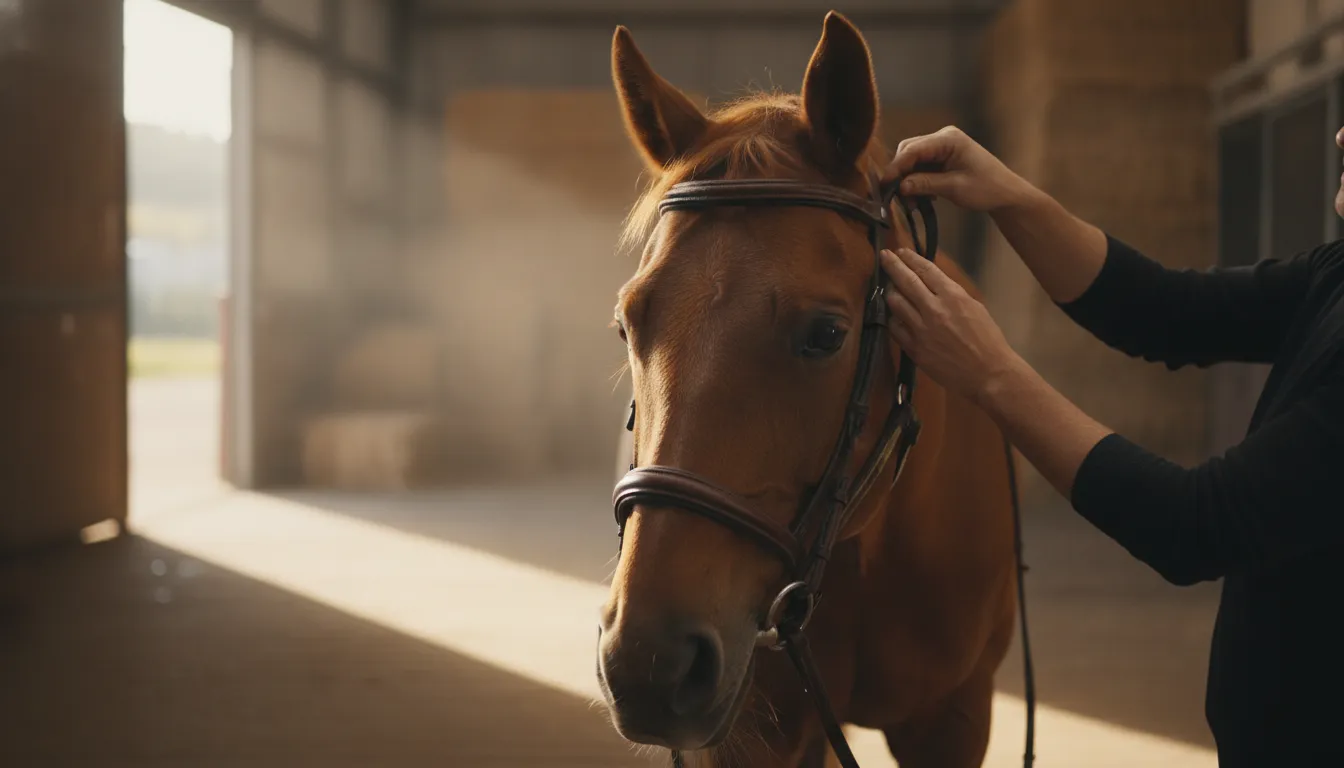
Key Takeaway: A correct horse bridle and bit fit keeps the crownpiece comfortable over the poll, with the browband clear of the ears and the bit level at the mouth corners with one to two gentle wrinkles. Leave a fist's width at the throatlatch and about one-quarter inch of bit width beyond the mouth to protect comfort and communication.
When you need a different mouthpiece or size, browse premium horse bits and compare options with your horse's comfort, training, and riding discipline in mind.
Signs Your Horse's Bridle or Bit Doesn't Fit
Your horse's behavior can provide an early warning that the tack needs attention. Resistance during bridling, repeated head tossing, evading the bit, and excessive mouthing may point to dental or bitting discomfort, not stubbornness. Watch for patterns, especially when a behavior begins after a new bit, bridle adjustment, or change in riding work.
Dental problems deserve particular attention. Sharp points, hooks, or wolf teeth can be pressed by the bit and cause significant gum irritation. The Utah State University Extension guide to bitting notes that horses with dental problems may resist the bit, toss the head, or mouth it. If these behaviors persist, arrange a professional dental evaluation before changing to a stronger bit, then refit the bridle from the beginning. A bit that pinches, a mouthpiece oversized or undersized, excessive leverage, or rough hands can all make even a well-chosen bit uncomfortable.
Shop premium horse bits and curbs today
How to Choose the Right Horse Bridle and Bit
You now have a clear picture of how a horse bridle and bit work: which headstall styles and bit types match different disciplines, and the fitting checks that keep your horse comfortable. Start with the basics. Confirm the headstall sits correctly, select a bit that suits your horse's mouth and training, and inspect every strap and buckle before you ride.
Think about the whole setup together rather than choosing a bit in isolation. Pair your mouthpiece with a headstall that fits the poll, browband, cheeks, and throat properly. When your ideal combination is not clear, talk through your horse's age, training, and any sensitivity with someone who knows tack, and compare a few options in person before committing.
Frequently Asked Questions
Are bits painful for horses?
A properly fitted bit should not cause pain. Discomfort can result from the wrong width, sharp or damaged surfaces, excessive leverage, or rough rein use. Watch for resistance, head tossing, gaping, or chewing, and have a qualified professional check the tack and the horse's mouth.
What is the difference between a snaffle and a curb bit?
A snaffle applies direct rein pressure through the mouthpiece. A curb bit uses shanks and a curb chain or strap to create leverage, adding pressure at the poll and chin groove. Because leverage can increase the effect of a small rein movement, curb bits require careful selection, fitting, and handling.
How should a horse bridle and bit fit?
The browband should lie comfortably without pulling the crownpiece toward the ears. The throatlatch needs about one fist of room, and the cheekpieces should position the bit with one or two soft wrinkles at the mouth corners. The bit should be about one-quarter inch wider than the mouth so the rings do not pinch the lips.
Is a thicker bit milder for a horse?
A thicker mouthpiece generally spreads pressure across a larger surface area and may feel milder, but it is not automatically right for every horse. Thickness should be matched to the horse's mouth conformation, comfort, and response, alongside the fit and the rider's hands.
What is the gentlest bridle option?
There is no single gentlest choice for every horse. A smooth, correctly fitted snaffle or a suitable bitless bridle may be comfortable depending on the horse's training, anatomy, and the rider's hands. Evaluate the complete bridle and bit combination rather than one feature.
Ready to Fit Your Horse's Bridle and Bit?
Start with the fit checks, then choose the bit that matches your horse's mouth and your discipline. Inspect every strap and buckle before you ride, and reach out when you need a second opinion on sizing or material.
Shop premium horse bits and curbs today
At Hooves and Paws, a family-owned company serving horse and pet owners since 1994, you will find a carefully curated selection of trusted bridles, bits, and curbs, including premium brands such as Myler. Every order ships free in the continental U.S. with no minimum, and orders placed before 2 PM PST qualify for same-day shipping, all backed by our 365-day satisfaction guarantee. If you are unsure which setup fits best, our team will help you narrow the choice.


